


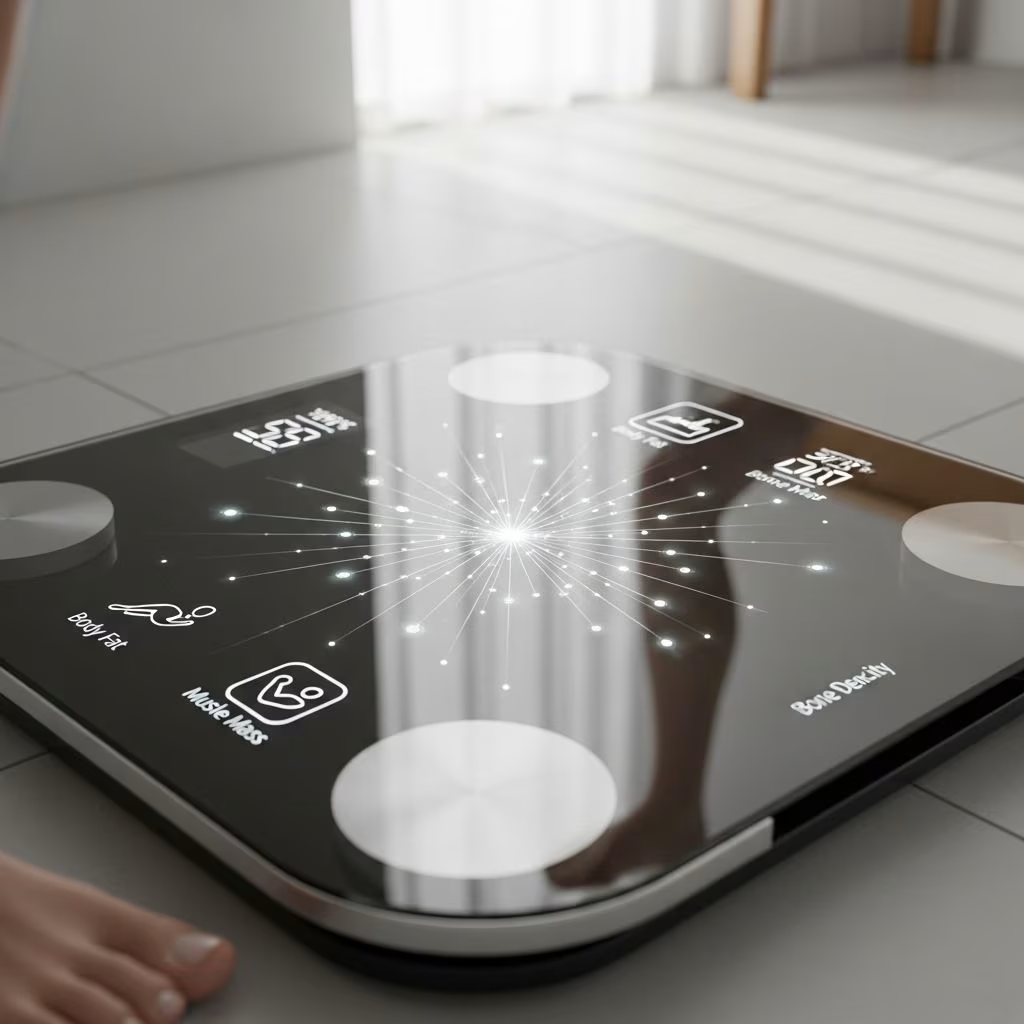
Smart Scales That Measure More Than Your Weight: Your Comprehensive Guide
If you thought scales only tell you your weight, think again. Modern smart scales deliver a spectrum of measurements, offering a detailed snapshot of your health right from your bathroom floor. Whether your goal is to lose fat, build muscle, or simply monitor overall wellness, these innovative devices put actionable insights at your fingertips. This guide will help you understand what smart scales can measure, key features to look for, recommended products, and tips for integrating digital health tracking into your lifestyle.
Why Go Beyond Simple Weight?
Traditional scales measure only weight, missing critical information about your well-being. Weight alone says little about body composition — the difference between fat, muscle, bone, and water. Two people at the same weight can have vastly different health risks. Smart scales bridge this gap with advanced technology that tracks multiple health metrics, helping you make more informed choices about diet, exercise, and prevention.
Core Features of Smart Scales
- Body Fat Percentage: A key measure of health; high body fat can signal increased risk for diabetes, heart disease, and metabolic syndrome.
- Body Mass Index (BMI): Assesses your weight in relation to height; useful for tracking trends but limited as it does not distinguish fat from muscle.
- Muscle Mass: Indicates your proportion of muscle, helpful for athletes and those pursuing strength or fitness goals.
- Bone Mass: Estimates your bone density; low levels may warrant evaluation for osteoporosis risk.
- Visceral Fat: Fat stored deep in the abdominal cavity. Excess visceral fat is closely linked with cardiovascular risks.
- Hydration Levels: Tracks your water content, important for overall organ function and athletic performance.
- Basal Metabolic Rate (BMR): Calculates how many calories your body burns at rest, allowing for personalized dietary planning.
Many smart scales also offer:
- Wireless Connectivity: Syncs data to your smartphone or health apps (e.g., Fitbit, Apple Health, Google Fit) via Bluetooth or Wi-Fi for seamless recordkeeping.
- Multiple User Profiles: Supports tracking for every family member and guest, making progress easier to compare.
- Easy Data Visualization: Interactive charts and timelines track daily, weekly, and monthly changes, providing motivational feedback.
- Remote Sharing: Some models transmit data directly to healthcare providers, aiding in preventive care and chronic disease management.
How Do Smart Scales Work?
Smart scales use bioelectrical impedance analysis (BIA), sending a safe, imperceptible electrical current through your body via contact with the scale’s surface. Since muscle, fat, bone, and water all conduct electricity differently, the scale calculates various metrics from the speed and resistance of the current. Although BIA provides a helpful estimate, readings may be influenced by factors such as hydration, skin temperature, and placement. For daily monitoring and tracking trends over time, BIA-based smart scales prove highly effective, but readings should not be considered medical diagnoses.
Metrics Tracked by Leading Smart Scales
| Metric | Why It Matters |
|---|---|
| Weight | Basic health status; useful for tracking progress |
| Body Fat % | High levels linked to heart disease, diabetes, metabolic syndrome |
| BMI | Screening tool for weight status relative to height |
| Muscle Mass | Higher muscle supports strength, fitness, and metabolism |
| Bone Mass | Monitors bone density, osteoporosis risk |
| Water Content | Dehydration and overhydration affect health and performance |
| Basal Metabolic Rate (BMR) | Personalizes calorie needs and fitness plans |
| Visceral Fat | Predicts risk of metabolic and cardiovascular disease |
Smart Scale Accuracy and Limitations
Smart scales deliver consistently accurate weight readings. However, metrics such as body fat and muscle mass can vary due to the nature of BIA technology. Factors that affect accuracy include:
- Hydration status (dehydration can skew results)
- Time of day (morning readings are generally more stable)
- Foot placement and positioning (consistent stance required)
- Type of scale (higher-end models with multiple sensors tend to be more precise)
For tracking personal progress and trends, smart scales are highly useful. For medical-grade testing, consult with a healthcare provider or clinical lab.
Integration with Mobile Apps
Most smart scales sync directly with branded or third-party health apps, making continuous data analysis easy.
- Automatic Data Uploads: Instantly stores measurements in your phone or tablet for convenient access and sharing.
- Compatibility: Look for scales that work with major platforms like Apple Health, Google Fit, and Fitbit.
- Goal Tracking: Lifelong progress gets clearer with app notifications and milestone badges.
Choosing the Right Smart Scale: Top Features to Consider
- Comprehensive Metrics: The more health variables a scale can track, the better. Look for devices measuring body fat, visceral fat, muscle mass, hydration, and more.
- Wireless Connectivity: Wi-Fi and Bluetooth enable instant syncing with devices and apps.
- Multiple User Support: For families, devices that allow unlimited or multiple users are a plus.
- Display Readability: Large, backlit screens or custom lighting make it easier to see results.
- Battery Life and Power Sources: USB recharge or solar-powered options are increasingly available for eco-conscious users.
- Data Sharing: Some smart scales allow seamless sharing with your physician, enhancing personal and preventive healthcare.
- Special Modes: Athlete and baby modes adjust calculations for different body types and ages.
Smart Scale Product Comparison
| Model | Wireless Type | Metrics Tracked | Power Supply | User Profiles | Special Features |
|---|---|---|---|---|---|
| Elis Aspire | Wi-Fi & Bluetooth | 13 metrics (body fat, muscle, BMR, water, bone) | AAA Batteries | Unlimited | Large display, athlete mode |
| Elis Chroma | Bluetooth | 13 metrics | USB Rechargeable | Unlimited | Custom lighting, interactive app charts |
| Elis Solar 2 | Bluetooth | 13 metrics | Solar Powered | Unlimited | Solar charge, baby mode |
Benefits of Smart Scales for Health Management
- Early Detection: Subtle weight changes can signal medical issues like fluid retention or heart problems. Smart scales help spot these shifts quickly, supporting preventive care.
- Motivation: Real-time feedback on muscle gain or fat loss can boost engagement in healthy behaviors.
- Personalization: Customizable apps let users set and monitor goals tailored to their needs.
- Progress Visualization: Interactive graphs reveal trends and patterns, showing progress beyond the number on the scale.
- Enhanced Doctor-Patient Collaboration: Remote data sharing streamlines telehealth and treatment planning.
- Support for High-Risk Individuals: Those at risk for obesity, diabetes, or heart disease can benefit from close monitoring and early intervention.
Tips for Getting the Most Out of Your Smart Scale
- Weigh yourself at the same time each day, preferably in the morning.
- Stand still with bare feet, making full contact with the scale’s sensors.
- Record data regularly for trend analysis; occasional readings may be misleading.
- Hydrate well — dehydration can impact impedance results.
- Pair your device with compatible health apps for dose tracking of goals and achievements.
- Use family or guest profiles so everyone can benefit from regular monitoring.
FAQs: Smart Scales and Advanced Health Tracking
How accurate are smart scales?
Weight readings are very accurate; body composition measures (fat, muscle, water) are good for tracking trends but may not match clinical tests. Always use the same scale and conditions for comparison.
Are smart scales safe?
Smart scales use very low electrical currents for BIA, which are completely safe for most adults. People with pacemakers or other implanted medical devices should consult their doctor before use.
Can smart scales track health for multiple people?
Yes, most smart scales can create separate profiles for different users, allowing each person to record individualized data.
Do smart scales work with my phone?
Most modern scales sync with popular health apps via Bluetooth or Wi-Fi; check compatibility to ensure seamless data transfer.
What else should I look for in a smart scale?
Seek out features like athlete/baby mode, large displays, real-time app feedback, and rechargeable or solar-powered options for maximum convenience.
Conclusion: Your Next Step in Health Tracking
Smart scales offer far more than a number; they deliver a window into your body’s composition, revealing progress that traditional scales simply can’t track. With regular use, these devices help you stay informed, motivated, and proactive about your health. When paired with health apps and physician support, smart scales make home health monitoring simple, personalized, and effective.
Frequently Asked Questions (FAQs)
Q: Should everyone use a smart scale?
A: While smart scales can benefit most people, those with implanted medical devices should always consult their doctor first. Athletes and anyone tracking health or fitness goals will especially appreciate the expanded insights.
Q: What’s the difference between body fat percentage and BMI?
A: BMI offers a basic height-to-weight ratio, while body fat percentage provides a direct estimate of fat within the body. Smart scales make it easy to track both for a fuller picture.
Q: Can I use smart scales for telehealth?
A: Yes. The best smart scales transmit data to health apps that can be shared with your healthcare provider for monitoring and advice.
Q: How do I know which smart scale is best for me?
A: Compare models based on connectivity, user profiles, metric types, battery options, and compatibility with your devices and apps. Prioritize the measurements you want and the features you’ll use most.
References
- https://ihealthlabs.com/blogs/education/reduce-chances-of-heart-disease-using-digital-smart-scales
- https://www.coachcare.com/2025/01/30/are-smart-scales-accurate-how-they-work-how-to-use-them.html
- https://www.menshealth.com/fitness/g61947084/best-smart-scale/
- https://renpho.com/collections/smart-body-scale
- https://www.withings.com/us/en/scales


