


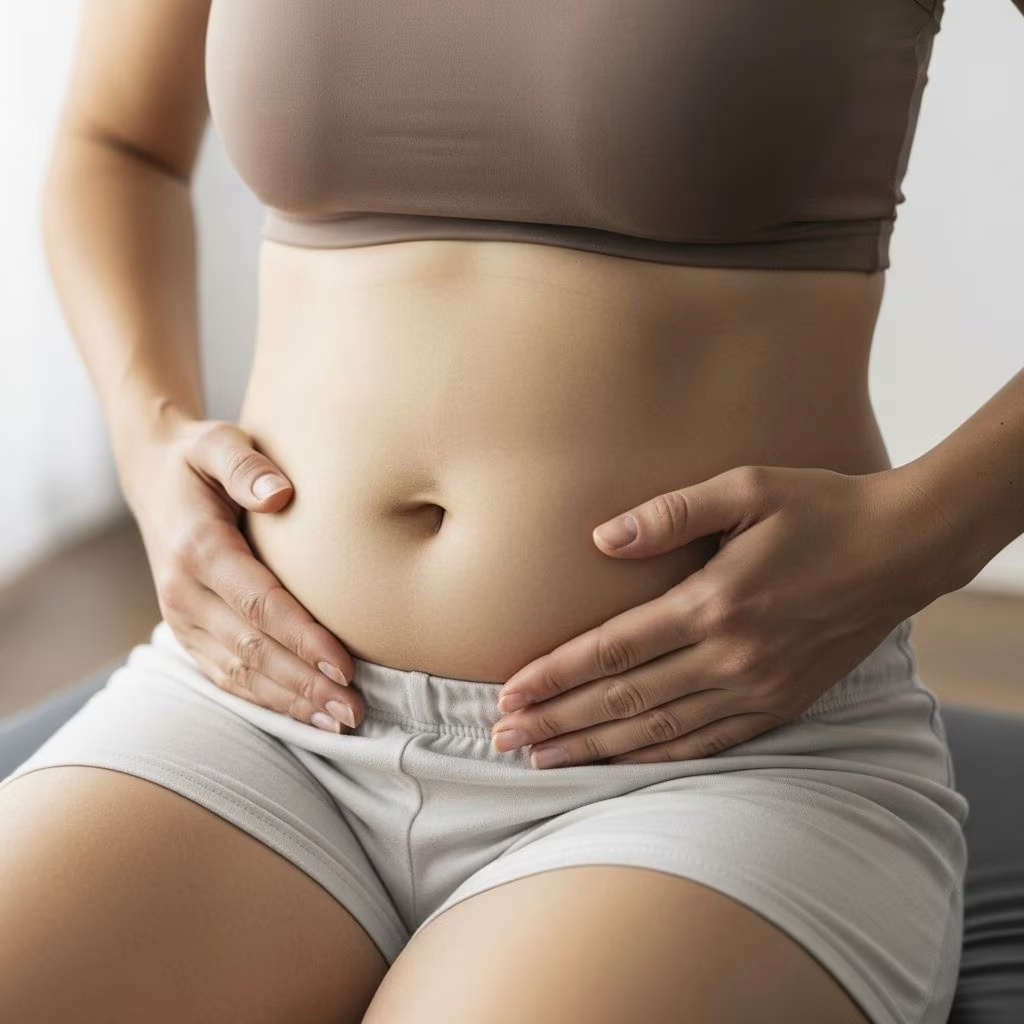
Bloated or Gaining Weight? How to Tell and What to Do Now
Feeling like your pants fit tighter than usual or your stomach appears larger can leave you asking: Is this weight gain or simple bloating? The difference may not always be obvious, but knowing how to distinguish between the two is crucial for effective, healthy management. Below, we break down the eight questions experts use to help you assess the situation, plus actionable steps to address both bloating and real weight gain.
Why It Matters: Bloat vs. Fat
Both bloating and weight gain cause your waistline to expand, but their roots — and solutions — are very different. Bloating often appears suddenly and can usually be resolved with diet or lifestyle tweaks, while weight gain tends to build over time and requires more sustained changes in food and activity habits.
Making the distinction is essential because treating the wrong cause can be ineffective or even harmful.
8 Essential Self-Assessment Questions
Experts suggest working through these eight questions to pinpoint your situation and pick the right solution. Take time to review each honestly and make notes about your routines and symptoms.
- 1. Has my lifestyle changed at all?
Begin with some real introspection. Have you started eating differently, moved more or less, or had a recent change in sleep or stress levels? Even small shifts, like getting less rest or new medications, can influence your body’s calorie balance and digestion.
If you answer yes to significant lifestyle changes, there is a greater possibility this is weight gain rather than just temporary bloating. - 2. How do I look in the morning?
Check your stomach first thing, before breakfast. Most people wake up with a flatter stomach because food has moved through the digestive tract overnight, usually alleviating bloating. If your gut deflates in the morning but gets rounder and uncomfortable by evening, you may be dealing with bloat rather than fat accumulation.
- 3. Is my weight fluctuating daily or remaining consistent?
Rapid changes in weight (e.g., up or down several pounds in one day) are much more likely due to fluid retention, sodium intake, hormonal shifts, or digestive bloat than added fat.
Genuine weight gain tends to show gradual increases over weeks and months, not overnight. - 4. Am I experiencing digestive symptoms such as constipation or gas?
If you feel full, cramped, or your bowel habits have changed recently — perhaps fewer movements or more frequent gas — suspect bloating caused by digestive slowdown, dehydration, or eating trigger foods.
- 5. Have I noticed changes in my medications or supplements?
Many drugs can cause fluid retention, constipation, or even promote actual weight gain. Common culprits include antidepressants, corticosteroids, antihistamines, and birth control pills.
Review your prescriptions and supplements; consult your healthcare provider if you suspect side effects. - 6. Am I drinking enough water?
Inconsistent hydration slows digestion and can cause both bloating and actual weight retention. Note your daily water intake and consider increasing, especially if you often feel puffy or constipated.
- 7. Is my diet rich in salt, processed foods, or sugars?
High sodium causes fluid retention and swelling, while artificial sweeteners or processed foods can disrupt gut bacteria leading to gas and uncomfortable bloating.
Fat accumulation is also often linked to excessive calorie intake from these sources. - 8. Have I developed food intolerances or allergies?
New sensitivities to gluten, dairy, FODMAPs, or other common triggers could be causing recurring bloat. Consider tracking your diet and symptoms, and talk to your doctor if digestive issues persist.
Comparison Table: Bloating Versus Weight Gain
| Aspect | Bloating | Weight Gain |
|---|---|---|
| Speed of Onset | Sudden (hours to a day) | Gradual (weeks to months) |
| Appearance | Stomach distends and flattens overnight | Stomach remains relatively consistent |
| Physical Symptoms | Gas, discomfort, constipation, frequent bathroom trips | Usually asymptomatic, may feel heavy or sluggish |
| Triggers | Dietary factors (fiber, salt, processed foods), stress, hormones | Caloric surplus, inactivity, sustained lifestyle changes |
| Resolution | Typically resolves with dietary and lifestyle adjustments | Requires comprehensive, sustained changes |
How to Get Rid of Bloating
Once you’ve determined you’re likely dealing with bloating, experts recommend the following steps:
- Identify and Avoid Trigger Foods:
- Common triggers are salty foods, beans, onions, dairy, gluten, carbonated drinks, and high-fiber foods (especially if you increase intake suddenly).
- Keept a daily food journal and note how different meals affect your digestion and comfort.
- Stay Hydrated:
- Aim for at least 8 glasses of water daily.
- Avoid sugary drinks and excessive caffeine, which can worsen bloating.
- Move More:
- Light physical activity aids digestion — think walks, gentle stretching, or yoga.
- Regular exercise also helps regulate hormones and stress, which influence bloat.
- Limit Salt and Processed Foods:
- High sodium increases water retention and puffiness.
- Opt for fresh, whole foods whenever possible.
- Try Digestive Aids:
- Peppermint tea, probiotics, and occasional fiber supplements (but increase fiber slowly to avoid initial increased bloating).
- If constipation is a recurring problem, speak to your healthcare provider about safe medications or alternative approaches.
- Consider Medical Evaluation:
- If bloating is severe, painful, or ongoing, consult a doctor; issues like irritable bowel syndrome, food allergies, or even celiac disease may be the underlying cause.
- Testing or elimination diets can help identify persistent intolerances.
Strategies for Sustainable Weight Loss
- Assess Your Caloric Intake: Track meals, snacks, and beverages for a realistic picture. Apps or handwritten journals help increase accountability.
- Increase Activity Levels: Find an exercise routine you enjoy — walking, cycling, swimming, or group fitness classes all count. Aim for at least 150 minutes of moderate activity every week.
- Improve Sleep Hygiene: Chronic sleep deficits disrupt hunger hormones and metabolism, leading to gradual weight gain. Target 7-9 hours per night.
- Manage Stress: Chronic stress raises cortisol, which can result in increased abdominal fat. Practice relaxation techniques such as meditation, deep breathing, or hobbies.
- Monitor Medication Side Effects: If you notice sudden or unexplained weight gain, speak openly with your healthcare provider about possible drug alternatives.
Common Causes of Bloating & Related Digestive Symptoms
- Constipation: Often triggered by low fiber, dehydration, or medications.
- Food Intolerances: Dairy, gluten, and certain fermentable carbohydrates (FODMAPs) frequently cause bloating.
- Gut Microbiome Imbalance: Artificial sweeteners and processed foods disrupt healthy bacteria, affecting digestion.
- Hormonal Shifts: Menstruation, menopause, and stress can alter fluid retention and bloating patterns.
- High Salt or Sugar Intake: Leads to water retention and noticeable puffiness, especially after restaurant meals or takeout.
- Eating Too Quickly or Drinking Carbonated Drinks: Increases swallowed air, resulting in a distended belly.
Expert Tips: Prevent and Relieve Bloat Fast
- Eat slowly and chew thoroughly to reduce swallowed air and aid digestion
- Split large meals into smaller, more frequent ones throughout the day
- Increase fiber gradually and pair with plenty of water
- Take a short walk after meals to help move food through the digestive tract
- Limit artificial sweeteners and gums, which can disrupt gut health
- Try natural remedies like ginger or peppermint tea
- If you suspect food intolerances, consider an elimination diet and consult a registered dietitian
When to Seek Medical Advice
Persistent bloating that does not improve with dietary changes, or is accompanied by pain, vomiting, fever, blood in stool, or unexplained weight loss, could indicate a serious digestive condition that needs expert evaluation.
Common conditions to rule out include:
- Irritable bowel syndrome (IBS)
- Celiac disease
- Lactose intolerance
- Chronic constipation or obstruction
Frequently Asked Questions (FAQs)
How quickly can I tell if I’m bloated or gaining actual weight?
If your stomach expands rapidly over several hours, resolves with sleep, or is accompanied by gas or discomfort, it’s likely bloating. Weight gain typically accumulates gradually over weeks or months.
Can stress cause me to feel bloated or gain weight?
Yes. Stress spikes cortisol, which can promote both abdominal fat gain and disrupt digestion, often increasing bloating or constipation.
What if my bloating never goes away?
If you experience persistent or severe bloating, consult a healthcare professional. There could be a chronic digestive disorder, hormonal imbalance, or medication side effect to address.
Do fiber supplements help or worsen bloating?
Fiber can support regularity and prevent constipation, but increasing intake too quickly may initially worsen bloating; always add fiber gradually and drink more water.
Can keeping a food diary help identify the problem?
Absolutely. Tracking foods and symptoms helps pinpoint triggers and tailor diet changes effectively.
Action Plan: Take Charge of Your Waistline
Identifying whether bloating or weight gain is to blame for changes in your belly is the first step.
Use self-assessment questions, track your daily routines, and make simple lifestyle changes.
If symptoms persist or interfere significantly with comfort and confidence, talk to a qualified health professional for evaluation and personalized recommendations.
Ready for next steps? Document your symptoms, review recent changes in diet and routine, and start making gradual improvements for long-lasting wellness.
References
- https://www.prevention.com/weight-loss/g20468501/4-types-of-belly-bulges-and-how-to-fix-them/
- https://www.prevention.com/weight-loss/a20443597/health-problems-that-make-you-gain-weight/
- https://www.prevention.com/weight-loss/a20482406/bloated-or-gaining-weight/
- https://www.prevention.com/weight-loss/a43341310/bloating-vs-fat/
- https://www.prevention.com/health/a41465396/how-to-reduce-bloating/
- https://www.prevention.com/health/a20456510/prevent-bloating/
- https://www.prevention.com/health/g43739176/foods-to-help-ease-bloating/
- https://www.prevention.com/health/g20436960/5-reasons-why-youre-gaining-belly-fat/
- https://www.prevention.com/weight-loss/a42250066/age-related-weight-gain/
- https://www.prevention.com/weight-loss/a20483150/weird-reasons-for-weight-gain/


