


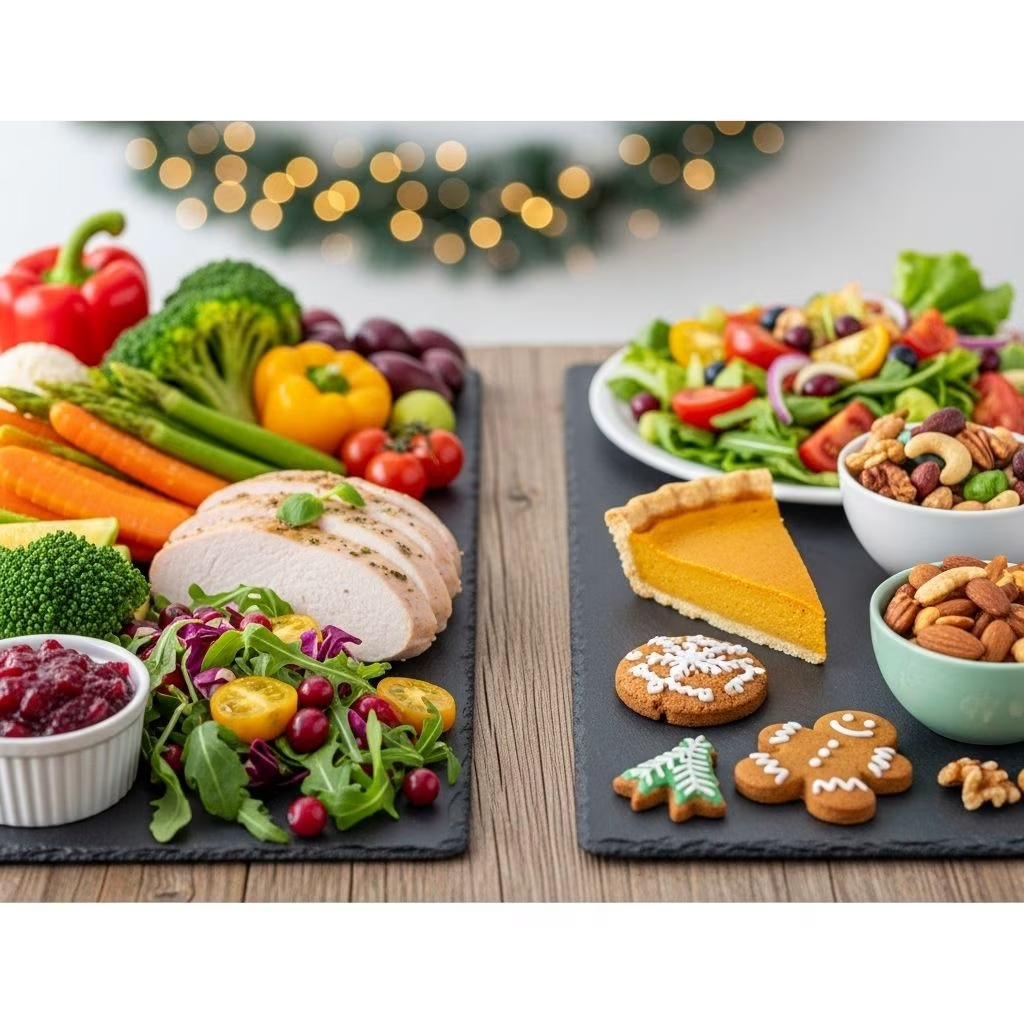
The holiday season brings joy, togetherness, and plenty of delicious food—but it can also challenge your healthy habits. The combination of festive indulgence, disrupted routines, and heightened stress makes holiday weight gain a common concern. The good news: science and expert advice show you can enjoy this season without sacrificing your waistline. Here’s your comprehensive guide to making balanced choices that keep the holidays healthy and happy.
Why Holiday Weight Gain Happens
The period from late October through the New Year is marked by frequent occasions to eat calorie-rich foods and often less time for activity. Studies confirm adults typically gain about 0.5 to 1 kilogram (1–2 pounds) over this period, with much of it concentrated between Thanksgiving and New Year’s Day. It may seem minor, but research shows most people don’t lose this weight later—meaning it can accumulate, leading to significant long-term weight gain.
- Increased calories: Traditional feasts, desserts, and party snacks are often calorie dense.
- Decreased activity: Busy schedules, colder weather, and travel can reduce daily movement.
- Stress and social pressure: Emotional eating and social eating norms foster overindulgence.
Set Realistic Expectations
First, it’s important to recognize that perfect eating is not the goal. The holiday season should be enjoyed, not endured. What matters most is maintaining balance and awareness—not deprivation. You can indulge thoughtfully while still supporting your health.
Your Holiday Action Plan to Prevent Weight Gain
You don’t have to skip your favorite treats or social events. Instead, put these science-backed strategies into action:
1. Plan Ahead for Meals and Events
- Mark all events on your calendar. Knowing when larger meals or parties are coming helps you anticipate and prepare healthy strategies.
- Eat lighter earlier in the day if attending an evening event. For instance, the day of a party, enjoy a nutritious breakfast and lunch, then a small healthy snack before you leave to avoid arriving hungry.
- Never skip meals to ‘save calories’—it often leads to overeating later on.
- Offer to bring a healthy dish when attending gatherings so there is at least one nutritious option available.
2. Practice Mindful Eating
- Focus on the experience, not just the food. Savor each bite, chew slowly, and put your fork down between bites.
- Scan the buffet first. Choose the foods you truly want instead of sampling everything.
- Use a smaller plate to naturally reduce portions.
- Pause before seconds. Wait 10–15 minutes and check in with your hunger before returning for more.
3. Build a Balanced Plate
- Fill half your plate with vegetables and fruits.
- Include lean protein: turkey breast, chicken, fish, or plant-based proteins.
- Choose whole grains over processed sides when possible.
- Treat rich sides and desserts as ‘taste’ portions, not the main event.
4. Move More—Even in Small Ways
- Fit in 30 minutes of activity daily. Even short walks, dancing, or chores count!
- Break up your activity: aim for three 10-minute bursts if you’re busy.
- Schedule movement into the festivities: suggest a family walk after dinner or active holiday games.
- Try ‘exercise before indulgence’: a workout before a big meal can boost energy and help regulate appetite.
- Create activity traditions: join a Turkey Trot, holiday 5k, or group yoga class to make movement social and festive.
5. Manage Stress without Turning to Food
- Recognize stress triggers: plan self-care activities when feeling overwhelmed.
- Get enough sleep: aim for 7–8 hours to regulate appetite hormones and reduce cravings.
- Practice relaxation techniques: deep breathing, meditation, or a brisk walk can all alleviate holiday tension.
6. Be Strategic with Treats and Indulgences
- Plan your indulgence days: Schedule when you’ll truly savor special foods, so you can balance out the days before and after.
- Set ‘treat budgets’ at events: allow yourself a set number of small treats, choosing favorites over ‘meh’ options.
- Pair treats with movement: for every indulgence, add a mini workout: 100 jumping jacks or burpees can make you consider each extra sweet!
- Avoid mindless snacking while cooking or socializing—have a small snack first, chew sugar-free gum while cooking, or keep your hands busy with a drink or utensil.
7. Handle Leftovers Wisely
- Send leftovers home with guests or freeze portions for future meals.
- Store desserts out of sight or share them with neighbors and friends.
8. Navigate Holiday Workplaces and Social Traps
- Plan ahead for office parties and potlucks: eat a healthy meal or snack beforehand to avoid overindulging in high-calorie options.
- Shift treats out of sight: move holiday candies and cookies to a communal area to make mindless snacking less tempting.
9. Start New Non-Food Traditions
- Suggest holiday activities that don’t involve eating, such as concerts, museum visits, or walking to see local light displays.
- Meet friends for a workout, hike, or group class instead of treats at a café.
- Focus celebrations on connection, games, or shared creative hobbies.
The Science Behind Holiday Weight Management
Behavioral research supports practical strategies for controlling holiday weight gain. In a randomized study, adults who:
- Weighed themselves regularly
- Received tips and weight management information
- Learned how much activity would be required to burn off popular holiday foods
lost an average of 0.3 pounds, versus a gain of 0.8 pounds in a control group. While small, these differences matter—because nearly all holiday weight gain accumulates over years and rarely reverses naturally.
Sample Balanced Holiday Plate
| Food Category | Examples | Tips |
|---|---|---|
| Vegetables | Roasted Brussels sprouts, green beans, salad | Half the plate—prepare without heavy cream or butter |
| Protein | Turkey breast, baked fish, lentil loaf | Lean options; control added gravies or sauces |
| Whole grains | Brown rice stuffing, quinoa salad | Limit refined carbs like white rolls |
| Indulgence | Pecan pie, stuffing, gravy | Small portions, truly savor |
Top Tips for Preventing Holiday Weight Gain
- Maintain your meal routine. Try to eat at similar times daily.
- Track your weight regularly (if not triggering for you).
- Choose reduced-fat foods when possible, especially for dips or spreads.
- Incorporate more water and minimize calorie-laden drinks.
- Limit alcohol: alternate alcoholic beverages with water, and set a cap for each party.
- Practice gratitude and positive self-talk—the season is about more than food!
Frequently Asked Questions (FAQ)
Q: How much weight does the average person gain during the holidays?
A: Research indicates most adults gain about 1–2 pounds from late November to early January. This is less than many believe, but it can add up over time if not lost later.
Q: Are there truly effective strategies to prevent weight gain?
A: Yes. Studies support regular self-weighing, mindful eating, maintaining routine physical activity, and advance planning as effective ways to prevent seasonal weight gain.
Q: Will I need to skip desserts or traditional foods to avoid gaining weight?
A: Not necessarily. The key is moderation—enjoy your favorites in small portions and don’t equate special foods with guilt.
Q: Can stress impact my holiday food choices?
A: Absolutely. Increased stress and disrupted routines can lead to emotional or mindless eating. Practicing self-care and stress management can prevent this.
Q: What are some ways to add activity during busy holidays?
A: Break physical activity into shorter sessions, make it social (family walk, group dance party), or try pre-meal workouts—anything to get moving counts!
Final Thoughts: Embrace the Spirit, Not Just the Sweets
Preventing holiday weight gain is less about restriction and more about creating new, balanced traditions. Focus on the true purpose of the season—connection, joy, and well-being—while integrating healthy strategies that last beyond the calendar. With planning, mindful choices, and self-compassion, you can greet the new year feeling energized and empowered.
References
- https://www.health.harvard.edu/blog/yes-you-can-avoid-weight-gain-over-the-holidays-2019112518309
- https://www.prevention.com/weight-loss/a20489358/prevent-holiday-weight-gain/
- https://www.lcmchealth.org/lakeview-hospital/blog/2024/november/your-action-plan-for-preventing-holiday-weight-g/
- https://pmc.ncbi.nlm.nih.gov/articles/PMC5514330/
- https://www.prevention.com/health/a34384918/holiday-weight-gain-myths/
- https://www.prevention.com/weight-loss/a20472409/how-to-prevent-holiday-weight-gain/
- https://www.prevention.com/food-nutrition/a20490788/fight-holiday-weight-gain/
- https://www.prevention.com/weight-loss/a20429475/avoid-weight-gain-on-vacation/
- https://www.scripps.org/news_items/7698-4-ways-to-prevent-holiday-weight-gain


