


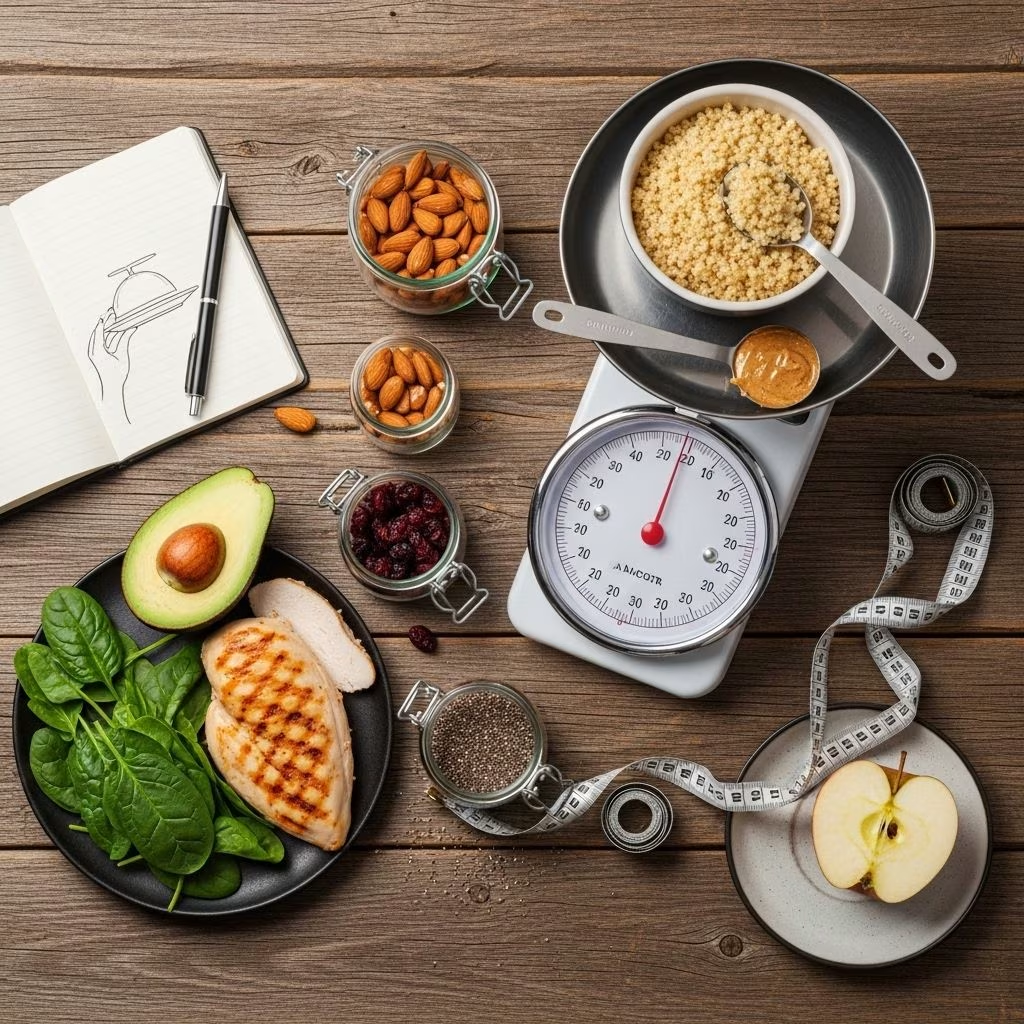
Understanding Portion Sizes: Your Key to Healthy Eating
For anyone striving for healthier eating habits and effective weight loss, grasping the concept of portion sizes is crucial. Portion control is powerful: even nutritious foods can contribute to weight gain if consumed in excess. This guide offers actionable advice and visual references to help you eat just enough for your needs, both at home and when dining out.
Portion Size vs. Serving Size: What’s the Difference?
People often confuse portion size and serving size, but the distinction is important for smart eating:
- Portion Size: The amount of food you actually choose to eat at a given time – fully under your control. It could be more or less than a suggested serving.
- Serving Size: This is a standard, recommended amount found on a food’s Nutrition Facts label, set by regulatory agencies. Serving sizes are used for tracking nutrients and calories.
For example, if the serving size of a frozen entree is 1 cup but you eat 2 cups, your portion contains double the calories and nutrients listed.
Why Portion Sizes Matter More Than Ever
Over the past century, the average calories available per person in the U.S. increased by about 600 calories daily. Restaurant portions, grocery packages, and at-home servings have grown larger, often exceeding federal dietary recommendations. This leads to higher calorie intake and increased rates of overweight and obesity.
- Larger portions outside the home mean more calories consumed, often without realizing.
- Restaurant meals often include extra sides (bread, chips, appetizers) that add calories but little nutritional value.
- Packaged foods are available in super-sized options, tempting families to eat more for less cost.
How Big Is a Healthy Portion? Visual Portion Size Chart
Learning to estimate portions helps you make better food choices and stay on track with weight goals. Here’s a simple portion size chart using everyday objects as visual cues:
| Food Group | Correct Portion | Visual Reference | Common Restaurant Portion |
|---|---|---|---|
| Meat, Fish, Poultry | 3 oz | Deck of cards or palm | Steak dinner: 4 portions |
| Grains (rice, pasta) | 1/2 cup | Computer mouse | Rice w/ takeout: 4 portions |
| Fat (butter, dressing) | 1 tbsp | Tip of thumb | Dressing packet: 4 portions |
| Cheese | 1 oz | Four dice | Pizza slice: 2 portions |
| Fruit | 1 medium piece | Tennis ball | Multiple fruits in restaurant salads |
| Vegetables | 1 cup raw / 1/2 cup cooked | Fist or baseball | Large dinner salads: 2–3 servings |
Tip:
- Carry this chart or commit these visual cues to memory for effortless portion control.
The Impact of Super-Sizing: Science Behind Portion Distortion
Studies show that when offered larger food portions, people automatically eat more—even healthy eaters. A Penn State University study increased meal portion sizes by 50% and then doubled them; participants consumed 300–800 extra calories compared to regular portions.
- Women ate up to 530 more calories/day with double-sized portions.
- Men added as much as 812 calories extra daily with supersized servings.
This demonstrates why being mindful of portion sizes, not just food choices, is essential for weight management.
Portion Control Tips for Home, Restaurants, and On-the-Go
Whether you’re dining at home or eating out, these portion control strategies make it easier to choose appropriate amounts and reduce the chance of accidental overeating.
At Home
- Serve yourself and others the ideal portion, not everything that’s prepared.
- Split up leftovers into containers immediately after meals for another day.
- Use smaller plates, bowls, and serving utensils.
- Measure and weigh foods occasionally, especially for calorie-dense items like cheese, nuts, or oils.
- Limit eating while distracted, such as in front of the TV or computer, as people tend to consume more without noticing.
Eating Out
- Share appetizers, salads, or entrées with a friend or request half portions when possible.
- Downsize: Order the smallest serving size available or take half the meal to go.
- Skip free extras like bread, chips, or high-calorie sides.
- Ask for sauces and dressings on the side and use only a portion of the packet.
- Avoid restaurant “free refill” deals, especially for soft drinks or popcorn.
Takeout and Delivery
- Don’t eat directly from the container or package. Transfer reasonable portions onto a plate.
- Cut pizza into smaller slices and eat one instead of two; split a small pizza for a more accurate portion.
Snacks and Movies
- Pre-portion snacks like popcorn, chips, or trail mix into small bowls; don’t eat out of the bag.
- Choose fruits and vegetables for snacks and measure out individual servings in advance for kids.
All the Time: Track Your Food
- Keep a food diary to monitor what you eat, how much, and how often; this increases awareness and accountability.
Reading Nutrition Labels: The Key to Accurate Portions
The Nutrition Facts label on packaged foods shows the serving size, which often differs from what people pour onto their plates. For packaged foods:
- Check “servings per container.” Many products labeled as single servings actually contain two or more.
- Multiply calories and nutrients by the number of servings you consume.
- Be aware of serving sizes listed in cups, ounces, pieces, slices, etc.
Mastering label reading helps prevent accidental overeating and supports better nutritional choices.
Portion Control on a Tight Budget
Eating well and managing portions can be affordable, even on a limited budget:
- Buy in bulk but divide food into single-serving portions for easier management.
- Cook at home more often to maintain control over portion sizes and ingredients.
- Choose cost-effective, nutrient-dense foods such as beans, lentils, brown rice, and seasonal vegetables.
- Use leftovers creatively to create new, portion-controlled meals.
How to Commit Portion Sizes to Memory: Everyday Visual Cues
Here’s an easy reference table to quickly estimate healthy portions using familiar objects:
| Food | Portion | Everyday Object |
|---|---|---|
| Pasta, Rice | 1/2 cup | Computer mouse |
| Cooked Vegetables | 1/2 cup | Cupped palm |
| Raw Fruit | 1 medium | Tennis ball |
| Lean Meat | 3 oz | Deck of cards/palm |
| Peanut Butter | 2 tbsp | Golf ball |
| Cheese | 1 oz | Four dice |
| Snack Chips | 1 oz | About 15 chips |
Frequently Asked Questions (FAQs) About Portion Sizes
Q: Can I trust “single-serving” packages?
A: Not always. Many snack bags, drinks, and frozen meals contain two or more servings. Always read the Nutrition Facts and pay attention to the “servings per container.”
Q: How do I handle restaurant portions?
A: Restaurant servings are often two to four times larger than healthy portions. Consider sharing, taking half home, or splitting an entree.
Q: Is portion size the only thing that matters for weight loss?
A: While portion size is crucial, food quality also counts. Fresh produce, lean proteins, and whole grains should fill most of your plate, even in correct amounts.
Q: Are there smart ways to enjoy treats?
A: Yes! Measure treats like chocolate, chips, or cheeses carefully and savor small portions mindfully. Enjoy occasionally without guilt.
Q: How do I teach kids about portions?
A: Use the same visual cues and explain the difference between portions and servings. Set a good example by serving proper amounts at mealtimes and offering healthy snacks in measured quantities.
Action Steps: Make Portion Control Your New Habit
- Plan your meals with portions in mind using the visual cues and tables in this guide.
- Use measuring cups and a kitchen scale if you’re learning or refocusing on healthy eating.
- Replace large plates with smaller ones to create the appearance of abundance while eating less.
- Practice mindful eating by paying attention to hunger signals and eating slowly.
- If you overeat at one meal, balance it with lighter choices at the next.
Final Thoughts: Your Portion Size Success
Portion control isn’t about deprivation—it’s about empowerment. By understanding the difference between portion and serving sizes, using visual cues, reading labels, and adopting real-world strategies, you set yourself on the path to healthier habits and lasting results. Start practicing these principles today for smarter eating and successful weight management.
References
- https://www.niddk.nih.gov/health-information/weight-management/just-enough-food-portions
- https://www.heart.org/en/healthy-living/healthy-eating/eat-smart/nutrition-basics/portion-size-versus-serving-size
- https://www.prevention.com/weight-loss/a20469085/healthy-eating-at-restaurants-reduce-calories-with-smaller-portions/
- https://www.prevention.com/weight-loss/a20466917/your-guide-to-calories-and-portion-sizes/
- https://www.prevention.com/weight-loss/a20473778/simple-portion-size-chart/
- https://www.prevention.com/weight-loss/g20494462/eating-habits-for-weight-loss/
- https://www.prevention.com/weight-loss/a20470409/weight-loss-mistakes-youre-making-at-work/
- https://www.prevention.com/weight-loss/g20438484/i-photographed-everything-i-ate-for-a-month/


