


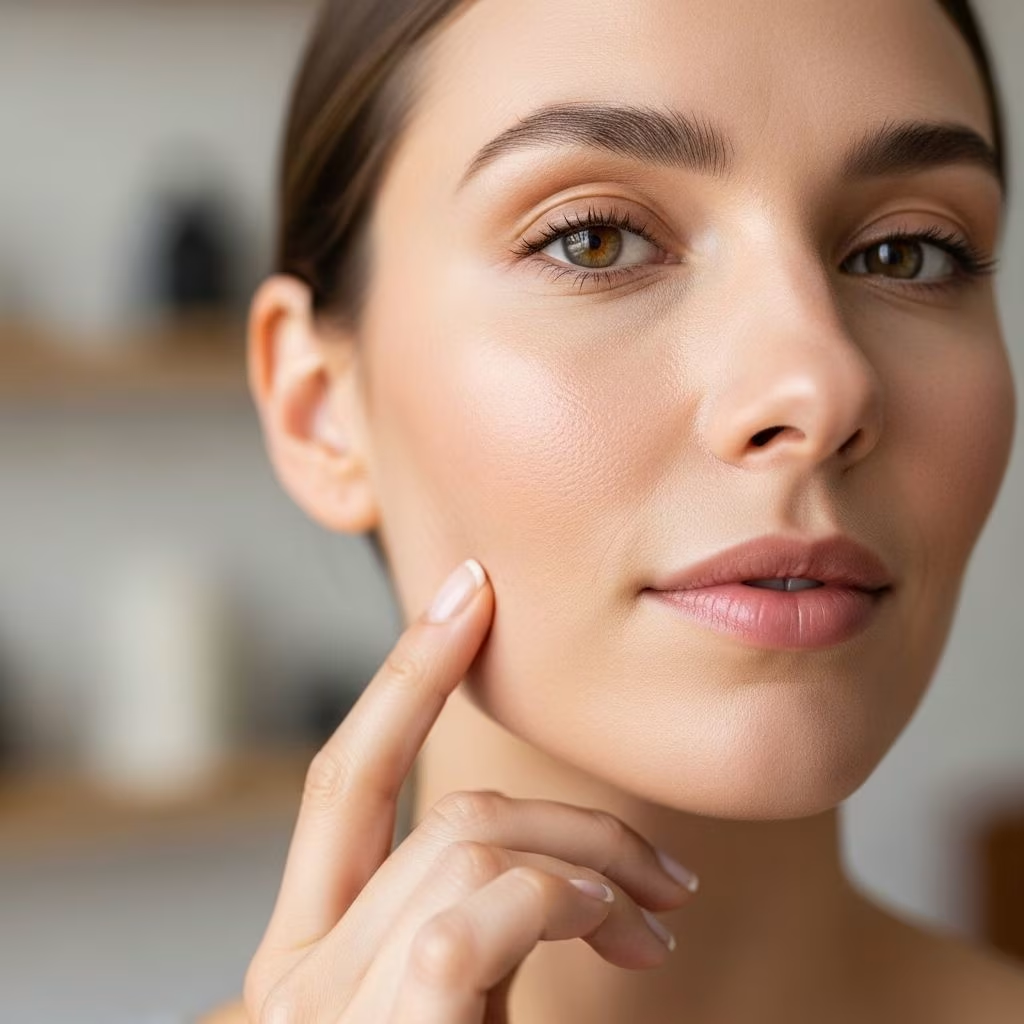
How to Lose Face Fat: Expert-Backed Strategies and Myths Debunked
Many people desire a slimmer face or wish to lose stubborn fat from the cheeks, chin, or neck. Whether driven by aesthetics, health goals, or photography ambitions, the quest to lose face fat is one of the most frequently searched topics in weight loss and beauty. While countless remedies and devices promise a chiseled jawline or sculpted cheeks, what does the science actually say? This comprehensive guide explores the realities, debunks common myths, and provides expert-backed methods for achieving and maintaining a slimmer face.
Understanding Face Fat: What Causes a Fuller Face?
Before diving into strategies, it is crucial to distinguish between fat and other causes of a fuller-looking face. Key contributors include:
- Genetics: The natural shape of your face, fat distribution, and bone structure are largely determined by your genes.
- Overall Body Weight: Gaining or losing weight is generally reflected throughout the body, including the face.
- Water Retention/Bloating: High sodium intake, hormonal fluctuations, and dehydration can cause the face to look puffy.
- Aging: As skin loses elasticity and muscle tone, the face may appear fuller, even without additional fat accumulation.
- Lifestyle Factors: Diet, sleep, stress, and alcohol consumption all affect facial appearance and fluid retention.
Can You Truly Target Face Fat?
Spot reduction—the idea you can lose fat from a specific area by focusing exercises or treatments there—is widely debunked by science. Fat is lost throughout the body as a result of overall calorie deficit.
According to experts and multiple studies, the best way to achieve a slimmer face is to lower total body fat through healthy, sustainable lifestyle changes.
Top Evidence-Backed Strategies to Slim Your Face
1. Facial Exercises: Benefits and Limitations
Facial exercises, or “face yoga,” have gained popularity for their potential to tone facial muscles, promote a youthful look, and improve muscle strength. Typical exercises include:
- Cheek Puff: Puff air into your cheeks and move it from side to side.
- Lip Movements: Pucker your lips to each side for 10 seconds.
- Smile Hold: Clench your teeth and smile broadly for several seconds.
- Neck Stretch: Tilt your head back, press your tongue to the roof of your mouth, and hold.
Initial research suggests facial exercises may help improve facial muscle tone, enhance appearance, and boost fullness in certain areas, particularly in middle-aged women. However, there is no strong scientific evidence that these exercises alone eliminate fat deposits from the face.
2. Cardio Exercise: Burn Calories, Lose Fat Everywhere
Cardiovascular activity is a cornerstone of weight loss and is especially useful for those aiming to reduce total body fat, which will consequently lead to a leaner face. Effective forms of cardio include:
- Brisk walking or power walking
- Jogging and running
- Cycling
- Swimming
- Dancing or aerobic workouts
Consistent cardio—150 minutes per week is recommended by most health guidelines—paired with a calorie-controlled diet, is the most reliable route to decrease facial fat.
3. Nutrition: Make Your Diet Face-Friendly
While no food magically melts fat off your face, your diet plays a significant role in both your weight and facial appearance. Focus on the following dietary principles:
- Eat Whole Foods: Choose fruits, vegetables, lean proteins, and whole grains over processed foods.
- Limit Added Sugar and Refined Carbs: Sugar-sweetened beverages, baked goods, and refined grains can spike insulin and promote fat storage in the body, including the face.
- Watch Sodium Intake: High-sodium diets can cause water retention, resulting in puffiness, especially in the face and under the eyes. Opt for home-cooked meals and read labels.
- Increase Fiber: High-fiber foods promote fullness and help regulate weight. Examples include beans, lentils, whole grains, and most fruits and vegetables.
- Lean Protein: Helps preserve muscle mass during weight loss, contributing to a more toned appearance.
4. Hydration: Drink More Water
Staying hydrated can reduce facial bloating, support metabolism, and help promote satiety. When dehydrated, your body is more likely to retain water, manifesting as puffiness in the face. Aim for 6–8 glasses of water per day, or more if active.
5. Cut Back on Alcohol
Alcohol contributes to face puffiness and weight gain in several ways:
- Dehydration: Alcohol is a diuretic, causing your body to lose water and then retain it to compensate.
- Extra Calories: Alcoholic drinks are often high in calories and low in nutrients.
- Increased Appetite: Alcohol may lower inhibitions and contribute to overeating.
For best results, stick to moderation: up to one drink a day for women and up to two for men, as recommended by health authorities, or cut back more if possible.
6. Get Enough Sleep
Consistent, adequate sleep supports weight management, hormone regulation, and reduces inflammation, all of which can impact your face’s appearance. Studies suggest that lack of sleep increases cortisol (the stress hormone), which can contribute to weight retention and facial swelling. Aim for 7–9 hours per night.
7. Watch Your Salt Intake
A high-salt diet can cause fluid retention and puffiness. Reducing sodium—particularly in processed foods, restaurant meals, and salty snacks—can have a noticeable slimming effect on the face. Focus on fresh, whole ingredients and season with herbs instead.
8. Manage Overall Calorie Intake
The bottom line for losing face fat: create a calorie deficit, where you burn more calories than you consume. This will trigger your body to use up stored fat from multiple areas—including the face. Sustainable strategies include:
- Tracking your food and drink intake
- Eating mindfully and slowly
- Choosing nutrient-dense, low-calorie foods
- Avoiding sugary drinks and high-calorie snacks
Intermittent Fasting: Can It Help Slim Your Face?
Research suggests intermittent fasting (restricting eating to certain windows, e.g., 8–10 hours per day) can promote weight loss for some people. A study published in the Annals of Internal Medicine found that a 10-hour eating window produced results comparable to daily calorie counting, including fat loss. While it won’t specifically target your face, improved overall body composition can result in a leaner facial appearance.
Myths About Losing Face Fat
- Myth: Facial tools and devices can melt away fat.
Fact: While gua sha and jade rollers can reduce temporary puffiness via lymphatic drainage, they do not burn fat or provide permanent slimming effects. - Myth: Spot reduction is possible with localized exercises.
Fact: There is no scientific evidence that exercising a specific body part eliminates fat from that area alone. - Myth: Special diets or superfoods can specifically target face fat.
Fact: Only a consistent calorie deficit across your whole diet will lead to fat loss, which shows up throughout the body, including the face.
Sample Day: Face-Friendly Habits
- Morning: Start the day with a large glass of water. Choose oatmeal with berries for breakfast. Perform a short series of facial exercises.
- Afternoon: Fill your lunch plate with leafy greens, grilled chicken, or tofu. Go for a brisk lunchtime walk.
- Evening: Make a low-sodium homemade dinner with lots of vegetables. Limit alcohol and opt for herbal tea. Practice good sleep hygiene for adequate rest.
Frequently Asked Questions (FAQs)
Q: Can I actually lose fat from just my face?
A: No, spot reduction is not possible. To lose face fat, focus on overall weight loss and healthy lifestyle changes. As you lower total body fat, you’re likely to notice a slimmer face.
Q: Do facial exercises really work for fat loss?
A: Facial exercises may improve muscle tone and tighten the skin, but there is no solid evidence they directly reduce fat in the face. Their main benefit is likely cosmetic, not fat-burning.
Q: How long will it take to see a difference in my face?
A: This varies widely. Since face fat loss is dictated by overall body fat loss, some people notice changes within a few weeks, while for others it takes longer, depending on genetics, dietary habits, and level of overall physical activity.
Q: Will drinking more water make my face slimmer?
A: Staying hydrated can reduce water retention and puffiness, helping the face appear slimmer. However, it does not “burn” fat.
Q: What about slimming tools, rollers, or creams?
A: Most tools and creams provide only temporary reduction in puffiness via massage, not actual fat loss. Consistent diet and exercise habits are more effective for lasting results.
Key Takeaways
- You cannot choose where your body loses fat—spot reduction is a myth.
- The surest way to achieve a slimmer face is through overall weight loss: eat well, move more, sleep sufficiently, and stay hydrated.
- Minimize salt and alcohol, and prioritize whole, unprocessed foods.
- Facial exercises may help tone and rejuvenate facial muscles, but should be seen as a supplement, not a primary fat-loss strategy.
When to Seek Professional Advice
If you are struggling with overall weight loss, have unexplained weight changes, or notice significant swelling in the face or body, consult with a healthcare professional or registered dietitian. Sometimes, medical conditions (such as thyroid disorders or Cushing’s syndrome) may cause changes in facial appearance that require targeted treatment.
References
- https://www.medicalnewstoday.com/articles/326262
- https://www.healthline.com/nutrition/lose-fat-in-face-cheeks
- https://www.prevention.com/weight-loss/a44693997/lose-fat-in-face/
- https://www.webmd.com/diet/obesity/features/can-you-lose-fat-in-your-face
- https://www.prevention.com/beauty/skin-care/a63833046/beef-tallow-for-skin/
- https://www.prevention.com/health/a42673794/what-is-ozempic-face/
- https://www.aarp.org/health/healthy-living/how-to-lose-face-fat/
- https://pmc.ncbi.nlm.nih.gov/articles/PMC3047950/
- https://www.health.harvard.edu/staying-healthy/why-your-face-ages-and-what-you-can-do


