


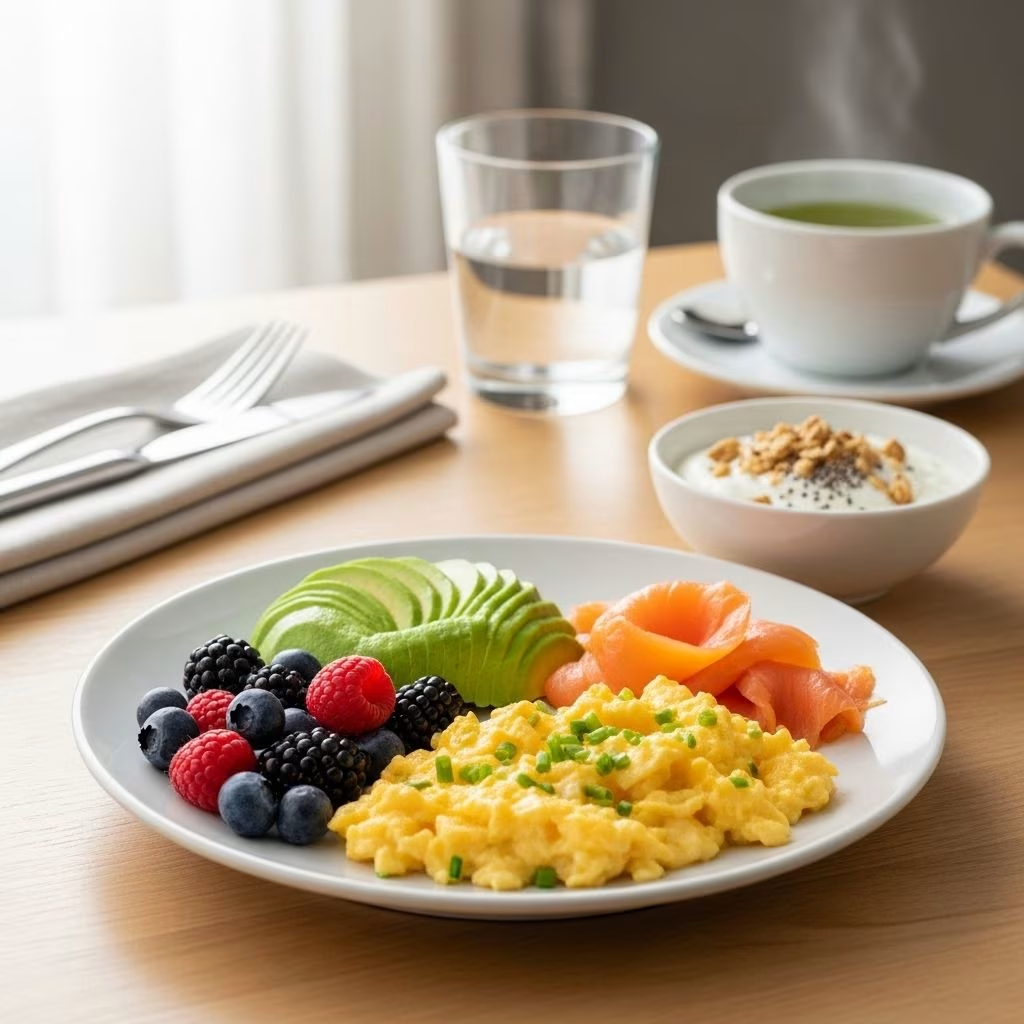
How High-Protein Breakfasts Curb Cravings and Boost Weight Loss
Eating breakfast is often touted as a cornerstone of successful weight loss, but mounting research suggests the type of breakfast you choose—especially one high in protein—plays a critical role in appetite control and cravings throughout the day. This article dives into the evidence supporting high-protein breakfasts, the science behind appetite regulation, and practical meal ideas to help you feel fuller and eat healthier.
Why Breakfast Matters for Weight Loss
It’s well-established that regular breakfast consumption is linked to healthier body weight, but new studies highlight that beginning your day with protein may be even more essential.
- Skipping breakfast can lead to increased craving for sweet and savory foods later in the day.
- Those who eat breakfast—particularly with adequate protein—report greater fullness and satiety, reducing the urge to snack on unhealthy treats before lunch.
- Eating breakfast helps moderate your body’s fat-storing processes; skipping meals may signal your body to conserve calories and store fat.
Protein: The Key to Curbing Cravings
Protein is a uniquely satiating macronutrient. Consuming it in the morning delivers several key benefits:
- Suppresses appetite for several hours, helping you get to lunch without excessive snacking.
- Increases levels of reward hormones in the brain—like dopamine—encouraging feelings of fullness and discouraging unhealthy cravings.
- Reduces activity in brain regions responsible for food cravings, as seen in functional MRI imaging studies.
- Supports consistent blood sugar levels, minimizing energy crashes that drive desires for sweets or processed snacks.
The Science: How Protein Regulates Appetite and Satiety
Recent research from the University of Missouri and other institutions has shed light on how high-protein breakfasts influence appetite regulation and eating behavior.
- Women who ate a protein-rich breakfast (35g compared to the standard 13g) had notably lower cravings for sweet and savory foods than those who skipped breakfast.
- Protein intake at breakfast was associated with increased satiety hormones and improved dopamine-related metabolites, which help regulate fullness and the desire to eat.
- These positive effects lasted up to four hours, meaning less temptation to reach for unhealthy snacks before lunch.
- Even among overweight or obese breakfast-skipping teens, a high-protein breakfast led to fewer calories consumed at lunch and better appetite control throughout the day.
Hormonal Changes:
- Protein-rich meals support the regulation of two key appetite hormones: ghrelin (stimulates hunger) and leptin (promotes fullness).
- Proper balance of these hormones after a protein-rich breakfast reduces the cycle of starvation, bingeing, and overeating that often follows low-protein or skipped breakfasts.
Brain Chemistry and Reward Mechanisms
Research using functional MRI highlights that eating protein in the morning can quiet brain regions that drive food motivation and reward-seeking behaviors. This leads to:
- Lower psychological desire to eat high-fat or high-sugar foods later in the day.
- Improved dietary choices and reduced calorie intake at subsequent meals.
From Skipping to Satiation: Why Many People Miss Breakfast
Despite growing evidence, roughly 60% of adolescents and many adults still skip breakfast daily. This pattern has been linked to:
- Unhealthy snacking throughout the day
- Increased risk of overeating in the evening
- Greater likelihood of weight gain and obesity
Making breakfast—especially one high in protein—a priority can break these cycles and improve overall dietary quality.
Best High-Protein Breakfast Foods
Choosing the right foods is vital for reaping the full benefits of a protein-rich breakfast. Nutrition experts recommend a variety of accessible options:
- Eggs: Scrambled, boiled, or as omelets—one of the highest sources of breakfast protein
- Greek Yogurt: Choose plain or lightly sweetened varieties for maximum protein
- Cottage Cheese: Mix with fruit or nuts for added flavor and nutrition
- Protein Shakes: Quick, customizable, and ideal for busy mornings
- Lean Meat: Small amounts of lean beef or pork sausage add variety
- Oatmeal with Soy Milk & Walnuts: Alternate plant-based source rich in fiber and healthy fats
- Protein Bars: Be mindful to select bars with adequate protein and minimal added sugars
Sample Protein-Packed Breakfasts (Table)
| Meal Idea | Protein (grams) | Calories (approx.) |
|---|---|---|
| 2 eggs + 1 slice whole wheat toast | 13 | 220 |
| 1 cup Greek yogurt + 1/4 cup granola | 20 | 250 |
| Protein shake (protein powder + 1 cup milk) | 25-35 | 200-300 |
| Cottage cheese bowl w/ fruit & nuts | 16 | 230 |
| Oatmeal (w/ soy milk & walnuts) | 12 | 210 |
| Lean turkey or chicken sausage + eggs | 18 | 270 |
9 Great High-Protein Breakfast Ideas
- Vegetable omelet with lean turkey
- Greek yogurt parfait with berries and chia seeds
- Breakfast burrito with eggs, beans, and salsa
- Protein pancakes (using protein powder or cottage cheese)
- Tofu scramble with spinach and mushrooms
- Whole-grain toast topped with cottage cheese and tomatoes
- Smoked salmon with eggs on rye bread
- High-protein oatmeal bowl (add nuts, seeds, and protein powder)
- Quinoa breakfast bowl with nuts and fresh fruit
Practical Tips to Ensure Enough Protein at Breakfast
- Plan breakfast ahead of time—prep ingredients or assemble parts the night before.
- Combine sources for variety, like eggs with yogurt or cottage cheese with fruit.
- Choose whole foods over processed options; limit refined carbs and added sugars.
- Batch-cook protein-rich items (like hard-boiled eggs) for fast grab-and-go meals.
- Aim for at least 20–35 grams of protein per breakfast for optimal effect.
Potential Challenges and Solutions
- Time constraints: Use quick options like protein shakes, bars, or overnight oats.
- Lack of appetite in the morning: Start with lighter options, such as yogurt or fruit with protein powder, and gradually work up to larger meals.
- Picky eaters: Mix protein into familiar foods (smoothies, pancakes, wraps).
- Budget concerns: Eggs, beans, and cottage cheese offer affordable protein sources.
Frequently Asked Questions (FAQs)
Q: Can high-protein breakfasts help with weight loss?
A: Yes, research shows that protein-rich breakfasts improve appetite control and satiety, reducing cravings and overeating, which supports weight loss.
Q: What is the ideal amount of protein for breakfast?
A: Studies suggest aiming for 20–35 grams of protein to maximize fullness and reduce cravings.
Q: What if I don’t have much time in the morning?
A: Quick options include overnight protein oats, smoothies, protein bars, or pre-cooked eggs for grab-and-go convenience.
Q: Is eating protein in the morning better than other times of day?
A: Protein at breakfast specifically helps regulate appetite and reduces snacking later in the day, making it an effective strategy for weight management.
Q: Are there plant-based protein options for breakfast?
A: Absolutely! Try tofu scrambles, soy milk, nut butters, beans, lentils, and protein-fortified cereals or oats as excellent plant-based sources.
Takeaway: Make Protein Your Priority Each Morning
Scientific studies consistently confirm that starting your day with protein-packed meals can level out hunger hormones, curb cravings, and help you make better food choices—not just in the morning, but all day long. With countless meal ideas and accessible ingredients, making breakfast your secret weapon for weight loss and appetite control has never been easier.
References
- https://southdenver.com/high-protein-breakfasts-could-improve-appetite-control/
- https://munewsarchives.missouri.edu/news-releases/2011/0518-eat-a-protein-rich-breakfast-to-reduce-food-cravings-prevent-overeating-later-mu-researcher-finds/index.html
- https://pmc.ncbi.nlm.nih.gov/articles/PMC3718776/
- https://www.prevention.com/weight-loss/a20477861/breakfast-protein-helps-beat-cravings-for-weight-loss/
- https://engagement.source.colostate.edu/want-to-stop-craving-snacks-and-sweets-a-high-protein-breakfast-could-help/
- https://www.prevention.com/food-nutrition/healthy-eating/g23709836/high-protein-breakfasts/
- https://www.health.harvard.edu/staying-healthy/extra-protein-at-breakfast-helps-control-hunger
- https://drbrighten.com/breakfast-with-30-grams-of-protein/


