


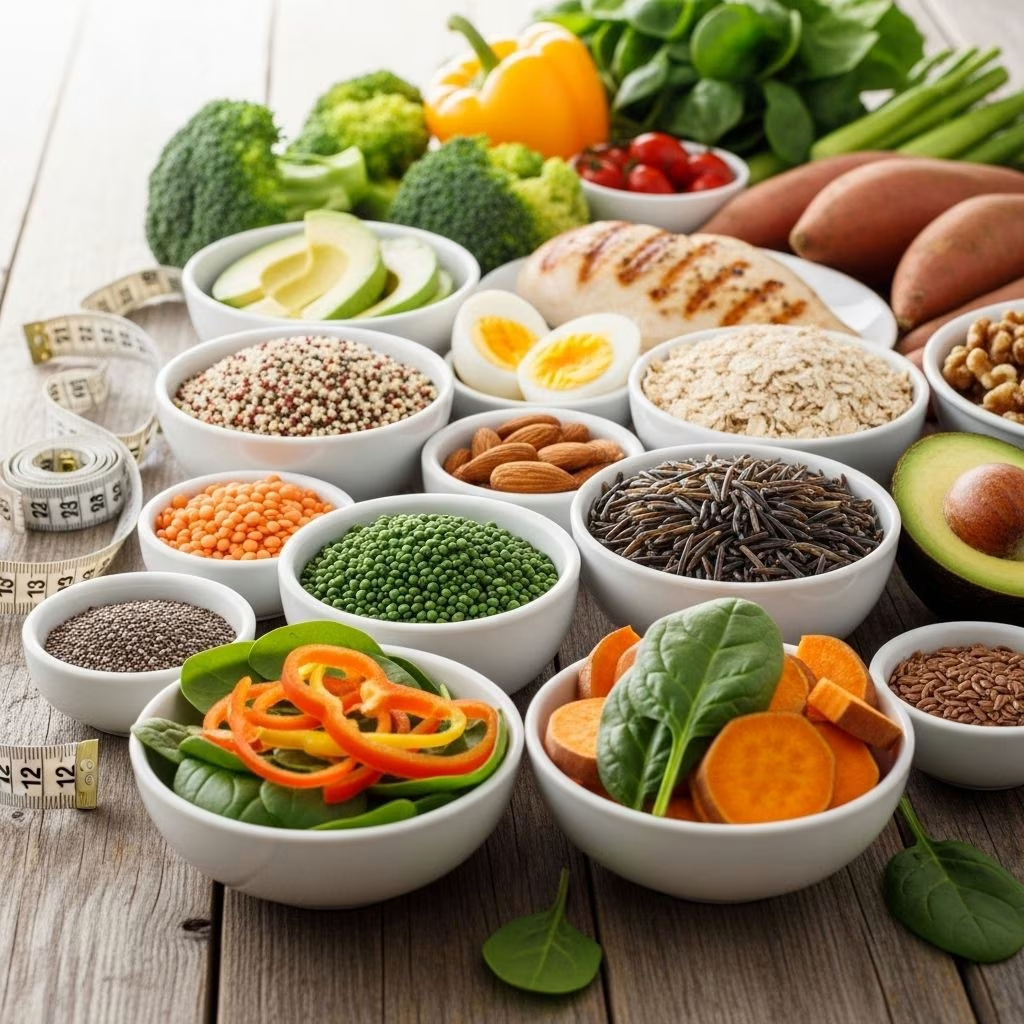
Carbohydrates have long been the focal point of modern dieting trends, with low-carb and keto regimes instructing people to shun bread, pasta, and potatoes in the name of weight loss. But what if you could still eat your favorite carbs and slim down effectively? Enter the Skinny Carbs Diet—a smarter approach to carbs, designed for lasting weight loss, higher satisfaction, and a healthier relationship with food. This guide reveals the secrets to eating carbs the right way, offers meal ideas, and tackles common questions so you can embrace this balanced strategy and shed pounds without deprivation.
What Are Skinny Carbs?
Skinny carbs are not a new superfood or a miracle supplement. Rather, the term refers to naturally occurring carbohydrates that are digested slowly and provide long-lasting fullness. The concept is rooted in the discovery that not all carbs are created equal: the right carbs can help you lose weight, while the wrong ones can sabotage your efforts.
- Skinny carbs are high in resistant starch and fiber.
- They break down slowly, resulting in a gradual rise in blood sugar and insulin levels.
- They keep you full longer, curb cravings, and even help burn more fat by reducing overall calorie intake.
- Examples include beans, lentils, certain whole grains, green bananas, and cooled starchy vegetables (like potatoes and rice).
By focusing on skinny carbs instead of avoiding all carbs, you can craft a sustainable way to lose weight and keep it off.
The Science Behind Skinny Carbs
At the heart of the Skinny Carbs Diet is resistant starch—a special type of carbohydrate that resists digestion in the small intestine. It passes into the large intestine, where it:
- Feeds beneficial gut bacteria, which may support overall digestive health.
- Promotes fat-burning hormones, helping convert stored fat into energy.
- Triggers greater satiety (fullness), making it easier to eat less without feeling deprived.
Resistant starch is linked to improved glucose metabolism, reduced belly fat, and better overall body composition. Studies suggest that diets rich in skinny carbs may enhance weight loss outcomes compared to ultra low-carb or high-sugar alternatives.
Benefits of the Skinny Carbs Diet
- Weight Loss Without Deprivation: The Skinny Carbs Diet allows you to keep pasta, bread, and potatoes on your plate—so you never feel deprived.
- Improved Satiety: Skinny carbs curb hunger and cravings, helping you control portions and break cycles of overeating.
- Sustained Energy: Slow-digesting carbs prevent the “crash” associated with simple sugars, giving you steady energy all day long.
- Better Gut Health: Resistant starch nourishes helpful gut bacteria, potentially improving digestion and immune function.
- Balanced Blood Sugar: Gradual digestion leads to smaller blood sugar spikes, which supports metabolic health and reduces risk for diabetes.
How to Follow the Skinny Carbs Diet
This diet isn’t about restriction—it’s about being carb smart. Follow these strategies to maximize the benefits:
- Prioritize Resistant Starch: Seek out foods rich in resistant starch (see the list below) for each meal.
- Cook, Then Cool Starches: Chilling cooked potatoes, rice, and pasta boosts their resistant starch content. Reheat them gently or enjoy cold for a greater slimming effect.
- Combine Carbs with Protein & Healthy Fats: Pairing skinny carbs with protein and fat further blunts blood sugar spikes and enhances satiation.
- Avoid Highly Processed Carbs: Minimize white bread, pastries, sweetened cereals, and candies—these make you hungrier and thwart weight loss goals.
- Watch Your Portions, Not Your Food List: You don’t need to banish foods forever; just swap frequently for better alternatives and use portion sense.
Skinny Carbs Shopping List
- Legumes: lentils, chickpeas, black beans, navy beans, cannellini beans
- Whole Grains (preferably cooled): barley, brown rice, quinoa, wild rice, oats
- Starchy Vegetables (cooked and cooled): new potatoes, sweet potatoes, yams, corn
- Fruits: green bananas, plantains (especially when less ripe)
- Pasta: whole-grain or high-fiber pasta—cooked and cooled
What an Average Day Looks Like: Skinny Carbs Meal Plan
Wondering how to build your plate? Here’s a sample menu based on the Skinny Carbs Diet principles:
| Meal | Options |
|---|---|
| Breakfast |
|
| Lunch |
|
| Dinner |
|
| Snack |
|
Smart Swaps: How to Eat More Skinny Carbs
Small changes can have a big impact. Try these healthy switches to increase your intake of resistant starch:
- Swap white rice for chilled brown rice or wild rice.
- Serve cold potato salad made with olive oil and vinegar instead of hot mashed potatoes.
- Choose whole grain pasta and cool it before serving (in a grain salad or with veggies).
- Enjoy beans and lentils in soups, stews, or salads several times per week.
- Experiment with unripe bananas in smoothies for a fiber-rich, creamy treat.
Frequently Asked Questions (FAQs)
Q: Do I have to give up bread and pasta forever?
A: No. The Skinny Carbs Diet encourages smarter carb choices, not total restriction. Enjoy bread and pasta in their whole-grain forms, especially when cooked and cooled, for greater resistant starch benefits.
Q: Can I eat fruit on the Skinny Carbs Diet?
A: Absolutely! Focus on low-sugar, high-resistance-starch options like green bananas and add seasonal fruit in moderation.
Q: How soon will I lose weight on this plan?
A: Many people notice decreases in cravings and better portion control quickly, which can lead to weight loss within a few weeks, depending on overall calorie intake and activity level.
Q: Will I feel hungry all the time?
A: Most people report feeling fuller longer thanks to the slow-digesting nature of skinny carbs. Be sure to include some healthy fats and protein with each meal for best results.
Q: Is this diet suitable for everyone?
A: The Skinny Carbs Diet is safe for most healthy adults, but always consult your doctor, especially if you have diabetes or a metabolic disorder.
Tips to Maximize Your Success on the Skinny Carbs Diet
- Meal Prep: Batch cook skinny carbs like brown rice, lentils, and potatoes in advance. Chill them for at least several hours to increase resistant starch.
- Watch Toppings: Use healthy add-ons such as olive oil, vinaigrettes, and fresh herbs instead of calorie-laden sauces and cheeses.
- Listen to Your Body: Eat when you’re hungry and stop when you’re satisfied. The fullness effect of skinny carbs helps you tune in to your actual needs.
- Stay Hydrated: Adequate water intake assists with digestion and can support feelings of fullness.
- Enjoy Variety: Rotate different beans, grains, and vegetables to keep meals interesting and nutritionally balanced.
Common Mistakes and How to Avoid Them
- Relying on Processed ‘Low-Carb’ Products: These often contain added sugars, unhealthy fats, and little real fiber. Prefer whole foods whenever possible.
- Forgetting Portion Control: Even with healthy carbs, calories matter for weight loss. Use mindful serving sizes.
- Neglecting Protein: Balance meals with lean proteins for stable blood sugar and optimal satiety.
- Skipping Meals: Eating regular meals with skinny carbs prevents energy dips and compensatory overeating.
- Neglecting Preparation Techniques: Remember cooking then chilling starchy foods is key to boosting their resistant starch content.
Skinny Carbs vs Traditional Diets: Key Differences
| Skinny Carbs Diet | Traditional Low-Carb | |
|---|---|---|
| Focus | Quality & preparation of carbs | Overall carb quantity |
| Allowed Foods | Whole grains, beans, cooked-then-cooled starches | Strictly limits or eliminates grains and starches |
| Satiety | High—thanks to resistant starch & fiber | Varies, often leads to rapid hunger |
| Flexibility | Sustainable, fewer food group restrictions | Restrictive, often hard to maintain long-term |
| Weight Loss | Steady and lasting, less yo-yo dieting | Rapid at first, but often rebounds after quitting |
Success Stories: Real-Life Skinny Carbs Transformations
- Maria, 42: Lost nearly 20 pounds in three months by swapping her white bread for cooled brown rice and eating more beans, reporting less daytime hunger and better energy.
- James, 29: Lowered his cholesterol while enjoying homemade lentil soup and barley salads, saying the lack of restriction kept him motivated.
- Susan, 51: Saw her cravings for sweets decrease after a month of including cooled potatoes and green bananas in her smoothies and snacks.
Conclusion: Why the Skinny Carbs Diet Works
The Skinny Carbs Diet offers a refreshing alternative to restrictive plans that set you up for failure. By embracing foods high in resistant starch and fiber, you satisfy your appetite, keep energy high, and favorably shift your metabolism for sustained weight loss. Remember, it’s not about avoiding carbs—it’s about choosing the right ones, preparing them smartly, and enjoying food without guilt.
More FAQs about the Skinny Carbs Diet
Q: Can kids and teens use the Skinny Carbs Diet?
A: Yes, but focus on overall balance and variety to meet their growth and energy needs. Always encourage a healthy relationship with food, emphasizing that no food is “bad.”
Q: Is exercise required to lose weight on the Skinny Carbs Diet?
A: Physical activity complements any weight loss plan and supports overall health, but the major changes come from diet quality and portion control. Move in ways you enjoy for the best results!


