


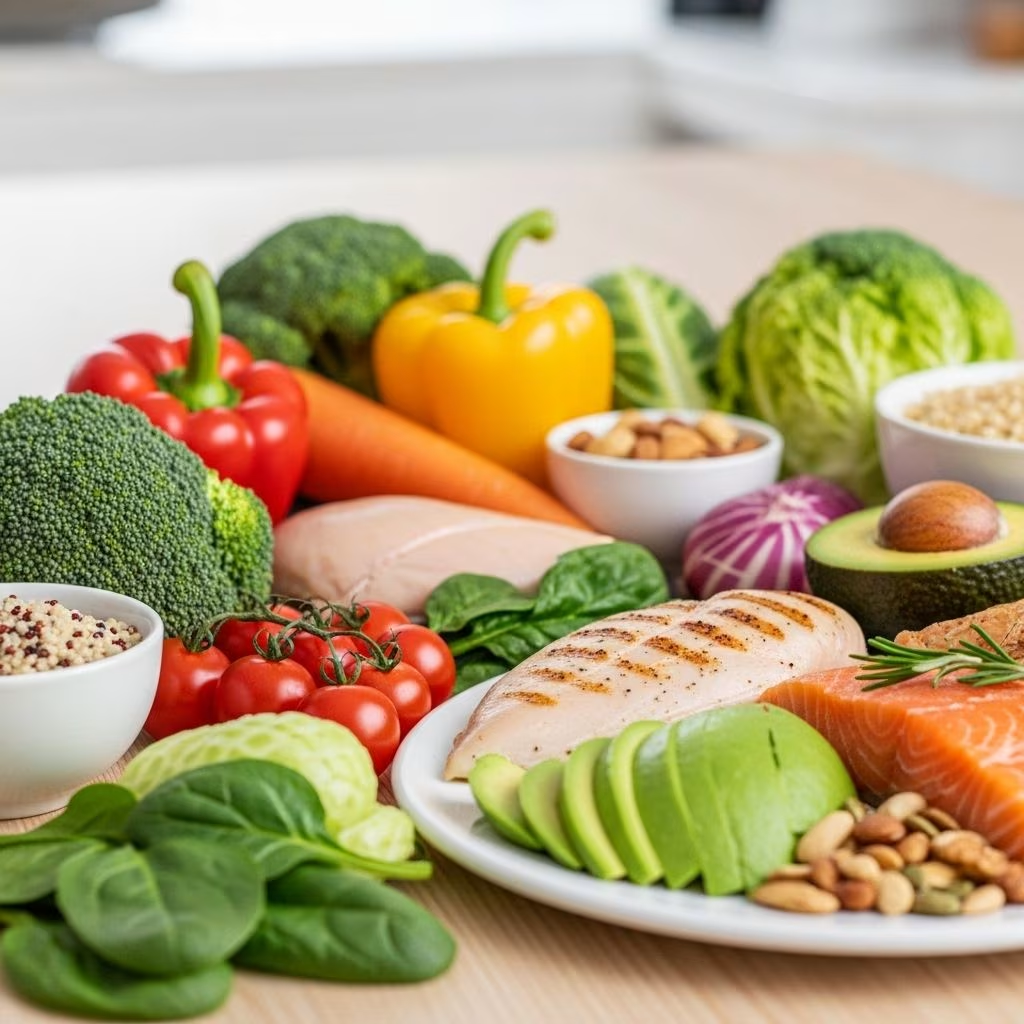
Eat More to Lose Weight: Strategies for Sustainable Slimming
Contrary to what many restrictive diets suggest, eating more—not less—can actually be the secret to long-term weight loss. Instead of depriving your body or cutting out whole food groups, focusing on consuming more nutrient-dense, fiber-rich, and satisfying foods can help you shed pounds, keep your metabolism firing, and avoid the pitfalls of cravings and hunger pangs. This comprehensive guide explains why eating more works, what foods and habits to prioritize, and how to practically apply these principles for lifelong results.
Why Eating More Can Lead to Weight Loss
Many people who struggle with weight loss are caught in a cycle of restrictive dieting followed by overeating. In an effort to lose weight quickly, they cut back drastically on calories or eliminate entire food groups—only to end up bingeing on forbidden foods and feeling frustrated about stalled progress. The reality is:
- Severely restricting calories slows your metabolism and can lower your energy, making weight loss even harder.
- Restrictive diets can lead to increased cravings and eventual overconsumption when willpower wears out.
- Eating more of the foods your body truly needs (and even moderate amounts of things you love, like chocolate) can keep you satisfied and on track toward your goals.
The goal should not be eating less overall, but eating more of the right foods and adopting sustainable lifestyle habits that promote steady, healthy fat loss.
5 Proven Ways to Eat More and Still Lose Weight
Instead of focusing on restriction, use these practical strategies to eat confidently and slim down:
1. Load Up on Fiber
Fiber is a weight-loss powerhouse, and its benefits are twofold:
- Increases Satiety: High-fiber foods demand more chewing, giving your brain a chance to register fullness before you overeat. Fiber also slows the digestion and absorption of sugar, keeping you feeling satisfied longer.
- Promotes Healthy Digestion: Fiber helps maintain digestive health and regulates blood sugar, minimizing energy crashes and cravings.
Research shows people with higher fiber intakes typically weigh less, likely because fiber-rich foods are generally low in calories but filling. Try these tips to up your daily fiber:
- Add a piece of fruit (like an apple or berries) to your breakfast.
- Include a cup of sliced veggies with your lunchtime sandwich or soup.
- Make dinner half vegetables—think a green salad and a roasted vegetable side.
2. Prioritize Water-Rich Foods
Adding foods high in water content (like fruits and vegetables) to your meals increases volume without adding many calories. This fills you up, helps control appetite, and boosts hydration. Examples include:
- Cucumbers
- Watermelon
- Strawberries
- Lettuce
- Zucchini
Replacing calorie-dense options with water-rich produce creates satisfying meals that naturally support weight loss.
3. Eat Breakfast Like a Boss
Don’t skip breakfast—starting your day with a balanced meal has several advantages:
- Kickstarts Metabolism: Eating in the morning revs up your metabolic rate and sets a positive tone for the day.
- Prevents Overeating Later: Breakfast eaters are less likely to feel ravenous and binge in the afternoon or evening.
Choose high-protein, fiber-rich breakfasts, such as Greek yogurt with berries, scrambled eggs with vegetables, or oatmeal topped with nuts and fruit.
4. Fill Your Plate with Nutrient-Dense Foods
Instead of obsessing over portion size, focus on what goes onto your plate. You should fill at least half your plate with non-starchy vegetables, which are nutrient-dense yet low in calories. This strategy:
- Helps you eat larger portions—without overeating calories.
- Provides lasting satiety and vital nutrients.
- Avoids the deprivation mindset that dooms most “diet” plans.
For the remaining space on your plate, add a serving of lean protein (like chicken, tofu, or fish) and a portion of healthy, filling carbohydrates (like quinoa, brown rice, or sweet potato) for a balanced, satisfying meal.
5. Enjoy Satisfying Fats (in Moderation)
Healthy fats aren’t your enemy—in fact, they help you feel full and satisfied:
- Including moderate amounts of avocados, nuts, olive oil, and fatty fish can keep cravings and hunger in check.
- Fats help you absorb fat-soluble vitamins and are vital for hormonal balance.
Just remember that while fat is calorie-dense, its satiation power can make it easier to practice portion control overall.
Build Your Plate: Real-Life Meal Strategies
Following the eat-more-to-lose approach means paying attention to what makes up each meal. Here’s how you can apply these principles throughout your day:
Breakfast
- Greek yogurt parfait with berries and walnuts
- Vegetable omelet with a slice of whole grain toast
- Oatmeal with chia seeds, diced apple, and cinnamon
Lunch
- Big green salad topped with grilled chicken, beans, avocado, and vinaigrette
- Turkey and veggie wrap with a side of baby carrots
- Hearty vegetable soup with a small sandwich on whole grain bread
Dinner
- Grilled salmon with roasted asparagus and quinoa
- Stir-fried tofu with broccoli and bell peppers over brown rice
- Lean steak with mixed greens and sweet potato wedges
Snacks
- Fresh fruit with nut butter
- Raw vegetables with hummus
- Cottage cheese with berries
- Handful of mixed nuts
Superfoods to Fuel Your Weight Loss
A sustainable weight loss approach emphasizes foods that support metabolism, curb cravings, and nourish your body. Consider making these superfoods part of your regular rotation:
- Eggs: Packed with protein and vitamin D, eggs keep you energized and satisfied. They make an excellent breakfast or snack.
- Nuts: Loaded with fiber and healthy fats, nuts are ultra-filling and can help stabilize blood sugar between meals.
- Avocados: Rich in hunger-squashing fats and potassium—good for satiety and heart health.
- Dark Chocolate: High in antioxidants (flavonols) and beneficial for heart health; enjoy a small serving to satisfy sweet cravings sensibly.
- Greek Yogurt: Contains more protein than regular yogurt; it helps with fullness and supports muscle maintenance.
Establish Habits That Support Your Metabolism
Nourishing your body is about more than the food on your plate—it’s about adopting habits that support long-term wellbeing:
- Eat Regularly: Aim for 3 meals and 1–4 snacks daily to maintain steady energy and prevent cravings.
- Don’t Skip Meals: Skipping entire meals can spike hunger and lead to overeating later on.
- Write Down What You Eat: Keeping a food journal (via notebook or an app) can help you stay mindful and accountable to your goals.
- Get Sufficient Sleep: Target 7–9 hours of quality sleep nightly—sleep deprivation sabotages metabolism and triggers hormone imbalances that drive hunger.
- Stay Hydrated: Sip water throughout the day. Often, feelings of hunger are actually signs of mild dehydration.
Sample Day: Eating More the Right Way
| Meal | Example | Key Benefits |
|---|---|---|
| Breakfast | Spinach and mushroom egg scramble with whole grain toast and a small orange | Protein, fiber, healthy carbs, vitamin C |
| Morning Snack | Greek yogurt with mixed berries | Protein, antioxidants, calcium |
| Lunch | Quinoa salad with black beans, avocado, bell pepper, and cherry tomatoes | Complex carbs, fiber, healthy fats, plant protein |
| Afternoon Snack | Apple slices with almond butter | Fiber, healthy fats, energy boost |
| Dinner | Grilled chicken breast, roasted broccoli, sweet potato | Lean protein, vitamins, satisfying carbs |
| Evening Snack | Square of dark chocolate with a few walnuts | Satisfying treat, healthy fats, antioxidants |
FAQs: Eat More, Weigh Less
Q: Isn’t eating more just going to lead to weight gain?
A: Not necessarily. When you focus on eating more unprocessed, fiber-rich, and nutrient-dense foods, you’re more likely to be satisfied with fewer overall calories, while supporting metabolism and muscle maintenance.
Q: What foods should I eat more of to lose weight?
A: Prioritize fruits, vegetables, legumes, nuts, lean proteins, and healthy fats. These foods are high in nutrients and fiber and help control hunger.
Q: How often should I eat if I’m trying to lose weight?
A: Most experts recommend 3 balanced meals with 1–4 healthy snacks daily. Consistent eating helps keep blood sugar stable and prevents energy crashes and cravings.
Q: Do I have to give up treats like chocolate?
A: No. Allowing yourself small amounts of treats in moderation—as part of an overall nutritious plan—can help prevent feelings of deprivation and support long-term commitment to healthy eating.
Q: What about carbs? Should I eliminate them?
A: Carbohydrates, especially those that are fiber-rich and minimally processed (like whole grains, beans, and fruits), are essential for energy, digestive health, and satisfaction.
Actionable Tips for Success
- Focus on abundance, not restriction: Fill your plates with foods that nourish and satisfy you。
- Plan ahead: Keep your kitchen stocked with healthy staples—chop veggies, pre-cook whole grains, and prepare snacks in advance。
- Listen to your body’s hunger and fullness cues rather than relying on external calorie-counting alone。
- Incorporate variety to ensure you meet all your nutritional needs and don’t get bored with your meals。
Summary Table: Eat More, Weigh Less—Key Strategies
| Strategy | Why It Works | Examples |
|---|---|---|
| Increase Fiber | Boosts satisfaction and fullness, stabilizes blood sugar | Whole grains, beans, veggies, fruits |
| Eat Water-Rich Foods | Fills you up with fewer calories | Cucumbers, melons, tomatoes, salads |
| Have Breakfast | Reduces impulsive eating, fuels metabolism | Omelet, Greek yogurt, oatmeal |
| Balance Macronutrients | Provides sustained energy and reduces cravings | Lean protein, healthy fats, complex carbs |
| Include Satisfying Fats | Curb hunger, aid nutrient absorption | Avocado, nuts, olive oil, fatty fish |
Final Thoughts
Instead of focusing on eating less and battling hunger, embrace a nourishing approach that features more of the foods your body craves for energy, satiety, and satisfaction. Employing these science-backed strategies will help you achieve lasting health and weight loss—without the misery of traditional dieting. Remember, eating with abundance and awareness is the real secret to a leaner, happier you.
References
- https://www.prevention.com/weight-loss/diets/a27153754/fill-your-plate/
- https://www.prevention.com/weight-loss/a20478945/eat-more-and-lose-weight/
- https://www.prevention.com/weight-loss/a20505318/lose-weight-by-eating-more-fat/
- https://www.prevention.com/weight-loss/diets/a60578947/how-to-lose-weight-fast-safely/
- https://www.prevention.com/weight-loss/a36065492/rethinking-body-weight/
- https://pmc.ncbi.nlm.nih.gov/articles/PMC8017325/
- https://www.prevention.com/weight-loss/diets/a63174975/best-diets-for-weight-loss-2025/
- https://www.prevention.com/weight-loss/
- https://www.prevention.com/weight-loss/g29761485/medical-weight-loss/


