


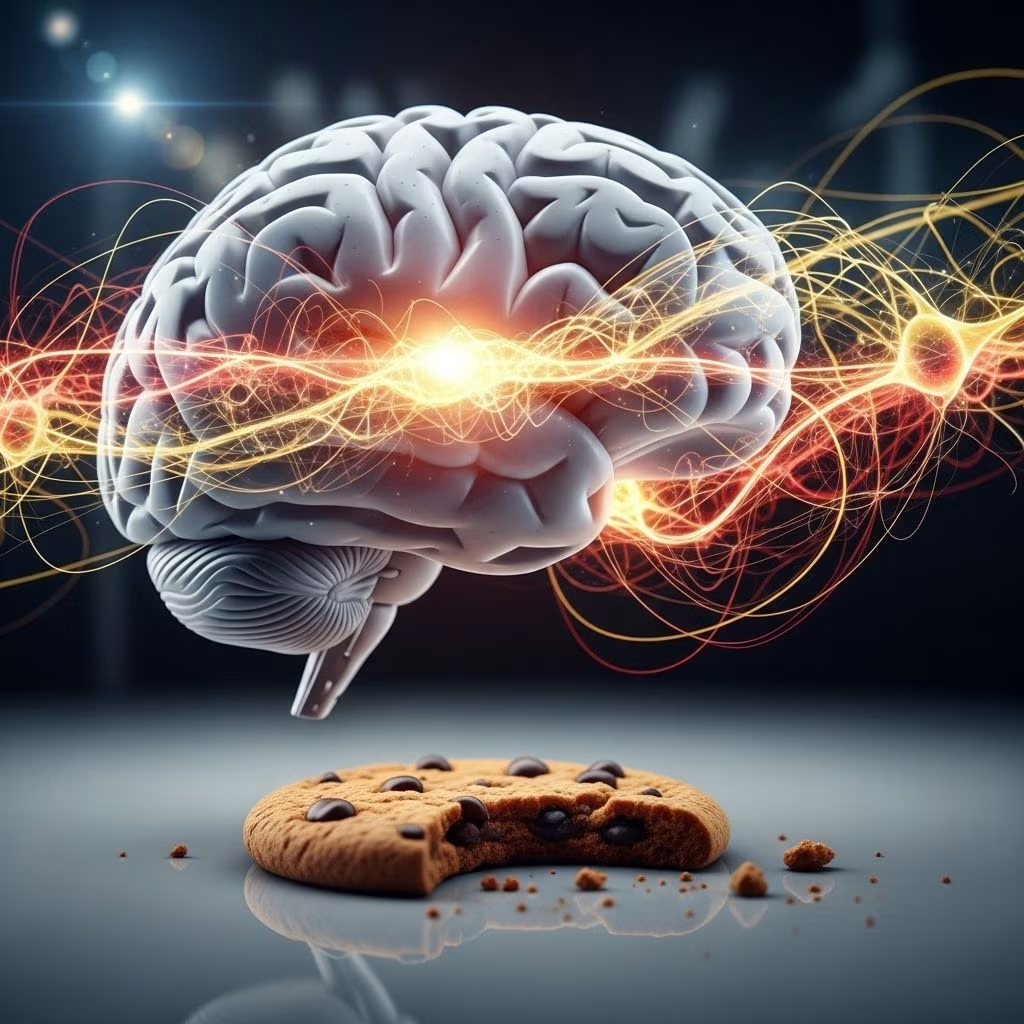
How Your Brain Triggers Overeating: Why Willpower Isn’t Enough
Despite popular belief, overeating is rarely due to a lack of self-control or willpower alone. In fact, a complex web of brain circuits and biological processes powerfully drive us to eat beyond what our bodies need. This article delves into the underlying neuroscience of overeating, revealing how decades of research upends the notion that we simply choose to indulge, and offers actionable guidance for reclaiming control over your eating habits.
The Myth of Willpower: Why Biology Wins
When you reach for another cookie, it can feel like a matter of weak willpower. But research reveals that such behavior is often rooted deep in our neurobiology. The brain has evolved powerful mechanisms to ensure survival, including urge-inducing triggers that once protected our ancestors from famine but now propel many toward overeating, obesity, and diet-related diseases.
- Survival Advantage: Our brains are programmed to seek out high-calorie foods, a trait that increased odds of survival in unpredictable environments.
- Modern Food Landscape: Today’s food environment overloads those evolutionary drives with abundant, highly palatable, calorie-dense options.
The Brain Circuits That Drive Appetite
Scientists have identified several key brain regions that orchestrate our desire to eat. Understanding these can clarify why resisting cravings is so difficult:
- Hypothalamus: Acts as a command center for regulating hunger and fullness, integrating hormonal signals from the body.
- BNST (Bed Nucleus of the Stria Terminalis): New research shows that stimulating this area can trigger intense eating, regardless of hunger, and increases preference for high-fat foods.
- Reward Circuits (Striatum, Nucleus Accumbens, Orbitofrontal Cortex): These are activated by highly palatable foods, especially those high in fat or sugar, producing feelings of pleasure or reward.
- Ventral Hippocampus: Recent discoveries have uncovered so-called “meal memory neurons” that track when and what we last ate, influencing our sense of fullness and timing of the next meal.
How These Systems Interact
When we’re exposed to food cues (like the smell of fresh pizza or an ad for ice cream), the reward and motivation circuits are activated. At the same time, memory circuits recall past pleasurable experiences with these foods, intensifying cravings. If the BNST is especially reactive—or other regulatory brakes are weak—these signals can powerfully override feelings of satiety.
Memory: The Stealthy Driver of Overeating
Memory doesn’t just help you recall where you parked your car—it’s crucial in managing your appetite. The discovery of “meal engrams,” or memory traces of meals, reveals how the brain encodes intricate details about what, when, and how much you’ve eaten. If you forget a meal or your memory traces are disrupted (as may happen due to distraction or neurological issues), you’re much more likely to eat again, even if your body doesn’t need more calories.
- Consequences of Distraction: Eating in front of screens or while multitasking decreases engagement with the meal, weakening these meal memories, and leads to increased intake later.
- Memory Impairments: Those with memory disorders, such as dementia, are particularly vulnerable to overeating for this reason.
Hormones: How the Body Communicates with the Brain
Our digestive system continuously sends real-time updates to the brain about our nutritional state via a stream of hormones and peptides, including:
| Hormone | Source | Effect on Appetite |
|---|---|---|
| Leptin | Fat cells | Signals fullness and long-term energy stores, reduces appetite; may be resisted in obesity |
| Ghrelin | Stomach | “Hunger hormone” – rises before meals, increases appetite |
| PYY, GLP-1, CCK | Intestines | Signal satiety during/after meals |
When the delicate balance of these signals is disrupted—such as in people with obesity, who may develop leptin resistance—biological urges to eat can overpower conscious intent.
Food as Reward: Why Eating Feels Addictive
Eating pleasurable foods stimulates the brain’s dopamine system—the same system involved in drug addiction. Over time, repeated stimulation by processed, high-calorie food may dull our reward response, causing us to seek out even more food in pursuit of the same pleasure. This cycle mirrors addiction pathways and is especially pronounced in those prone to binge eating.
- Dopamine and Overeating: Lower dopamine “reward” receptor availability is linked to increased overeating and weight gain.
- Craving Triggers: Food cues—ads, smells, memories—activate these reward pathways long before you even taste a bite.
Environment: Modern Life Outpaces Ancient Brains
Ancient environments rarely presented an overabundance of food. Now, calorie-rich and ultra-palatable foods are cheap, accessible, and aggressively promoted. Our brains are ill-equipped for this excess, leaving us neurologically vulnerable—especially when:
- We encounter oversized portions and “value meals” everywhere
- Multisensory cues (sights, smells, sounds) continually tempt us
- Social situations normalize constant snacking and celebration eating
- Stress and lack of sleep further disrupt appetite signals
Stress, Emotions, and the Appetite Connection
Stress can drive us to eat for comfort, not just energy. When anxious or upset, the brain shifts processing to more primitive regions, fueling emotional eating or even binge episodes. This is compounded by stress-induced hormone changes, such as elevated cortisol, that intensify cravings for sweet and fatty foods.
- Chronic Stress Effects: Persistently high stress weakens decision-making capacity and upregulates hunger signals.
Why Dieting Alone Often Backfires
Strict calorie-cutting, especially when paired with highly restrictive rules, sends powerful distress signals to your brain:
- Metabolic Adaptation: The hypothalamus senses reduced intake and responds by ramping up hunger and slowing metabolism (a protective ancient mechanism).
- Dopamine Shift: Food deprivation increases the rewarding properties of food, priming you for future binges.
- Rebound Cravings: Trying to “power through” with willpower alone leaves reward, memory, and emotional circuits unaddressed, creating a setup for regaining lost weight—and then some.
How to Take Back Control from Your Brain
While the brain’s drive to overeat is formidable, you can stack the odds in your favor using science-based strategies that strengthen your memory, reduce reward triggers, and honor your body’s signals.
- Eat Mindfully: Fully engage in your meals, minimizing distractions. This strengthens “meal memory” and satisfaction, making overeating less likely.
- Manage Stress Responsively: Develop stress-reduction habits like meditation or exercise, which curb emotional eating and rebalance appetite hormones.
- Restructure Your Environment: Keep tempting foods out of sight, stock your kitchen with wholesome options, and keep portions moderate.
- Practice Self-Compassion: Recognize that lapses are human and avoid the shame-blame cycle that can fuel further overeating.
- Support Your Body’s Rhythm: Get enough sleep, maintain regular meal times, and don’t skip meals to prevent rebound hunger.
- Consider Professional Support: If overeating is impacting your health, consult registered dietitians or therapists specialized in eating behaviors. New therapies and even targeted medications may one day address specific brain circuits involved in appetite.
Frequently Asked Questions (FAQs)
Q: Is overeating mostly due to lack of willpower?
A: No. Neuroscience has shown that powerful, often subconscious, biological drives—including memory, hormones, and reward pathways—play a significant role, overshadowing mere willpower.
Q: What parts of the brain are most involved in overeating?
A: The hypothalamus (regulates hunger), BNST (triggers eating in response to cues), reward centers like the striatum and nucleus accumbens, and regions involved in meal memory, such as the ventral hippocampus, all play key roles.
Q: How does memory affect how much I eat?
A: If you are distracted while eating or forget a meal, you are likely to eat more at your next opportunity. “Meal engrams” in the brain help you recall satiety and timing, curbing unnecessary snacking.
Q: Can diets that dramatically restrict calories change my brain?
A: Yes. Strict dieting can increase your brain’s hunger signals, slow metabolism, and boost the reward value of food, making it very difficult to maintain weight loss through willpower alone.
Q: Are there effective ways to control overeating that target the brain?
A: Yes. Mindfulness, structured eating, stress management, sleep hygiene, and supportive therapy can help modulate brain circuits related to overeating. Emerging treatments may one day specifically target brain pathways involved in pathological overeating.
Key Takeaways
- The brain powerfully influences eating habits—often more than conscious choice.
- Reward, memory, and hormonal circuits can override fullness cues, particularly in today’s food-rich environment.
- Practical strategies like mindful eating, environmental control, and self-compassion can help you regain balance.
References
- https://www.med.unc.edu/neuroscience/unc-scientists-identify-brain-circuitry-that-triggers-overeating/
- https://www.sciencedaily.com/releases/2025/06/250611084115.htm
- https://pmc.ncbi.nlm.nih.gov/articles/PMC4834455/
- https://www.nature.com/articles/npp2016269
- https://med.stanford.edu/news/insights/2023/05/binge-eating-linked-to-habit-circuitry-in-the-brain.html
- https://gsbs.tufts.edu/news-events/news/how-does-your-brain-influence-overeating-and-obesity
- https://pmc.ncbi.nlm.nih.gov/articles/PMC7902428/
- https://www.rockefeller.edu/news/25462-scientists-find-brain-mechanism-naturally-combats-overeating/
- https://www.universityofcalifornia.edu/news/overeating-it-may-be-brain-glitch


