


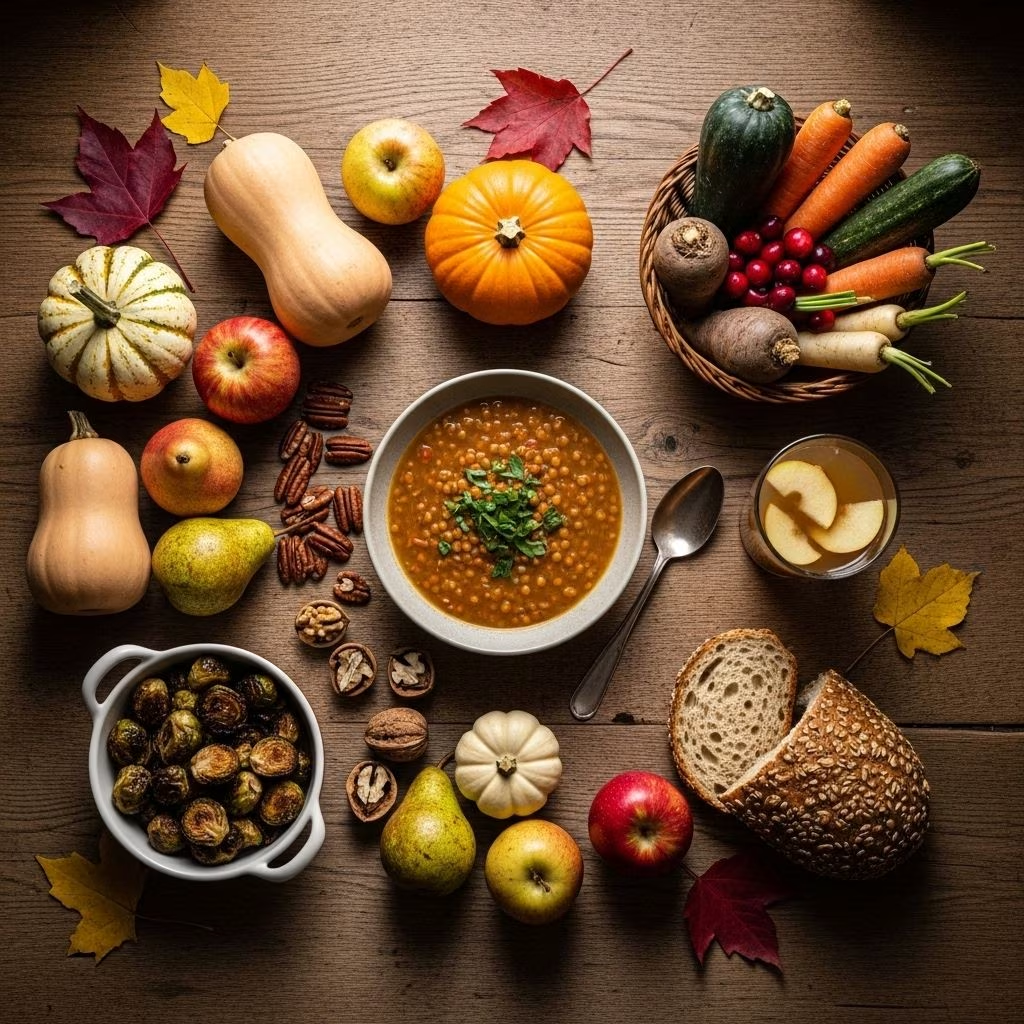
7 Essential Fall Diet Tweaks for Healthier, Heartier Eating
As autumn arrives, the air turns brisk, leaves change color, and our cravings naturally shift from summer salads to warm, comforting dishes. According to experts, adapting your diet to the season isn’t just about satisfying these cravings—it’s about supporting your body’s health, immunity, and energy as the weather cools. Fall’s bounty brings new opportunities for nutrition and satisfaction. Discover seven practical, nutritionist-endorsed diet tweaks that help you harness the power of autumn foods and set the stage for a healthy season ahead.
Why Should You Adapt Your Diet in the Fall?
Seasonal eating enhances nutritional variety, supports the immune system, and aligns with how our bodies naturally respond to environmental changes. As nutrition experts like Debbie Steinbock, MS, and Angela Ginn, RDN, explain, colder weather and shorter days call for foods that are heartier, warming, and packed with the nutrients we need to thrive.
1. Load Up the Slow Cooker
Fall’s cooler temperatures naturally drive us toward warm, comforting foods. Slow cooking is an ideal technique for autumn:
- Retains Nutrients: Cooking foods for longer at lower temperatures helps preserve flavors and nutrients that might be lost with other methods.
- More Satisfying Meals: Stews, soups, and casseroles feel hearty and fill you up, reducing the temptation for less healthy snacking.
- Boosts Antioxidants: Sautéing vegetables like potatoes and pumpkin in olive oil can increase the absorption of beneficial phytonutrients more than boiling, as shown in a 2015 Food Chemistry study.
Consider preparing large batches of soup, chili, or bean dishes that last for several days and offer a spectrum of nutrients with every meal.
2. Swap Your Cereal for Oats
As mornings become chillier, hot cereals like oatmeal take the place of cold breakfast bowls. The switch is more than just comforting:
- Whole Grains = Longer Satiety: Oats are high in fiber, which means they keep you full longer and help regulate blood sugar.
- Increase Body Heat: Whole grains require more energy to digest, raising your body’s core temperature and calorie burn. A 2010 Food & Nutrition Research study indicates they increase energy expenditure by 50% over processed foods.
- Customizable Flavors: Add apples, pears, or warming spices for autumn-inspired breakfasts packed with antioxidants.
This simple breakfast choice supports both weight management and warmth, making it a seasonal staple.
3. Go Heavy on Beans
Hearty beans are a nutritional powerhouse and fit perfectly into the fall menu:
- Protein and Fiber-Rich: Beans provide a satisfying fiber and protein combination that supports muscle maintenance and digestive health.
- Warm and Comforting: Larger beans like kidney, cannellini, or black beans require longer, gentle cooking—ideal for autumn soups and stews.
- Antioxidant Benefits: Black beans top the charts for antioxidant activity, according to a study in the Journal of Agricultural and Food Chemistry.
Incorporate beans into chili, vegetable soups, or even mashed as a spread. Prepare dried beans from scratch for an even greater flavor and texture boost.
4. Turn to Root Vegetables
When autumn arrives, so do orange, red, and golden vegetables. Root vegetables are not only satisfying but also provide seasonal advantages:
- Rich in Beta-Carotene: Carrots, sweet potatoes, pumpkins, and squash offer beta-carotene, a precursor to vitamin A, which supports skin health, immunity, and vision.
- High in Fiber: These vegetables aid digestion and help maintain stable blood sugar levels.
- Variety Matters: The diversity of colors (orange, yellow, purple) means a spectrum of protective phytonutrients.
- Good for Substitutes: Try rutabagas (a blend of cabbage and turnip) for a nutrient-dense, lower-calorie twist on mashed potatoes.
- Don’t Forget the Seeds: Pumpkin seeds, when roasted, are excellent sources of magnesium, antioxidants, and plant-based protein.
Roast, mash, sauté, or use root vegetables in casseroles to add richness and flavor to every meal.
5. Keep It Spicy
Fall’s cold air calls for foods that not only provide comfort but also boost your internal warmth. Spices play a critical role:
- Adds Warmth: Spices like cumin, fennel, cinnamon, nutmeg, and ginger provide literal and figurative warmth to meals.
- Digestive Support: Many warming spices aid in digestion, helping your body process richer fall foods.
- Antioxidant-Rich: Despite their small quantity, spices are potent sources of antioxidants and nutrients. For example, cinnamon and nutmeg not only flavor pumpkin and squash but may also help regulate blood sugar levels.
- Circulation Booster: Sip on ginger tea with lemon to improve circulation and immunity, especially when you’re feeling chilly.
Experiment by pairing spices with roasted vegetables and grains, or blending them into warm seasonal beverages.
6. Expand Your Color Palette
Autumn’s harvest is a feast for the eyes’and your nutrition. Aim to eat a rainbow:
- Red: Beets and red potatoes offer betalains, antioxidants that fight inflammation.
- Orange: Squash and pumpkins support immune resilience via beta-carotene.
- Yellow: Rutabaga and parsnips are loaded with fiber and vitamin C.
- Purple: Purple carrots and sweet potatoes contain anthocyanins—compounds associated with heart health.
- Green: Don’t forget kale, chard, or winter spinach for vitamin K, calcium, and additional phytonutrients.
Choosing diverse fall veggies ensures a wider array of vitamins, minerals, and antioxidants, contributing to immune strength and vitality throughout cold season.
7. Practice Mindful Indulgence
Holiday flavors and comfort foods are everywhere in fall, but you can enjoy the season without derailing health goals:
- Focus on Whole Foods: Favor naturally sweet (but unprocessed) fall treats like baked apples, pears, and sweet potatoes instead of sugary, refined desserts.
- Balance Convenience and Quality: When time is short, opt for quick sautes or roasted veggies tossed in olive oil and spices for maximum flavor and nutrition in minimum time.
- Indulge Wisely: Practice portion control, savor treats mindfully, and remember that a little goes a long way with robust seasonal flavors.
Frequently Asked Questions (FAQs)
Q: Why do we crave heavier meals in autumn?
A: As temperatures cool, the body naturally seeks foods that provide warmth and lasting energy. Heavier, slow-cooked, and roasted foods are not only satisfying but help maintain energy levels and support immune function as the days shorten and chill.
Q: Are there specific nutrients I should focus on during the fall?
A: Yes. Fall is the perfect time to up your intake of vitamin A (beta-carotene), vitamin C, fiber, magnesium, and various antioxidants found in root veggies, beans, and spices. These nutrients support skin, vision, immunity, and overall wellness.
Q: How can I cook fall vegetables if I don’t have a slow cooker?
A: Roasting in the oven or quick sautéing in olive oil are both excellent, simple alternatives. Roasting brings out natural sweetness, while sautéing can boost antioxidant content, especially with olive oil.
Q: What’s the best way to use fall spices?
A: Add cinnamon or nutmeg to oatmeal or roasted squash, cumin to cauliflower or beans, and fresh ginger to teas or stir-fries. Start small and adjust according to your taste preferences.
Q: How can I stay full longer during fall without overeating?
A: Focus on high-fiber, protein-rich foods like beans, oats, and root vegetables. Pairing these with warming spices and healthy fats (like olive oil or pumpkin seeds) helps you feel satisfied for longer, reducing the urge for unnecessary snacks.
Table: Top Fall Foods and Their Benefits
| Food | Main Nutrients | Health Benefits | Easy Preparation |
|---|---|---|---|
| Oats | Fiber, Iron, Magnesium | Satiety, Heart Health | Oatmeal, Energy Bars |
| Black Beans | Protein, Fiber, Antioxidants | Blood Sugar Control, Muscle Health | Soups, Stews, Salads |
| Sweet Potatoes | Beta-Carotene, Fiber, Vitamin C | Immunity, Vision, Digestive Health | Roasted, Mashed, Stews |
| Pumpkin Seeds | Magnesium, Protein, Antioxidants | Heart Health, Muscle Support | Roasted, Smoothies, Yogurt Topping |
| Cinnamon | Manganese, Antioxidants | Blood Sugar Regulation, Warmth | Oatmeal, Roasted Veggies |
Tips for Staying Healthy All Season
- Embrace Meal Prep: Batch-cook soups and stews to save time and always have a nutritious option available.
- Mix and Match Colors: Vary fruits and vegetables on your plate for balanced nutrition and visual appeal.
- Warm Up with Beverages: Try herbal teas with ginger or cinnamon to boost circulation and comfort.
- Listen to Your Body: Adjust portion sizes and meal timing in response to hunger and activity levels as your daily routine shifts with the season.
- Stay Active: Bundle up and walk outside as much as possible to keep energy and mood high.
Conclusion: Making the Most of Autumn Eating
Adopting these fall diet tweaks makes it easier to resist unhealthy temptations, boost your immune system naturally, and deeply enjoy the season’s comforting flavors. Whether you’re seeking weight loss, improved energy, or just a healthier cool-weather routine, these nutritionist-approved strategies harness the best of autumn’s harvest—keeping you nourished, satisfied, and in harmony with the season’s rhythms.
References
- https://www.prevention.com/weight-loss/g20482052/fall-diet-tweaks/
- https://www.prevention.com/weight-loss/g20494587/25-worst-diet-tips-ever/
- https://www.prevention.com/health/a20487687/10-ways-your-diet-should-change-after-40-according-to-nutritionists/
- https://www.prevention.com/weight-loss/g20506618/weight-loss-maintenance/
- https://www.prevention.com/food-nutrition/healthy-eating/a65664887/ultra-processed-foods-weight-loss-gut-health-study/
- https://www.prevention.com/food-nutrition/healthy-eating/a64297964/healthy-aging-diet-study/
- https://www.prevention.com/weight-loss/g20494462/eating-habits-for-weight-loss/
- https://www.prevention.com/weight-loss/g20438484/i-photographed-everything-i-ate-for-a-month/
- https://www.prevention.com/weight-loss/a20504111/signs-of-poor-diet/
- https://pmc.ncbi.nlm.nih.gov/articles/PMC8017325/


