


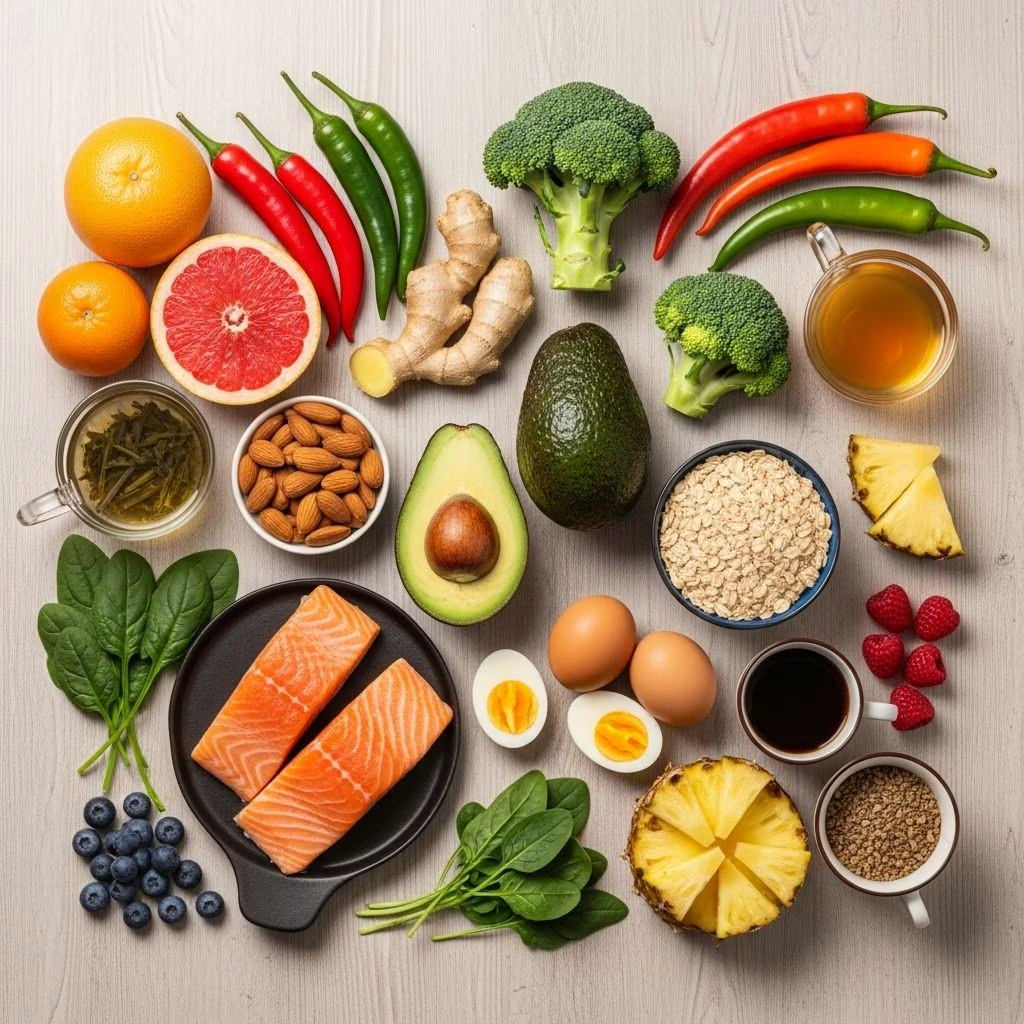
16 Foods That Speed Up Metabolism Naturally
Metabolism plays a crucial role in how your body utilizes energy, burns calories, and maintains healthy weight. While genetics and activity level factor into your metabolic rate, certain foods can modestly increase calorie burn and support fat loss when enjoyed as part of a balanced diet. Here, we explore 16 research-backed foods that can help boost your metabolism, plus practical tips for making the most of their nutritional benefits.
Understanding Metabolism: A Quick Overview
Metabolism refers to the vast array of chemical processes that occur within your body to maintain life—including converting food into energy, building and repairing cells, and removing waste products. Your metabolic rate is the amount of energy your body expends in a given period. Factors like age, body composition, and genetics influence baseline rates, but certain foods and eating patterns can have a modest impact, primarily through the thermic effect of food (TEF)—the energy required for digestion and nutrient absorption.
Top Metabolism-Boosting Foods
- Protein-rich foods
- Mineral-rich foods
- Chili peppers
- Coffee
- Tea (including Green Tea)
- Beans and Lentils
- Ginger
- Cacao
- Greek Yogurt
- Eggs
- Chicken breast
- Salmon
- Green leafy vegetables
- Broccoli
- Brazil nuts
- Flaxseeds
How Certain Foods Boost Metabolism
Several nutrients and compounds can help fire up your metabolism:
- Protein increases TEF—the body burns more calories digesting protein than carbs or fat.
- Caffeine (in coffee and tea) temporarily raises metabolic rate by stimulating the central nervous system.
- Catechins found in tea, especially green tea, support thermogenesis and fat burning.
- Capsaicin in chili peppers enhances calorie burning and may reduce appetite.
- Fermented probiotic-rich foods (e.g., Greek yogurt) help balance gut microbiota for weight regulation.
- Fiber helps slow digestion, reducing insulin spikes and fostering satiety, which can indirectly support metabolism.
Detailed Look: 16 Metabolism-Boosting Foods
1. Protein-Rich Foods
Protein has the highest thermic effect among macronutrients. Consuming lean meats, fish, eggs, beans, legumes, dairy, nuts, and seeds increases calorie expenditure after meals by 15–30%, compared to just 5–10% for carbohydrates and 0–3% for fats. High-protein diets also help preserve muscle mass during weight loss, which sustains your metabolic rate over time.
2. Eggs
Eggs are a nutrient-dense, complete protein source. The high protein content not only supports muscle maintenance but also provides key vitamins that aid in metabolic enzyme function. Starting your day with eggs can help curb appetite and set your metabolism in motion.
3. Greek Yogurt
Greek yogurt is rich in both protein and calcium. The thick texture makes it an ideal base for breakfast or snacks. Fermented yogurt provides probiotics, which help maintain a healthy gut microbiome—a factor that may contribute to better metabolic health.
4. Chicken Breast
Lean, skinless chicken breast offers high-quality protein with minimal fat. Consuming chicken breast particularly increases calorie burn during digestion, supporting lean muscle and helping prevent weight regain.
5. Salmon
Salmon and other fatty fish—such as mackerel and sardines—are rich in omega-3 fatty acids, promoting fat burning and supporting muscle growth. Omega-3s may also reduce inflammation and aid metabolism.
6. Beans and Lentils
Beans and lentils are plant-based sources of protein and fiber. The fiber slows down digestion, keeps you full longer, and helps regulate blood sugar, all of which help maintain a consistent metabolic rate.
- Packed with iron, zinc, and selenium—minerals required for proper thyroid function and fat metabolism.
- Lentils are especially prized for their prebiotic fiber, which nourishes gut bacteria and indirectly boosts metabolism.
7. Tea (including Green Tea)
Both regular and green teas contain caffeine and catechins that trigger the thermogenic process, increasing calorie burning. Green tea is especially potent, associated with reductions in BMI, body weight, and waist size, along with antimicrobial and anti-inflammatory benefits.
8. Coffee
Coffee is a widely enjoyed stimulant. The caffeine in coffee increases energy expenditure, enhances performance, and helps mobilize fatty acids for fuel. Moderate intake can support metabolic health and alertness.
9. Chili Peppers
Chili peppers contain capsaicin, a compound known to increase metabolic rate and thermogenesis. Capsaicin can reduce hunger and provide a mild, temporary boost in calorie burn, helping support weight management.
10. Ginger
Ginger root promotes body heat production, supports digestion, and provides anti-inflammatory effects. The mild spiciness triggers satiety and helps keep appetite in check, leading to fewer calories consumed overall.
11. Flaxseeds
Flaxseeds are abundant in dietary fiber, protein, and essential fatty acids. Their soluble fiber supports gut health, regulates blood sugar, and contributes to lower cholesterol, all factors associated with a more efficient metabolism.
12. Green Leafy Vegetables
Leafy greens like spinach, kale, and Swiss chard are high in iron, essential for oxygen transport and energy production in the body. Pairing leafy greens with foods rich in vitamin C (such as bell peppers or citrus) enhances iron absorption and maximizes their metabolic advantage.
13. Broccoli
Broccoli features glucoraphanin, which can help reset metabolic function and fight age-related diseases. As a cruciferous vegetable, it also supports detoxification and provides antioxidants that protect metabolic tissues.
14. Brazilian Nuts
Brazil nuts are rich in selenium, magnesium, phosphorus, and thiamine—all important for immune, heart, and brain health. Selenium in particular is a cofactor for enzymes involved in thyroid hormone activation, crucial for metabolism regulation.
15. Sweet Potatoes
Sweet potatoes supply soluble fiber that supports a robust gut microbiome. The root is also a solid source of potassium, vitamin A, and protein, making it a metabolism-friendly carbohydrate option.
16. Cacao
Cacao (the raw form of chocolate) contains antioxidants and compounds that may boost energy and enhance mood. It is also linked to improved blood flow and marginally higher calorie burning.
Metabolism-Boosting Tips and Table: How to Maximize Food Effects
| Food | Key Nutrient | Primary Metabolic Benefit |
|---|---|---|
| Eggs | Protein | High TEF, muscle maintenance |
| Greek Yogurt | Protein, probiotics | Thermogenesis, gut health |
| Chicken Breast | Lean Protein | Fat burning, appetite control |
| Salmon | Omega-3, Protein | Fat burning, reduced inflammation |
| Beans/Lentils | Protein, Fiber | Fullness, blood sugar control |
| Green Tea | Catechins, caffeine | Thermogenesis, increased calorie burn |
| Coffee | Caffeine | Energy boost, metabolism increase |
| Chili Peppers | Capsaicin | Calorie burn boost, appetite suppression |
| Ginger | Gingerol, antioxidants | Satiety, anti-inflammatory |
| Flaxseeds | Fiber, protein | Gut support, cholesterol control |
| Leafy Greens | Iron | Oxygen transport, energy production |
| Broccoli | Glucoraphanin | Metabolic reset, antioxidants |
| Brazil nuts | Selenium | Thyroid function, metabolism regulation |
| Sweet potatoes | Fiber, potassium | Gut health, slow carb release |
| Cacao | Polyphenols | Improved blood flow, mood boost |
Tips for Adding Metabolism-Boosting Foods
- Pair protein-rich foods with every meal for sustained energy and satiety.
- Brew green or black tea daily for a metabolism lift without excess caffeine.
- Add chili flakes or ginger to stir-fries, salads, or soups for natural heat and added metabolic benefits.
- Blend spinach or kale into smoothies for a nutrient-rich metabolism supporter.
- Snack on a small handful of Brazil nuts for a selenium boost.
- Include beans or lentils in soups, stews, or grain bowls to combine fiber and protein.
Best Practices for Maintaining a Healthy Metabolism
- Consume regular, balanced meals to avoid metabolic slowdown from fasting or severe calorie restriction.
- Engage in resistance training and cardiovascular exercise to build and sustain muscle, which drives long-term metabolic health.
- Prioritize whole foods over processed, refined options—fiber and protein from natural sources support gut health and energy balance.
- Stay hydrated—adequate water intake is required for cellular energy production and natural detoxification.
- Remember: No single food can magically transform your metabolism, but consistent, healthy choices make a lasting impact.
Frequently Asked Questions About Metabolism-Boosting Foods
Q: Can eating metabolism-boosting foods alone help me lose weight?
A: Eating these foods may provide a slight metabolic lift, but lasting weight loss requires a calorie deficit and regular exercise. Foods support, but do not replace, healthy lifestyle choices.
Q: Are spicy foods safe for everyone?
A: Most people can enjoy spicy foods, but those with sensitive stomachs or certain digestive issues should moderate intake to avoid discomfort.
Q: How much protein is ideal for boosting metabolism?
A: Experts recommend at least 1–1.2 grams of protein per kilogram of body weight for most adults striving to enhance metabolism and support muscle.
Q: Can green tea replace coffee as a metabolism booster?
A: Green tea offers mild caffeine along with powerful antioxidants and can serve as a gentle substitute for coffee. Both have modest metabolism-enhancing effects.
Q: What’s the thermic effect of food (TEF)?
A: TEF is the energy required to digest, absorb, and metabolize nutrients. Protein-rich foods have the highest TEF, causing greater calorie burn compared to fats and carbohydrates.
Summary: Fueling Your Metabolism Through Food
While genetics and physical activity lay the foundation for your metabolic rate, informed nutrition choices can support healthy energy production and calorie control. Incorporating protein-rich foods, spices like chili and ginger, leafy greens, beans, and fermented dairy into your diet can enhance satiety, calorie burn, and overall metabolic wellness. Remember: consistency, variety, and balance in what you eat and how you live are the real keys to a metabolism that powers vibrant health.
References
- https://www.katygastrodoctor.com/blog/how-can-certain-foods-boost-your-metabolism/?bp=33880
- https://www.healthline.com/nutrition/metabolism-boosting-foods
- https://www.prevention.com/food-nutrition/healthy-eating/a65919516/foods-to-boost-metabolism/
- https://www.youtube.com/shorts/qbWEZCETrUY
- https://www.webmd.com/diet/ss/slideshow-foods-to-eat-that-help-your-metabolism
- https://www.medicalnewstoday.com/articles/325237
- https://blog.ochsner.org/articles/metabolism-boosting-foods-and-spices/


