


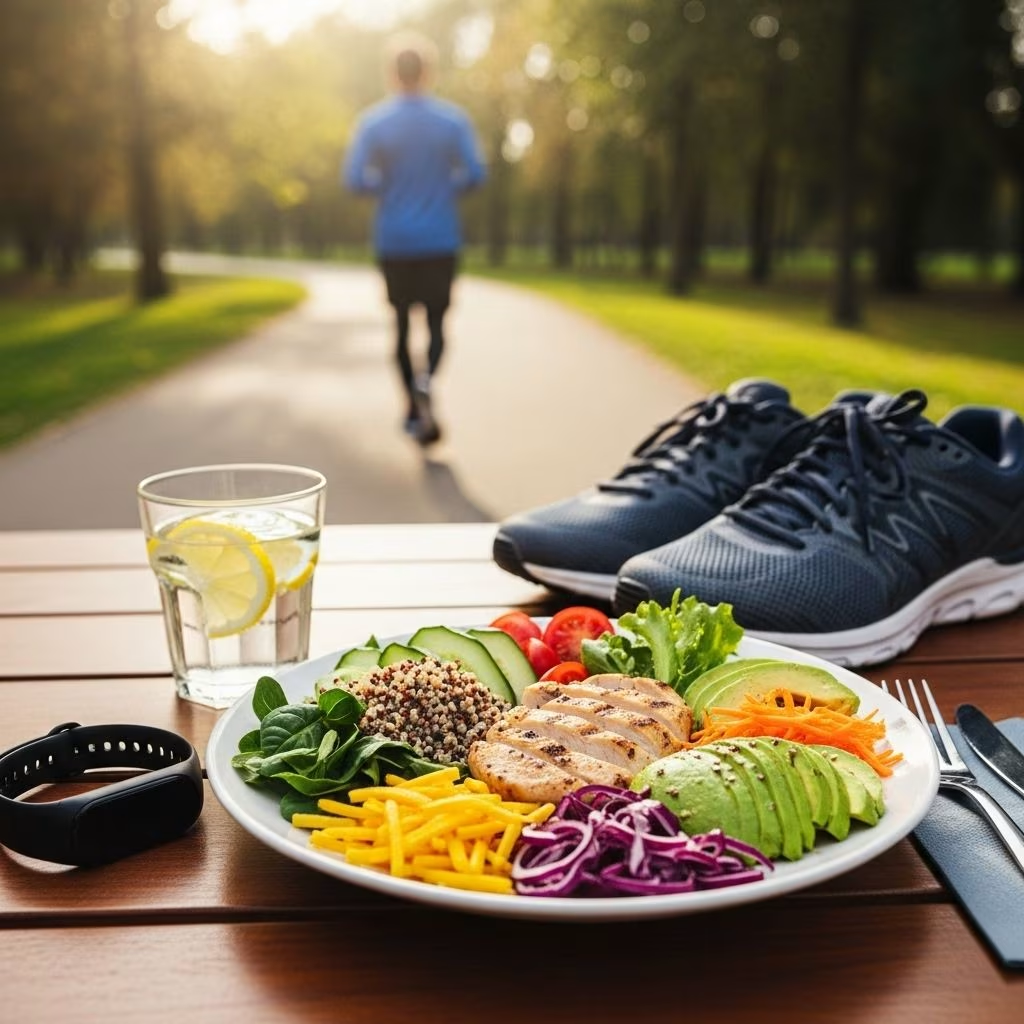
How to Boost Your Metabolism: Science-Based Strategies for Faster Calorie Burn
Your metabolism determines how efficiently your body converts food into energy and burns calories. A faster, well-functioning metabolism helps you maintain a healthy weight and provides sustained energy throughout the day. While genetics play a role, lifestyle changes, including dietary choices, exercise, and daily habits, can make a significant difference in your metabolic rate. Here’s how you can support and enhance your metabolism with proven, practical strategies.
What Is Metabolism and Why Does It Matter?
Metabolism refers to all the chemical processes that occur in your body to maintain life, especially those that convert food into energy. A higher metabolic rate burns more calories, aiding in weight management and supporting overall health. Problems like sluggishness or weight gain often result from a slow metabolism, while a faster metabolism can help keep your energy high and your body lean.
Top Strategies to Boost Your Metabolic Rate Naturally
- Eat More Protein: The body burns more calories digesting protein than it does digesting fats or carbohydrates. This is called the thermic effect of food. Choose lean proteins like chicken, turkey, fish, eggs, and plant-based options such as beans or lentils. Aim for 25–30 grams of protein per meal to maximize benefits.
- Incorporate High-Intensity Exercise: Interval training—switching between periods of intense effort and recovery—can significantly boost your metabolism during and after workouts. Try alternating sprinting with walking or choose high-intensity interval training (HIIT) routines.
- Weight Training for Muscle Growth: Muscle tissue burns more calories than fat tissue, even at rest. Regular strength training can increase your muscle mass and raise your resting metabolic rate. Full-body strength routines twice a week are most effective.
- Don’t Skip Meals, Especially Breakfast: Eating regular meals, particularly a hearty breakfast, keeps your metabolism steady. Long gaps without food can cause your body to slow down calorie burning to conserve energy.
- Choose Metabolism-Boosting Foods: Certain foods have unique properties that support a faster metabolism. Included below are expert picks for effective choices.
- Stay Hydrated: Drinking enough water helps your metabolism operate efficiently. Being even slightly dehydrated can lower your metabolic rate.
- Get Quality Sleep: Poor sleep disrupts metabolic processes, hormone levels, and impulse control related to eating and activity. Aim for 7–9 hours of restorative sleep each night.
- Add Spicy Foods: Ingredients like chili peppers contain capsaicin, which can temporarily increase metabolic rate and calorie burn.
- Stand and Move More During the Day: Nonexercise activity thermogenesis (NEAT), such as walking, stretching, or standing at your desk, also boosts energy expenditure.
- Enjoy Tea and Coffee: Green tea, oolong tea, and coffee contain caffeine and antioxidants that may stimulate metabolism and promote fat oxidation.
Metabolism-Boosting Foods: What to Eat
Choosing foods packed with specific nutrients can naturally support a faster metabolism. Here are expert-recommended options and how they work:
| Food | Why It’s Metabolism-Friendly |
|---|---|
| Lean Proteins (chicken, fish, eggs, beans, lentils) | Increase thermic effect of food (TEF), help build muscle, and keep you full. |
| Avocado | High in healthy fats and fiber, reduces blood sugar spikes and inflammation. |
| Whole Grains | Rich in fiber, increase satiety, and lower LDL cholesterol. |
| Green Tea | Contains antioxidants and caffeine, modestly increases calorie burn. |
| Lentils | Rich in protein and prebiotic fiber, support healthy gut bacteria and metabolism. |
| Black Beans | Plant-based protein, soluble fiber slows sugar absorption, supports metabolism. |
| Flaxseeds | High in soluble fiber and protein, support gut microbiome and calorie burn. |
| Dairy (milk, yogurt, cheese) | Provide calcium, which may prevent metabolic slowdowns due to deficiency. |
| Spicy Peppers | Capsaicin increases heat production and calorie burn. |
| Nuts & Seeds | Contain protein, healthy fats, and keep you feeling fuller longer. |
| Oats | Whole grain source, high fiber, helps maintain a stable blood sugar and metabolism. |
Key Nutrients That Support Metabolism
- Protein: Stimulates greater calorie burn during digestion and helps build muscle mass.
- Fiber: Especially *soluble* and *prebiotic fiber* feed “good” gut bacteria, support healthy digestion, and increase usable energy.
- Iron: Essential for enzymatic reactions that break down nutrients for energy. Iron deficiency can slow metabolism.
- Calcium: May help prevent metabolic slowdowns, especially in women.
- Healthy Fats: Support anti-inflammatory processes and sustained energy release.
Understanding the Role of Age, Gender, and Genetics
While everyone can make choices that support their metabolism, certain factors influence your baseline metabolic rate:
- Age: Metabolism slows gradually as we age. Building muscle through strength training is key to maintaining a healthy metabolic rate.
- Gender: Men generally have a faster metabolism due to higher muscle mass. Women may need to work harder with diet and exercise to see similar effects.
- Genetics: Inherited traits affect metabolism but do not override the influence of diet and activity choices.
Daily Habits That Rev Up Metabolism
- Start with a Hearty Breakfast: Eating soon after waking jumpstarts your metabolism for the day.
- Don’t Cut Calories Too Much: Restricting calories excessively can slow metabolism and cause muscle loss. Focus on nutrient density.
- Embrace Nonexercise Activity: Standing, pacing, taking the stairs, and moving throughout the day (known as NEAT) can burn hundreds of extra calories.
- Stay Consistent with Workouts: Regular physical activity—even walking—helps maintain metabolic rate and prevents age-related declines.
Sample High-Metabolism Meal Plan
Here’s an example of how to select metabolism-supporting foods throughout the day:
- Breakfast: Greek yogurt parfait with flaxseeds, fresh berries, and a handful of almonds.
- Lunch: Grilled chicken breast with quinoa, avocado slices, and spinach salad.
- Snack: Black bean dip with sliced bell peppers or whole grain crackers.
- Dinner: Baked salmon with lentil pilaf, roasted broccoli, and a drizzle of olive oil.
- Beverages: Green tea, black coffee, and plenty of water throughout the day.
Common Metabolism Myths
- Myth: Eating multiple small meals speeds up metabolism.
Fact: The total calories and nutrients consumed are more important than meal frequency. There is little evidence that snacking or small meals speed metabolism independently. - Myth: Fast metabolisms are only genetic.
Fact: While genes matter, lifestyle choices—including diet, activity, and sleep—powerfully influence metabolism over time. - Myth: Only intense exercise matters.
Fact: NEAT and everyday movement can boost energy expenditure almost as much as structured workouts.
Frequently Asked Questions (FAQs)
Q: What causes metabolism to slow down?
A: Metabolism may slow due to aging, loss of muscle mass, calorie restriction, poor sleep, and certain medical conditions. Genetics also play a role but can be managed with healthy lifestyle choices.
Q: Can I boost my metabolism if I have thyroid issues?
A: Thyroid disorders can impact metabolism. Consult your healthcare provider for tailored recommendations and medications if necessary. General tips like eating protein, exercising, and maintaining muscle mass still help.
Q: Are specific supplements effective for boosting metabolism?
A: While some supplements claim to boost metabolism, most have limited or mixed evidence. Whole foods, regular physical activity, and good sleep remain the most science-backed strategies.
Q: Does drinking cold water increase metabolism?
A: Drinking cold water can cause a slight, brief increase in calorie burn as your body warms the water, but the effect is minimal compared to other strategies.
Q: Should I avoid all fats?
A: No—healthy unsaturated fats found in nuts, seeds, avocados, and fish are important for satiety, hormone production, and sustained energy. Include these in moderation.
Takeaway: A Healthier, More Energetic You
Boosting your metabolism is not about quick fixes, but about integrating smart choices into your daily routine. Prioritize protein-rich foods, regular strength and interval training, whole grains, healthy fats, and active living. Your metabolism responds to consistency, making every healthy choice—from breakfast to bedtime—count.
References
- https://www.prevention.com/food-nutrition/healthy-eating/a65919516/foods-to-boost-metabolism/
- https://www.piedmont.org/living-real-change/5-ways-to-boost-metabolism
- https://www.prevention.com/weight-loss/a20478794/boost-metabolism-with-the-high-metabolism-diet/
- https://blog.ochsner.org/articles/metabolism-boosting-foods-and-spices/
- https://www.healthline.com/nutrition/10-ways-to-boost-metabolism
- https://health.osu.edu/wellness/exercise-and-nutrition/how-to-lose-weight-without-tanking-your-metabolism
- https://pmc.ncbi.nlm.nih.gov/articles/PMC8839325/
- https://www.mayoclinic.org/healthy-lifestyle/weight-loss/in-depth/metabolism/art-20046508
- https://santiamhospital.org/top-5-myths-about-metabolism/
- https://www.rush.edu/news/how-metabolism-really-works


