


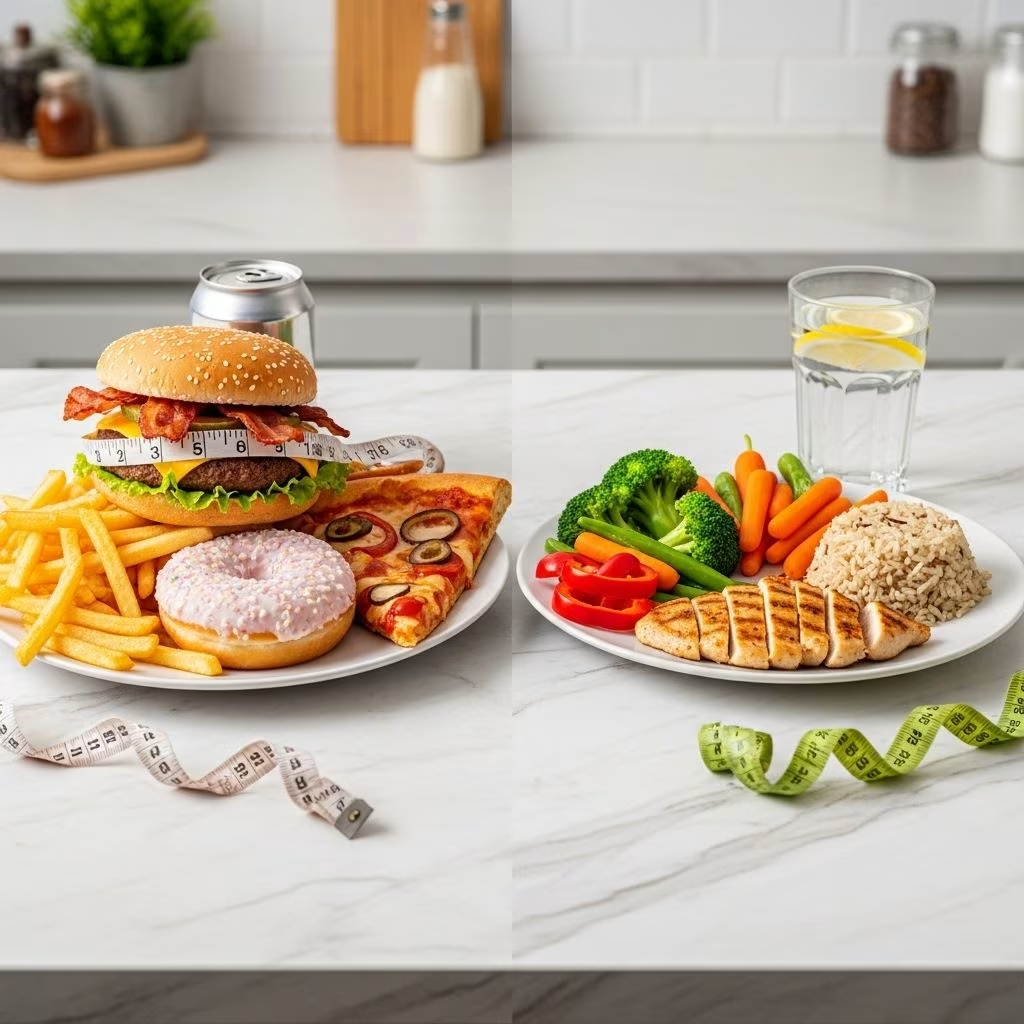
12 Common Eating Mistakes That Can Make You Gain Weight
Weight gain is often the result of small, consistent dietary mistakes that add up over time. Many of these missteps occur even when you believe you’re eating healthy. Awareness and strategic changes can make a big difference in your results. Here is a detailed guide to the everyday eating mistakes most likely to sabotage your weight management—and science-backed solutions to help you dodge them.
1. Dunking Veggies Into Fat Traps
Pairing crisp vegetables with calorie-dense dips like peanut butter, ranch, or cheese sauce may turn a healthy snack into an energy bomb. Peanut butter contains around 94 calories per tablespoon, and 2 tablespoons of creamy dressing can pack up to 145 calories and 15 grams of fat. Just 100 extra daily calories could lead to approximately 10 pounds of weight gain in a year.
Fix It: Use fat-free Greek yogurt mixed with salsa or herbs as a light dip, or enjoy veggies plain to keep calories low.
2. Opting for the Fried Version of Healthier Foods
Sweet potatoes are nutritious, but when fried or served as chips, their calorie and fat contents are significantly higher. Frying increases the energy density and delivers undesirable fats, erasing many of the health benefits.
- Sweet potato fries and chips often exceed 300 calories per serving.
- Unprocessed, baked, or roasted sweet potatoes are lower in calories and rich in fiber.
Fix It: Choose oven-roasted wedges with minimal oil or steamed sweet potatoes for lasting fullness and fewer calories.
3. Drowning Foods in Olive Oil
While olive oil is a healthier fat source, it still contains 120 calories per tablespoon. Heavy drizzling over salads, vegetables, or bread quickly turns a light meal into a calorie bomb. Mindless pouring can double or triple calorie intake without noticeable satisfaction.
- One tablespoon equals 120 calories; three tablespoons add up to 360 calories.
- Unmeasured pours often exceed portion recommendations.
Fix It: Measure oil with a spoon. Spray lightly or use lemon juice or vinegar as an alternative flavor enhancer.
4. Turning Salad into a High-Calorie Landmine
Salads are often loaded with calorie-dense toppings such as bacon, croutons, cheese, nuts, and processed meats, defeating their health purpose. A large restaurant salad can easily reach over 1000 calories.
- Creamy and oily dressings are high in fat and sugar.
- Processed meats add saturated fat and sodium.
- Extra cheese and nuts are high in calories—even in small amounts.
Fix It: Opt for a base of leafy greens, pile on colorful vegetables, and use beans or grilled chicken for protein. Dress with lemon, balsamic vinegar, or measured vinaigrette.
5. Underestimating Calories in Beverages
Calories in drinks are often overlooked, making it a sneaky source of weight gain. Flavored coffees, smoothies, sodas, and exotic teas may deliver hundreds of extra calories per day.
- A medium flavored coffee with cream and syrup can exceed 200 calories.
- Fruit juices and shakes pack added sugars with minimal satiety.
Fix It: Choose water, unsweetened tea, black coffee, or herbal blends as primary beverages. Read labels and measure additions like milk or syrups.
6. Mistaking Portion Sizes—The Overserved Trap
Portion distortion is rampant in restaurants and at home. When meal sizes increase, so does total calorie intake without improving fullness. Eating just 20-30% more than needed consistently leads to slow but steady weight gain.
- Restaurant entrees are often double or triple the recommended portion.
- Buffet and family-style servings promote overeating.
- Snacking from containers instead of plates encourages mindless eating.
Fix It: Serve onto individual plates, use smaller dishware, and package leftovers before eating. Split restaurant meals or immediately box half.
7. Misjudging the ‘Health Halo’ Foods
Many foods marketed as ‘healthy’—such as organic snacks, granola bars, gluten-free sweets, and veggie chips—may contain as many (or more) calories, sugars, and fats as their traditional counterparts.
- Organic or all-natural does not mean low-calorie.
- Energy bars may have 300+ calories and added sugars.
- Vegan or gluten-free snacks often use high-fat substitutes.
Fix It: Check nutritional labels carefully. Let ingredient quality—not marketing terms—guide your choices. Avoid snacks that are highly processed or “healthified” versions of sweets and fried foods.
8. Skipping Meals and Overcompensating Later
Skipping meals can lead to intense hunger and overeating. This cycle disrupts blood sugar regulation and reduces the ability to sense satiety.
- Eating less at breakfast and lunch often triggers cravings and heavy snacking at night.
- Long fasting periods may slow metabolism and increase fat storage.
Fix It: Adopt regular, balanced meals spaced throughout the day. Include protein and fiber for stable energy and lasting fullness.
9. Eating ‘Low-Fat’ or ‘Diet’ Foods Without Scrutiny
Packaged ‘diet’ foods often compensate with added sugar, starch, or salt to boost flavor. These hidden ingredients are easy to overlook and can stall weight loss.
- Many low-fat cookies and yogurts contain significant sugar.
- Poorly balanced diet foods rarely satisfy hunger, promoting additional snacking.
Fix It: Read labels carefully and prioritize whole, unprocessed foods whenever possible. Focus on natural sources of healthy fats, proteins, and complex carbohydrates.
10. Relying on Snacks Instead of Main Meals
Replacing meals with multiple snacks is tempting in busy lifestyles. However, frequent snacking can result in unchecked calorie accumulation and poor nutrient balance.
- Snack calories add up invisibly, especially with nuts, dried fruit, cheese, and bars.
- Meal skipping can upset appetite signals and metabolic rhythm.
Fix It: Plan two to three main meals and use snacks as supplements only when truly hungry. Select nutrient-dense options in portion-controlled sizes.
11. Believing Protein Can’t Lead to Weight Gain
Protein is essential for metabolism and muscle repair, but excessive protein intake—especially from processed meats, cheese, or protein powders—can quickly surpass daily calorie needs. Excess protein is stored as fat, just like carbs and fats.
- Standard servings are about 3 ounces of lean meat or 1 cup of Greek yogurt.
- High-protein diets can inadvertently raise calorie intake if unchecked.
Fix It: Consume protein in recommended amounts for your body size. Balance intake with ample vegetables, fiber, and healthy fats.
12. Forgetting About Calories in Drinks—A Second Warning
It bears repeating: drinks are often overlooked as sources of calories. Beyond sodas and juices, flavored waters, smoothies, milk-based drinks, and cocktails swiftly add up.
- Alcoholic drinks range from 100 to 400 calories per serving.
- Milk-based or blended desserts include hidden sugars.
Fix It: Stick to water and unadulterated drinks. Track intake and avoid beverages with hidden sugars, high-fat dairy, or alcohol excess.
Table: Comparison of Common Eating Mistakes and Solutions
| Mistake | Hidden Calorie Source | Simple Solution |
|---|---|---|
| Veggie dips | Fatty dressings, peanut butter | Greek yogurt and salsa dip |
| Fried ‘healthy’ foods | Oils, breading | Baked or steamed versions |
| Drizzling olive oil | Unmeasured pours | Measure oil, use sprays, or lemon juice |
| Salad toppers | Cheese, bacon, croutons | Vegetables, beans, light vinaigrette |
| Portion distortion | Large restaurant servings | Split meals, use smaller plates |
| Health halos | Energy bars, gluten-free snacks | Check labels, eat whole foods |
| Skipping meals | Binge eating at night | Regular balanced meals |
| ‘Diet’ foods | Hidden sugar/salt | Whole foods, read ingredients |
| Protein overload | Extra meat, cheese | Recommended servings, varied diet |
Frequently Asked Questions
Q: Can eating healthy snacks still make me gain weight?
A: Yes. Even healthy snacks like nuts, peanut butter, and dried fruit are high in calories. Consuming them in large amounts or in addition to full meals can lead to slow weight gain over time.
Q: Is olive oil actually bad for weight loss?
A: Olive oil is healthy in moderation, but it’s calorie-dense. Regular, unmeasured drizzling can add hundreds of calories to your meal. Measuring portions helps retain health benefits without excess energy intake.
Q: How often should I eat during the day to avoid overeating?
A: Aim for three balanced meals and 1-2 snacks, spaced to prevent extreme hunger. Skipping meals often leads to binge eating and poor food choices later in the day.
Q: Are all low-fat or low-carb foods good for weight loss?
A: Not necessarily. Many processed low-fat and low-carb options contain high amounts of sugar or salt for flavor. Choose minimally processed foods and read nutrition labels carefully.
Q: What’s the best way to control portions especially eating out?
A: Share dishes, request a half-portion, or immediately box half your meal for leftovers. Use smaller plates at home and serve food away from the table.
Expert Tips for Smarter Eating
- Read nutrition labels carefully: Watch for hidden sugars, fats, and high-calorie counts.
- Pay attention to hunger and satiety cues: Eat slowly and avoid distractions.
- Measure high-calorie ingredients: Use measuring spoons or digital scales for oils, nut butters, and cheeses.
- Embrace whole foods: Prioritize fresh produce, lean proteins, and whole grains for sustained fullness.
- Track beverage intake: Avoid calorie-dense options and choose water, tea, coffee (without extras).
- Balance your plate: Aim for half vegetables, one-quarter lean protein, and one-quarter whole grains.
Smart Weight Management: Key Takeaways
- Small daily mistakes are responsible for gradual weight gain.
- Mindful eating—knowing what, how much, and why you eat—helps control calories and improves satisfaction.
- Portion control, label reading, and regular meal timing are critical for sustainable success.
- Shifting focus from food marketing claims to actual nutritional content prevents accidental overeating.
With diligence, awareness, and moderation, these common eating traps can be easily avoided, paving the way toward healthier weight management and lasting results.
References
- https://yeditepehastaneleri.com/en/health-guide/healthy-nutrition/8-mistakes-make-weight-loss-harder
- https://www.urmc.rochester.edu/encyclopedia/content?contenttypeid=88&contentid=p11227
- https://www.ummhealth.org/health-library/5-common-diet-mistakes-to-avoid
- https://www.prevention.com/weight-loss/a20435818/eating-mistakes-leading-to-weight-gain/
- https://www.webmd.com/diet/ss/slideshow-diet-mistakes
- https://www.health.harvard.edu/staying-healthy/5-mistakes-that-will-sabotage-a-healthy-diet
- https://www.halefamilypractice.com/post/avoid-the-common-mistakes-when-losing-weight
- https://southtexasmed.com/7-ways-you-may-be-sabatoging-your-diet/
- https://www.prevention.com/weight-loss/a20437804/eating-mistakes-that-cause-weight-gain/


