


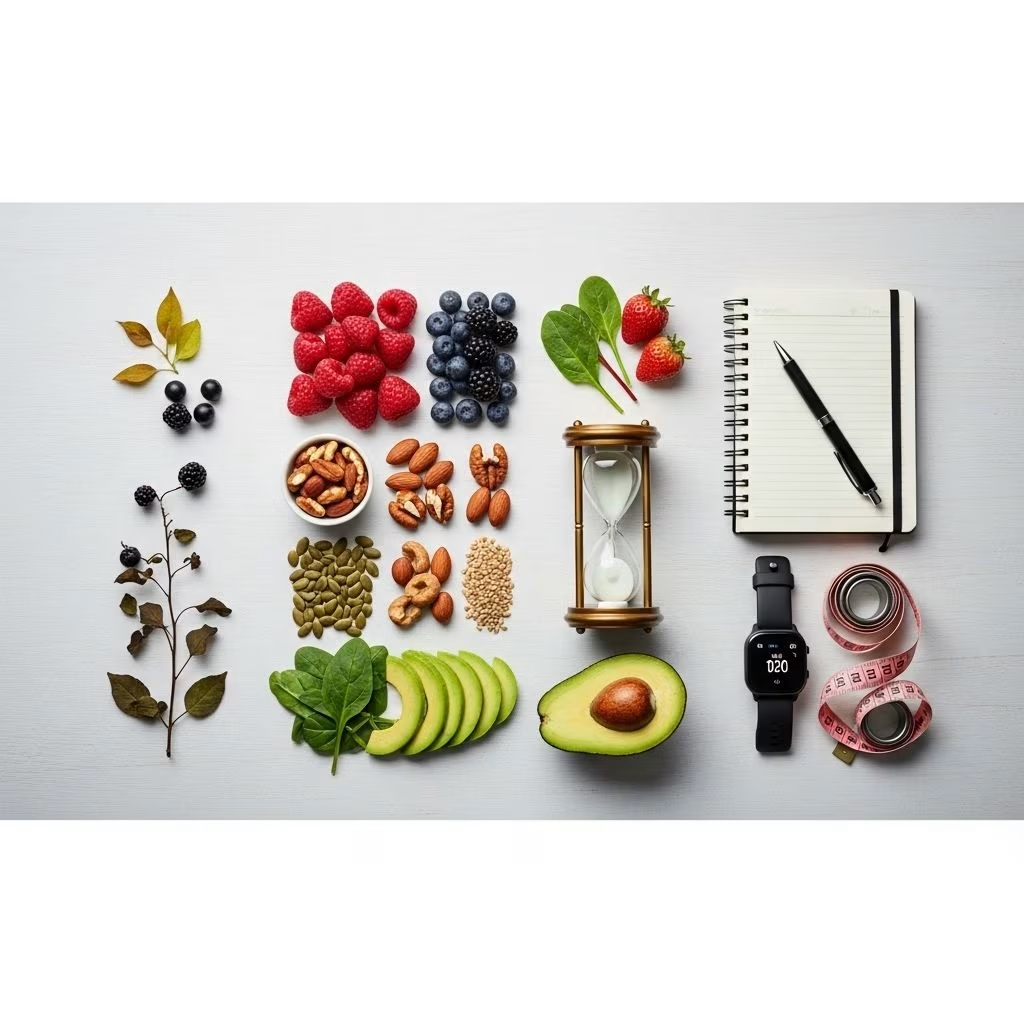
Intermittent Fasting for Women: A Comprehensive Guide
Intermittent fasting (IF) is a popular approach to eating that cycles periods of fasting and eating, and it’s been embraced for its potential health benefits, especially weight management and metabolic improvements. However, women face unique physiological factors that influence both the safety and effectiveness of IF. This guide examines how intermittent fasting affects women, core benefits and risks, practical fasting styles, and expert recommendations for integrating IF safely into a lifestyle.
What Is Intermittent Fasting?
Intermittent fasting isn’t a diet in the traditional sense; instead, it’s an eating pattern dictating when to eat rather than what to eat. The most common IF methods include:
- 16/8 Method: Fast for 16 hours, eat within an 8-hour window.
- 5:2 Method: Eat normally for 5 days, restrict calories (usually 500–600) on 2 non-consecutive days.
- Alternate-Day Fasting: Alternate normal eating days with fast (usually 25% of normal intake) days.
Many find IF appealing for its simplicity; it doesn’t require calorie counting at each meal, only adherence to fasting windows. Still, for women, the impact of timing on hormonal balance and wellbeing is critical.
How Intermittent Fasting Affects Women’s Bodies
Unlike men, women’s bodies are heavily regulated by hormones associated with reproductive health, stress, and metabolism. These hormonal factors make fasting both potentially beneficial and uniquely challenging.
- Estrogen and Progesterone Sensitivity: Fasting can lower these hormones, affecting menstrual cycles and potentially fertility.
- Gonadotropin-Releasing Hormone (GnRH): Responsible for triggering the reproductive cycle, GnRH is sensitive to caloric intake. Extended fasting or restricting calories can interrupt this delicate system.
- Evolutionary Perspective: The body may interpret fasting as a signal of food scarcity, which historically led to delayed ovulation or altered menstruation—conditions unfavorable for pregnancy.
Potential Hormonal Side Effects
When estrogen and progesterone levels drop, women may experience:
- Irregular or missed periods
- Mood swings
- Low libido
- Fatigue
- Difficulty concentrating
These risks may not apply equally across all life stages.
Who Should Use Caution with Intermittent Fasting?
- Premenopausal Women: More likely to have hormone fluctuations and cycle disruptions if fasting aggressively.
- Pregnant or Breastfeeding Women: IF is not recommended, as adequate nutrition is essential for fetal and infant development.
- Women Trying to Conceive: Hormone shifts may interfere with fertility.
- Postmenopausal Women: IF may be less risky, as estrogen and progesterone levels stay relatively low and constant.
Consult a medical provider before starting IF, especially if you fit any of these categories or have a history of eating disorders.
Benefits of Intermittent Fasting for Women
While some caution is warranted, IF offers several well-supported health benefits:
- Weight Loss: Shorter eating windows often lead to natural reductions in calorie intake. Several studies report statistically significant weight loss.
- Blood Sugar Regulation: IF may lower fasting insulin and glucose levels, reducing diabetes risk.
- Reduced Inflammation: Periods without food can stimulate anti-inflammatory processes and cellular repair.
- Improved Lipid Profiles: IF can lower LDL (“bad”) cholesterol, raise HDL (“good”) cholesterol, and reduce triglycerides.
- Enhanced Longevity: Animal studies suggest IF may increase lifespan by promoting cellular repair and metabolic efficiency, though human data is limited.
- Mental Wellbeing: Some studies link fasting to improved mood, sharper cognition, and lower depression risk, possibly by optimizing neurotransmitters and stress responses.
| Benefit | Effect | Scientific Support |
|---|---|---|
| Weight Loss | Reduced calorie intake, increased fat burning | Strong |
| Blood Sugar Control | Lower insulin & glucose levels | Strong |
| Lipid Improvement | Lower LDL, higher HDL | Good |
| Inflammation Reduction | Lower systemic inflammation markers | Emerging |
| Mental Health Enhancement | Improved mood, potential for less depression/anxiety | Moderate |
| Longevity Potentials | Cellular repair, metabolic advantage | Animal evidence, limited human |
Potential Risks & Drawbacks
Despite promising benefits, women should note key risks:
- Hormonal Disruption: May lead to cycle irregularities or fertility issues.
- Energy Fluctuations: Some may feel drained, mentally foggy, or unable to focus—especially in the early phase of IF.
- Mood Variability: If fasting leads to low blood sugar, mood swings or anxiety may result.
- Reduced Bone Density: Prolonged calorie restriction can impact bone health and muscle mass.
- Potential for Disordered Eating: Women with a history of anorexia, bulimia, or orthorexia should avoid IF.
Careful monitoring and personalization are crucial to minimize these risks.
How to Practice Intermittent Fasting Safely as a Woman
Experts emphasize a smart, cautious approach when women wish to try intermittent fasting. Key strategies include:
- Choose a Gentle Fasting Schedule: Start with a 12-hour overnight fast, then gradually reduce your eating window if comfortable.
- Listen to Your Body: Disrupted cycles, unusually low energy, persistent hunger, or mood changes are signs to scale back or stop fasting.
- Fuel Wisely During Eating Windows: Focus on nutrient-dense whole foods, lean proteins, healthy fats, vegetables, and complex carbohydrates.
- Stay Hydrated: Drink water frequently, and include herbal teas or black coffee if desired.
- Don’t Fast During Stressful Periods: Illness, exams, or major deadlines may amplify IF’s stress effects.
- Consult Medical Providers: Especially important for anyone with medical issues or complex cycle concerns.
Sample 16/8 Fasting Meal Plan
- 8:00 am – 12:00 pm: Fasting (water, black coffee, herbal tea)
- 12:00 pm: Lunch: Grilled chicken salad, quinoa, olive oil
- 3:00 pm: Snack: Greek yogurt with berries, handful of almonds
- 6:30 pm: Dinner: Baked salmon, steamed broccoli, sweet potato
- 8:00 pm: Begin fast
Adjust meal times and composition to suit individual lifestyle and caloric needs.
Special Considerations by Life Stage
Before and During Menopause
Premenopausal women need to be especially mindful as fasting can impact cycles and fertility. Experiment slowly and always take note of how your body responds.
After Menopause
Postmenopausal women often find IF easier to manage; hormone levels are consistently low, so menstrual disruption is not a major concern. However, bone health, heart disease, and diabetes risks may increase with age, making nutrient-rich eating pivotal.
Frequently Asked Questions (FAQs)
Q: Can intermittent fasting cause irregular periods?
A: Yes, fasting—especially with significant calorie restriction—can disrupt estrogen and progesterone, leading to skipped or irregular periods, mainly in premenopausal women.
Q: Is IF safe for women who are pregnant or breastfeeding?
A: No. Pregnancy and breastfeeding require adequate, steady nutrition. Fasting is not recommended due to risks for both mother and baby.
Q: How quickly do women see results with intermittent fasting?
A: Individual results vary. Some may notice improved energy or weight changes within weeks, while hormonal or metabolic benefits usually take longer and depend on age, cycle, and overall health.
Q: What should women eat during their eating window?
A: Focus on whole, unprocessed foods, including lean proteins, nuts, seeds, complex carbohydrates, vegetables, and healthy fats. Avoid processed and sugary foods, which can diminish fasting’s benefits.
Q: Are there alternatives to fasting for weight loss?
A: Yes. Traditional calorie-counting, macronutrient tracking, mindful eating, and regular exercise also reliably support weight loss and metabolic health. IF is not the only effective option but may be easier for some people’s lifestyles.
Expert Tips for Successful Intermittent Fasting
- Track Your Cycle and Symptoms: Keep a record of menstrual cycles, mood, energy, and other symptoms; this helps catch early warning signs of hormone imbalance.
- Prioritize Sleep: Quality rest supports hormone balance and recovery, especially with IF.
- Stay Flexible: If fasting feels too hard or causes health issues, stop or revise your approach.
- Community Support: Share your IF journey with supportive friends or online communities for recipes, tips, and motivation.
- Monitor Nutritional Sufficiency: Women need higher levels of iron, calcium, vitamin D, and folate due to reproductive health needs; ensure these are included in your meal planning.
Conclusion
Intermittent fasting empowers many women to manage weight and support metabolic health, but success demands a nuanced, personalized approach. Understanding your body’s unique responses—especially regarding hormones and reproductive health—is key. Always start with small fasting windows, focus on nutrient-rich foods, and consult with healthcare professionals. IF is not a one-size-fits-all tool, but when used wisely, it can serve as a valuable strategy for women seeking holistic wellness.
References
- https://health.clevelandclinic.org/intermittent-fasting-for-women
- https://www.healthline.com/nutrition/16-8-intermittent-fasting
- https://pmc.ncbi.nlm.nih.gov/articles/PMC4960941/
- https://www.mayoclinic.org/healthy-lifestyle/nutrition-and-healthy-eating/expert-answers/intermittent-fasting/faq-20441303
- https://pmc.ncbi.nlm.nih.gov/articles/PMC9946909/
- https://www.health.harvard.edu/staying-healthy/can-intermittent-fasting-help-with-weight-loss


