


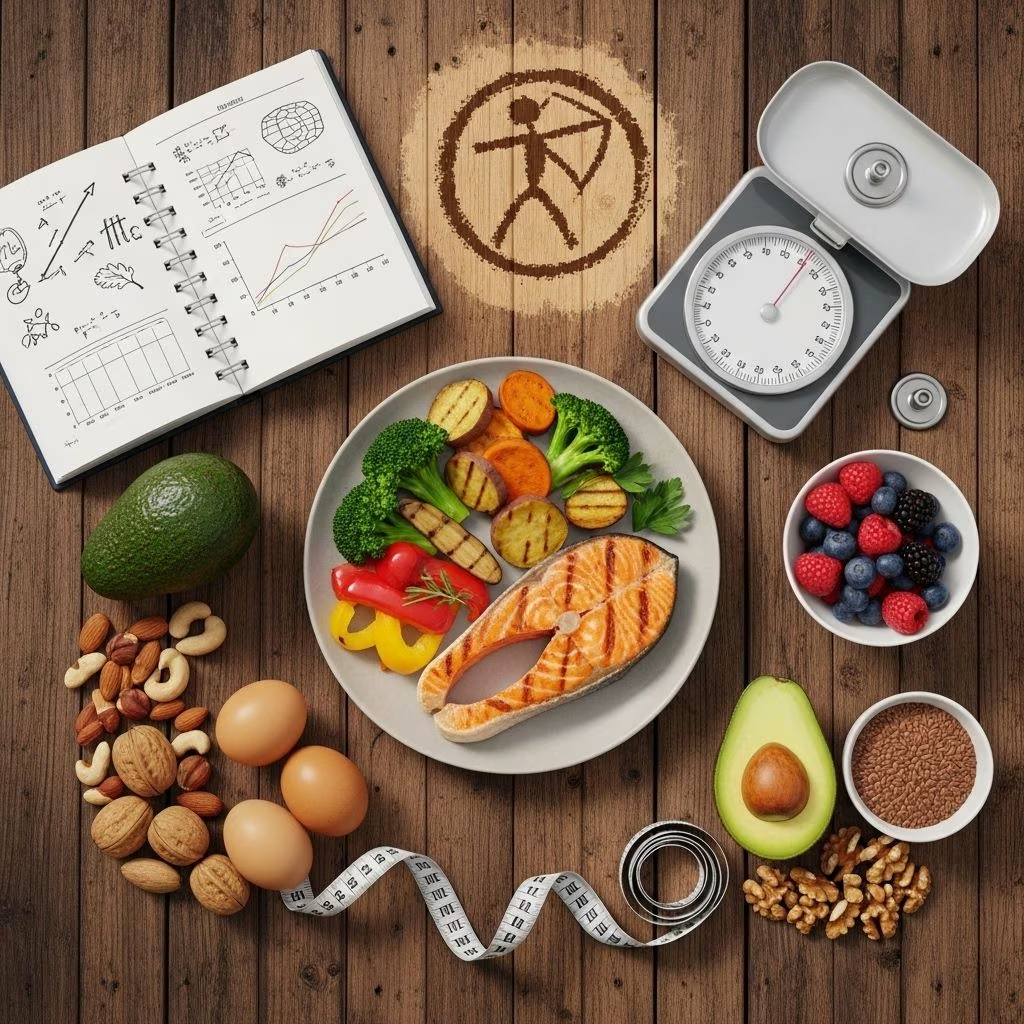
Paleo Diet for Weight Loss: Does It Really Work?
If you’ve explored trendy eating plans for weight loss, the Paleo diet likely tops the list. Promising fast and sustainable fat loss by returning to the eating habits of our hunter-gatherer ancestors, Paleo is touted for emphasizing nutrient-rich whole foods and cutting out modern processed products. But does the science stand up to the hype? This in-depth guide explores how the Paleo diet may impact weight loss, reviews clinical evidence, details its pros and cons, and offers practical tips to help you decide if it’s right for you.
What Is the Paleo Diet?
The Paleo diet, sometimes called the “caveman” or “Stone Age” diet, is modeled after the presumed diet of early humans. The principle is simple: eat foods that could theoretically have been obtained by hunting or gathering, and avoid those that emerged with modern agriculture and food processing.
- Emphasizes: Lean meats, fish, eggs, fruits, vegetables, nuts, and seeds
- Cuts Out: Grains, legumes, processed foods, refined sugar, dairy, and added salt
- Key Rationale: Our ancestors had lower rates of chronic disease, thought to be partly due to their diet and lifestyle.
How Does the Paleo Diet Help You Lose Weight?
| Mechanism | Paleo Diet Approach | Impact on Weight Loss |
|---|---|---|
| High Protein Intake | Meat, fish, eggs feature heavily | Boosts metabolism, keeps you full, regulates hunger hormones |
| Lower Carbohydrate Load | Omits bread, grains, processed carbs | Facilitates greater fat burning, reduces calorie intake |
| Whole Foods, High Satiety | Fruits, veggies, nuts, seeds are filling | Lowers overall calorie intake by reducing hunger |
| Elimination of Processed Foods | No refined sugar, oils, packaged snacks | Removes calorie-dense, nutrient-poor foods |
| Hormonal Regulation | High protein, fewer processed carbs | Reduces levels of ghrelin (‘hunger hormone’), increases satiety hormones like GLP-1 |
Key Ways Paleo Supports Weight Loss
- High protein intake increases metabolism and decreases appetite, making meals more satisfying and reducing overall calorie intake.
- Lower carb consumption means fewer spikes and crashes in blood sugar, leading to steadier energy and reduced cravings for sugary snacks.
- Elimination of processed foods means fewer empty calories and less consumption of refined sugars—major drivers of weight gain.
- Whole foods are naturally more filling and nutritious, promoting healthier eating patterns overall.
- Greater satiety hormones help curtail overeating and snacking.
Scientific Evidence: Does Paleo Diet Really Work?
Breakthrough studies over recent years have looked at how the Paleo diet stacks up against conventional eating patterns:
- Short-term studies consistently show weight loss and reduction in waist circumference among Paleo participants, often exceeding results seen with low-fat or calorie-controlled diets.
- Example: In a study of healthy medical students on a Paleo diet for three weeks, participants lost an average of 5.1 pounds (2.3 kg) and reduced waistlines by 0.6 inches (1.5 cm).
- In women aged 60+, those who followed Paleolithic eating for 24 months lost 2.5 times more weight after six months, and two times more at one year, compared to those on a traditional low-fat, high-fiber diet. After two years, they kept off more total weight than the control group.
- A meta-analysis of 11 studies found participants lost nearly 8 pounds (3.5 kg) on average with Paleo, in periods ranging from 2 months to 2 years.
- Those with metabolic conditions, such as diabetes, also experienced greater reductions in body weight and waist size than when following moderate-carb, low-fat diets.
Long-term studies remain limited, but most evidence to date supports Paleo’s effectiveness for weight loss—at least in the short run.
Pros and Cons of the Paleo Diet
Benefits
- Weight loss: Multiple small studies confirm consistent weight loss—sometimes more than with other popular diets.
- Reduced hunger and cravings: Participants report greater satiety, less snacking, and improved hormonal balance (higher GLP-1, lower ghrelin).
- Elimination of processed foods: Cutting out refined sugars and grains is linked to better overall health and reduced obesity risk.
- Nutrient density: Whole foods provide more vitamins, minerals, and antioxidants than most standard diets.
Drawbacks
- Restrictiveness: Paleo omits entire food groups (grains, legumes, dairy), making it harder to sustain for some people.
- Risk of nutrient deficiencies: Excluding dairy and whole grains may result in lower intake of calcium and vitamin D, essential for bone health.
- Cost and Accessibility: Quality meats, organic produce, and fish may prove expensive or less accessible than typical grocery items.
- Social and cultural challenges: Eating out, meal prep, and maintaining variety can require significant planning and adjustment.
| Pros | Cons |
|---|---|
| Supports weight loss | May be difficult to follow long-term |
| Increases satiety | Risk of missing key nutrients |
| Reduces processed food intake | Potentially expensive |
| Focuses on whole foods | Social/Eating out restrictions |
Foods to Eat and Foods to Avoid on Paleo
Eat These (Paleo-Friendly Foods)
- Lean meats: beef, pork, lamb, poultry
- Fish and seafood: salmon, trout, tuna, shrimp
- Eggs
- Vegetables: broccoli, spinach, kale, carrots, peppers, leafy greens
- Fruits: apples, berries, bananas, oranges
- Nuts and seeds: almonds, walnuts, pumpkin seeds (but not peanuts)
- Healthy fats: olive oil, coconut oil, avocado
Avoid These (Non-Paleo Foods)
- Grains: wheat, rice, oats, corn
- Legumes: beans, peanuts, lentils, peas
- Dairy products: milk, cheese, yogurt (except some “primal” approaches)
- Refined sugar and sweeteners: soda, candy, baked goods
- Processed foods: chips, crackers, fast food
- Refined oils: canola, soybean, vegetable oils
- Salt: Added sodium
Paleo Meal Planning for Weight Loss
Success with the Paleo diet depends on thoughtful planning and preparation. Here are practical tips to structure satisfying, nutrient-dense meals while keeping calories in check.
- Balance Protein and Veggies: Make lean meats or fish the centerpiece, rounded out with ample non-starchy vegetables.
- Mind Healthy Fats: Use nuts, seeds, avocado, and olive or coconut oils to add flavor and fullness without excess calories.
- Fruit for Sweetness: Reach for berries or sliced apples instead of processed desserts.
- Batch Cooking: Grill, roast, or sauté proteins and veggies all at once for easy meals throughout the week.
- Simple Snacks: Enjoy hard-boiled eggs, fresh fruit, veggies, and small handfuls of nuts as satisfying between-meal bites.
Sample Paleo Day (Approx. 1500-1800 Calories)
Breakfast: Scrambled eggs with spinach and sweet potato hash
Lunch: Grilled chicken salad with mixed greens, olive oil dressing, walnuts, and chopped apple
Snack: Carrot sticks or berries
Dinner: Baked salmon with roasted broccoli and cauliflower
Frequently Asked Questions (FAQs)
Q: Is the Paleo diet healthy for long-term use?
A: Clinical evidence shows short-term weight loss and improved satiety, but long-term studies are limited. Experts caution that excluding dairy and grains may lead to deficiencies in calcium and vitamin D.
Q: How quickly will I lose weight on Paleo?
A: Many people see initial weight loss in the first 2-4 weeks, typically ranging from 5 to 10 pounds, depending on their starting point and adherence. However, results vary and maintaining weight loss may require ongoing commitment and balanced eating.
Q: Can I eat fruit or starchy vegetables on Paleo?
A: Yes. Most fruits and vegetables are encouraged. However, if you want faster weight loss or need to manage blood sugar, limit high-carb options like bananas, potatoes, and dried fruit.
Q: Is Paleo suitable for athletes or high-performance lifestyles?
A: Yes, but athletes may need to adjust carb intake, emphasizing root vegetables and fruit to optimize energy and performance.
Q: How does Paleo compare to other diets like Mediterranean or keto?
A: Paleo overlaps with Mediterranean in emphasizing whole foods but excludes all grains and dairy. Compared to keto, Paleo usually includes more carbs from fruit and vegetables and is less restrictive regarding protein sources.
The Bottom Line
The Paleo diet can promote weight loss and improve overall dietary quality, thanks to its focus on whole, nutrient-rich foods and avoidance of processed items. Early scientific evidence shows more consistent weight loss than conventional calorie-controlled or low-fat diets, though sustainability and nutritional gaps pose challenges. For best results, adopt Paleo principles with flexibility, ensuring your meals meet long-term nutrient needs for bone and heart health. Consult a healthcare provider or registered dietitian for personalized guidance before starting any restrictive eating plan.
References
- https://www.healthline.com/nutrition/paleo-diet-for-weight-loss
- https://www.healthline.com/nutrition/paleo-diet-review
- https://bariatricsurgeryco.org/weight-loss/pros-and-cons-of-the-paleo-diet-for-weight-loss/
- https://www.goodrx.com/well-being/diet-nutrition/how-does-paleo-diet-work
- https://www.mayoclinic.org/healthy-lifestyle/nutrition-and-healthy-eating/in-depth/paleo-diet/art-20111182
- https://nutritionsource.hsph.harvard.edu/healthy-weight/diet-reviews/paleo-diet/
- https://www.piedmont.org/living-real-change/is-the-paleo-diet-safe
- https://pmc.ncbi.nlm.nih.gov/articles/PMC6647066/
- https://nutrition.ucdavis.edu/outreach/nutr-health-info-sheets/pro-paleo-diet


