


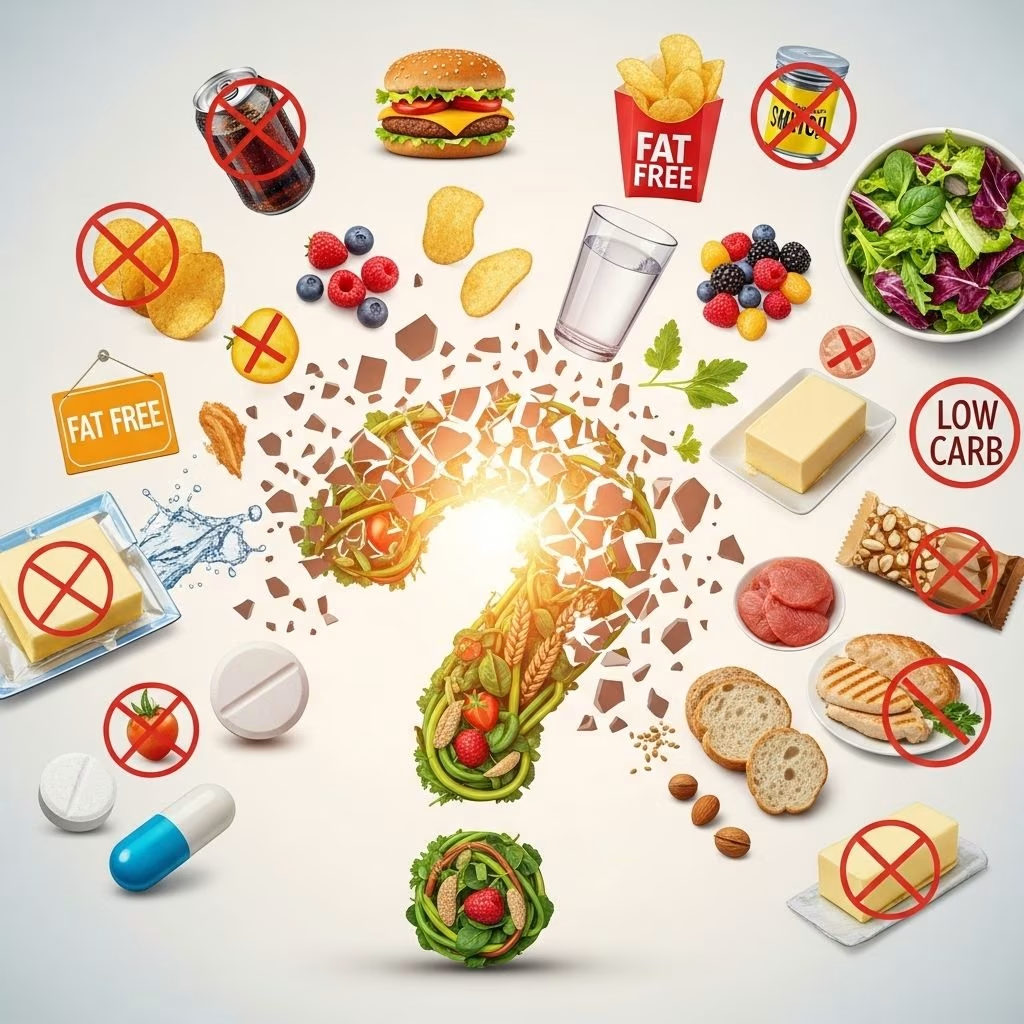
Nutrition headlines promise quick results, call certain foods ‘super’, and blacklist others as forbidden. But what does the science really say? With so much conflicting advice and popular diet trends, it’s no wonder myths spread like wildfire. Here, we examine 10 of the most common nutrition myths, break down why they’re misleading, and offer guidance on what truly supports lasting health and weight management.
1. Carbohydrates Are Bad for You
Carbohydrates (carbs) have been demonized by many trendy diets, but not all carbs are created equal. Carbs are actually the body’s chief source of energy, fueling everything from the brain to the muscles. The real issue is the type of carbohydrate:
- Choose whole grains, vegetables, fruits, and legumes.
- Limit refined grains and added sugars—these are associated with blood sugar spikes and weight gain.
Whole carbohydrates deliver essential nutrients, fiber for digestion, and longer-lasting energy, while refined carbs lack nutrients and may increase your risk for chronic disease.
Bottom line: Carbs aren’t the enemy—processed, sugary foods are the real culprit.
2. Eating Fat Will Make You Fat
The ‘low-fat’ craze of past decades led many to believe that eating fat directly results in body fat gain. But research shows:
- Healthy fats—such as those found in olive oil, avocados, nuts, and fatty fish—play roles in hormone production, nutrient absorption, and satisfaction from meals.
- Trans fats and excessive saturated fats, often found in fried and ultra-processed foods, can raise LDL (‘bad’) cholesterol and risk of heart disease.
Fat is calorie-dense (9 kcal/gram), so overconsumption may lead to weight gain, but in moderation, fats help keep you full and provide vital nutrients.
3. All Calories Are Created Equal
Not all calories have the same impact. While calorie balance still matters for weight management, the source of those calories affects health differently:
- 100 calories of broccoli provides fiber, vitamins, and minerals.
- 100 calories of soda delivers simple sugar and nothing else—no lasting fullness or nutrients.
Nutrient-dense foods support metabolism and satiety, while ’empty-calorie’ foods can promote overeating and deficiencies.
4. Eating Late at Night Causes Weight Gain
It’s a common belief that eating after 7 p.m. goes straight to body fat. In reality, what matters most is total calorie intake throughout the day, not meal timing. If you consume more calories than you burn, you’ll gain weight—regardless of the hour:
- Some people feel hungrier at night, but this may be due to inadequate eating earlier or emotional triggers.
- Healthy, modest snacks before bed (e.g. yogurt, fruit, nuts) are better than mindlessly eating chips in front of the TV.
Focus on what and how much you eat, rather than the clock.
5. You Need to ‘Detox’ with Cleanses or Juices
Juice cleanses and expensive detox products claim to flush toxins from your body. The truth?
- Your liver, kidneys, and digestive system do the necessary detoxifying, 24/7.
- There’s no scientific proof that cleanses or detox diets effectively remove toxins or boost fat loss.
Instead, support your body’s natural cleansing with a diet rich in:
- High-fiber foods (whole grains, beans, vegetables)
- Antioxidant-containing fruits and veggies
- Hydration from water and herbal teas
Rely on nature, not commercial cleanses, for health.
6. Dairy Is Unhealthy and Causes Weight Gain
Dairy products are often blamed for weight gain and even chronic diseases, but research paints a more nuanced picture:
- Dairy provides calcium, vitamin D, protein, and other vital nutrients.
Fat-free and low-fat versions minimize calorie intake. - There is no consistent evidence that dairy is ‘fattening’ for most people. In fact, some studies link dairy to better weight management and bone health.
- Lactose intolerant? Try lactose-free dairy, fortified non-dairy beverages (such as soy milk), or alternatives like dark leafy greens for calcium.
Moderation and individual tolerance are key.
7. ‘Going Vegetarian’ Guarantees Weight Loss and Better Health
A vegetarian or plant-based diet can be healthy—but it isn’t automatically so. Potential pitfalls include:
- Eating too many highly processed vegetarian foods, which can be high in sugar, fat, and calories.
- Not consuming enough high-quality protein, iron, or vitamin B12.
Successful vegetarian diets balance:
- Diverse whole foods: vegetables, beans, lentils, nuts, seeds, whole grains.
- Attention to nutrient intake, including protein, iron, zinc, and vitamin B12 (from supplements or fortified foods).
Both plant-based and omnivorous diets can be healthy—or unhealthy—depending on food choices.
8. All Proteins Are the Same
Proteins are the building blocks for muscle, hormones, and immune function. But not every source is equal:
- Animal-based proteins (meat, eggs, dairy, fish) provide all essential amino acids and are considered ‘complete’.
- Plant-based proteins (beans, lentils, grains, nuts) often lack one or more essential amino acids. Combining foods like rice and beans can provide a complementary amino acid profile.
- Soy products (tofu, tempeh, edamame) are a notable exception and are complete plant proteins.
Include a mix of protein sources to ensure adequate nutrition, especially if you follow a plant-based diet.
9. Organic Foods Are Automatically Healthier
Many assume that organic foods—grown without synthetic pesticides or fertilizers—are inherently more nutritious or safer. In actuality:
- Organic produce and conventional produce contain similar nutrient content.
- Washing both types thoroughly reduces pesticide residues.
- Organic may appeal to those wanting to avoid synthetic chemicals or support certain farming practices, but it isn’t always the healthiest by default.
Whether organic or not, the best diet is one rich in a variety of veggies, fruits, whole grains, and lean proteins.
10. You Must Cut Out All Your Favorite Foods to Be Healthy
Total deprivation rarely leads to long-term healthy habits. You don’t have to give up your favorite treats to reach your goals—balance and portion control are key. Consider the following strategies:
- Follow the 80/20 rule: make healthy choices 80% of the time, and allow small indulgences 20% of the time.
- Savor your favorites mindfully and in moderation.
- Find healthier versions or preparation methods for beloved dishes.
Lasting health is built on flexibility, not rigid restriction.
Quick Reference: Nutrition Myths Debunked
| Myth | The Reality |
|---|---|
| Carbs make you gain weight | Whole carbs support health; only excess refined sugars are problematic |
| All fats are bad | Unsaturated fats benefit heart and hormone health |
| Calories are all the same | Quality and nutrient-density matter |
| Eating late makes you fat | Total daily intake counts more than meal timing |
| Detox diets are necessary | Body naturally detoxifies—no cleanses needed |
| Dairy is unhealthy | Dairy provides key nutrients; low-fat options are lighter |
| Vegetarian diets always lead to weight loss | Food quality and calorie balance remain crucial |
| All proteins are equal | Mix sources for complete amino acid profile |
| Organic is always better | Both organic and conventional can be healthy choices |
| Give up favorite foods completely | Enjoy treats in moderation for sustainable health |
Frequently Asked Questions (FAQs)
Are whole grains better than refined grains?
Yes, whole grains contain more fiber, vitamins, and minerals compared to their refined counterparts. They help manage blood sugar and support heart health.
Can I eat dessert and still be healthy?
Absolutely. Enjoy dessert occasionally and in moderation. A balanced diet allows for treats, as long as overall calorie and nutrient needs are met.
Do I need supplements if I eat a balanced diet?
If you consume a variety of foods from all food groups, supplements are often unnecessary. Some groups—like vegans or those with certain health conditions—may need targeted supplementation, such as vitamin B12 or vitamin D.
Are plant-based milks a better choice than cow’s milk?
Plant-based milks can be a good alternative for lactose intolerance or allergies, but compare labels for protein, calcium, and added sugars. Cow’s milk naturally has more protein; fortified plant milks often match the micronutrients.
Practical Tips for Healthy Eating
- Prioritize whole, minimally processed foods.
- Eat a rainbow of fruits and vegetables for diverse nutrients.
- Balance protein sources—mix plant and animal if possible.
- Limit added sugars, excessive saturated fat, and sodium.
- Enjoy favorite foods in moderation, not elimination.
Final Thoughts
Nutrition advice is often oversimplified or sensationalized, leading to confusion and frustration. Instead, rely on steady science: eat a balanced variety of whole foods, stay active, and remember that balance and consistency matter more than any single food or fad. The healthiest way forward is one that is doable, enjoyable, and sustainable for the long term.
References
- https://habs.uq.edu.au/blog/2023/10/debunking-10-common-nutrition-myths
- https://www.niddk.nih.gov/health-information/weight-management/myths-nutrition-physical-activity
- https://www.houstonmethodist.org/blog/articles/2023/oct/5-nutrition-misconceptions-debunked-by-a-dietitian/
- https://www.healthline.com/nutrition/biggest-lies-of-nutrition
- https://www.mayoclinichealthsystem.org/hometown-health/speaking-of-health/10-nutrition-myths-debunked
- https://www.scripps.org/news_items/4436-9-common-food-myths-debunked
- https://www.loyolamedicine.org/newsroom/blog-articles/8-healthy-eating-myths-debunked
- https://newsnetwork.mayoclinic.org/discussion/mayo-clinic-q-and-a-10-nutrition-myths-debunked/
- https://www.gundersenhealth.org/health-wellness/eat-move/3-nutrition-myths-debunked


