


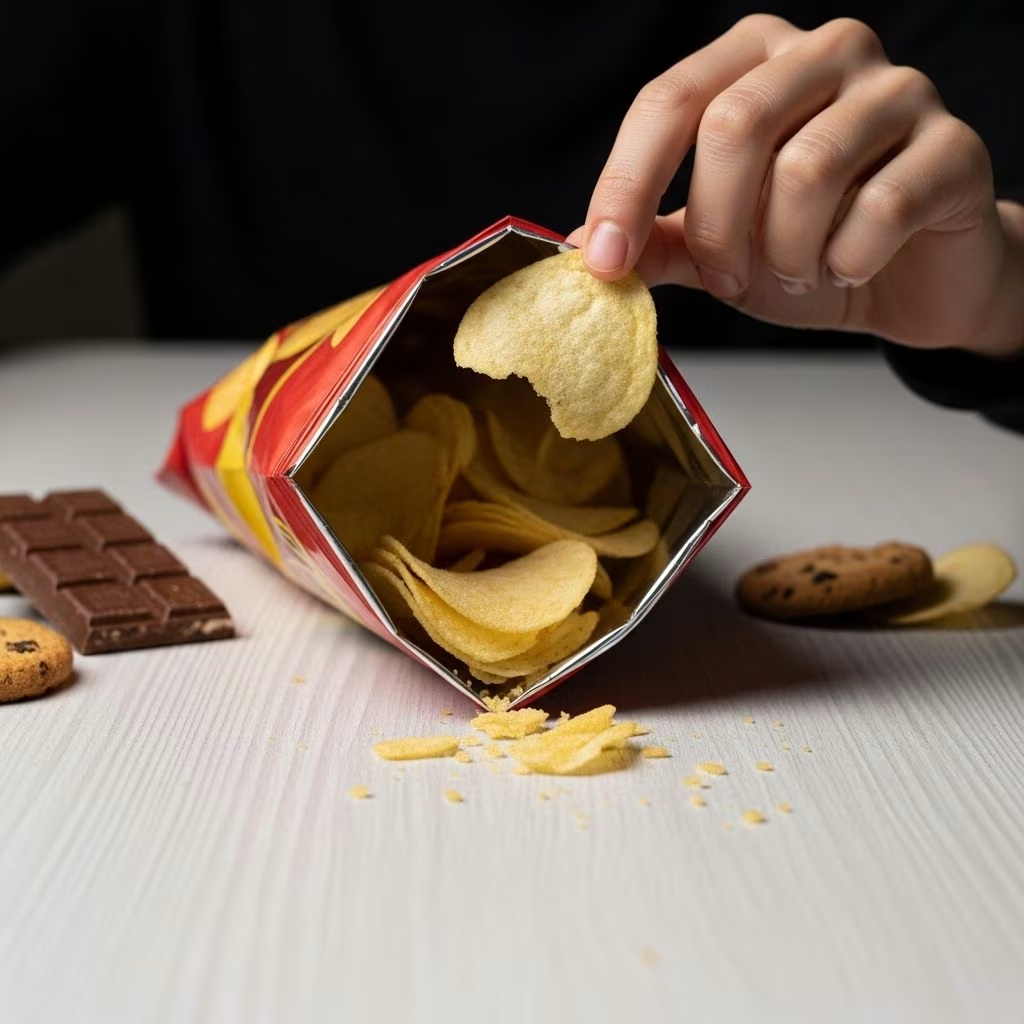
Have you ever found yourself reaching for snacks or lingering in the kitchen, thinking, “Just a little more”—only to realize you can’t seem to stop eating? You’re not alone. Many face days where resisting food feels impossible. Instead of blaming your willpower, dive deeper into the real reasons behind these relentless cravings and learn practical tools to break the cycle.
Introduction: Why You Overeat
Overeating is a complex behavior with multiple triggers—most far beyond simple hunger. Understanding these can help you take mindful steps toward regaining control, whether you’re constantly snacking at work or battling the late-night munchies. Let’s explore eight science-backed reasons your appetite refuses to quit.
1. You Slept Horribly Last Night
Lack of sleep creates the perfect storm for overeating. Science reveals that sleeping only 5 hours each night—versus 8—can lead to consuming 385 extra calories the next day.
- Hormonal Disruption: Sleep deprivation alters levels of ghrelin (hunger hormone) and leptin (satiety hormone), making your appetite spike unpredictably.
- Energy Seeking: When tired, the brain craves quick energy and stimulation, often leading to reaching for fatty and sugary foods.
- Long-Term Risks: Chronic sleep loss can result in significant weight gain over time.
Tip: Prioritize 7–9 hours of sleep. Limit stimulants late in the day, turn off screens, and try a consistent bedtime routine.
2. You’re Bored or Stressed
Boredom and stress are powerful emotional triggers for overeating.
- Boredom Eating: When your day lacks excitement, the brain seeks stimulation through food—especially high-carb snacks and sweets to lift your mood.
- Stress Eating: Heightened stress increases cortisol, which can trigger cravings and increase appetite.
- Emotional Cycles: Upset, anger, sadness, loneliness, and anxiety all drive many to mindless snacking.
Tip: Pause before eating; ask yourself if you’re truly hungry or just feeling an emotion. Swap snacking for a walk, meditation, deep breathing, or a quick chat with a friend.
3. You Tossed Back a Few Too Many Last Night
Alcohol affects the body’s blood sugar, leading to cravings for extra calories—especially after heavy drinking.
- Blood Sugar Drop: Processing alcohol requires energy, so blood sugar falls temporarily after drinking.
- Body Compensation: As you sober up, your body seeks to stabilize sugar and calorie levels, often prompting hunger for a second breakfast or greasy snacks.
Tip: Limit alcohol intake and hydrate well. If you’ve had too much, opt for balanced meals with protein and fiber instead of empty calories.
4. You Have a Super-Speedy Metabolism
Metabolism—the rate at which your body burns calories—varies widely between individuals.
- Genetic Factors: Some people burn calories faster, making them feel hungry more often.
- Muscle Mass: Muscle is more metabolically active than fat, so those engaging in strength training typically require more food and experience more hunger.
Tip: Balance higher activity levels with nutrient-dense foods rich in protein, healthy fats, and complex carbs to keep you fuller longer.
5. You’re Dieting or Skipping Meals
Strict dieting or skipping meals can backfire, leading to episodes of overeating.
- Feast-or-Famine: Cutting calories too drastically or fasting increases the urge to binge once you allow yourself to eat.
- Restrictive Mentality: Constantly denying yourself foods you crave builds up tension that bursts into overeating.
Tip: Eat regular, balanced meals or healthy snacks throughout the day. Allow occasional treats in moderation to avoid feeling deprived.
6. Your Body’s Biology is Sending Strong Signals
Binge-eating disorder and compulsive eating behaviors are linked to genetics, biology, and mental health.
- Genetic Factors: Family history may increase susceptibility to eating disorders and compulsive eating.
- Mental Health: Depression, anxiety, and poor self-image can be triggers for bingeing, as can specific situations or foods.
- Complications: Beyond weight gain, binge eating impacts emotional wellbeing and can lead to conditions like heart disease and diabetes.
Tip: If you struggle with compulsive eating, consider seeking support from a health professional or registered dietitian.
7. You’re Eating Foods That Are Easy to Overdo
Some foods are practically engineered to make us eat more—even when we’re not hungry.
- Processed Foods: Calorie-dense, highly processed foods (think chips, candies, baked treats) are easy to overeat due to their taste and low satiety.
- Individual Preferences: Keeping a food journal can help identify your personal snack pitfalls.
| Food Type | Satiety Level | Overeating Risk |
|---|---|---|
| High-fiber veggies | High | Low |
| Processed snacks | Low | High |
| Sweeter treats | Low | High |
Tip: Focus on whole, fiber-rich foods. If you can’t stop eating certain snacks, consider not keeping them at home or portioning them in advance.
8. Your Eating Habits Are Shaped by Environment and Social Cues
Often, situational triggers like social gatherings, TV watching, or simply passing the kitchen can prompt overeating.
- Social Pressure: Parties, work meetings, and family events often lead to unconscious nibbling and overeating.
- Mindless Eating: Eating while distracted (TV, scrolling your phone) can make you lose track of amounts and hunger signals.
- Accessibility: Snacks left out in plain sight encourage frequent grazing.
Tip: Practice mindful eating. Sit down for meals, chew slowly, and hide less-healthy snacks to break environmental triggers.
Taking Control: Practical Solutions for Overeating
- Prioritize Sleep: Improving sleep restores appetite hormones and reduces cravings.
- Identify Emotional Triggers: Recognize patterns and swap snacking for healthier coping strategies.
- Eat Regular Meals: Avoid feast-or-famine cycles by having balanced meals and snacks.
- Be Mindful of Alcohol: Drink moderately and choose healthy meals the day after.
- Track Problem Foods: Use a food journal to uncover triggers and patterns.
- Seek Professional Support: If eating is emotionally driven or compulsive, consult with a registered dietitian or therapist.
- Allow Grace and Patience: Don’t punish yourself for slip-ups; focus on learning and progress.
Frequently Asked Questions (FAQs)
Q: Is overeating always a sign of poor willpower?
A: No. Overeating is often the result of biological, emotional, and environmental triggers outside of your control—not just willpower.
Q: How can I tell if I’m hungry or just bored?
A: Pause and evaluate your feelings. True hunger typically starts gradually, while boredom-driven eating hits quickly—often when you’re idle or stressed.
Q: What are the first steps to curb overeating?
A: Begin by identifying your main triggers, keeping healthy snacks on hand, and practicing mindful eating. If necessary, seek guidance from a nutritionist or therapist.
Q: Does lack of sleep really cause hunger?
A: Yes. Research shows sleep deprivation disrupts appetite hormones and can drive excess calorie intake.
Q: Are there foods I should avoid completely?
A: Restrictive diets often backfire. Focus on moderating foods that trigger overeating for you personally, and practice portion control.
Conclusion
If you find yourself struggling to stop eating, remember it’s rarely a simple matter of self-control. Sleep, stress, emotional factors, and even social situations all play into appetite. The good news: once you identify your triggers, you can make mindful changes and regain control over your eating habits—one choice at a time.
References
- https://www.heart.org/en/healthy-living/healthy-eating/losing-weight/eating-when-not-hungry
- https://www.prevention.com/weight-loss/g20497401/8-reasons-you-cant-stop-eating-today/
- https://www.mayoclinic.org/diseases-conditions/binge-eating-disorder/symptoms-causes/syc-20353627
- https://www.houstonmethodist.org/blog/articles/2022/jan/how-to-stop-overeating-10-tips-to-avoid-eating-too-much/
- https://www.prevention.com
- https://www.prevention.com/food-nutrition/g20508205/8-things-that-happen-to-your-body-when-you-quit-eating-processed-food/
- https://www.ama-assn.org/public-health/prevention-wellness/what-doctors-wish-patients-knew-about-ultraprocessed-foods
- https://www.mdanderson.org/cancerwise/processed-meat-and-cancer-what-you-need-to-know.h00-159778812.html
- https://odphp.health.gov/healthypeople/priority-areas/social-determinants-health/literature-summaries/access-foods-support-healthy-dietary-patterns


