


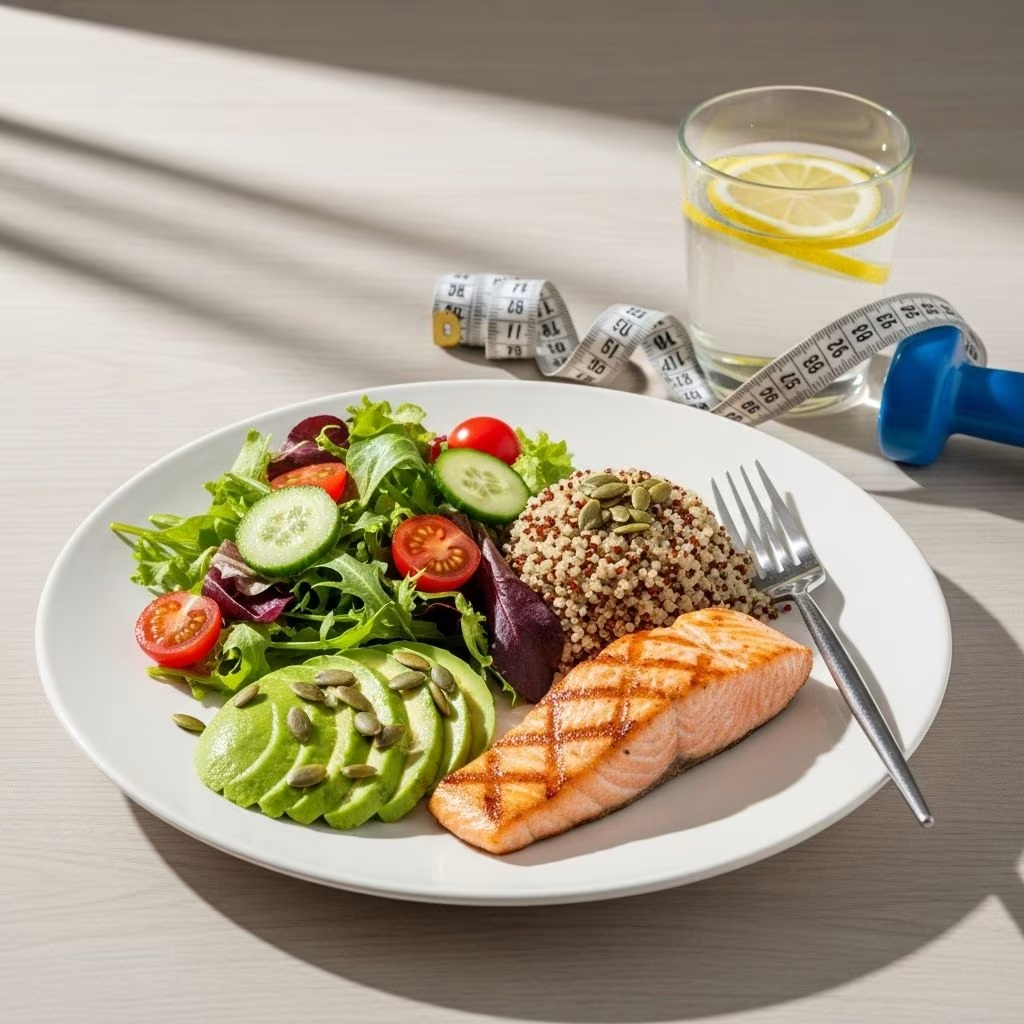
When it comes to weight loss that lasts—and feels good—nutritionists agree: there are no shortcuts or magic bullets. Sustainable weight loss arises from everyday habits, smart nutrition choices, and a balanced relationship with food. In this article, we gather the top expert-backed tips from leading nutritionists, covering everything from meal planning and healthy fats, to smart snacking and enjoying your favorite foods in moderation. Ready to discover practical, proven strategies to reach your healthiest weight?
Why Listen to Nutritionists?
Nutritionists and registered dietitians (RDs) are trained experts who help people translate complex science into everyday eating habits that work in the real world. They have guided thousands of clients through the weight loss journey and offer advice rooted in both research and lived experience.
Table of Key Nutritionist-Recommended Weight Loss Strategies
| Tip | Expert Insight |
|---|---|
| Don’t Cut Out All Fat | Include healthy fats for satiety and waistline benefits. |
| Plan Meals Ahead | Advance planning boosts consistency and success. |
| Rework Favorite Meals | Modify—not eliminate—beloved dishes for health. |
| Practice Mindful Eating | Pay attention to hunger and fullness cues. |
| Prioritize Whole Foods | Emphasize unprocessed, nutrient-rich choices. |
| Control Portions | Use plates, not packaging; avoid supersizing. |
| Stay Hydrated | Water supports metabolism and reduces calorie overload. |
| Balance Macronutrients | Ensure a mix of protein, carbs, and fats for steady energy. |
1. Don’t Ditch All Fats: Embrace Healthy Fats for Satiety and Health
Contrary to outdated diet advice, fat is not the enemy when it comes to successful weight loss. In fact, healthy fats—such as omega-3s in fatty fish (like salmon) and monounsaturated fats in avocado and olive oil—are associated with a trimmer waistline and increased satiety. Including the right kinds of fats in your meals helps you stay full, reducing the urge to snack excessively or binge later in the day.
- Choose sources like salmon, sardines, walnuts, chia seeds, avocados, and olive oil.
- Limit trans fats and heavily processed oils, which offer little nutritional value.
As nutritionist Kelly Pritchett, PhD, RD, explains: “Omega-3s and healthy fats promote satiety and make it easier to lose weight while supporting overall well-being.”
2. Make a Plan: Planning Is the Blueprint for Long-Term Success
“Those who plan, succeed.” This simple rule is echoed by leading nutritionists. Planning takes the guesswork out of eating, reducing emotional or impulsive choices that lead to calorie overload.
- Outline your weekly meals and snacks in advance.
- Base your grocery list on your plan, saving time and money.
- Prep batches of ingredients (e.g., chopped veggies, grilled chicken, cooked grains) for easy meal assembly.
- Anticipate social gatherings or travel by thinking through healthy options ahead of time.
Meal prep isn’t just for fitness enthusiasts; it’s a practical solution for anyone aiming to make nutritious choices routine instead of exception. Wesley Delbridge, RD, notes: “The people who plan are the ones that succeed.”
3. Rework (Don’t Remove) Your Favorite Meals
Weight loss won’t last if it’s based on deprivation. Nutritionists recommend rethinking—not abandoning—your go-to comfort foods.
- Enhance pasta with extra veggies and lean protein (shrimp, chicken, beans).
- Swap heavy cream sauces for tomato-based or olive oil dressings.
- Bake or grill instead of frying when possible.
Keri Gans, RD, emphasizes: *“Don’t ban your favorite dishes; just learn to make them healthier. The biggest win isn’t losing weight fast—it’s keeping it off for good.”*
4. Eat Whole, Not Just “Health” Foods
The “health food” aisle can be deceptive. Many products marketed as light or diet-friendly are highly processed and packed with added sugars, salts, or mystery ingredients. Nutritionists say the best approach is to focus on whole, minimally processed foods that naturally provide the nutrients your body needs.
- Prioritize fresh fruits and vegetables, whole grains, legumes, nuts, and seeds.
- Minimize processed foods with long ingredient lists, even if labeled as “healthy.”
As one expert puts it: “Weight loss will happen as a side effect of choosing whole foods.”
5. Don’t Obsess Over Calories—Focus on Nutrient Quality
Counting calories has its place, but the nutritional quality of what you eat matters even more. Nutrient-dense foods keep you satisfied and support healthy metabolism, heart, and brain.
- Avoid restricting calories below guidelines; this often leads to nutrient deficiencies and rebounds.
- Instead, eat adequate protein, healthy fats, and complex (not refined) carbohydrates with each meal.
Well-balanced meals supply the energy for daily living—and for losing fat, while keeping muscle.
6. Practice Purposeful, Mindful Eating
Eating “on autopilot” is a major pitfall. Nutritionists encourage mindful eating—being present with your food, which helps you enjoy meals more, moderate portions, and better perceive your body’s fullness signals.
- Whenever you eat, plate your food and sit at a table.
- Avoid eating directly from packages or while distracted by screens.
- Chew more slowly and savor flavors and textures.
“Make eating a purposeful experience,” experts note, “not a mindless one.”
7. Control Portions: Avoid Supersizing
Supersized portions are now standard in restaurants and even at home. Nutritionists recommend bringing portion sizes back in line with your body’s needs:
- Serve snacks and meals on plates or bowls, not from packages.
- Start with a smaller portion, and wait a few minutes before deciding if you’re still hungry.
- Fill at least half your lunch and dinner plate with vegetables or fruit.
The simple act of serving yourself intentionally can reduce unconscious overeating.
8. Enjoy a Protein-Powered Breakfast
Starting your day with a satisfying, protein-rich meal is a common thread in expert advice, helping you:
- Reduce cravings and unhealthy snacking later in the day.
- Improve focus and mood.
- Maintain muscle mass as you lose fat.
Examples include Greek yogurt with berries and nuts, eggs with spinach, or overnight oats with chia seeds. When your first meal is satisfying, you’re likely to eat less overall.
9. Time Your Snacks Strategically
Snack timing matters—especially if you’re active. Nutritionists recommend:
- Enjoying a healthy snack containing both protein and carbohydrate about 90–120 minutes before moderate exercise (such as a walk) to fuel your effort.
- Following activity with a protein-rich recovery snack to help the body burn fat (not muscle) and improve recovery.
Keep snacks simple: nuts and fruit, plain yogurt, cottage cheese, or a protein shake are all good options.
10. Stay Well-Hydrated
Water is a silent hero. Staying properly hydrated supports your metabolism, helps control appetite, and replaces calorie-laden beverages that quickly add up.
- Carry a water bottle and sip throughout the day.
- Choose water, sparkling water, or herbal teas over sugary sodas and juices.
Don’t confuse thirst cues for hunger—often, a glass of water can satisfy ambiguous cravings.
11. Don’t Fall for Fad Diets or “Detoxes”
Nutritionists strongly caution against highly restrictive diets, harsh cleanses, or so-called “detox” products. These are not only unsustainable but can be dangerous, leading to nutrient deficiencies, fatigue, or disordered eating patterns.
- Focus on balance instead of cutting out major food groups.
- Be wary of rapid weight loss claims and products promising a “quick fix.”
Your body naturally detoxifies with the help of your liver, kidneys, and skin—nourishing it with whole foods is the best support.
12. Allow for Flexibility and Occasional ‘Fun Foods’
Rigid, inflexible eating plans set most people up for failure. Instead, nutritionists advocate for balance and flexibility.
- Enjoy beloved treats in moderation (e.g., a few squares of dark chocolate, a small scoop of ice cream).
- Remember that consistency, not perfection, drives real progress.
Incorporating favorite foods—with planning—keeps you from feeling deprived and makes healthy eating enjoyable for life.
How to Start: Simple Steps Today
- Add just one fruit or veggie serving to your daily meals. Once comfortable, keep building up to at least 8–10 daily servings.
- Never supersize your food portions—unless you want to supersize your clothes.
- Keep a food journal. Writing down what you eat increases awareness and accountability.
- Eat purposefully—never straight from a package.
Frequently Asked Questions (FAQs)
Q: Can I lose weight without giving up all my favorite foods?
A: Absolutely. Nutritionists encourage you to modify—not abandon—your favorite dishes by adding vegetables, choosing leaner proteins, and using lighter cooking methods. This makes your weight loss sustainable and enjoyable.
Q: How important is meal planning for weight loss?
A: Planning is pivotal. When you know what you’re going to eat and have ingredients ready, you’re far less likely to reach for convenience foods or snacks that don’t align with your goals.
Q: Do I need to eat “low fat” everything?
A: No. Focusing on healthy fats helps curb appetite and supports metabolic health. Opt for avocados, nuts, seeds, and fatty fish, and avoid trans fats and highly processed options.
Q: Is skipping meals effective for weight loss?
A: Most nutritionists advise against it. Skipping meals often leads to overeating later or a slowed metabolism. It’s better to eat regular, balanced meals that keep your energy steady throughout the day.
Q: How do I avoid late-night snacking?
A: Eat nourishing meals and snacks through the day, stay hydrated, and establish a calming bedtime routine. If you’re genuinely hungry, try a small, protein-rich snack such as Greek yogurt or a boiled egg instead of reaching for chips or cookies.
Conclusion: Make Realistic Changes for Real Results
Lasting weight loss is about developing habits you can sustain for life. Nutritionists recommend keeping things simple and consistent: plan ahead, prioritize whole foods, embrace balanced meals and snacks, respect your body’s cues, and allow for joy and flexibility. With patience and persistence, you’ll build a healthy relationship with food—and see results that last.
References
- https://www.prevention.com/health/a65401665/expert-walking-tips-weight-loss/
- https://www.prevention.com/weight-loss/a20456466/diet-and-healthy-weight-loss-advice/
- https://www.prevention.com/weight-loss/a20498660/nutritionist-weight-loss-tips/
- https://www.prevention.com/weight-loss/diets/g20440614/25-best-weight-loss-tips-ever/
- https://www.prevention.com/weight-loss/diets/a63174975/best-diets-for-weight-loss-2025/
- https://www.prevention.com/weight-loss/
- https://www.prevention.com/weight-loss/a30188568/lose-weight-without-exercise-0/
- https://www.prevention.com/weight-loss/g20494587/25-worst-diet-tips-ever/
- https://www.prevention.com/weight-loss/a20465042/lose-weight-over-40/


