


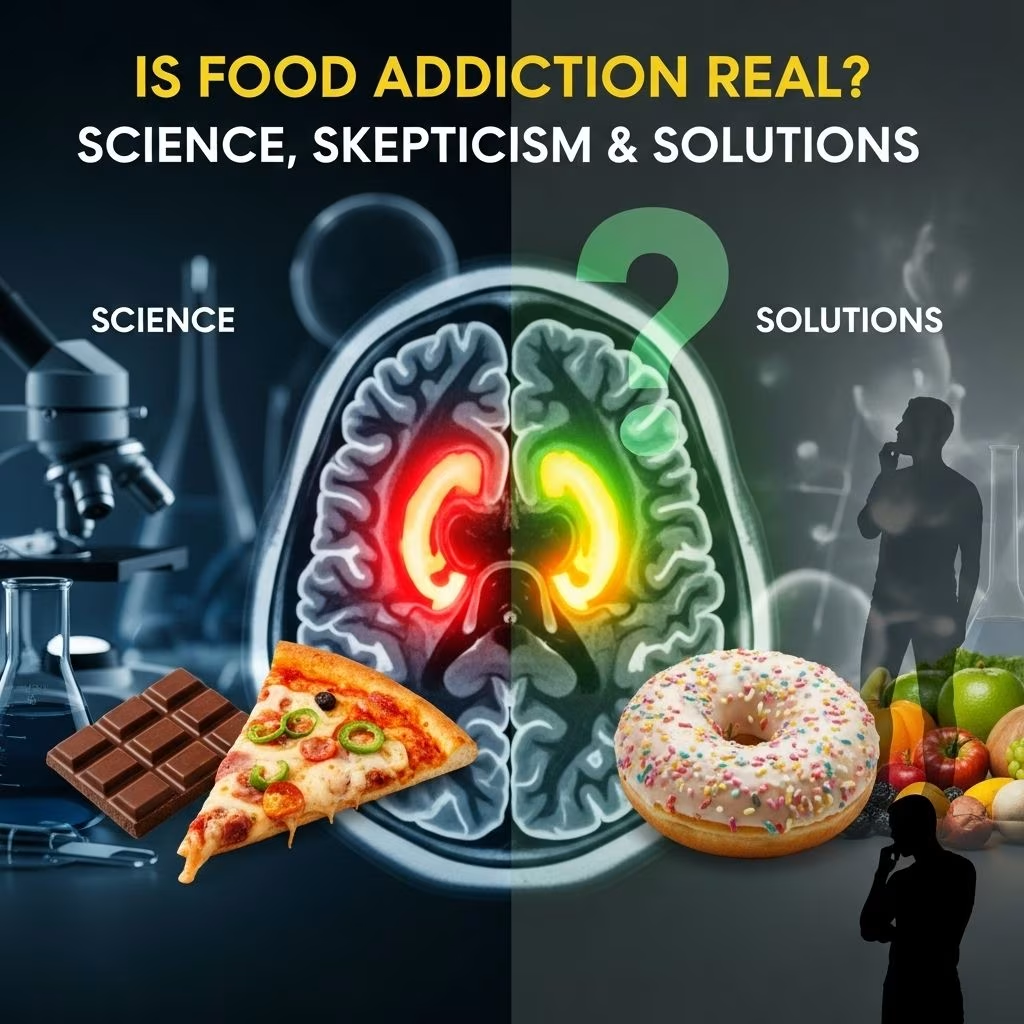
Is Food Addiction Real? Science, Skepticism & Solutions
Food addiction has become a widely debated concept in weight loss and nutrition, sparking strong opinions from both scientists and the general public. Some view food addiction as a legitimate explanation for struggles with cravings and overeating, while others see it as an excuse that undermines personal responsibility. This article explores the scientific evidence, arguments, and practical implications surrounding food addiction, offering insight for anyone interested in understanding its role in weight loss and health.
What is Food Addiction?
Food addiction describes a pattern of eating where individuals experience intense cravings, loss of control, and compulsive consumption, especially around highly palatable foods like sweets and fats. Often compared to substance addiction, food addiction involves symptoms such as:
- Craving specific foods, even when not physically hungry
- Loss of control over the amount eaten
- Consuming altogether too much, tolerance (needing more to get the same satisfaction), and withdrawal-like distress
- Feelings of guilt or dysfunction following binges
Tools like the Yale Food Addiction Scale (YFAS) have been developed to measure these characteristics, aiming to determine whether food addiction mirrors substance addiction in the brain and behavior .
The Science Behind Food Addiction
Scientific studies have investigated whether overeating certain foods produces changes in the brain similar to those seen in substance abuse. Research shows:
- Addiction-like brain changes, particularly in the mesolimbic dopamine system, the brain’s reward pathway.
- Animal studies indicate that intermittent access to highly palatable foods can lead to behaviors and neurochemical shifts reminiscent of traditional drug addiction (such as binge-eating and withdrawal symptoms).
- In humans, functional neuroimaging links higher YFAS scores to different reward processing in response to food cues.
Still, the concept remains controversial, with disagreement over its validity and implications for obesity, eating disorders, and personal responsibility.
Is Food Addiction an Excuse or a Real Condition?
Arguments from Skeptics
Many experts question whether food addiction is a legitimate diagnosis, arguing that:
- The term is overused and blurs the lines between everyday cravings and pathological addiction.
- Food addiction is frequently confused with binge eating disorder, and may stigmatize normal struggles with palatable foods.
- Using food addiction as a justification may undermine personal responsibility and effective behavioral change .
Arguments from Supporters
Supporters believe food addiction provides valuable insight for those struggling to control eating. They point out that:
- Some individuals experience intense, compulsive cravings that go beyond willpower or ordinary self-control.
- These tendencies are usually limited to certain foods, especially those high in sugar, fat, and salt.
- Recognizing food addiction can guide tailored interventions and reduce shame.
The Relationship Between Food Addiction, Cravings, and Weight Loss
Key Findings from Behavioral Studies
Recent research examined food cravings and addictive-like eating during a 14-week weight loss program:
- Participants with higher baseline food cravings lost significantly less weight over the program than those with fewer cravings.
- Food cravings and food addiction symptoms tended to decline as behavioral interventions continued.
- Individuals meeting criteria for food addiction did not lose significantly less weight compared to those without food addiction, though their average was slightly lower.
| Group | Average % Weight Lost | Craving Level | Food Addiction Criteria |
|---|---|---|---|
| Lowest Craving Tertile | 9.1% | Low | Does not meet |
| Highest Craving Tertile | 7.6% | High | May meet |
| Food Addiction | 6.5% | N/A | Meets criteria |
| No Food Addiction | 8.6% | N/A | Does not meet |
Impact of Specific Food Types
- Cravings for sweets and high-fat foods predicted less weight lost compared to cravings for complex carbs or fast foods.
- Declines in cravings for these food types occurred over the course of behavior modification interventions.
Food Addiction and Emotional Eating
Studies show that food addiction is linked closely to emotional eating, impulsivity, and low self-esteem. Individuals with food addiction tend to:
- Eat for stress relief as much as for pleasure; deprivation may trigger withdrawal-like stress and compulsive eating.
- Show weight bias internalization (WBI), meaning negative attitudes about their weight can worsen outcomes.
- Have lower self-efficacy—feeling less able to control eating and weight.
- Experience more weight cycling (losing, regaining)
This emotional component makes food addiction complex, and points to the need for treatments that address mood and self-image alongside eating habits.
The Neurobiology of Food Addiction
Food addiction is associated with changes in the same brain pathways that underlie substance addictions:
- Dopamine system activation: Highly palatable foods can stimulate dopamine in ways similar to drugs of abuse.
- Tolerance and withdrawal: Some report needing more of certain foods for satisfaction, and may feel irritable or anxious without them.
- Reward-driven to compulsive eating: Over time, motivation may shift from pleasure to compulsion, similar to drug addiction models.
However, food addiction is defined by behavioral patterns, not by obesity; some people who meet the criteria are not overweight, and vice versa.
Food Addiction vs. Binge Eating Disorder
- Food addiction and binge eating disorder share symptoms: loss of control, overeating, and distress.
- The distinction lies in the proposed neurobiological and behavioral mechanisms: food addiction is likened to substance abuse, while binge eating is considered a psychiatric disorder with broader emotional causes.
- Clinicians warn that not all individuals who binge eat meet food addiction criteria, and vice versa.
Personal Responsibility: Is Food Addiction a Free Pass?
The debate raises important questions about motivation and accountability:
- Does labeling eating behavior as an addiction reduce blame and stigma, helping people seek help?
- Or does it create a “victim mentality”—an excuse for not managing food intake and weight?
- Balance is key: recognizing underlying struggles while maintaining focus on behavior change and self-management for lasting health.
What Works: Strategies for Overcoming Food Addiction and Cravings
Effective Approaches
- Structured diets and portion control, especially those reducing exposure to trigger foods.
- Cognitive-Behavioral Therapy (CBT) to address emotional eating, impulsivity, and negative self-talk.
- Support groups and behavioral modification programs—declines in cravings and food addiction symptoms are often seen in these settings.
- Mindfulness techniques, stress management, and self-compassion exercises
- Identifying and avoiding environmental cues and triggers, such as certain foods, situations, or emotions
Potential Future Directions
- Neurobiological research continues to refine the diagnosis and possible treatments for food addiction, potentially including pharmacological options.
- Personalized interventions based on genetic, psychological, and behavioral markers.
- Greater integration of mental health, nutrition, and weight management services.
Frequently Asked Questions (FAQs)
Q: Can anyone become addicted to food?
A: While most people experience occasional cravings, food addiction appears to affect a subset of individuals—often those exposed to highly palatable foods, with emotional, neurochemical, or behavioral risk factors.
Q: Is food addiction the same as binge eating?
A: No, although they share symptoms. Food addiction is modelled on substance abuse, while binge eating disorder is a recognized psychiatric condition with broader emotional and psychological causes.
Q: Are certain foods more addictive than others?
A: Yes. Foods high in sugar, fat, and salt—such as sweets, fatty snacks, and processed foods—are most frequently associated with addictive-like behaviors and cravings.
Q: If I have food addiction, can I lose weight?
A: Weight loss is possible, but studies show individuals with frequent cravings or food addiction may lose less weight or struggle more. Targeted behavioral therapies and structured programs can help.
Q: Does calling overeating ‘addiction’ remove personal responsibility?
A: Most experts agree that recognizing food addiction should empower, not excuse. The goal is to provide compassion and practical help while still encouraging healthier choices and accountability.
Takeaways: Science, Compassion, and Action
- Food addiction remains controversial, but is increasingly supported by behavioral and neurobiological research.
- It is linked to intense cravings, loss of control, emotional eating, and sometimes less success in weight loss programs.
- Critics warn against over-pathologizing normal eating struggles and eroding accountability.
- Effective solutions balance scientific understanding with behavioral coaching, emotional support, and self-management.
If you struggle with food cravings or compulsive eating, focusing on structured approaches, emotional wellness, and practical coping strategies offers the best path to lasting change.
References
- https://pmc.ncbi.nlm.nih.gov/articles/PMC6711180/
- https://www.nature.com/articles/s41386-018-0203-9
- https://www.frontiersin.org/journals/psychology/articles/10.3389/fpsyg.2021.736454/full
- https://pmc.ncbi.nlm.nih.gov/articles/PMC5946262/
- https://news.cuanschutz.edu/news-stories/is-food-addiction-real-search-for-answer-could-help-rein-in-the-obesity-crisis
- https://onlinelibrary.wiley.com/doi/10.1002/fsn3.70799


