


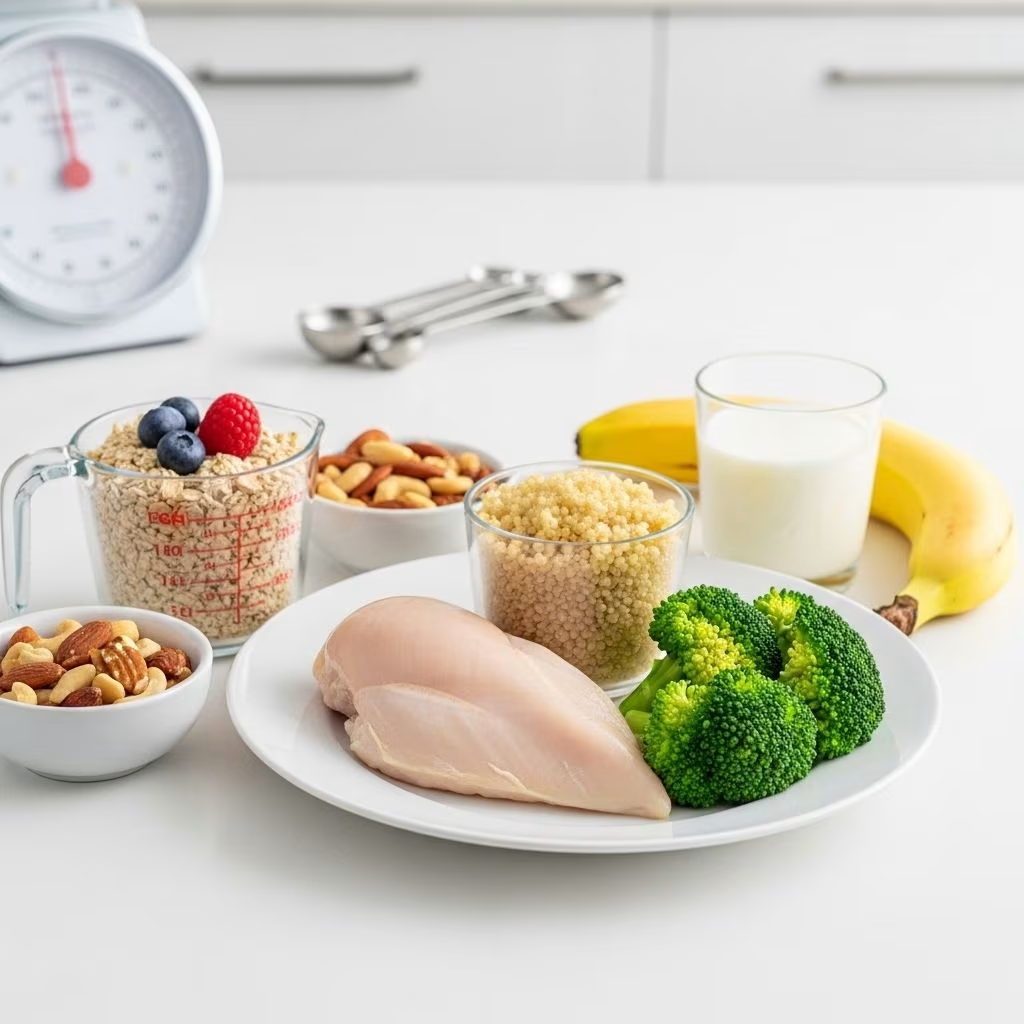
Understanding Serving Sizes: What Do They Really Look Like?
Knowing what a proper serving size looks like is fundamental to healthy eating, weight management, and making informed choices. With restaurant portions growing larger and packaged foods often misleading, distinguishing between portion size and serving size is key for anyone looking to maintain, lose, or manage their weight.
Below, you’ll find detailed explanations, practical visual guides, and actionable tips on how to master serving sizes in everyday life.
Serving Size vs. Portion Size: Clearing Up the Confusion
Serving size is the standardized amount listed on a product’s Nutrition Facts label, set by regulators for dietary guidance.
Portion size is how much you actually eat—a quantity you control, whether at home or away.
The terms are commonly confused, but knowing the difference helps make better eating decisions.
For example, a single restaurant meal may contain several ‘servings’ of key nutrients, while eating straight from a bag of snacks could mean you consume multiple ‘servings’ unintentionally.
- Portion Size: Controlled by you—depends on hunger, habit, and setting.
- Serving Size: Listed on food labels—based on averages or typical consumption.
Why Are Portion Sizes So Hard to Judge?
- Restaurants and takeout often provide quantities far larger than recommended servings.
- Food packages frequently contain multiple servings, though marketed as single-use items.
- Frequent extras (appetizers, bread, chips) easily add calories, sodium, and fat.
- Our ability to judge healthy portions is often skewed by oversized plates, bowls, and social expectations.
- Convenience foods are often sold in bulk sizes to encourage ‘value’ consumption.
According to federal data, daily available calories per person in the U.S. have soared from approximately 3400 to more than 4000 in the past century—a 600-calorie increase that significantly affects body weight and health.
Serving Size Guidelines: Your Visual Cheat Sheet
What does a regulatory ‘serving’ really look like? Use these common visual comparisons:
| Food Item | Recommended Serving Size | Visual Reference |
|---|---|---|
| Whole grain bread | 1 slice | The size of your hand |
| Cooked rice | 1/3 cup | A rounded handful |
| Cooked pasta | 1/2 cup | A tennis ball |
| Fresh fruit | 1 small piece | A baseball |
| Melon wedge | 1 wedge | No reference |
| Fruit juice (100%) | 8 fl oz | A small glass |
| Milk (non-fat/low-fat) | 1 cup (8 oz) | Coffee mug |
| Cheese | 2 oz | A domino |
| Lean meat/poultry/fish | 2-3 oz | A deck of cards |
How Food Labels Help (And Why You Still Need to Check)
Food labels display nutritional values based on a single serving. However, packages may contain multiple servings.
Always check:
- Serving size (top of label): Often listed in cups, grams, pieces, or slices.
- Servings per container: Indicates total number of servings per package.
- Calorie content: Shown per serving—multiply by number of servings eaten for total intake.
For example, if one serving of frozen lasagna equals 280 calories, but you eat two servings, you consume 560 calories.
How Have Serving Sizes Changed?
Recent FDA updates mean food labels now reflect what people typically eat, not theoretical ‘ideal’ amounts. For instance:
- Ice cream: Serving changed from 1/2 cup to 2/3 cup
- Yogurt: Serving changed from 8 oz to 6 oz
Important: Serving size is not a recommendation. It’s an average of current consumption patterns and may not match your nutritional needs.
How Much Should YOU Eat?
Your needs depend on:
- Age
- Current weight and height
- Metabolism
- Sex
- Physical activity level
Use the Dietary Guidelines for Americans, Body Weight Planner, or the MyPlate Plan to determine personalized recommendations for calories and food types.
Portion Control Strategies for Everyday Life
At Home
- Plate the correct serving for each person and store leftovers immediately.
- Use smaller plates and bowls to discourage over-serving.
- Read nutrition labels and measure bulk foods to avoid inadvertently eating multiple servings.
- Keep a food diary to monitor total intake, patterns, and progress.
When Dining Out
- Split appetizers and large entrees with friends.
- Skip extra bread baskets or chips.
- Request small sides, salads, or half-portions where offered.
- Ask for to-go containers and box half your meal before you eat.
Ordering Takeout
- Choose smaller sizes (small pizza vs. medium)
- Limit yourself to one slice of pizza, or halve large servings
- Share large (refillable) items—such as movie theater popcorn—to avoid eating the full amount.
Snack Time
- Serve snacks (including healthy options like fruits and vegetables) in individual containers rather than eating from the package.
- Measure nuts, chips, or crackers before serving.
Everyday Mindfulness
- Avoid eating in front of screens—distraction leads to mindless overeating.
- Pay attention to hunger cues, not social cues or stress.
- Keep a food journal or use a calorie tracking app.
How to Eat Well on a Budget
- Buy bulk, but measure servings to avoid overeating.
- Prepare meals at home with measured servings for each family member.
- Freeze leftovers for future meals to stretch your ingredients and control portions.
What Does a Healthy Portion Actually Look Like?
General serving size references from dietary guidelines:
- Vegetables: 1 cup raw leafy greens, 1/2 cup cooked
- Fruits: 1 small fruit/half cup chopped
- Grains: 1 slice bread, 1/2 cup cooked rice or pasta
- Protein: 2-3 oz cooked meat, fish, or poultry (deck of cards)
- Dairy: 1 cup milk/yogurt, 2 oz cheese
Tip: Many products marketed as single portions actually contain multiple servings—always check the ‘servings per container’ to avoid accidental overeating.
Common Portion Pitfalls
- Overestimating portions due to plate size or packaging
- Mindless snacking during movies or while at the computer
- Restaurant meals containing two or more servings per plate
- ‘Value’ packs or combo meals disguising multiple servings
- Miscalculating calories by ignoring serving sizes on food labels
Visual Portion Guide: Everyday Equivalents
| Food Group | Serving Size | How to Estimate |
|---|---|---|
| Meat, Poultry, Fish | 2-3 oz | Deck of cards |
| Cheese | 2 oz | Domino block |
| Grains (pasta/rice) | 1/2 – 1/3 cup | Tennis ball or cupped palm |
| Fruit | 1 small piece | Baseball |
| Milk/Yogurt | 1 cup | Coffee mug |
Frequently Asked Questions (FAQs)
Q: Why do restaurant portions seem so large?
A: Over the decades, restaurant and takeout meals have increased in size to meet customer expectations and perceptions of value, often exceeding recommended serving sizes by two or more times. Eating larger portions can quickly add excess calories to your diet without realizing it.
Q: How can I control my portions when socializing or celebrating?
A: Try sharing dishes, focus on conversation rather than eating, use smaller plates, and avoid refilling drinks or snacks automatically. Being mindful helps you better track your intake even during gatherings.
Q: What if the serving size listed seems too small for my appetite?
A: Serving sizes are based on nutritional guidelines and average consumption. If you require more food based on your activity level or metabolism, account for the additional servings in your overall daily calorie and nutrient goals. Focus on nutrient-dense foods—vegetables, whole grains, lean proteins—to satisfy hunger while managing calories.
Q: Can portion control help with weight loss?
A: Yes. Consistently eating recommended portion sizes prevents overconsumption and helps you create a calorie deficit for weight loss. Portion awareness is usually most effective when combined with mindful eating, balanced nutrition, and regular activity.
Q: How do measuring cups and kitchen scales help?
A: Measuring cups and scales give precise quantities that match serving size recommendations on labels, helping you avoid underestimating or overestimating portions. They’re especially useful for calorie-dense foods, like grains, nuts, cheeses, and meats.
Smart Shopping: Reading Food Labels for Serving Sizes
- Always check ‘servings per container’—tiny snacks or drinks can easily add up.
- For bulk packs, divide contents into labeled serving-size containers.
- Choose single-serving options when possible to discourage overeating.
Many products will display Nutrition Facts per serving, so compare that number to the amount you actually plan to eat.
The Bottom Line: Make Portion Control a Lasting Habit
- Distinguish between a product’s serving size and your personal portion to guide healthier choices.
- Adjust portions to age, activity, and desired health outcomes.
- Use visual cues, food labels, and mindful habits to build sustainable eating routines.
- Practice regular self-awareness: log meals, pay attention to hunger, and adapt portions with your goals.
By learning to identify true serving sizes, you can better manage calorie intake, support your health, and foster lifelong, mindful eating habits.
References
- https://www.heart.org/en/healthy-living/healthy-eating/eat-smart/nutrition-basics/portion-size-versus-serving-size
- https://www.niddk.nih.gov/health-information/weight-management/just-enough-food-portions
- https://www.prevention.com/weight-loss/a20469085/healthy-eating-at-restaurants-reduce-calories-with-smaller-portions/
- https://www.prevention.com/weight-loss/a20473778/simple-portion-size-chart/
- https://www.prevention.com/weight-loss/a20466917/your-guide-to-calories-and-portion-sizes/
- https://www.prevention.com
- https://www.prevention.com/food-nutrition/healthy-eating/a63423411/foods-you-should-not-eat/


