


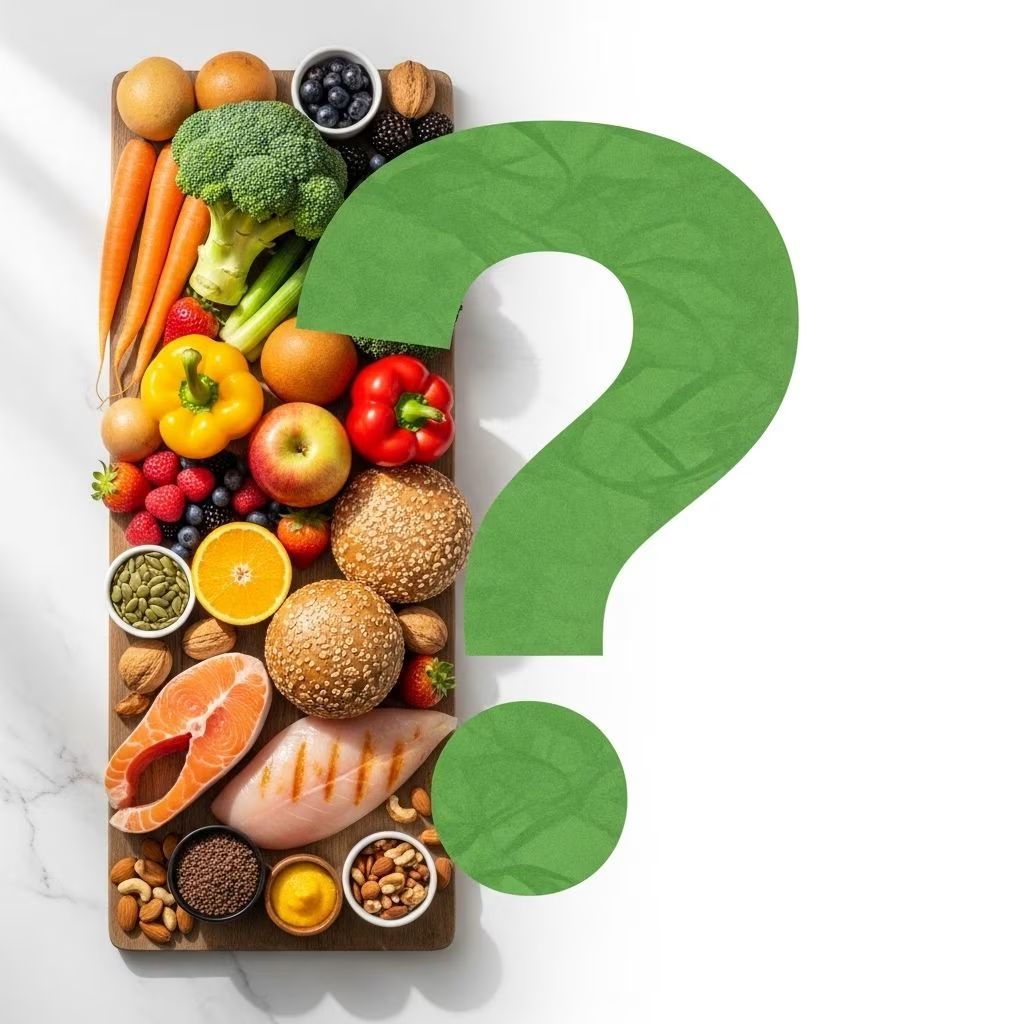
10 Warning Signs Your Diet Isn’t Working for Your Health
A well-balanced diet is essential for maintaining your overall health, energy, and mental clarity. However, modern eating patterns and weight loss trends often lead to nutritional gaps that could seriously undermine your wellbeing. Recognizing the early signs of a poor diet is crucial for making changes before more severe health issues arise. Here, we outline the most common warning symptoms that your eating habits may need an overhaul, explain why they occur, and offer actionable solutions.
1. Persistent Fatigue and Low Energy Levels
One of the most frequent complaints among those with poor dietary habits is relentless fatigue. When your body isn’t getting adequate protein, iron, or calories, you may experience ongoing tiredness and brain fog. Protein helps keep you alert, and iron supports oxygen transport in the blood; a deficiency in these can leave you feeling perpetually worn out and find it hard to concentrate.
- Signs: Difficulty focusing, drowsiness throughout the day, lack of motivation.
- Causes: Low protein, iron deficiency, insufficient calorie intake, excessive carbohydrates.
Adding iron-rich foods (beans, quinoa, lean beef) and balanced sources of protein such as eggs and legumes can restore energy and mental clarity.
2. Unrelenting Hunger and Food Cravings
If you constantly feel hungry—even soon after eating—or experience strong sugar and carb cravings, your diet may be lacking in protein and healthy fats. Carbohydrates alone digest quickly, causing blood sugar spikes followed by crashes that trigger pangs for snacks and sweets.
- Signs: Hunger one hour after meals, repeated desire for sugary or fatty foods.
- Causes: Meals lacking protein or healthy fats, excessive reliance on refined carbs.
Eating adequate protein at each meal and including healthy fats helps you feel fuller for longer and reduces cravings.
3. Dry, Flaky Skin and Hair Changes
Dietary deficiencies often first show up in your skin and hair. Protein, vitamins, and essential fatty acids are structural components for glowing, resilient skin and healthy hair growth.
- Signs: Dull, brittle hair; dry, flaky skin; breakage and thinning of hair.
- Causes: Low protein intake, inadequate vitamins A, E, and essential fatty acids.
Replenishing your diet with nuts, seeds, avocado, fatty fish, and eggs supports skin and hair health from the inside out.
4. Frequent Mood Swings, Irritability, and Anxiety
Your mood is strongly influenced by your diet. Protein delivers the amino acids necessary for making neurotransmitters like serotonin and dopamine. Diets lacking protein or calories can result in swings in mood, greater anxiety, and even mild depression.
- Signs: Increased irritability, swinging between feeling upbeat and down, general anxiety.
- Causes: Low protein, infrequent meals, severe calorie restriction.
If you’ve noticed becoming ‘hangry’ or less capable of handling stress, try eating regular, balanced meals with a protein source at each.
5. Missed Fitness Goals and Difficulty with Weight Loss
Exercise may not be enough to build strength or lose body fat if your diet is nutrient-poor. Inadequate protein slows down muscle repair, and excessive dieting can cause you to lose muscle instead of fat, making clothes fit poorly despite weight loss.
- Signs: Stagnant progress despite working out, weight fluctuates but body shape doesn’t change.
- Causes: Not refueling after workouts, insufficient protein intake, low calorie or fad diets.
Eating lean protein post-workout and avoiding extreme, restrictive diets supports muscle growth and healthy weight loss.
6. Hair Loss and Weak Nails
If you note excessive shedding or thinning hair, weak or brittle nails, your body may be missing key amino acids and micronutrients, which are fundamental for healthy hair and nails.
- Signs: More hair in your brush, thinning ponytail, nails splitting easily.
- Causes: Low-calorie and low-protein diets, missing out on vitamins and minerals.
Restoring protein intake and including sources of biotin, zinc, and iron are essential for reversing these symptoms.
7. Swelling, Bloating, or Digestive Issues
Constant bloating and swelling—especially in your legs and ankles—may point to a poor protein intake, as protein helps regulate fluid balance in and around cells.
- Signs: Persistent bloating, swelling in the extremities, water retention not explained by salt.
- Causes: Insufficient protein, poor electrolyte balance, dehydration.
Incorporate lean meats, dairy, beans, and drink plenty of water to maintain fluid equilibrium.
8. Weakened Immune System
If you find yourself catching more colds or infections, a low-protein diet may be depriving your immune system of the building blocks it needs. Protein powers antibody production and supports white blood cells, the body’s defense against illness.
- Signs: Frequent colds, slow healing, increased sick days.
- Causes: Not enough high-quality protein, deficiency in micronutrients such as zinc.
Eating protein sources rich in zinc—such as lean meats and legumes—can help boost immunity.
9. Extreme Diets or Restrictive Eating Patterns
It’s tempting to try rapid weight loss plans, but when diets are too extreme or demanding, they rarely work in the long-term and often cause nutritional deficiencies. If you’re constantly thinking about food, skipping meals, or following unsustainable rules, your body may not be getting what it needs.
- Signs: Thinking about food all the time, skipping meals, persistent hunger, lack of pleasure in eating.
- Causes: Overly extreme or fad diets, avoiding favorite foods, drastically cutting calories.
The best diets are balanced, enjoyable, and provide enough food to keep you feeling satisfied and energetic.
10. Headaches and Dizziness
Your brain relies on steady glucose from food to function. Skipping meals or cutting carbs too severely can lead to headaches, dizziness, or lightheadedness—signs your blood sugar is too low.
- Signs: Unexplained headaches, feeling shaky or faint, dizziness.
- Causes: Prolonged calorie restriction, low-carb diets, missing meals.
Consuming regular meals and snacks, incorporating whole grains and fruits, can help maintain stable blood sugar levels.
Common Nutrient Deficiencies and Their Symptoms
| Nutrient | Deficiency Symptoms | Best Food Sources |
|---|---|---|
| Protein | Fatigue, muscle loss, brittle hair/nails, mood swings, swelling | Lean meats, dairy, legumes, eggs |
| Iron | Extreme tiredness, pale skin, poor concentration | Red meat, beans, spinach, fortified cereals |
| Potassium | Irregular heartbeat, muscle weakness, high blood pressure | Bananas, potatoes, spinach, yogurt |
| Magnesium | Muscle cramps, insomnia, anxiety | Nuts, seeds, leafy greens, whole grains |
| Essential fatty acids | Dry skin, brittle nails, poor brain function | Fatty fish, nuts, seeds, olive oil |
How to Restore Balance: Strategies for a Healthier Diet
- Aim for variety: Eat foods from all food groups—fruits, vegetables, lean proteins, whole grains, and healthy fats—to ensure you’re getting a full spectrum of vitamins and minerals.
- Don’t skip meals: Regular meals and snacks keep your blood sugar stable and provide energy for your day.
- Include protein at every meal: Protein helps build and repair muscle, keep you satiated, and supports hormone balance.
- Stay hydrated: Water is crucial for metabolism, digestion, and fluid balance.
- Limit highly processed foods: Choose whole foods as much as possible to steer clear of additives and excess salt or sugar.
- Check for nutrient gaps: If you suspect a deficiency, request a blood test and consult with a healthcare provider or registered dietitian.
Frequently Asked Questions (FAQs)
What are the first signs of nutritional deficiencies?
Common early signs include fatigue, irritability, trouble concentrating, changes in hair or skin quality, and frequent cravings.
How does low protein affect my health?
Low protein intake can result in muscle loss, slowed metabolism, weaker immune function, mood swings, and difficulty losing fat.
Are extreme diets safe?
No, extreme diets are rarely sustainable or healthy. They often cause nutritional deficiencies and lead to rebound weight gain.
What should I do if my diet is making me feel unwell?
Review your food intake and look for gaps in protein, healthy fats, and micronutrients. Consult a dietitian or healthcare professional to create a plan for balanced, sustainable nutrition.
How can I improve my diet starting today?
Begin by adding more whole foods, ensuring each meal contains protein, and making time for regular meals. Avoid skipping meals and reduce highly processed foods for improved health.
Conclusion
Identifying and addressing the warning signs of a poor diet early can safeguard your long-term health, support sustainable weight goals, and boost your daily wellbeing. Listen to your body’s signals, nourish it with a variety of nutrient-dense foods, and seek professional advice if problems persist. By taking simple, science-backed steps to restore balance, you can feel better, look better, and thrive at any age.
References
- https://www.prevention.com/food-nutrition/healthy-eating/g65480366/low-protein-symptoms/
- https://www.prevention.com/food-nutrition/a67992757/signs-of-potassium-deficiency/
- https://www.prevention.com/weight-loss/g20451681/not-eating-enough-for-weight-loss/
- https://www.prevention.com/weight-loss/a20439260/7-diet-mistakes-that-prevent-weight-loss/
- https://www.prevention.com/food-nutrition/healthy-eating/a68067521/signs-not-getting-enough-protein/
- https://www.prevention.com/food-nutrition/healthy-eating/a64554839/signs-not-enough-protein/
- https://www.prevention.com/weight-loss/g20441544/losing-weight-without-trying/
- https://www.prevention.com/weight-loss/a20433766/different-food-obsessions-and-treatment/
- https://www.prevention.com/food-nutrition/g20498199/foods-you-should-never-eat/


