


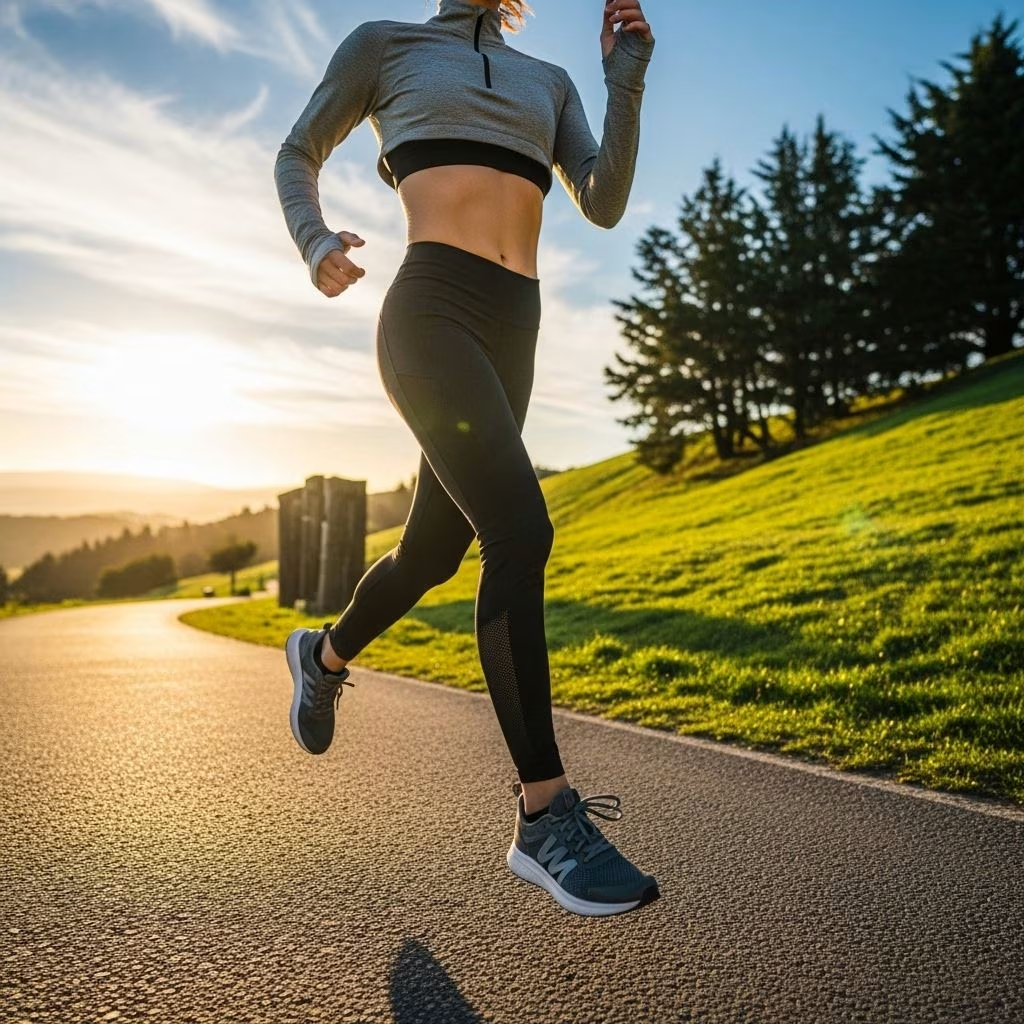
If you’re looking to flatten your belly and boost your health, walking offers a surprisingly effective solution. Unlike quick-fix exercise fads, walking is accessible, sustainable, and proven by research to burn calories and reduce dangerous visceral fat. This comprehensive guide explains how walking tackles midsection weight, provides actionable tips to maximize fat loss, and lays out a step-by-step 3-week plan to help you achieve lasting results.
Why Focus on Belly Fat?
Unlike fat stored elsewhere, abdominal fat—especially visceral fat around your organs—is associated with higher risks of heart disease, diabetes, and metabolic disorders. Reducing belly fat isn’t just about aesthetics; it’s about improving your overall wellbeing and longevity.
- Visceral fat is more metabolically active and dangerous than subcutaneous fat (fat under the skin).
- Excess belly fat can interfere with hormone function and increase inflammation in your body.
Can You Target Belly Fat by Walking?
The idea of “spot reduction” (losing fat in a specific area) is largely a myth. However, walking helps reduce overall body fat, which includes stubborn midsection fat*. High-quality studies show that consistent, moderate-intensity walking decreases both subcutaneous and visceral abdominal fat*. For most people, combining walking with a healthy diet leads to noticeable changes along the waistline.
Expert Insights
- Tara Schmidt, M.Ed., R.D.N. (Mayo Clinic Diet): “Any form of exercise, walking included, is crucial for weight loss and maintaining a healthy waistline. But it must be combined with a calorie-controlled diet for best results.”
- Peggy Pletcher, Exercise Physiologist: “Walking is accessible for almost everyone and can be easily adjusted in intensity to maximize calorie burn.”
The Science Behind Walking and Belly Fat
Walking is particularly well-suited to reduce belly fat because it:
- Burns calories gently over time, creating the calorie deficit needed for weight loss.
- Lowers cortisol levels—higher stress hormone levels are linked to increased abdominal fat.
- Improves insulin sensitivity, helping your body store less fat in the abdominal region.
- Reduces visceral fat, the dangerous fat deep in the abdomen, as confirmed by multiple scientific studies.
One study found that walking at both slow and fast speeds decreased abdominal fat in postmenopausal women, reinforcing that total volume and consistency are more important than pace alone.
How Much Should You Walk to Lose Belly Fat?
Consistency and duration matter most. Most experts recommend walking briskly for 30-60 minutes a day, five or more days per week, for meaningful fat loss. Depending on your starting fitness, this might mean 3-5 miles (or about 6,000—10,000 steps) daily.
- Start with shorter daily walks and gradually increase your time and distance.
- For best results, make walking part of your structured routine, not just incidental activity.
How Fast Should You Walk?
Your walking pace impacts calorie burn, but what’s most important is perceived effort. Try rating your exertion on a 1-10 scale:
- 2–3: Easy pace (can chat easily – warm-up or cool-down)
- 4–5: Brisk pace (breathing is heavier, conversation in short sentences)
- 6–7: Push pace (some huffing and puffing; one- to two-word replies)
- 8–9: Power pace (cannot talk; working hard or walking uphill)
If using a treadmill, start at 3.0 mph for an easy pace, 3.5–3.8 mph for brisk, and 4.0–4.5 mph for push or power pace*.
Additional Benefits of Walking
- Strengthens your heart – even modest walks lower blood pressure and cholesterol.
- Improves mood and reduces stress, both of which are correlated with lower body fat accumulation.
- Preserves lean muscle mass and maintains mobility, making it easier to stay active as you age.
- Enhances sleep, which in turn helps regulate appetite hormones.
Prepping for Success: Walking Routine Essentials
- Choose the right footwear: Invest in supportive shoes to prevent blisters and injury.
- Pick different routes: Vary terrain (sidewalks, hills, parks) to work muscle groups and prevent boredom.
- Time your walks purposefully: Walk after meals for blood sugar control or in the morning to boost metabolism.
- Track your progress: Use pedometers, smartphones, or fitness trackers to motivate and measure improvement.
How to Make Your Walks More Effective
- Let music set the pace: Create playlists that alternate between moderate and up-tempo songs for interval training.
- Use hills and stairs: Walking uphill or climbing stairs increases intensity and calorie burn.
- Incorporate strength moves: Add intervals of lunges, squats, or light weights for full-body toning.
- Join a friend or group: Social walking boosts accountability and enjoyment.
- Use proper walking posture: Stand tall, engage your core, and swing your arms for maximum effect.
Your 3-Week Walking Plan for a Flatter Belly
This beginner-friendly 3-week program progresses from building consistency to ramping up intensity and adding strength-based moves. Adjust for your personal fitness level, and consult your healthcare provider before beginning any new exercise plan.
| Week | Program Focus | Goal & Guidelines |
|---|---|---|
| Week 1 | Build Your Base |
|
| Week 2 | Pick Up the Pace |
|
| Week 3 | Power & Strength |
|
Intensity Scale Guide
- 2–3: Easy (Warm-up/Cool-down)
- 4–5: Brisk pace (Cardio, steady conversation)
- 6–7: Push pace (Short phrases only)
- 8–9: Power pace (All-out; no talking)
Tips to Get the Most Out of Your Walks
- Stay hydrated before, during, and after each walk.
- Fuel properly: eat a small snack 30–60 minutes before if needed, like a banana or yogurt.
- Stretch post-walk for flexibility and recovery.
- Keep a walking log to celebrate progress and spot trends.
- Listen to your body: slow down or rest if you feel pain or fatigue.
Diet Matters: Support Your Walking with Healthy Habits
Exercise alone rarely eliminates belly fat unless paired with sound nutrition. To maximize your progress:
- Build a calorie deficit by eating slightly fewer calories than you burn each day.
- Focus on whole foods: vegetables, lean proteins, healthy fats, and high-fiber grains.
- Reduce sugary drinks, processed snacks, and high-sodium foods that contribute to abdominal bloating and fat storage.
- Get enough sleep—poor sleep increases hunger hormones and makes fat loss harder.
Frequently Asked Questions (FAQs)
Can I just walk to lose belly fat, or do I also need to diet?
Walking helps burn calories and reduce fat everywhere, including your belly. For optimal results, combine walking with a healthy, calorie-controlled diet.
Is it better to walk faster or longer to lose more belly fat?
Both faster (higher intensity) and longer (greater duration) walks contribute to belly fat loss. The key is to keep challenging yourself with either intensity, duration, or both as you get fitter.
Can I split up my walks throughout the day?
Absolutely. Multiple shorter walks add up and are just as effective as one long walk for calorie burn and fat loss. Just aim to keep a brisk pace during each session.
When will I start to see results?
Visible results vary, but many see progress—in weight, waist size, or energy levels—in 3-6 weeks of consistent walking and healthy eating.
What if I have joint pain or am overweight?
Walking is low-impact and suitable for nearly all fitness levels, but always consult a healthcare professional if you have medical concerns. You can start slowly and build up as your joints and muscles adapt.
Success Strategies: Staying Motivated
- Set small, achievable goals like adding 5 minutes to daily walks each week.
- Find a walking buddy or support group for encouragement.
- Change up your routine with new music, podcasts, or scenic paths.
- Celebrate non-scale victories, like improved mood, sleep, or fitness.
Key Takeaways
- Walking is a powerful, sustainable way to burn calories and reduce belly fat when combined with healthy eating and regular activity.
- Consistency trumps intensity—make walking a daily habit for lasting impact.
- Follow the progressive, 3-week walking plan for structured results, but adapt as needed for your body and schedule.
References & Further Reading
- For more on diet and walking: “Flat Belly Diet Walk Off Your Belly Fat” by Prevention.
- Learn about walking benefits: “15 Major Benefits of Walking” by Prevention.
- Expert walking tips: “Experts Reveal Their Top Tips to for Walking to Lose Weight” by Prevention.
References
- https://www.prevention.com/fitness/a18765694/flat-belly-diet-walk-off-your-belly-fat/
- https://www.prevention.com/fitness/a20485587/benefits-from-walking-every-day/
- https://www.prevention.com/health/a65401665/expert-walking-tips-weight-loss/
- https://www.prevention.com/weight-loss/a20503861/walking-to-lose-belly-fat/
- https://www.prevention.com/weight-loss/a20458064/new-research-on-how-to-lose-belly-fat/
- https://www.prevention.com/weight-loss/a19036782/flat-belly-diet-flat-belly-shortcuts/
- https://www.prevention.com/fitness/a20494108/how-to-start-walking-for-weight-loss/
- https://www.prevention.com/fitness/g63499026/best-workouts-to-lose-belly-fat/
- https://www.health.harvard.edu/newsletter_article/taking-aim-at-belly-fat


