


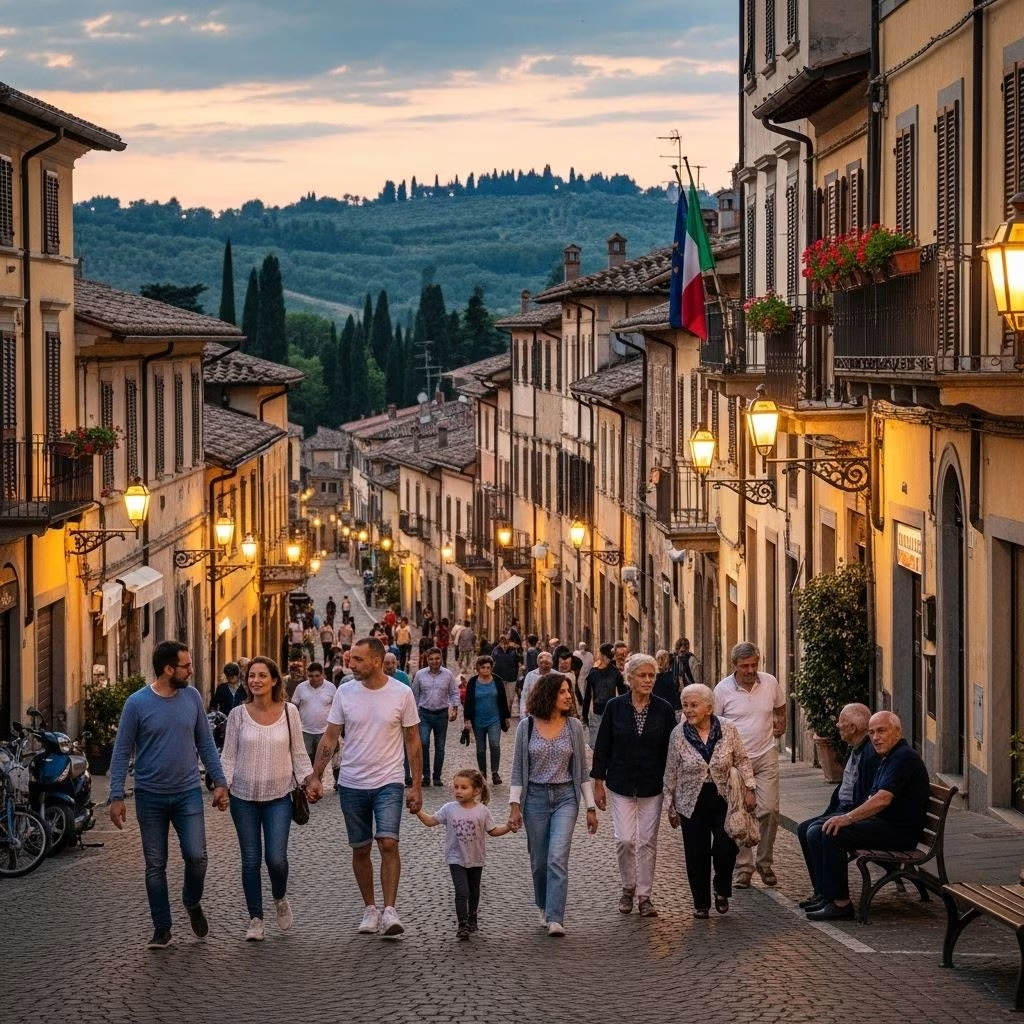
In a country renowned for bustling piazzas, rich cuisine, and enduring longevity, the Italians have mastered the art of blending health with pleasure. One of their simplest yet most influential rituals is la passeggiata—the leisurely after-dinner walk. This age-old practice isn’t just a cultural event, but a powerful, natural tool for weight loss and holistic wellbeing. Discover how dedicating just 15 minutes each evening to this Mediterranean tradition could transform your health.
What is La Passeggiata?
La passeggiata, which translates to “the stroll,” is an Italian evening tradition observed in cities, towns, and villages across the country. Locals step out after dinner, often dressed in their best, to walk through bustling streets or serene piazzas. The ritual serves as a time to socialize, digest, and reconnect with the rhythms of community life. This walk is not rushed; instead, it’s an unhurried, almost meditative meander after the evening meal.
Origins and Cultural Significance
The roots of la passeggiata run deep in Italian society. While its practice varies by region, the walk is especially popular in southern Italy. Couples, friends, and families join the post-dinner parade, exchanging greetings and engaging in light-hearted conversation.
- Streets and central squares come alive with laughter and conversation.
- No one is in a hurry; the focus is on presence, community, and enjoyment.
- The practice is intertwined with other Italian traditions, such as the aperitivo (pre-dinner drink) and digestivo (post-dinner drink), emphasizing the importance of mindful eating and living.
Why Italians Walk After Dinner: The Science Behind La Passeggiata
Much more than a cultural relic, la passeggiata offers measurable health benefits. Modern research and age-old wisdom intersect to explain why this simple act is so effective for digestion and weight management.
1. Aids Digestion
Walking after a meal, even at a leisurely pace, activates the muscles in your intestines and helps speed up peristalsis—the process that moves food through your digestive tract. A 2008 study found that post-meal walking accelerates gastric emptying, reducing discomfort from bloating, indigestion, and acid reflux.
2. Supports Weight Loss
La passeggiata is not a high-intensity workout; instead, it leverages gentle movement at the right time for sustained benefits. Walking after eating helps burn calories, curbing the tendency to relax on the couch and snack mindlessly. Over time, this habit aids in managing or reducing weight by engaging your metabolism after your largest meal of the day.
3. Improves Blood Sugar and Metabolic Health
Taking a walk after a meal helps balance blood sugar levels, especially important for people at risk of type 2 diabetes. Movement after eating prompts glucose to move from the bloodstream to muscle cells, where it’s used for energy instead of being stored as fat.
4. Enhances Heart and Mental Health
Regular after-dinner walks boost cardiovascular fitness and help protect against high blood pressure and heart disease. The ritual also reduces stress, anxiety, and symptoms of mild depression, offering a mood-lifting break from screens and daily demands.
How to Make La Passeggiata Part of Your Routine
Italy’s secret isn’t locked away behind borders or accessible only in quaint piazzas. No matter where you live, you can weave the passeggiata into your daily life. Here’s how to get started:
- Start Small: Begin with a 5-minute stroll after dinner. Around the block, through your building, or even in your backyard—the important thing is consistent movement.
- Build the Habit: Commit to your after-dinner walk every night for a week. Gradually increase to 10 or 15 minutes, or until you reach about 1,000–2,000 steps.
- Make It Social: Invite your family, friends, or neighbors. Use the walk as a time for connection, emulating the communal spirit of the Italian tradition.
- Adapt to Your Environment: Don’t let rain or cold deter you. Dress appropriately—it’s the habit, not the setting, that matters most.
- Add Mindfulness: Leave electronics behind. Use the time to connect with your surroundings, notice nature, and breathe deeply.
The Essential Benefits of Walking After Dinner
| Benefit | How It Helps |
|---|---|
| Improved Digestion | Stimulates intestinal movement, prevents bloating, reduces indigestion and reflux. |
| Weight Loss | Burns calories post-meal, prevents sedentary habits, supports metabolism. |
| Blood Sugar Control | Lowers post-meal glucose spikes, reduces diabetes risk. |
| Heart Health | Lowers blood pressure and cholesterol, improves circulation. |
| Mental Wellbeing | Reduces stress, improves mood and sleep quality. |
The Mediterranean Edge: More Than Just Moving
While la passeggiata is central, the Italian approach to health includes additional mindful “rules” focused on digestion and living well:
- Light, sweet breakfasts instead of heavy proteins.
- Never drinking milk-based coffees after breakfast (cappuccino only before 11 am).
- Enjoying an aperitivo before dinner to stimulate digestion and a digestivo after to aid it.
- Eating meals in a specific order: antipasti, primi, secondi, contorni.
- Prioritizing freshness, lightness, and simplicity over heavy, fried, or complex foods.
Passeggiata is a linchpin of this healthful lifestyle, aligning mealtime habits with movement, social connection, and mindful living.
Common Questions About La Passeggiata and Walking After Dinner
How soon after eating should I walk?
Experts recommend starting your walk within 15–30 minutes after finishing your meal to best aid digestion and metabolic health.
How long should my after-dinner walk be?
Begin with as little as 5–10 minutes and work up to 15–30 minutes, depending on your comfort and schedule. In Italy, one circuit around the neighborhood or town square is typical.
Do I need to walk briskly?
No. A slow, relaxed stroll is sufficient—this isn’t power-walking, but a gentle movement to help food digest and signals your body to wind down for the evening.
What if my town doesn’t have places to walk?
La passeggiata can happen anywhere: your own street, local park, or even at home (walking in place, up and down stairs). Adapt the ritual to your environment; consistency is the key.
Can la passeggiata help with weight loss?
Yes. While the calorie burn from a single walk is modest, the cumulative effect of daily movement after dinner supports a healthy metabolism, prevents overeating, and contributes to weight loss when paired with mindful eating.
Is the social aspect important?
For Italians, socializing is vital: being with others fosters accountability and enjoyment. However, even solo walks provide numerous health benefits. Consider combining both for the best of all worlds.
Tips for Creating Your Own La Passeggiata Ritual
- Set a reminder. Make your evening walk a non-negotiable part of your nightly routine—an appointment with yourself or loved ones.
- Leave digital distractions behind. Use the stroll as a time to disconnect from screens and reconnect with yourself or others.
- Notice the environment. Observing changes in your neighborhood or nature builds mindfulness and gratitude.
- Track your progress. Use a pedometer, phone app, or journal to record your consistency and benefits.
- Combine traditions. Pair your walk with a light digestivo or cup of herbal tea for an added nod to Mediterranean harmony.
The Big Picture: Little Habits Create Lasting Health
Italy continues to be one of the healthiest nations in the world, and the simple tradition of la passeggiata plays a substantial role. In an age when many struggle with sedentary lifestyles, just 10–15 minutes of movement each evening makes a tangible difference—in digestion, weight loss, mood, and longevity.
If you aspire to lose weight, manage blood sugar, or simply unwind and build connection at day’s end, try dedicating a small window of time each evening to your own passeggiata. The benefits extend far beyond the walk itself, rippling into every aspect of health and wellbeing.
Frequently Asked Questions (FAQs)
Q: What is la passeggiata and how does it differ from regular walking?
A: La passeggiata is a leisurely, social walk Italians take after dinner, emphasizing community, relaxation, and gentle digestive movement. Unlike purposeful exercise, it’s about pleasure and ritual rather than speed or distance.
Q: Can la passeggiata improve sleep?
A: Yes, a gentle evening walk helps reduce stress and promotes better sleep quality—one more reason Italians value this ritual.
Q: Is this practice suitable for all fitness levels?
A: Absolutely. The after-dinner walk can be enjoyed by people of all ages and abilities, making it an inclusive approach to better health.
Q: What should I wear for la passeggiata?
A: Italians often dress well for their evening strolls, but comfort matters most. Choose comfortable walking shoes and weather-appropriate clothing.
Q: Can I adapt la passeggiata for weight loss if I have mobility issues?
A: Yes. If you cannot walk outside, try gentle indoor walking or chair exercises after meals. The core idea is post-meal movement, not location or intensity.
Inspiration: Start Your Passeggiata Tonight
You don’t need Italian ancestry or a scenic piazza to benefit from this simple, powerful health ritual. As the sun goes down tonight, make time for a gentle walk—invite a loved one, watch the world slow, and let the art of la passeggiata work its wonders on your health and happiness.
References
- https://planethealth.online/2023/05/18/benefits-of-walking-after-a-meal-italys-la-passeggiata/
- https://italysegreta.com/digestion-rules-italians-still-live-by/
- https://www.youtube.com/watch?v=cSPIVuAsgyU
- https://timesofindia.indiatimes.com/life-style/health-fitness/fitness/what-is-passeggiata-this-italian-evening-walk-ritual-has-several-health-benefits/articleshow/117341786.cms


