


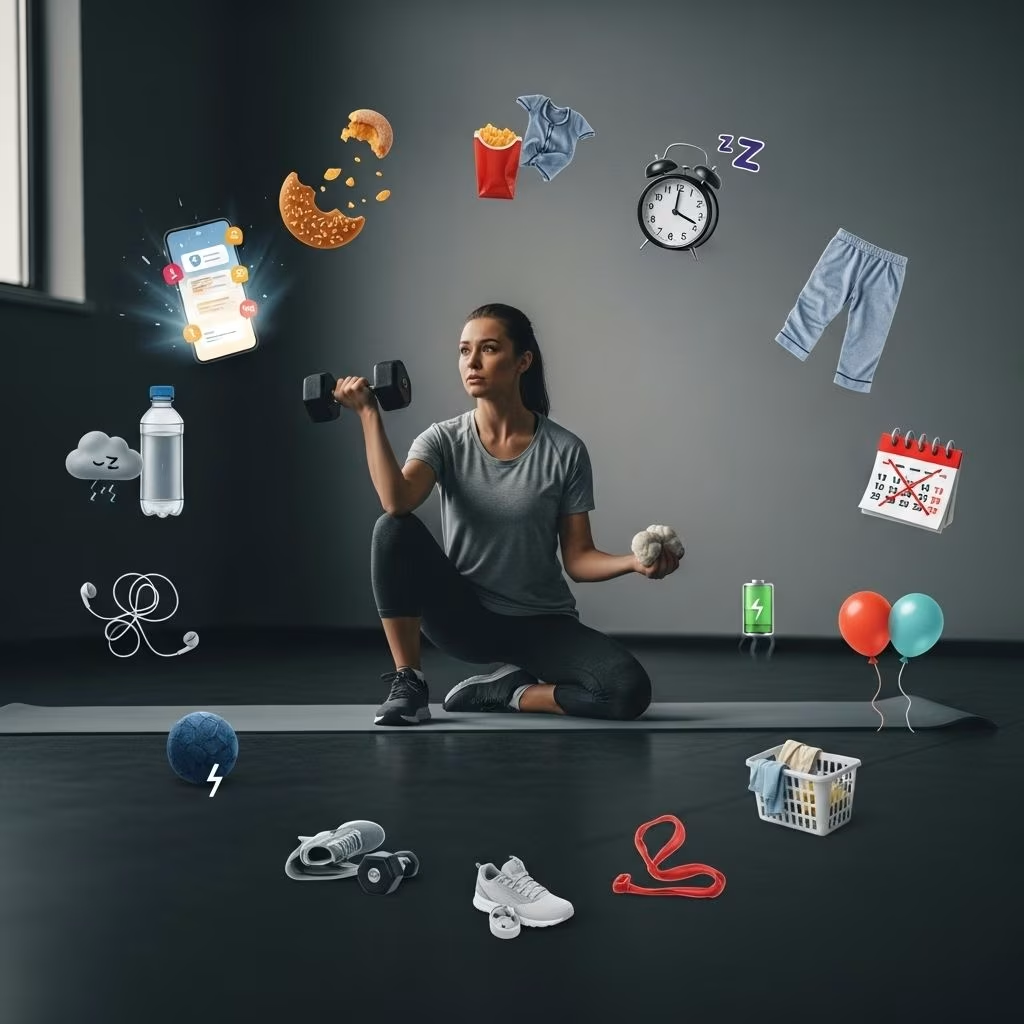
13 Surprising Factors That Secretly Sabotage Your Workout
Ever had a workout that just felt off—slow, unfocused, or unusually tough? You may be surprised to learn that details outside your fitness regimen can silently influence performance, motivation, and results. From the music on your playlist to the previous night’s sleep, science reveals that a collection of quirks and everyday habits can make or break your sweat session. Here are thirteen unexpected ways your workout can get derailed or supercharged, and what you can do to harness—or avoid—them.
1. Your Mood: The Mind-Body Connection
Emotions can shape everything from energy levels to motivation. Anxiety or a bad day at work may lead to shorter sessions or tempt you to skip exercise altogether. On the flip side, positive moods can boost enthusiasm, stamina, and resilience during tough routines.
- Tip: Before working out, take a moment to identify how you’re feeling. If stress is high, opt for activities like yoga or stretching, which can simultaneously soothe mind and body.
- Bonus: A short walk outdoors can help shift a negative mood and prepare you for a better workout.
2. Weather: Hot, Cold, and Everything In Between
Temperature and humidity levels profoundly affect your performance. Cold air can constrict airways—especially in those with exercise-induced asthma—while heat and humidity ramp up heart rate, cause dehydration, and sap energy faster.
- In hot weather, there’s increased risk of overheating and dehydration, which reduces time to fatigue.
- Cold weather can make breathing harder, reduce muscle flexibility, and increase the risk of injury, especially without a proper warm-up.
- Humidity amplifies sweat loss, which further decreases stamina and raises the risk of cramps or dizziness.
Tip: Adapt your session to the climate—shorten workouts in extreme heat or cold, hydrate often, and consider indoor training when outdoor conditions are harsh.
3. Music: Your Built-in Performance Enhancer
Listening to music does more than entertain. Research shows that up-tempo tunes and favorite tracks can increase pain tolerance, boost endurance, and make repetitive activity (like running or rowing) feel easier and more enjoyable.
- A fast beat can sync with your rhythm, encouraging a higher tempo during cardio.
- Personal favorites elevate mood and may even trigger a release of exercise “feel-good” endorphins.
- Slow or dreary songs, in contrast, may decrease intensity—and even prompt you to stop prematurely.
Tip: Build custom playlists with songs that motivate and inspire you for different workouts—energetic tunes for cardio, steady rhythms for strength routines, etc.
4. Workout Buddy: Solo vs. Group Dynamics
Are you a lone wolf or social exerciser? Studies reveal that those who exercise with friends or groups often work out longer, push harder, and experience greater post-workout satisfaction due to accountability, competition, and social support.
- Exercising alone gives flexibility but may reduce motivation for tougher or longer sessions.
- Group settings or a workout buddy often add a layer of fun and push you past perceived limits.
Tip: Mix up your workouts with occasional classes, running groups, or a partner to reap motivational benefits.
5. Hydration: Water, Electrolytes, & Performance
Even mild dehydration (a loss of as little as 2% of body weight in fluids) can diminish strength, endurance, coordination, and cognitive performance. Insufficient water intake may also slow recovery and amplify soreness the next day.
- Watch for: Dry mouth, headache, unusually fast fatigue, or dark urine.
- Tip: Sip water steadily pre-, during-, and post-exercise. Endurance athletes or those training in heat may benefit from sports drinks that replenish lost electrolytes.
6. Recent Meals: Timing and Food Choices
Both the timing of your last meal and its composition can strongly impact how you feel during a workout. Exercising on a completely empty stomach may lead to low energy, while a heavy or greasy meal can cause stomach upset or sluggishness.
- Optimal: Eat a balanced meal 2–3 hours before exercising, focusing on complex carbs, lean protein, and light fats (e.g., oatmeal with fruit, turkey sandwich on whole grain).
- Too soon or too heavy: May provoke cramps or create a “weighted down” feeling—especially with high-fiber, fatty, or rich foods.
Tip: For a pre-workout snack, choose easily digestible options 30–60 minutes before, like a banana, yogurt, or handful of nuts.
7. Lack of Sleep: Are You Too Tired To Train?
Sleep deprivation—whether from late nights, stress, or poor-quality rest—can reduce reaction time, slow metabolism, and spike perceived exertion (making a routine session feel extra difficult). Over time, chronic lack of sleep can blunt muscle repair, slow recovery, and even increase injury risk.
- Warning signs: Sore muscles that linger, need for longer recovery, sluggish pace, or trouble focusing on form.
- Tip: Prioritize 7–9 hours of rest nightly, and opt for lighter exercise on days after poor sleep.
8. Medications: Prescriptions & Over-the-Counter Effects
Certain medications—including allergy, cold, and decongestant drugs (especially those with pseudoephedrine), antihistamines, or some pain relievers—can spike heart rate, increase drowsiness, or raise blood pressure, all of which can negatively impact exercise performance and safety.
- Check your medicine labels: Watch out for side effects such as dizziness, fatigue, or dry mouth before hitting the gym.
- Consult your physician or pharmacist if you experience unusual symptoms during workouts after changes to your medications.
9. Location: Indoors vs. Outdoors
The environment you exercise in—whether a crowded gym or the fresh outdoors—can elevate or dampen your experience. Studies suggest exercising outdoors reduces anger, depression, and tension compared to working out inside, and may boost adherence to regular routines.
- Nature’s benefits: Sunlight, fresh air, and green surroundings increase feelings of wellbeing.
- Physical perks: Harder surfaces like natural trails or pavement develop more muscle strength than treadmills.
Tip: Aim for walks, jogs, or bike rides outside when possible.
10. The Influence of Your Gym Teacher (or Coach)
For many, attitudes formed in school gym class still echo in adult fitness. Negative experiences—such as ridicule, pressure, or unfair treatment by a coach or teacher—have lasting impacts on exercise motivation and confidence.
- Lingering negativity may make you less likely to enjoy or stick to a routine.
- Tip: Challenge negative self-talk by finding supportive environments, fun group classes, or a positive-minded coach to rekindle your motivation.
11. Your Menstrual Cycle: Hormonal Influences
Fluctuations in hormone levels can change energy, pain threshold, water retention, and even how muscles recover post-exercise. Some women note extra sluggishness, cramps, or reduced performance near their periods, while others feel no difference.
- Higher estrogen around ovulation may boost performance, while premenstrual drops can cause fatigue or aches.
- Tip: Listen to your body, adjusting intensity as needed. Gentle movement or restorative exercise may be more beneficial during low-energy phases.
12. Hot (or Cold) Hands: The Impact of Temperature
Research suggests that extremities—particularly your hands—directly influence workout stamina and comfort. Overheated hands (or general warmth) can prompt fatigue or shorten endurance, while keeping hands and palms cool may prolong your session and help you recover more swiftly.
- Women training with hands in cool water reported greater endurance and lower post-workout blood pressure.
- Tip: Carry a cold water bottle or use cool packs during hot weather workouts for an endurance boost.
13. Technology—From Apps to Wearables
While technology can motivate and help track progress, obsessing over numbers or incessant notifications can also distract from listening to your body’s cues. Over-reliance on calorie counts or step goals may lead to burnout or discouragement when expectations aren’t met.
- Use fitness trackers for encouragement, but avoid letting metrics overshadow how you actually feel during workouts.
- Tip: Schedule regular “tech-free” workouts to check in with your body’s natural rhythms.
Frequently Asked Questions (FAQs)
Q: Is it better to work out in the morning or evening?
A: Both times offer benefits. Morning exercise increases alertness and starts the day on a positive note, while evening sessions may align better with peak muscular strength and flexibility. Choose the time that fits your schedule and feels best for your body.
Q: How much does sleep really affect my fitness progress?
A: Chronic sleep deprivation impairs muscle recovery, suppresses immune function, and makes exercise feel harder, all of which can slow progress. Consistent quality sleep is as critical as the workout itself for improving fitness.
Q: Can music help me perform better during workouts?
A: Yes. Upbeat and motivating music can distract from fatigue, boost energy, and help you maintain a higher effort level—especially in endurance or repetitive activities like running or cycling.
Q: Should I exercise if I have a headache or feel a cold coming on?
A: Consult your physician for personalized advice. In general, light activity may help if symptoms are mild and above the neck (e.g., stuffy nose), but you should avoid vigorous workouts with fever, fatigue, or chest congestion—especially if on medication that causes drowsiness or elevated heart rate.
Q: Does the food I eat right before my workout matter?
A: Absolutely. A pre-workout snack rich in easily digestible carbs and a bit of protein can improve energy and endurance, while heavy, fatty foods or exercising on an empty stomach may slow you down or cause discomfort.
Quick Reference Table: Weird Things That Affect Your Workout
| Factor | How It Influences Workouts | Tip |
|---|---|---|
| Mood | Impacts motivation, energy, adherence | Pause to check in emotionally and choose matching intensity |
| Weather | Affects breathing, hydration, energy | Dress accordingly, hydrate, and adjust workout as needed |
| Music | Boosts mood, increases endurance | Create motivating playlists for diverse workouts |
| Workout Buddy | Enhances accountability, fun, and intensity | Alternate solo and social sessions for best results |
| Hydration | Reduces risk of overheating, injury, and fatigue | Drink water before, during, and after exercise |
| Medications | May cause drowsiness or raise heart rate/blood pressure | Consult with your doctor about timing and type of medication |
| Location | Influences motivation and adherence | Incorporate outdoor sessions when possible |
Note: This article is for informational purposes and is not intended to substitute for professional medical advice. Always consult a qualified health provider regarding specific health and fitness questions.
References
- https://www.foxnews.com/health/10-weird-things-affecting-your-workout
- https://www.prevention.com/fitness/fitness-tips/a20466434/pain-management-and-relief-through-exercise/
- https://www.prevention.com/weight-loss/a20443597/health-problems-that-make-you-gain-weight/
- https://www.prevention.com/fitness/a20438494/workout-truths-revealed/
- https://www.prevention.com/weight-loss/a20483150/weird-reasons-for-weight-gain/
- https://www.prevention.com/fitness/morning-exercises-relieve-stress
- https://www.prevention.com/weight-loss/a20463563/surprising-reasons-youre-always-hungry/
- https://www.prevention.com/weight-loss/g20441544/losing-weight-without-trying/


