


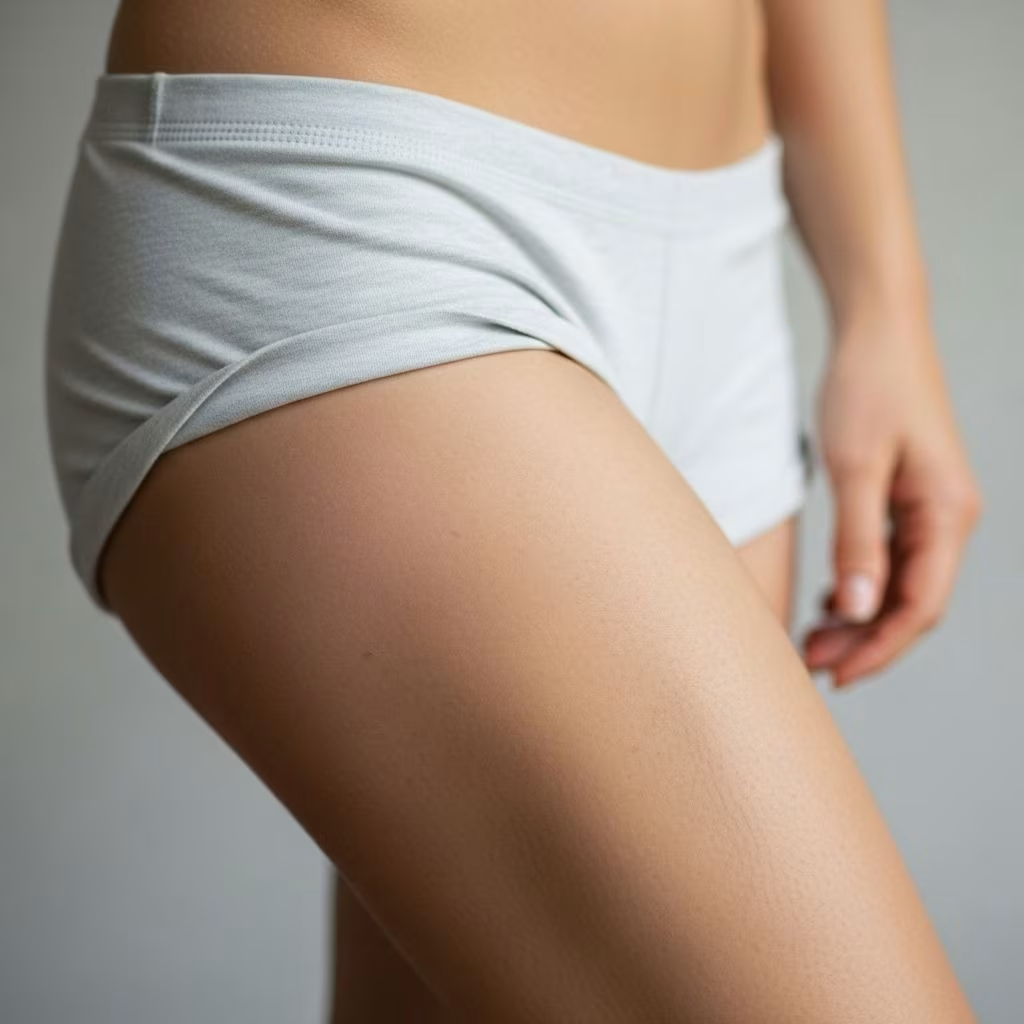
Why Thin People Get Cellulite Too: The Surprising Truth
When it comes to body image and beauty standards, few topics spark as much curiosity and confusion as cellulite. While often perceived as a problem faced by individuals with higher body fat, the reality is that cellulite can affect anyone—including those who are slim, athletic, and even professional models. In this article, we’ll examine the true nature of cellulite, why it’s not exclusive to people with higher body weight, the underlying factors at play, and what can be done to minimize its appearance.
What Exactly is Cellulite?
Cellulite is a term used to describe the dimpled, lumpy appearance of the skin, commonly found on the thighs, hips, buttocks, and abdomen. It develops when fat deposits push through the connective tissue beneath the skin, resulting in the familiar dimpled texture often compared to an orange peel.
- Cellulite is also known by its scientific name: gynoid lipodystrophy.
- It’s more visible in women than men due to differences in connective tissue structure.
- The appearance of cellulite is not a medical concern, but it can affect self-esteem and body image.
Why Thin People Still Get Cellulite
The notion that only people with higher body fat get cellulite is a widespread myth. In reality, everyone—even thin individuals—has layers of fat beneath their skin, and cellulite can develop regardless of weight or body composition. The likelihood and visibility of cellulite are influenced by various factors unrelated to overall fat levels.
- Even professional models and athletes report having cellulite, often hiding it through makeup, posing, or retouching.
- Cellulite is not a reflection of poor health or a lack of fitness.
All that’s truly required to develop cellulite is a certain amount of fat located within the hypodermal layer—which everyone has by necessity—combined with the structure of the connective tissue above it.
Factors That Contribute to Cellulite Formation
Understanding why cellulite appears in thin people requires a look at the underlying biological and lifestyle factors that can play a role:
- Connective Tissue Structure: The way collagen fibers are arranged beneath the skin determines whether fat cells will push through and create a dimpled effect. In women, these fibers often form a honeycomb pattern, which is more likely to allow fat bulging than the criss-cross arrangement found in men.
- Skin Thickness: Thinner skin makes cellulite more visible. Thin individuals, or those who lose significant weight, may have less underlying fat, but also less skin cushion, exposing dimpling more readily.
- Water Retention: Swelling and retention of fluids in the tissues can accentuate the appearance of cellulite, even in slim bodies.
- Hormonal Factors: Hormones, particularly estrogen, affect fat distribution and connective tissue structure, making some people susceptible to cellulite regardless of body size.
- Genetics: Genetic predisposition can determine both the likelihood of developing cellulite and where on the body it appears.
- Lifestyle Habits: Including sedentary lifestyle, poor diet, dehydration, and smoking, can weaken connective tissue and promote fat accumulation in the skin.
Cellulite vs. Body Fat: Understanding the Difference
| Cellulite | General Body Fat |
|---|---|
| Fat cells within the skin (hypodermal layer) bulge through collagen fibers. | Subcutaneous fat located beneath the skin and above muscle. |
| Structural issue involving skin, collagen, and fat interaction. | Primarily energy storage; accumulates with caloric excess. |
| Appears as dimpling, regardless of total body fat percentage. | May be present with or without visible cellulite. |
It’s important to remember: Cellulite is not the same as excess body fat. While both involve fat cells, the main difference is that cellulite is caused by how these cells interact with connective tissue, rather than simply by their abundance.
Cellulite at Any Age
Cellulite can start developing soon after puberty—meaning teenagers and young adults can be affected even at their slimmest phase. While the prevalence and severity may increase with age due to changes in hormones, skin elasticity, and tissue structure, it’s common for thin teens and young women to notice early signs of dimpling.
- Cellulite can start as early as age 13-14, particularly for girls due to hormonal changes.
- As we age, loss of muscle and thinning of skin can make cellulite more pronounced, even if body weight remains stable.
The Role of Genetics and Hormones
Genetics and hormones are two of the most influential, yet uncontrollable, contributors to cellulite development. Here’s how they factor in:
- Genetic Predisposition: Genes affect everything from the structure of your connective tissue to your distribution of fat and skin thickness. If your relatives have cellulite, you’re more likely to develop it as well.
- Sex Differences: Women are more prone to cellulite due to the orientation of connective tissue and hormonal differences, particularly higher estrogen levels.
- Hormonal Fluctuations: The use of oral contraceptives (the pill), pregnancy, and puberty all shift hormone levels in a way that can increase the likelihood of cellulite—not only by changing fat distribution but also by weakening connective tissue over time.
Does Losing Weight Make Cellulite Disappear?
It’s a common belief that simply losing weight will eradicate cellulite. While weight loss can reduce the volume of fat cells and sometimes improve the appearance of dimpled skin, it is not a guarantee, especially for those already at a low body weight.
- Losing weight may not smooth out skin if connective tissue issues persist.
- Thin people may see cellulite become even more noticeable after rapid weight loss due to loosened and thinner skin.
- Maintaining stable, healthy weight is more beneficial than yo-yo dieting.
Treatment Options: What Really Works?
If the presence of cellulite causes distress, there are both medical and lifestyle interventions that may help. However, results vary widely and “quick fixes” rarely deliver lasting or dramatic improvements.
Medical and Cosmetic Treatments
- Laser Therapy: FDA-approved techniques such as Cellulaze use laser energy to break up fibrous bands and stimulate collagen growth, providing longer-lasting results for some.
- Subcision: Involves a minor procedure where a tiny blade disrupts connective fibers under the skin.
- Radiofrequency and Ultrasound: Non-invasive therapies that heat the tissue to encourage collagen remodeling and fat breakdown.
- Fillers: Injectable treatments to increase skin thickness and disguise dimpling.
- Topical Creams and Deep Massage: While they may help temporarily by plumping the skin or increasing circulation, permanent reduction is unlikely.
Exercise and Muscle Tone
- Toning the Muscles: Strengthening underlying muscle can improve skin tautness and minimize dimpling.
- Exercises that target the lower body—such as squats, lunges, and side-to-side movements—may help reduce the visibility of cellulite by firming tissue beneath the fat.
- Interval Training: High-intensity workouts may help burn fat and maintain lean tissue, which can contribute to smoother skin appearance.
It’s important to consult with a medical provider to discuss risks, costs, and expected outcomes if considering medical treatments.
Prevention and Lifestyle Tips
While you may not be able to change your genetics, several healthy habits can help maintain smooth skin or minimize the severity of cellulite:
- Eat a diet rich in fruits, vegetables, and fiber. These foods promote healthy skin and reduce inflammation.
- Stay well-hydrated. Drinking water supports skin elasticity and connective tissue health.
- Exercise regularly. Both resistance and cardiovascular training support muscle tone and circulation.
- Avoid smoking. Cigarette toxins weaken skin and connective tissue, making cellulite more visible.
- Maintain a consistent, healthy weight. Avoid fad diets or rapid weight loss, which can leave skin looser and exaggerate cellulite.
- Limit excessive sugar and alcohol consumption. These lifestyle habits can worsen inflammation and fluid retention.
Boosting Body Confidence: Looking Beyond Skin Deep
Perhaps the most important approach to dealing with cellulite is changing how we see ourselves, and recognizing that even celebrities, athletes, and models are not immune. Cellulite does not reflect poor health or unworthiness. Embracing body diversity and normalizing imperfections can help everyone appreciate their body for all that it does—dimples and all.
- Cellulite affects people of all shapes, sizes, ages, and backgrounds.
- Its presence or absence is not a metric of fitness or beauty.
Self-acceptance, combined with healthy habits, is ultimately the most empowering strategy for coping with cellulite.
Frequently Asked Questions (FAQ)
Q: Can men get cellulite?
A: Yes, but it is less common due to differences in collagen structure and higher muscle mass under the skin.
Q: Why does cellulite develop after pregnancy or on birth control?
A: Hormone changes—especially increases in estrogen—alter fat distribution and weaken connective tissue, both of which increase the risk of cellulite.
Q: Is there a permanent cure for cellulite?
A: There is currently no permanent cure. Some treatments offer long-lasting reduction for a few years, but maintenance is often needed.
Q: Does drinking more water get rid of cellulite?
A: Hydration is beneficial for skin health but will not eliminate cellulite alone.
Q: Will building muscle remove cellulite?
A: Building muscle can help skin appear smoother and firmer but typically will not completely remove deeper cellulite.
Takeaway
Cellulite is a normal part of human biology—not a flaw or a sign of unhealthy living. By understanding the science behind dimpled skin and embracing a holistic approach to self-care, anyone—regardless of their body size or shape—can promote optimal skin health and a positive self-image.
References
- https://www.prevention.com/fitness/workouts/a20428427/6-moves-that-target-cellulite/
- https://www.lipotherapeia.com/the-peach-factor-blog/why-do-slim-young-women-get-cellulite
- https://medlineplus.gov/ency/article/002033.htm
- https://www.prevention.com/weight-loss/a20439863/cellulite-facts-and-tips/
- https://www.prevention.com/weight-loss/a20428959/thin-people-have-cellulite-too/
- https://www.prevention.com/fitness/workouts/a20473786/workout-mistakes-and-solutions-for-thinner-thighs/
- https://pmc.ncbi.nlm.nih.gov/articles/PMC10324940/
- https://www.mayoclinic.org/diseases-conditions/cellulite/symptoms-causes/syc-20354945
- https://www.aad.org/public/cosmetic/fat-removal/cellulite-treatments-what-really-works


