


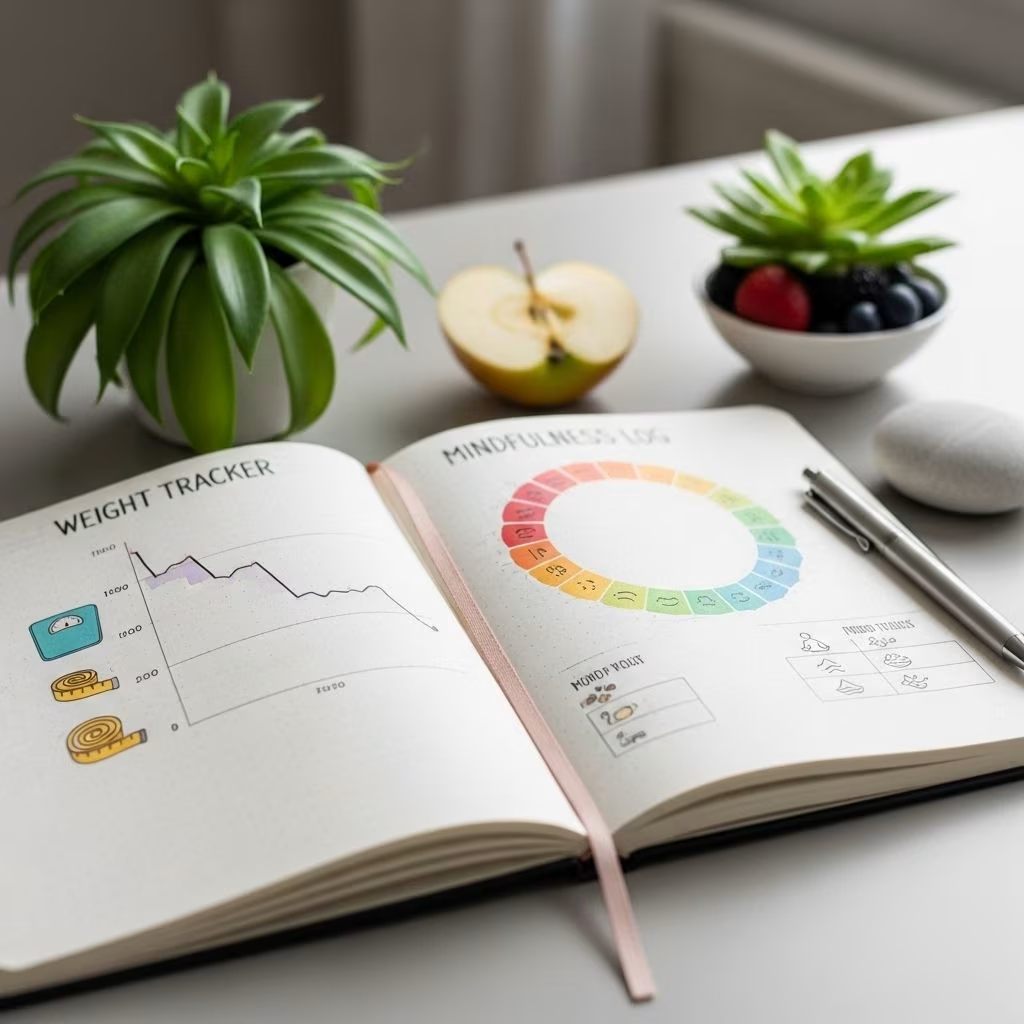
How Bullet Journaling Helped Me Lose Weight and Boost Mindfulness
Can a notebook really help you shed pounds and transform self-care? For many, the answer is yes—especially when that notebook becomes a personalized bullet journal for weight loss.
Why I Decided to Start Bullet Journaling for Weight Loss
Like many, I found myself frustrated with lack of progress. Traditional approaches—short-lived apps, inconsistent gym routines, even restrictive diets—never seemed to stick. On the advice of nutrition professionals and after hours researching colorful bullet journal templates on Pinterest and Instagram, I decided to try something different: making my own bullet journal for my health and fitness goals.
My main goals were simple, though not easy:
- Lose 20 pounds
- Build consistent activity into my routine
- Stop giving in to cravings as often as possible
I hoped that filling pages with colorful, handwritten notes and trackers would help me regain control. Experts agree—documenting lifestyle changes can lead to positive results, as it makes us aware of habits and progress over time.
How I Used My Bullet Journal to Track Fitness Goals
Accountability was my number one challenge. To tackle it, I dedicated several pages of my bullet journal to 30-day fitness challenges. Each month, I’d take on new goals—ab exercises, squats, push-ups—and record my progress daily.
- Smiley faces marked days I completed a workout, reinforcing my streak.
- Frowns signaled skipped days, creating visible cues to get back on track.
- I tracked the type of workout, duration, and how I felt afterward, providing both reflection and motivation.
This visual feedback loop was far more motivating than tapping finished workouts on a phone app. The act of physically creating each mark made my effort feel real—making it harder to skip sessions without reflection.
Making Healthier Food Choices With My Bullet Journal
Fitness was only one piece of the puzzle. Food journaling became the next tool. I tried multiple phone apps for food logging, but I’d stop using them after a few days—digital reminders just didn’t resonate. Instead, my bullet journal turned into a space for daily meal tracking and mindful eating reflection.
- I logged all meals and snacks by hand, making time twice a day to reflect with a cup of tea.
- This ritual helped me notice patterns and triggers for cravings.
- I included a separate page to list my most frequent cravings—for me, chips, garlic bread, and sugary drinks often reoccurred.
- Next to each craving, I drew a table for healthy swaps. When I wanted garlic bread, my journal reminded me to eat garlic-roasted zucchini chips instead.
| Craved Food | Healthy Alternative |
|---|---|
| Chips | Carrot or cucumber sticks with hummus |
| Garlic bread | Garlic zucchini chips |
| Sugary drinks | Flavored sparkling water |
This chart became my kitchen staple. When a craving hit, I didn’t have to agonize over resisting—I just reached for the substitute I’d already decided upon, reducing decision fatigue and temptation.
Bullet journaling also encouraged mindful eating. Reflecting on what I ate (and why) increased my awareness of portions, choices, and emotions tied to food.
I Lost 10 Pounds—And Gained a New Mindset
After my first month of bullet journaling, I’d lost 10 pounds. But the scale wasn’t the only improvement—bringing mindfulness to my weight loss journey also impacted other parts of my life.
- Mindful journaling improved my mood and energy throughout the day.
- I became more organized, spending less mental energy worrying about unfinished tasks.
- Mindfulness expanded into daily routines, making me more present in relationships and other activities.
Bullet journaling served not just as a logbook but as a catalyst for change—becoming mindful in one area led to greater overall awareness and self-compassion.
Getting Started: Bullet Journal Strategies for Weight Loss
If you’re intrigued by the power of bullet journaling, here are key steps and strategies to begin:
- Set clear, realistic goals. Instead of lofty or vague resolutions, break objectives into actionable steps. Examples:
- Walk 8,000 steps per day
- Try a new vegetable each week
- Complete a 30-day squat challenge
- Create trackers for workouts and meals. Use grids or logs to visualize daily and weekly habits.
- Chart your cravings. Notice what foods you reach for most often and plan satisfying replacements ahead of time.
- Reflect daily or weekly. A short daily check-in helps reinforce goals and identify triggers or small wins.
- Personalize your format. Use stickers, colors, drawings, or minimalist black-and-white—it’s about function, not perfection.
Popular Bullet Journal Page Ideas for Weight Loss
- Weight loss tracker graph (e.g., visualize pounds lost over time)
- Meal planning spreads with shopping lists
- Weekly fitness layouts with space for notes
- Hydration trackers (tracking water intake)
- Gratitude logs to celebrate small victories
Common Pitfalls and How to Overcome Them
- Comparing your journal to others. Social media is full of elaborate layouts, but focus on what works for your lifestyle, not on visual perfection.
- Feeling pressured for consistency. Experts recommend flexibility—if you miss a day, simply start again. Sustainable change beats all-or-nothing thinking.
- Overloading yourself with data. Too much structure can become overwhelming. Track what motivates and informs you—ignore what doesn’t support progress.
The Science Behind Journaling for Weight Loss
Numerous studies confirm that self-monitoring—whether through journals or logs—correlates with greater weight loss and maintenance. Writing by hand requires reflection, which can:
- Increase accountability
- Enhance motivation
- Facilitate emotional processing of setbacks or wins
Creating a habit with bullet journaling is also supported by research showing that it may take 21 days or more to cement a new behavior. Building a journaling practice enhances not just physical health but emotional resilience.
Practical Tips for Bullet Journal Success
- Choose a journal you enjoy using—size, paper quality, and design all matter if they motivate you.
- Schedule journaling into your daily routine, such as during morning coffee or bedtime tea.
- Don’t seek perfection, seek progress. Your journal is a tool, not a masterpiece.
- Prepare for life’s disruptions. If you slip, simply resume where you left off.
- Share your goals with an accountability partner for extra encouragement, if needed.
Bullet Journaling: Real-Life Benefits Beyond the Scale
My bullet journal started as a weight loss experiment—and became a tool for all-around wellbeing. The biggest gains went beyond pounds lost:
- Mindfulness in daily choices, from meals to relationships
- Improved organization and productivity
- Greater self-compassion and patience with the ups and downs of habit change
Whether you want to eat better, move more, or become more grateful, bullet journaling is a flexible method that can keep you on track, no matter how hectic life becomes.
Frequently Asked Questions (FAQs)
Q: How do I start a bullet journal for weight loss if I’ve never journaled before?
A: Start with a simple notebook. Create columns or grids for tracking meals, workouts, or emotions. The most important part is consistency—don’t worry about artistry or perfect handwriting.
Q: Can bullet journaling work if I’m not a visual person?
A: Yes! Bullet journaling is meant to be adapted. Use lists, charts, or even checklists if that works best for you. Visual creativity is optional.
Q: How often should I update my bullet journal?
A: Ideally, review or write in your journal daily or at least a few times per week. Regular reflection maximizes benefits and helps reinforce habits.
Q: What should I do if I miss a few days (or weeks)?
A: Don’t view missed days as failure—simply turn the page and begin again. Flexibility and self-kindness ensure longevity with the practice.
Q: Are there templates I can use to get started?
A: Many resources on Pinterest or Instagram provide free templates for fitness, meal logging, and habit tracking. Start with a template—but make changes based on your personal preferences and needs.
Q: Do bullet journals help with emotional or mindful eating?
A: Yes. Recording thoughts and emotions alongside meals can reveal patterns—such as stress eating or boredom snacking—that might otherwise remain hidden.
Q: Should I talk to my doctor before starting a weight loss journal?
A: Yes. Consulting a physician ensures that your fitness and dietary goals are safe and sustainable for your body and health status.
Key Takeaways
- Bullet journaling provides structure, accountability, and personalization for health and weight loss goals.
- Tracking cravings and planning healthy swaps can re-wire your response to temptation.
- Daily reflection fosters mindfulness and organizational skills far beyond your diet.
- Don’t seek perfection—focus on progress, flexibility, and self-compassion. Even imperfect tracking leads to results.
Bullet journaling helped me lose weight, build habits, and gain a deeper sense of awareness and wellbeing. Whether you’re seeking weight loss, better health, or a more mindful daily routine, this personal approach can help set—and keep—you on the right path.
References
- https://www.prevention.com/weight-loss/a20511023/bullet-journal-weight-loss/
- https://www.prevention.com/weight-loss/a20433861/follow-this-weight-loss-timeline-to-a-tee-for-results-that-stick/
- https://www.prevention.com/weight-loss/a20437900/success-stories-lose-weight-and-keep-it-off/
- https://www.prevention.com/author/15356/erinne-magee/
- https://www.prevention.com/weight-loss/g20434243/how-5-women-lost-150-pounds/
- https://www.prevention.com/weight-loss/a20496269/positive-thinking-helps-maintain-140-pound-weight-loss/
- https://www.prevention.com/weight-loss/a20430258/tiny-weight-loss-goals-helped-me-lose-weight/
- https://www.prevention.com/weight-loss/g20511161/number-one-major-weight-loss-tip/
- https://www.prevention.com/weight-loss/g20498928/mistakes-that-sabotage-weight-loss/
- https://www.prevention.com/weight-loss/a20477935/weight-loss-and-depression/


