


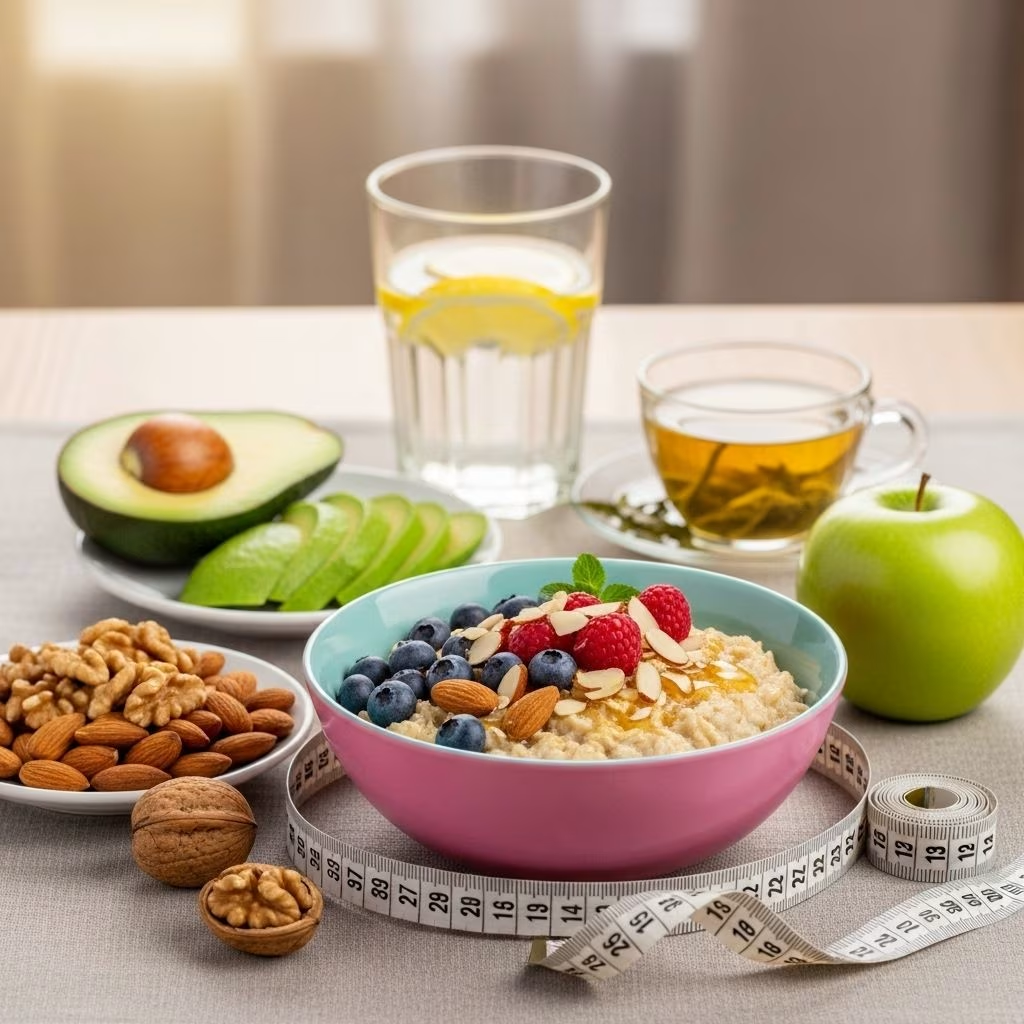
12 Surprising and Effective Ways to Halt Your Hunger Instantly
If you’re on a journey to shed pounds or simply want to control pesky cravings, understanding how to manage your hunger is crucial. From eating habits and food choices to psychological tricks, these 12 science-backed strategies will help you master your appetite—and keep your goals on track.
1. Eat More Protein at Every Meal
Protein is a powerful hunger suppressant. Compared to carbohydrates or fat, protein keeps you feeling satisfied longer by influencing both your digestive tract and your brain’s chemistry, which boosts feelings of satiety and alertness. Include lean proteins such as chicken, seafood, eggs, tofu, beans, or Greek yogurt in every meal and snack to tap into this hunger-busting benefit.
- Reduces cravings and post-meal snacking
- Helps maintain muscle mass during weight loss
- Improves energy levels
2. Fill Up with High-Fiber, Water-Rich Foods
Foods loaded with fiber and water take up space in your stomach, helping you feel fuller for longer—without extra calories. Focusing on non-starchy vegetables like spinach, broccoli, and cucumbers, alongside watery fruits like watermelon and pineapple, can help tame hunger mid-day. Berries, apples, and legumes are also excellent high-fiber options.
- Fiber promotes digestive health and steadies blood sugar
- Watery veggies and fruits add bulk with minimal calories
| Food | Water Content (%) | Fiber (g/serving) |
|---|---|---|
| Cucumber | 96 | 0.5 |
| Watermelon | 92 | 0.6 |
| Spinach | 91 | 2.2 |
| Black Beans | 70 | 7.5 |
3. Use Exercise Wisely to Manage Appetite
Physical activity can lower levels of ghrelin, a hormone responsible for stimulating appetite, helping to suppress hunger following a workout. Remember, balanced fueling is key: exercise can increase hunger if you skimp on pre- or post-workout nutrition.
- Short aerobic workouts curb appetite for several hours
- Strength training builds metabolism-supporting muscle
- Find the right personal balance: refuel well, but not excessively
4. Hydrate—Don’t Confuse Thirst with Hunger
Many people mistake thirst for hunger. Drinking fluids during meals, or grabbing a glass of ice cold water when hunger strikes, can help fill your stomach and reduce sudden cravings. Add fresh herbs, lemon, or cucumber for taste variety, and stay on top of your hydration with these tips:
- Carry a reusable water bottle throughout the day
- Drink before meals to enhance fullness
- Try herbal teas for comfort and appetite suppression
5. Smaller, More Frequent Meals
Eating small portions every few hours stabilizes blood sugar and discourages the dramatic dips that trigger hunger pangs. Plan healthy snacks and mini-meals comprised of protein and high-fiber foods to stay satisfied without overeating.
- Reduces risk of binge eating
- Supports steady mood and metabolism
6. Heavier Dishes Can Trick Your Brain
Even the weight of your dish or bowl affects how full you feel. Research shows people rate the same portion as more satisfying when served in a heavier container. Heavier dishes provide subtle cues of substance and quality, encouraging you to eat less while feeling satisfied.
7. Downsize Your Plates and Utensils
Serving yourself on a small plate or bowl can significantly reduce the amount you eat—even by over 30% compared to larger dishes. Similarly, eating with a small fork requires more bites to finish a meal, naturally slowing your pace and boosting satiety.
- Start meals with a salad plate instead of a dinner plate
- Use smaller forks and spoons to regulate eating speed
| Plate Size | Average Intake Increase |
|---|---|
| Large (Dinner Plate) | +31% |
| Small (Salad Plate) | Baseline |
8. Mindful Chewing—Chew More, Eat Less
Chewing each bite thoroughly and slowly can trick your body into feeling fuller faster. Research has found that increasing chewing duration dramatically decreases overall intake, as it gives your brain time to register satiety signals.
- Put utensils down between bites
- Try chewing gum before meals to engage appetite-regulating processes
- Eat with your non-dominant hand to stay conscious of eating pace
9. HALT and Check Your Real Needs
Before you cave to hunger, ask: are you really Hungry, Angry, Lonely, or Tired? The HALT method, borrowed from Overeaters Anonymous, prompts awareness of emotional triggers behind eating. If you’re not genuinely hungry, focus on nurturing your emotions instead.
- Identify emotional or mental hunger vs physical hunger
- Seek connection, rest, or stress relief over mindless snacking
10. Notice How Food Makes You Feel
Paying attention to your body’s reactions to different foods can guide you toward healthy choices. Mindful eating means noticing flavors, textures, and effects on mood, energy, and satisfaction. Research suggests that pleasure in food is greatest when portions are reasonable—overeating actually reduces enjoyment and may lead to discomfort.
- Pause mid-meal to assess fullness and satisfaction
- Make notes on which foods energize and satisfy you best
11. Choose Hunger-Suppressing Foods
Certain foods have extra appetite-fighting power. Here are some easy additions to your diet with proven benefits:
- Avocado: Studies show half an avocado at lunch can reduce hunger into the afternoon.
- Popcorn: This whole grain is packed with fiber and polyphenols, making it filling and heart-healthy.
- Sourdough bread: The fermentation process steadies blood sugar, reducing ravenous feelings after meals.
- Hot peppers & chili: Cayenne and other spicy peppers increase calorie burn and decrease appetite.
- Rye bread: Often made with sourdough starter, it can similarly suppress sudden hunger.
| Food | Hunger Suppression Benefit |
|---|---|
| Avocado | Cuts hunger by up to 50% for hours after lunch |
| Popcorn | Whole-grain fiber and antioxidants provide lasting fullness |
| Sourdough bread | Fermentation moderates blood sugar swings |
| Chili/Peppers | Suppresses appetite and increases calorie burn |
12. Get Support—Lean on Others and Build Better Habits
Support systems make hunger management easier. Whether it’s friends, family, therapy, or support groups, sharing challenges relieves stress and provides accountability. Making healthy eating social can also minimize emotional eating triggers and encourage positive behavior changes.
- Join weight loss or mindful eating groups
- Share victories and setbacks with supportive peers
- Seek professional guidance if hunger feels out of control
Frequently Asked Questions (FAQs)
Q: What is the fastest way to curb hunger between meals?
Drinking water or choosing high-protein, high-fiber snacks such as Greek yogurt, nuts, or fresh veggies are quick and reliable ways to suppress hunger without overeating.
Q: How can I tell the difference between true hunger and stress eating?
True hunger builds gradually, often accompanied by physical sensations like a growling stomach or fatigue. Stress eating tends to come on rapidly and is often linked to emotions like boredom, stress, or anxiety. Use the HALT method to pause and assess your real needs.
Q: Are there foods I should avoid to stop hunger spikes?
Sugary snacks, refined carbs (white bread, pastries), and highly processed foods cause rapid blood sugar fluctuations, leading to frequent hunger. Choose whole grains, lean proteins, and healthy fats instead.
Q: Does sleep affect hunger?
Yes. Poor sleep increases appetite hormones and lowers self-control, making you more prone to cravings and overeating the next day. Prioritizing rest supports healthy hunger signals.
Q: Is chewing gum good for controlling appetite?
Chewing gum before meals activates mouth muscles and can suppress appetite for a short period, helping you eat less. Choose sugar-free options for best results.
Summary Table: 12 Hunger-Stopping Strategies
| Strategy | Key Benefit |
|---|---|
| Eat More Protein | Stable satiety, reduced snacking |
| High-Fiber, Water-Rich Foods | Fullness, low calorie cost |
| Exercise Smarter | Suppresses hunger hormones |
| Drink Fluids | Hydration, delayed hunger |
| Frequent Small Meals | No blood sugar crashes |
| Heavier Dishes | Greater psychological satisfaction |
| Small Plates & Utensils | Automatically eat less |
| Mindful Chewing | Slows eating, boosts satiety |
| HALT to Assess Emotions | Stop emotional eating |
| Notice Food Effects | Better food choices, enjoyment |
| Hunger-Suppressing Foods | Long-lasting fullness |
| Social Support | Accountability, emotional relief |
Conclusion
Hunger doesn’t have to sabotage your healthy lifestyle or weight loss efforts. These proven strategies—grounded in science and practical advice—offer immediate and sustainable ways to tame your appetite, improve food satisfaction, and stay in control. Experiment with the approaches that work best for you, and remember: awareness and support go a long way in mastering your hunger for good.
References
- https://www.herbalife.com/en-us/wellness-resources/articles/control-hunger
- https://www.prevention.com/weight-loss/a20472840/how-to-prevent-binge-eating/
- https://www.prevention.com/weight-loss/a20436800/how-more-chewing-leads-to-eating-less/
- https://www.prevention.com/weight-loss/a20440358/foods-that-stop-hunger/
- https://www.prevention.com/author/214084/julia-westbrook-for-rodalewellness-com/
- https://www.prevention.com/weight-loss/a20435183/tips-on-how-to-stop-overeating/
- https://www.prevention.com/food-nutrition/g20487704/how-to-stop-stress-eating/
- https://www.prevention.com/weight-loss/a20467668/5-myths-about-weight-loss-that-are-holding-you-back/
- https://www.healthline.com/nutrition/how-to-stop-food-cravings


