


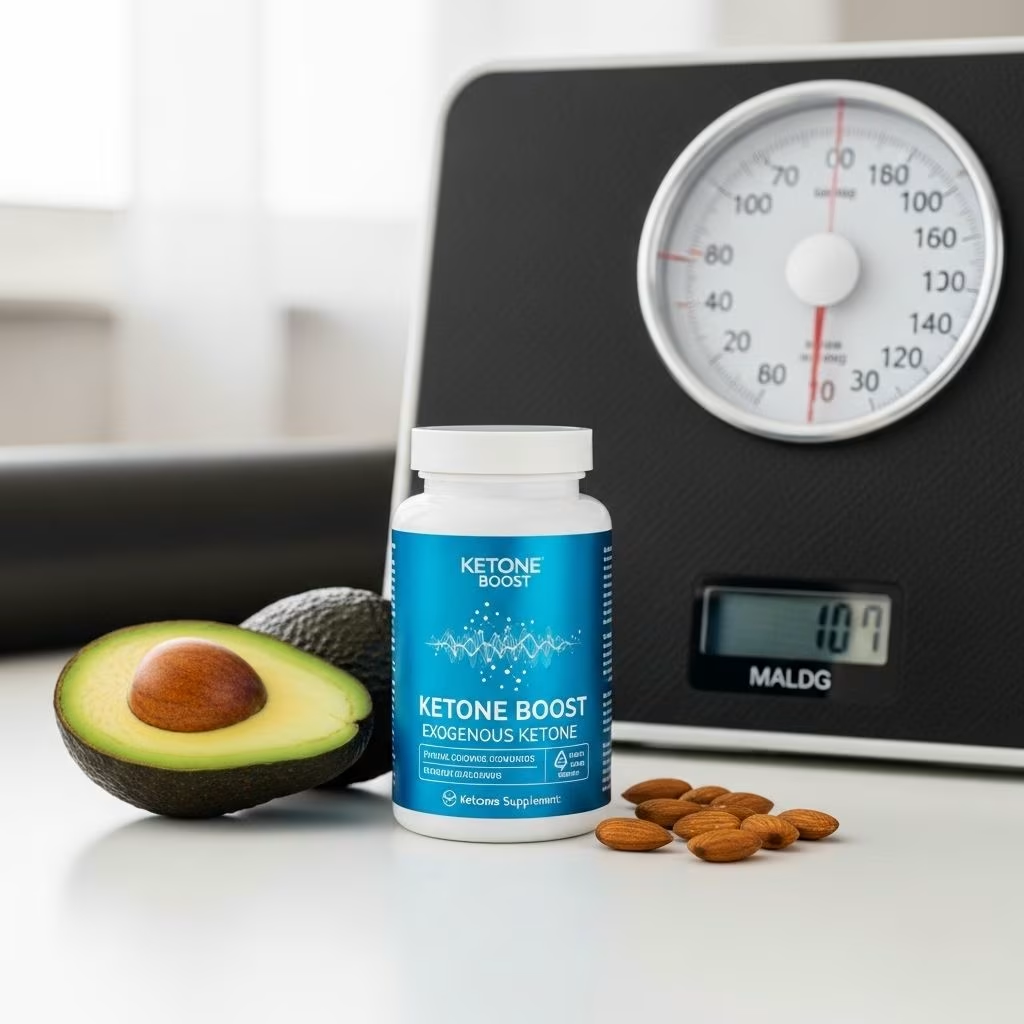
What Are Exogenous Ketone Supplements?
Exogenous ketone supplements have become popular among dieters, athletes, and those following a ketogenic lifestyle. Unlike the endogenous ketones produced naturally by the body during carbohydrate restriction or fasting, exogenous ketones come from an external source—usually supplements formulated to deliver ketone salts or ketone esters directly into the bloodstream. But are they truly effective for weight loss or just another dietary trend?
- Exogenous ketones: Ketones supplied by supplements rather than produced by the liver.
- Common forms: Ketone salts and ketone esters (salts are more common due to cost and taste, esters are often reserved for research).
- Claimed benefits: Faster ketosis, improved energy, appetite suppression, and easier dieting.
Understanding Ketosis and Ketone Bodies
To grasp how exogenous ketones may affect weight loss, it’s essential first to understand how ketosis works. Ketosis occurs when the body shifts from using glucose (from carbohydrates) for energy to burning fat, resulting in the production of ketone bodies—including acetoacetate, beta-hydroxybutyrate (BHB), and acetone. These serve as alternative fuels for the brain, heart, and muscles during carbohydrate deprivation.
Certain situations naturally elevate ketones, such as:
- Prolonged fasting
- Following a very low-carbohydrate ketogenic diet
- Intense endurance training
Exogenous ketone supplements aim to mimic this state without the need for drastic dietary restriction.
How Are Exogenous Ketones Supposed to Work?
The theory is that taking exogenous ketones:
- Raises blood ketone levels instantly, simulating fasting or keto without dietary change.
- Suppresses appetite, potentially making it easier to eat less and lose weight.
- Boosts energy—especially during the initial phases of switching to a ketogenic diet, when energy dips are common.
- Aids mental clarity and physical performance for some users.
However, the effect of exogenous ketones on fat burning and long-term weight loss is more complex than these marketing claims suggest.
What Does the Science Say About Exogenous Ketones and Weight Loss?
A growing number of studies have examined whether supplementing with exogenous ketones delivers on its promise. The following sections explore what the latest research reveals about the actual effectiveness and underlying mechanisms.
1. Effects on Appetite and Caloric Intake
- Appetite suppression has been observed in some studies, with participants experiencing reduced hunger for several hours after taking ketone supplements.
- A small study found ketone supplements blunted appetite hormones and decreased desire to eat, which may assist with voluntary caloric restriction and weight loss .
- This appetite-curbing effect does not necessarily translate to meaningful, sustained weight loss in real-world conditions.
2. Fat Burning vs. Fat Storage
- The keto diet induces the body to produce ketones by breaking down stored fat. This helps reduce body fat stores over time.
- However, ingesting exogenous ketones causes a quick rise in blood ketone levels, which can signal the body to slow its own ketone production, thereby reducing actual breakdown of body fat .
- As a result, ketone supplements may be counterproductive for fat burning if not paired with energy restriction and a low-carb diet.
3. Calories in Ketone Supplements
- Ketone bodies contain energy, yielding about four calories per gram—similar to protein or carbohydrates .
- Supplements can add up in daily caloric intake, possibly offsetting any small caloric deficit from reduced appetite.
4. Short-lived Ketosis
- The increase in blood ketones from supplements is temporary, often lasting only a few hours .
- Unlike the keto diet, which keeps the body in a state of nutritional ketosis, exogenous ketones require repeated dosing to maintain elevated ketone levels.
- Frequent supplementation can become costly and may lead to gastrointestinal discomfort.
Clinical Research: Key Study Findings
| Study | Population | Intervention | Results | Conclusion |
|---|---|---|---|---|
| Controlled, Hypocaloric Ketogenic Diet, with/without Exogenous Ketones | Obese adults | Keto diet + BHB salts (6 weeks) | Higher ketone levels for 2 weeks; no added weight loss vs. keto alone | Exogenous ketones did not enhance weight loss beyond dietary ketosis . |
| Single-Dose Appetite Study | Healthy volunteers | One serving exogenous ketones | Appetite reduced for up to 4 hours | Temporary reduction in hunger observed; no long-term effects studied . |
| Exogenous Ketone Infusions | Various (athletes, dieters) | Intravenous/oral ketones | Rapid blood ketone elevation, potential increased fat oxidation | Potential metabolic benefits; long-term safety and efficacy unclear . |
Benefits of Exogenous Ketones
Despite mixed results for weight loss, exogenous ketone supplements may have some legitimate applications and benefits:
- Temporary increase in blood ketones, mimicking ketosis for a few hours.
- Appetite suppression, possibly making it easier to reduce calorie intake for some users.
- Enhanced energy and mental clarity in certain scenarios (e.g., during initial keto-adaptation or fasting).
- Potential to assist with metabolic health markers, such as improved insulin sensitivity and appetite regulation .
- Support for athletic performance during prolonged or intense exercise (though evidence is still emerging).
Drawbacks and Potential Risks
Much like any supplement, exogenous ketones also carry drawbacks and risks, especially when used inappropriately or without sufficient research-based guidance.
- Not a magic bullet: Supplementing with ketones alone is unlikely to yield significant weight loss unless combined with calorie and carbohydrate restriction.
- Temporary effect: Levels of blood ketones return to baseline after several hours, making sustained ketosis difficult.
- Caloric contribution: Supplements add calories to your daily intake, potentially impeding a calorie deficit.
- Side effects: Gastrointestinal distress (bloating, nausea, diarrhea) is common, especially with higher doses.
- Cost: The price of supplements can be high, especially with the need for frequent dosing.
- Reduced fat breakdown: Elevated external ketone levels may actually reduce the need for your body to burn its own fat stores .
- Lack of long-term safety data: Research on chronic use is still limited, and individual reactions can vary .
Who Might Benefit from Exogenous Ketone Supplements?
- Keto dieters in transition: May help bridge the “keto flu” or low-energy period during initial adaptation.
- Athletes: Some endurance athletes and biohackers use them to provide alternative energy during prolonged exercise.
- Medical scenarios: Under medical supervision, may be trialed for neurological conditions or specific metabolic needs.
For most people seeking fat loss alone, whole-food dietary changes, caloric restriction, and physical activity remain the pillars of success.
Cost and Practical Considerations
- Expense: Supplements can cost over $3 per serving.
- Multiple daily doses required to maintain elevated ketone levels.
- Unpleasant taste and risk of side effects such as nausea or diarrhea.
- No substitute for dietary change: Ketone supplements cannot replace the metabolic shifts of true dietary ketosis.
Expert Opinions: Are Exogenous Ketones Worth It?
Most nutrition experts and clinicians remain skeptical of exogenous ketone supplements as a standalone weight loss tool. The main critiques include:
- Lack of evidence showing significant fat loss above diet intervention alone.
- Unclear long-term side effects and the possibility of hindering the body’s natural fat burning adaptations.
- Supplements may be more useful for targeted or therapeutic reasons than for the general healthy population or casual dieters.
As one registered dietitian summarized, “While exogenous ketones can raise blood ketone levels, there is currently insufficient evidence to justify their use for effective, sustained weight loss.”
Practical Fat Loss Strategies: Beyond Supplements
- Adopt a balanced, calorie-controlled eating plan, whether low-carb, Mediterranean, or plant-based.
- Engage in regular physical activity for at least 150–300 minutes per week.
- Focus on whole foods: lean proteins, healthy fats, vegetables, and fiber-rich carbohydrates.
- Monitor portion sizes and avoid liquid calories.
- If attempting keto, prioritize food sources of healthy fats and maintain adequate electrolyte intake to avoid “keto flu.”
Frequently Asked Questions About Exogenous Ketone Supplements
Q: Do exogenous ketone supplements help you burn more body fat?
No conclusive evidence shows that exogenous ketone supplements increase body fat loss beyond the effects of calorie restriction or a proper ketogenic diet. They may even slow fat breakdown by supplying an external source of ketones.
Q: Are exogenous ketones safe for everyone?
While generally regarded as safe for healthy adults in small amounts, side effects like digestive upset are common. Pregnant women, those with liver/kidney conditions, or people taking prescription medications should consult a healthcare provider first.
Q: Can you achieve ketosis with exogenous supplements alone?
Supplements can temporarily raise blood ketone levels, simulating ketosis, but true “nutritional ketosis” driven by the body’s metabolic adaptation requires sustained carbohydrate restriction. Supplements do not produce all the benefits of a ketogenic diet.
Q: How much do exogenous ketone supplements cost?
Prices vary, but it is not uncommon to spend $3–$10 per serving, with some products requiring several daily doses for sustained effects.
Q: What are the primary side effects?
The most frequent complaints are gastrointestinal: bloating, nausea, diarrhea, and in rare cases, palpitations or headaches. Side effect risk increases with higher doses.
Key Takeaways
- Exogenous ketone supplements can raise blood ketones and modestly reduce appetite, but do not increase body fat loss independently.
- Supplements are costly, require frequent dosing, and have notable side effects.
- Best fat loss results still come from sustainable dietary and lifestyle changes, not quick-fix supplements.
- Consult with a qualified health professional before starting new supplements, especially for weight loss.
References
- https://www.frontiersin.org/journals/nutrition/articles/10.3389/fnut.2021.618520/full
- https://www.healthline.com/nutrition/exogenous-ketones
- https://phoenixliposuction.com/blog/exogenous-ketone-infusions-a-new-approach-to-fat-loss-preparation/
- https://pmc.ncbi.nlm.nih.gov/articles/PMC6578424/
- https://www.medicalnewstoday.com/articles/326607
- https://pmc.ncbi.nlm.nih.gov/articles/PMC10103874/
- https://www.insidetracker.com/a/articles/are-exogenous-ketone-supplements-worth-the-hype
- https://www.endureiq.com/blog/the-growing-evidence-behind-exogenous-ketones-in-performance-and-health-settings


