


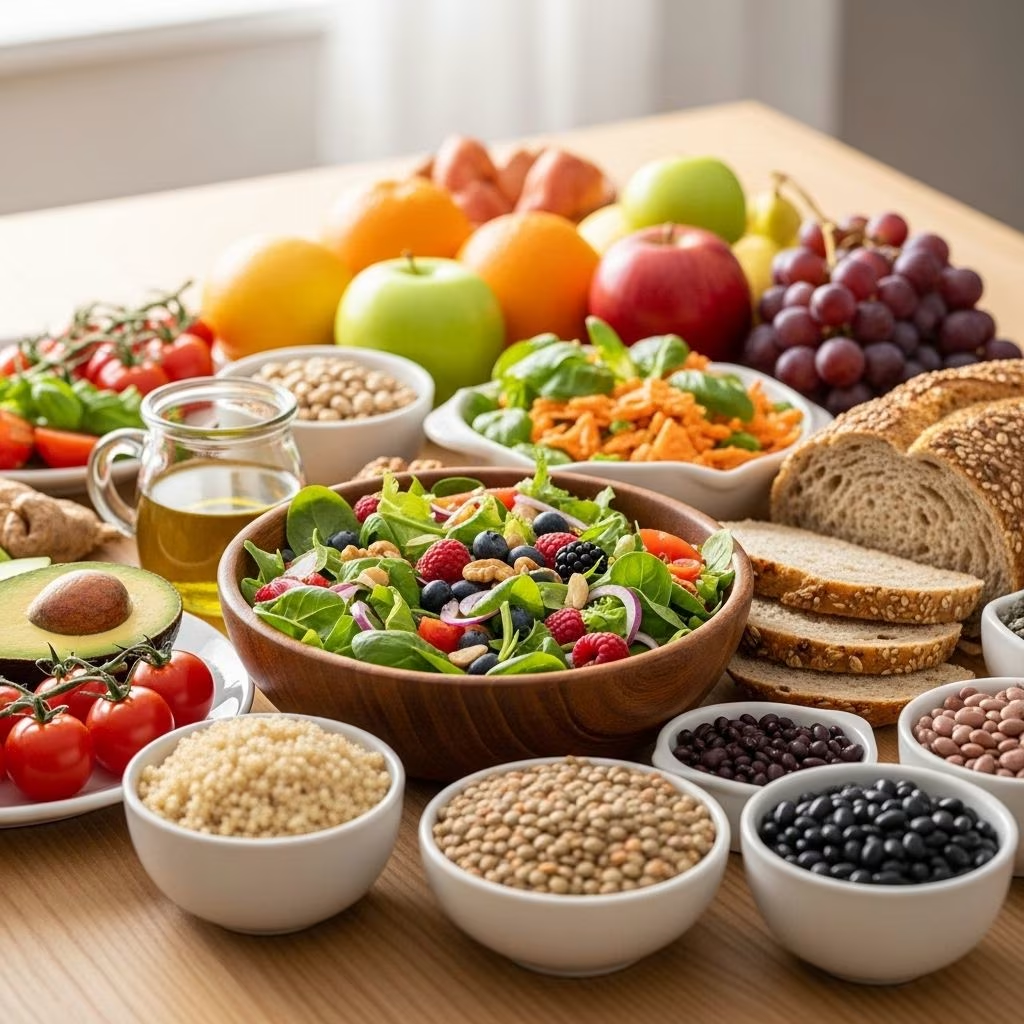
The Ornish Diet: A Complete Guide to a Heart-Healthy, Plant-Based Lifestyle
The Ornish Diet stands out in the world of nutrition for its science-backed promise to not only aid weight loss but also help reverse chronic diseases, especially cardiovascular disease. Developed by Dr. Dean Ornish in the late 1970s, this diet plan emphasizes a comprehensive lifestyle change shaped by whole plant-based foods, physical activity, and stress management. In this guide, you’ll discover what the Ornish Diet is, the foods it includes and avoids, the benefits it offers, and practical advice for getting started.
What Is the Ornish Diet?
The Ornish Diet—also known as the Ornish Reversal Diet—is a plant-based eating plan designed by Dr. Dean Ornish, a leading researcher and founder of the Preventive Medicine Research Institute. Central to its philosophy is the idea that diet and lifestyle can “undo” the progression of chronic diseases such as heart disease, diabetes, and certain cancers. Unlike many restrictive diets, the Ornish approach focuses on enhancing overall well-being through food, stress management, and physical activity.
- Low in fat: Less than 10% of daily calorie intake should come from fat.
- Lacto-ovo-vegetarian: Includes virtually no animal products except for non-fat dairy and egg whites in small portions.
- Whole foods emphasis: Prioritizes fruits, vegetables, whole grains, and legumes.
- Comprehensive lifestyle: Encourages exercise, stress reduction, and social support along with diet changes.
Key Principles of the Ornish Diet
The program is unique in that it doesn’t just address food choices, but takes a holistic approach to health that covers physical, emotional, and social wellbeing. Key aspects include:
- Nutrition: Favoring plant-based foods low in fat and free from cholesterol.
- Exercise: Recommending at least 30 minutes of moderate activity most days of the week.
- Stress Management: Incorporating techniques such as yoga, meditation, and breathing exercises.
- Relationships: Fostering a strong support system and emotional connection to boost motivation and mental health.
Foods to Eat and Avoid on the Ornish Diet
| Foods to Emphasize | Foods to Limit | Foods to Avoid |
|---|---|---|
| Fruits and berries | Non-fat dairy (up to 2 servings/day) | Red meat, poultry, fish, and seafood |
| Vegetables (all types) | Egg whites (permitted) | Full-fat dairy, egg yolks |
| Whole grains (brown rice, quinoa, oats, etc.) | Nuts and seeds (max 3 small servings <3g fat/serving) | Added fats and oils |
| Legumes (beans, lentils, peas) | Soy products (tofu, tempeh) | Processed and refined foods (white bread, pastries) |
| Herbs and spices for flavor | Limited caffeine, sugar, and alcohol | High-fat snacks (chips, butter) |
How the Ornish Diet Works
Instead of requiring calorie counting, the Ornish Diet’s effectiveness depends on choosing the right fuels for the body. The diet is built around these simple rules:
- Fat intake is capped at 10% of calories, mainly from naturally occurring sources in whole foods instead of oils or animal fats.
- Animal protein is largely eliminated, except for non-fat dairy and egg whites, which are allowed in moderation.
- Soy foods, legumes, and grains are staples, supporting protein needs and satiety.
- Processed foods, sugar, and alcohol are minimized to reduce inflammation and metabolic risks.
- Exercise and stress management are incorporated to support both physical and emotional health.
Who Is the Ornish Diet For?
The Ornish Diet is particularly appealing for people at risk of, or living with, chronic diseases, including:
- Heart disease
- Type 2 diabetes
- High cholesterol
- Obesity
- Those seeking to lower cancer risk or inflammation
Important: Anyone considering major dietary changes, especially those with underlying health conditions, should consult a healthcare provider first.
The Science Behind the Ornish Diet
Multiple clinical studies have shown that the Ornish Diet may help not only to prevent chronic diseases but also to reverse their progression.
- Ornish’s original research in patients with coronary artery disease demonstrated that intensive lifestyle changes (including the plant-based diet) led to regression of arterial blockages and improved cardiac function.
- Further studies found that participants lost more weight on the Ornish Diet compared to other popular diets, with average 7.5 pounds lost over a year.
- Switching to this diet resulted in reductions in cholesterol, triglycerides, LDL (“bad”) cholesterol, and inflammation—all key risk factors for heart attack and stroke.
- Following a vegetarian diet—like the Ornish Diet—has been linked to a lower risk of diabetes, obesity, and certain cancers.
Main Health Benefits of the Ornish Diet
- Reverses and prevents heart disease: The Ornish Diet is best known for its role in halting and even reversing coronary artery disease by reducing plaque and inflammation in arterial walls.
- Supports weight loss: The high-fiber, low-fat content promotes gradual, sustainable weight loss by increasing satiety and lowering energy density of meals.
- Lowers risk of diabetes and metabolic syndrome: A whole foods approach has been shown to stabilize blood sugar and improve insulin sensitivity.
- Decreases cancer risk: Multiple population studies show plant-based diets have a protective effect against certain cancers.
- Reduces inflammation: Diet rich in antioxidants and low in saturated fat helps modulate the body’s inflammatory response, potentially relieving symptoms of chronic inflammatory diseases.
- Improves mental health: Nutritious diet, exercise, and social support foster better mood, resilience, and cognitive performance, potentially reducing symptoms of anxiety and depression.
Potential Drawbacks and Challenges
- Restrictive for some people: Those used to meat-heavy or higher-fat diets may find the Ornish plan challenging to maintain long-term.
- Potential nutrient gaps: Strict limitation of fats and animal products can result in lower intake of certain nutrients, such as vitamin B12, iron, and omega-3 fatty acids. Supplementation may be necessary.
- Dining out and social situations: Eating out may require advance planning and special requests due to menu limitations.
- Initial adaptation: The low-fat focus can be difficult for some at the beginning, but taste buds may adapt over time.
Sample Ornish Diet Meal Plan
Here’s a one-day example meal plan to give you a sense of how meals might look following the Ornish Diet guidelines:
- Breakfast: Oatmeal with sliced strawberries, blueberries, and a splash of non-fat milk
- Snack: Fresh fruit salad or a small serving of baby carrots
- Lunch: Lentil soup with whole grain bread and a side salad (baby greens, cherry tomatoes, balsamic vinegar)
- Snack: Low-fat yogurt with diced peaches
- Dinner: Stir-fried tofu and mixed vegetables over brown rice, flavored with herbs and lemon juice
- Dessert: Baked apple with cinnamon
Frequently Asked Questions (FAQs)
Q: How is the Ornish Diet different from other plant-based or vegetarian diets?
A: While all vegetarian diets focus on plant foods and reduce animal products, the Ornish Diet is particularly low in fat, restricting fat intake to under 10% of calories and allowing only non-fat dairy and egg whites. Unlike some vegan diets, it also emphasizes lifestyle changes—like exercise and stress reduction—as integral to health.
Q: Can you eat out while following the Ornish Diet?
A: Yes, but it may require extra planning. Most restaurants offer salads, vegetable dishes, or whole grain sides. Be sure to ask for no added oils, butter, or creamy dressings. Bringing your own low-fat dressings or requesting steamed preparations can help keep meals compliant.
Q: Is the Ornish Diet good for weight loss?
A: Clinical trials indicate that many people lose weight on the Ornish Diet thanks to its low energy density and high fiber content. The focus on unprocessed foods also helps manage hunger and blood sugar levels.
Q: Are there risks of nutrient deficiencies?
A: Because the Ornish Diet restricts fats, animal products, and fish, some individuals may risk deficiencies in vitamin B12, zinc, iron, and omega-3s. A doctor or dietitian can guide appropriate supplementation if necessary.
Q: Is exercise mandatory?
A: Yes, a cornerstone of the Ornish program is at least 30 minutes of moderate activity most days. This, together with dietary changes, helps amplify cardiovascular and metabolic benefits.
Q: Can the Ornish Diet truly reverse heart disease?
A: Multiple published studies, including Dr. Ornish’s own landmark research, have demonstrated regression of coronary artery disease in some patients strictly following the diet and lifestyle recommendations. Results may vary, and supervision by a health professional is recommended for those making major health changes.
Tips for Getting Started
- Gradually reduce your fat intake and animal foods over several weeks.
- Plan meals ahead to avoid last-minute temptations.
- Use herbs, lemon juice, and vinegars to add flavor without fat.
- Find social support, whether through friends, family, or online communities.
- Pair diet with other lifestyle changes, like daily exercise and mindfulness practices, for maximum benefit.
- Consult a registered dietitian to ensure nutritional needs are met, especially if you have underlying health conditions.
Conclusion
The Ornish Diet is more than a way of eating—it’s a comprehensive lifestyle shift supported by substantial scientific evidence. Rooted in whole, plant-based foods and healthy living, this approach offers a pathway to not only weight loss, but also to the prevention and reversal of serious chronic diseases. With its emphasis on nutrition, movement, stress management, and social connection, the Ornish Diet represents a powerful model for lifelong health.
References
- https://www.healthline.com/nutrition/ornish-diet-review
- https://wholeharvest.com/blogs/plant-based-lifestyle/dr-dean-ornish-diet
- https://www.texasheart.org/heart-health/womens-heart-health/straight-talk-newsletter/is-diet-a-part-of-your-new-years-resolutions/
- https://www.ornish.com/wp-content/uploads/Participant-Nutrition-Overview.pdf
- https://www.smh.com/blog/reversing-heart-disease-with-the-ornish-program
- https://www.webmd.com/diet/ornish-diet-spectrum-what-it-is
- https://www.hmsa.com/well-being/ornish/


