


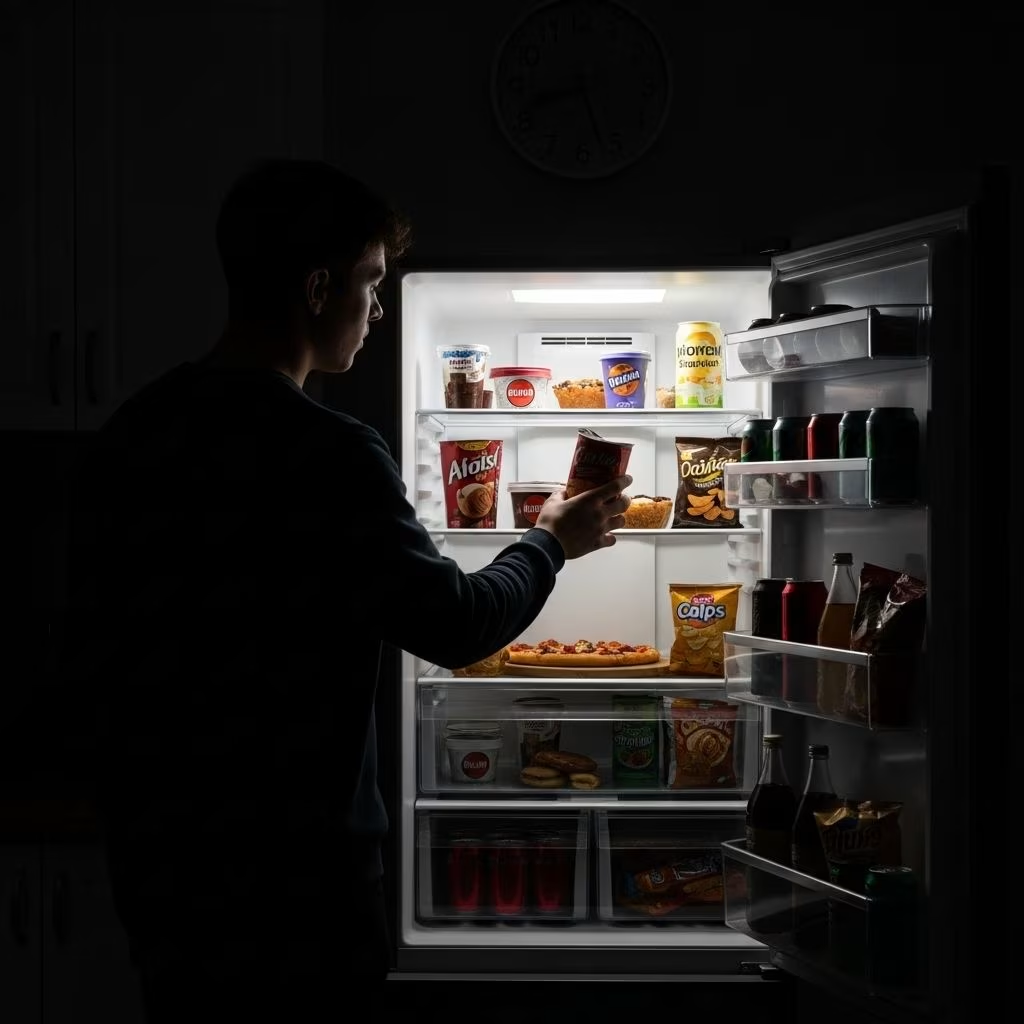
20 Nighttime Habits That Secretly Lead to Weight Gain
Are you struggling to lose those last few pounds or noticing your weight creeping up despite healthy eating during the day? Your nighttime routines may be the culprit. Science shows that small, daily habits performed in the evenings can disrupt your metabolism, increase your caloric intake, and quietly sabotage your weight loss goals. Here, we dive deep into the most common late-night routines that may be sabotaging your progress—and what you can do to break free.
You’re Eating Too Close to Bedtime
Snacking or eating dinner right before bed is one of the most common—and overlooked—nighttime habits that can contribute to weight gain. Research indicates that late-night meals may interfere with your body’s natural circadian rhythms, leading to increased fat storage and a less efficient metabolism. A prominent American Journal of Clinical Nutrition study reported that consuming calories during the body’s natural melatonin rise (the time when your body prepares for sleep) can increase body fat.
- Late-night food is less likely to be metabolized efficiently since your body is winding down for the night.
- Your body’s ability to burn calories slows in the evening, so those extra snacks are more likely to be stored as fat.
- Eating late can also cause digestive discomfort, which impacts sleep quality and further hinders weight loss.
What to do: Try to eat your last meal three to four hours before bedtime to give your body enough time to digest.
You’re Stressed Out or Anxious at Night
Stress and anxiety don’t just keep you up later—they also mess with your hormones, appetite, and food choices. Studies from Obesity Reviews confirm that evening stress triggers the body to release cortisol, a hormone that can increase belly fat and cravings for high-calorie comfort foods.
- End-of-day stress increases the temptation to snack, especially on sugary or fatty foods.
- Stress also disrupts sleep, leading to fatigue-driven overeating the next day.
What to do: Establish a nightly de-stressing routine: read, take a hot bath, or sip herbal tea to unwind and reduce the risk of late-night overeating.
You’re Spending Too Much Time with Screens Before Bed
Scrolling through your phone, catching up on emails, or binge-watching TV can cause more harm than you think. Blue light from screens suppresses melatonin, delaying sleep and increasing the likelihood of mindless snacking. Studies also link screen time with a greater risk of overeating and reduced sleep duration.
- Screen time is often paired with distracted eating, increasing calorie intake.
- Artificial light exposure disrupts circadian rhythms and appetite regulation.
What to do: Aim for at least 30-60 minutes of no-screen time before bed. Replace electronics with relaxing, non-stimulating activities.
You’re Not Getting Enough Sleep
Short sleep duration is a strong, independent risk factor for weight gain and obesity. Several epidemiological and clinical studies reveal that adults who regularly get less than 6 hours of sleep are more likely to gain weight, develop a higher BMI, and even disrupt healthy hormone levels regulating appetite.
- Inadequate sleep disrupts ghrelin and leptin—hormones that control hunger and fullness—making you hungrier.
- Sleep deprivation causes cravings for energy-dense foods and increases overall caloric intake.
- A JAMA Internal Medicine study showed that increasing sleep by just over an hour per night led to participants consuming around 270 fewer calories per day.
| Sleep Duration | Hormonal Effects | Eating Behaviors |
|---|---|---|
| <6 hours/night | High ghrelin, low leptin (increases appetite) | More snacking, more calories consumed |
| 7-8 hours/night | Balanced hormones | Normal hunger/fullness signals |
What to do: Prioritize a consistent sleep schedule aiming for 7–8 hours of quality rest per night.
You Opt for Heavy or High-Calorie Dinners
It’s easy to overestimate how much food you really need for dinner, especially after a long day. Large, rich, or high-fat dinners slow digestion and are more likely to be stored as fat if eaten late. Heavy meals can also interfere with restful sleep, creating a vicious cycle of fatigue and poor dietary choices the next day.
- High-calorie dinners delay digestion and promote fat storage.
- Restaurant portions and takeout meals are frequently oversized and calorie-dense.
What to do: Opt for lighter, balanced, portion-controlled dinners featuring lean protein, vegetables, and whole grains.
You’re Drinking Alcohol Before Bed
Nightcaps aren’t as harmless as they seem. Alcohol before bed can lower inhibitions, making late-night snacking more likely and sleep less restorative. It also interferes with REM sleep and may increase overnight waking and sugar cravings.
- Alcohol is high in empty calories, increasing daily caloric load.
- It disrupts hormones that regulate appetite and satiety.
What to do: Limit alcohol intake, especially within a few hours of going to bed.
You’re Skipping Dinner—Or Relying on Late Snacks
Some people believe skipping dinner will help with weight loss, but this often backfires: evening hunger leads to impulsive snacking, usually on high-calorie, low-nutrient foods. This irregular eating pattern disrupts the body’s natural cues and can destabilize blood sugar.
- Irregular meal timing increases the risk of overeating at night.
- Late snacking rarely involves healthy choices, adding extra, often hidden, calories.
What to do: Plan a sensible, filling dinner and allow yourself a light, healthy snack if necessary to avoid late-night cravings.
You Lack a Consistent Winding-Down Routine
Without a set nighttime routine, you’re more likely to stay up later, make poor dietary choices, and get insufficient sleep. Consistent behaviors help regulate your body’s internal clock, aiding restful sleep and mindful eating.
- Irregular sleep and meal times confuse circadian rhythms, making metabolic regulation harder.
- Poor sleep hygiene encourages lingering in bed with snacks or electronics.
What to do: Create a nightly ritual: dim the lights, turn off electronics, brush your teeth, and do calming activities before bed at the same time each night.
Other Sneaky Nighttime Habits That May Contribute to Weight Gain
- Mindless Snacking While Watching TV: Eating while distracted can quickly add up calories without you realizing it.
- Eating Out of Boredom: Sometimes you’re not hungry—you’re just unwinding in front of the fridge.
- Not Drinking Enough Water: Dehydration can mimic feelings of hunger, pushing you to snack more at night.
- Neglecting to Plan for Tomorrow: Without prepping meals or snacks ahead of time, you’re more likely to reach for convenient, high-calorie options.
- Long Naps in the Evening: Late naps can delay bedtime and disrupt sleep quality, leading to the adverse effects described above.
Building Healthier Evening Habits for Weight Management
Want to break the cycle? Start with these simple changes to your nighttime routine:
- Set a consistent dinner time, and try to eat at least 3–4 hours before going to bed.
- Wind down properly—establish a relaxing pre-bed routine that doesn’t involve screens or heavy meals.
- Block blue light by using dim lighting in the evenings and switching off electronics early.
- Address stress directly—try meditation, journaling, or gentle stretching at night.
- Get adequate sleep by creating a restful bedroom environment, avoiding caffeine late in the day, and keeping consistent sleep and wake times.
- Keep healthy snacks on hand if you do get hungry after dinner, such as fruit, Greek yogurt, or a handful of nuts.
Frequently Asked Questions (FAQs)
Q: Why does eating late at night make it easier to gain weight?
A: Nighttime eating is often triggered by emotional hunger or stress, disrupts your circadian rhythms, and your metabolism slows at night. All these factors make it easier for your body to store extra calories as fat.
Q: What is the best time to stop eating before bed?
A: Most experts recommend finishing your last meal at least 3 to 4 hours before bedtime to improve digestion and reduce late-night cravings.
Q: Can poor sleep really cause weight gain?
A: Yes, studies consistently show a link between sleep deprivation and weight gain. Poor sleep quality affects hormones that control hunger and fullness, leading to increased appetite and calorie consumption.
Q: Is it bad to have a small snack before bed?
A: If you’re genuinely hungry, a light, healthy snack (such as fruit, yogurt, or nuts) is preferable to bingeing on heavy, high-sugar foods. The key is portion control and avoiding high-calorie, high-fat options.
Q: What’s the easiest way to build healthier nighttime habits?
A: Start small: pick one or two habits to change each week, such as eating dinner earlier or turning off screens 45 minutes before bed. Be consistent, and soon your healthy habits will become routine.
References
- American Journal of Clinical Nutrition, “The Impact of Eating Timing on Body Fat.”
- JAMA Internal Medicine, “Sleep Duration and Caloric Intake in Adults.”
- PMC9031614, “Sleep Deprivation: Effects on Weight Loss and Weight…”
References
- https://www.prevention.com/weight-loss/g26013565/nighttime-habits-cause-weight-gain/
- https://www.uchicagomedicine.org/forefront/research-and-discoveries-articles/2022/february/getting-more-sleep-reduces-caloric-intake
- https://pmc.ncbi.nlm.nih.gov/articles/PMC9031614/
- https://pmc.ncbi.nlm.nih.gov/articles/PMC2279744/
- https://www.health.harvard.edu/blog/snooze-more-eat-less-sleep-deprivation-may-hamper-weight-control-202204042718
- https://www.nature.com/articles/s41574-022-00747-7
- https://www.uclahealth.org/news/article/surprising-connection-between-sleep-and-weight-management
- https://www.ynhhs.org/articles/does-lack-of-sleep-cause-weight-gain


