


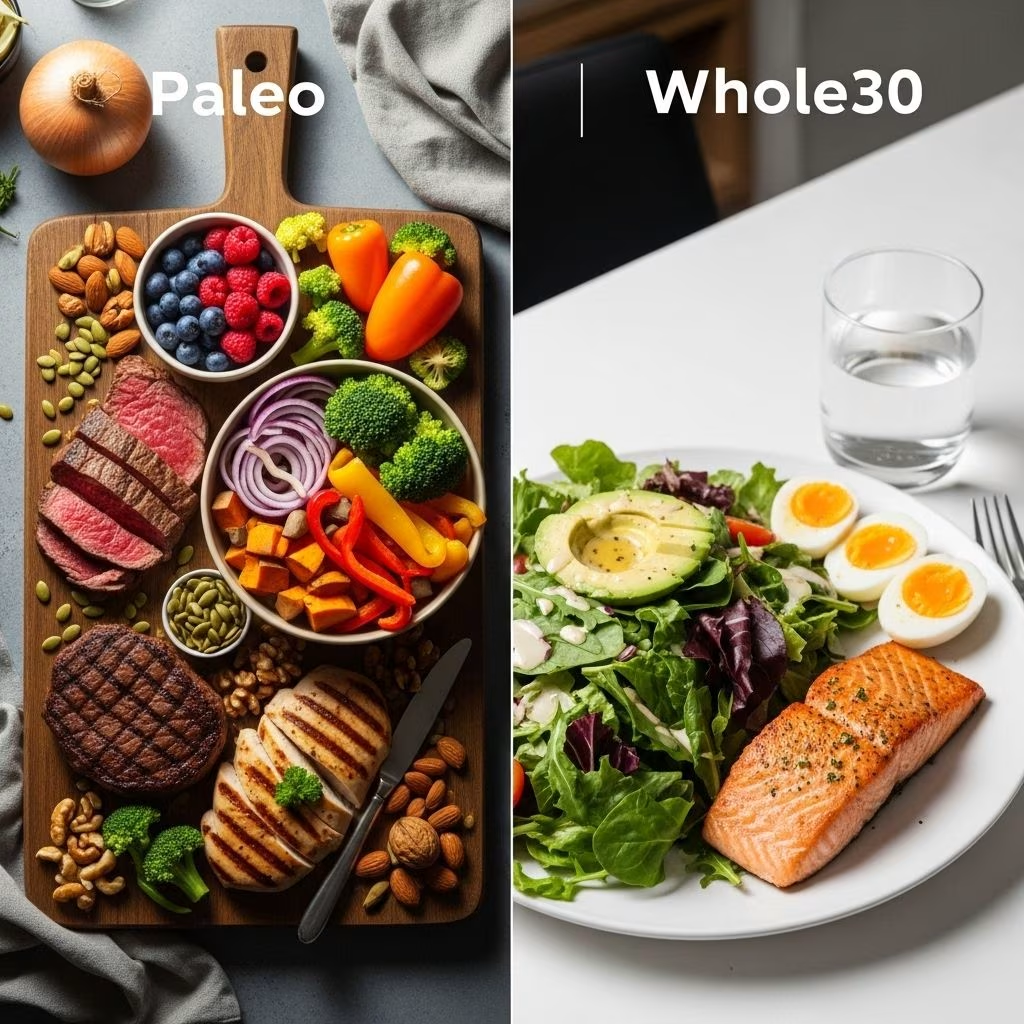
Paleo vs Whole30: Which Diet Plan Fits Your Goals?
In the world of nutrition and healthy eating, two popular diets—the Paleo Diet and the Whole30 Program—are often compared for their shared focus on whole foods and their strategies to eliminate processed, inflammatory foods. Although both diets have their roots in ancestral eating patterns, their purposes, rules, and practicalities vary significantly. This article compares the core principles, allowed and restricted foods, health goals, and crucial similarities and differences to help you understand which plan might best fit your lifestyle and wellness objectives.
What Is the Paleo Diet?
Paleo is short for Paleolithic—referring to the diet habits thought to be followed by ancient hunter-gatherer humans. The basic premise is to mimic what our ancestors ate, focusing on foods available before the advent of agriculture about 10,000 years ago.
- Main emphasis: Whole, unprocessed foods: lean meats, fish, fruits, vegetables, nuts, and seeds.
- Excludes: Grains, legumes, most dairy, refined sugar, processed foods, and artificial additives.
- Sweeteners: Natural sweeteners like honey or maple syrup may be used occasionally, but refined sugars are not allowed.
- Long-term approach: Designed as a sustainable lifestyle rather than a short-term fix.
The Paleo diet also encourages mindful eating, physical activity, and overall holistic health. Some versions allow for exceptions like grass-fed butter or fermented dairy, providing some flexibility.
What Is the Whole30 Diet?
The Whole30 program is a structured, 30-day elimination diet developed to reset your relationship with food. It strictly removes foods that can trigger inflammation or unhealthy eating habits.
- Strict 30-day plan: Eliminate grains, legumes, dairy, added sugar (including honey and maple syrup), alcohol, and processed foods for 30 days.
- No cheating allowed: Any slip means starting over from day one.
- Purpose: Identify trigger foods and reset physical and psychological food habits.
- Reintroduction phase: After 30 days, systematically reintroduce food groups to observe effects on the body.
Whole30 is meant to be a temporary ‘reset’ and is not recommended as a long-term nutritional strategy. Unlike Paleo, it offers zero tolerance for off-plan foods, including all forms of added sweeteners and alcohol.
Main Similarities: Building Blocks of Both Diets
- Whole, nutrient-dense foods: Emphasis on whole and minimally processed foods.
- Exclusion of grains, legumes, dairy: Both diets eliminate these food groups, focusing on what would have been available to Paleolithic humans.
- No refined or artificial additives: Both ban processed foods, preservatives, and artificial sweeteners.
- Encouragement of healthy fats: Olive oil, avocado oil, and, in some cases, grass-fed animal fats are recommended.
- Discouragement of alcohol and modern snack foods: Both diets recommend avoiding alcohol and processed snack foods.
Paleo vs Whole30: Core Comparison Table
| Criteria | Paleo Diet | Whole30 Diet |
|---|---|---|
| Approach | Ancestral, ongoing lifestyle | Structured 30-day elimination/reset |
| Main Focus | Whole, nutrient-dense foods | Short-term elimination to identify triggers and reset habits |
| Duration | Long-term, continuous | Strictly 30 days |
| Allowed Sweeteners | Natural sugars like honey, occasionally | None, including no honey or maple syrup |
| Reintroduction Phase | Not emphasized | Central to the program (after 30 days) |
| Dairy | Mostly excluded, sometimes grass-fed butter | Completely excluded |
| Legumes/Grains | Excluded | Excluded |
| Alcohol | Generally discouraged, but some variations allow moderation | Strictly prohibited |
| Processed Foods | Not allowed | Not allowed |
| Cheat Days/Meals | Possible, depending on the individual | None allowed—slips require restarting |
| Lifestyle Scope | Diet + movement, sleep, stress | Primarily focused on food choices |
Key Differences Explained
1. Duration and Flexibility
- Paleo: Intended as a sustainable lifestyle; allows limited flexibility like natural sweeteners or occasional treats.
- Whole30: Time-bound (30 days) and extremely strict; no room for violations.
2. Sugar and Sweeteners
- Paleo: Permits natural sweeteners (e.g., honey, maple syrup) but bans refined sugar.
- Whole30: All added sugars—including natural ones—are excluded.
3. Program Purpose
- Paleo: Designed for ongoing wellness, physical performance, and disease prevention.
- Whole30: Acts as a diagnostic tool for food sensitivities and a reset for habits and cravings.
4. Reintroduction Phase
- Paleo: No formal food reintroduction process; food groups can be avoided or reintroduced at will.
- Whole30: After strict 30 days, foods are carefully reintroduced one group at a time to gauge their impact.
5. Nutritional Choices and Social Context
- Paleo: Easier to maintain in social settings due to flexibility for occasional off-plan foods or desserts.
- Whole30: Requires absolute dedication without exceptions, which can be more socially isolating during the 30 days.
Example Food Lists: What You Can and Can’t Eat
Foods Allowed on Both Diets
- Fresh fruits and vegetables
- Lean meat and fish (preferably grass-fed, wild-caught)
- Eggs
- Healthy fats (olive oil, avocado oil, coconut oil, ghee)
- Nuts and seeds (excluding peanuts, which are legumes)
- Fresh herbs and natural spices
Foods Excluded by Both
- Grains (wheat, rice, oats, barley, corn, etc.)
- Legumes (beans, lentils, peanuts, soy)
- Dairy (with rare exceptions on some versions of Paleo)
- Refined sugar, artificial sweeteners, and processed foods
- Most alcohol
- Trans fats and vegetable oils (soybean, corn, etc.)
Where They Differ Most
- Natural Sweeteners: Paleo permits honey, maple syrup, etc.; Whole30 forbids all added sugars.
- Occasional indulgence: Some flexibility on Paleo; none on Whole30 during the 30 days.
Pros and Cons: Health Benefits and Challenges
| Paleo Diet | Whole30 Diet | |
|---|---|---|
| Benefits |
|
|
| Challenges |
|
|
Frequently Asked Questions (FAQs)
Q: Is it safe to follow the Paleo or Whole30 diets long-term?
A: The Paleo diet is designed for long-term use, but nutritional adequacy should be monitored, especially for calcium and vitamin D. Whole30 is intended as a short-term, 30-day reset and is not recommended as a permanent diet due to its restrictive nature.
Q: Can I lose weight on Paleo or Whole30?
A: Both diets often lead to weight loss because they remove processed foods, refined sugars, and other high-calorie modern foods. However, individual results vary.
Q: How should I decide which program is right for me?
A: Consider your goals. If you want a quick reset, use Whole30. For a flexible, ongoing lifestyle, choose Paleo. Those with a history of disordered eating should consult a healthcare professional before starting any elimination diet.
Q: What happens after I finish Whole30?
A: After 30 days, Whole30 recommends a methodical reintroduction of eliminated food groups to identify problematic foods. Many people use lessons from Whole30 to inform healthier habits going forward.
Q: Can athletes follow Paleo or Whole30?
A: Yes, but careful planning is needed, especially for carbohydrates, as both diets eliminate grains and legumes. Some highly active individuals might find Paleo easier to sustain long-term due to occasional flexibility with foods like starchy vegetables and natural sweeteners.
How to Choose: Which Diet Fits Your Needs?
- If you want an ongoing eating style and appreciate some flexibility, Paleo is a better fit. It encourages whole, real foods without a strict end date and allows occasional indulgences.
- If your goal is to break food habits, identify sensitivities, or reset your body through a stricter challenge, Whole30 offers a clear and supportive structure for 30 days.
- For both, meal planning, label reading, and advance preparation are essential for success.
Expert Tips for Success
- Plan ahead: Stock your kitchen with compliant foods and prepare meals and snacks in advance.
- Read labels: Watch for hidden ingredients, especially in sauces, dressings, or processed meats.
- Support system: Share your goals with friends or join online communities to stay motivated.
- Listen to your body: Track how you feel as you change your diet. Adjust as needed for sustained wellness.
- Focus on variety: To avoid boredom and ensure balanced nutrition, include a range of proteins, vegetables, and healthy fats.
Conclusion
The Paleo and Whole30 diets share a foundational philosophy: prioritize real, whole foods and eliminate processed, inflammatory options. However, the diets serve different purposes—Paleo as a sustainable lifestyle, Whole30 as a temporary reset. Assess your goals, personal health, and daily routine to determine which approach will best help you achieve healthier, more mindful eating habits.
References
- https://thrivemarket.com/blog/paleo-vs-whole30
- https://www.eatfresh.tech/blog/paleo-vs-whole30-meal-plans-key-differences
- https://mcleanmeats.com/whats-the-difference-between-a-paleo-and-whole30-diet/
- https://www.healthline.com/nutrition/paleo-vs-whole30
- https://www.cookunity.com/blog/whole30-diet-vs-paleo-diet
- https://farmtofit.com/blogs/article/whole30-vs-paleo
- https://inbodyusa.com/blogs/inbodyblog/whole30-vs-paleo-which-one-is-better-for-you/
- https://thepaleodiet.com/whole30-vs-paleo-which-should-you-choose/


