


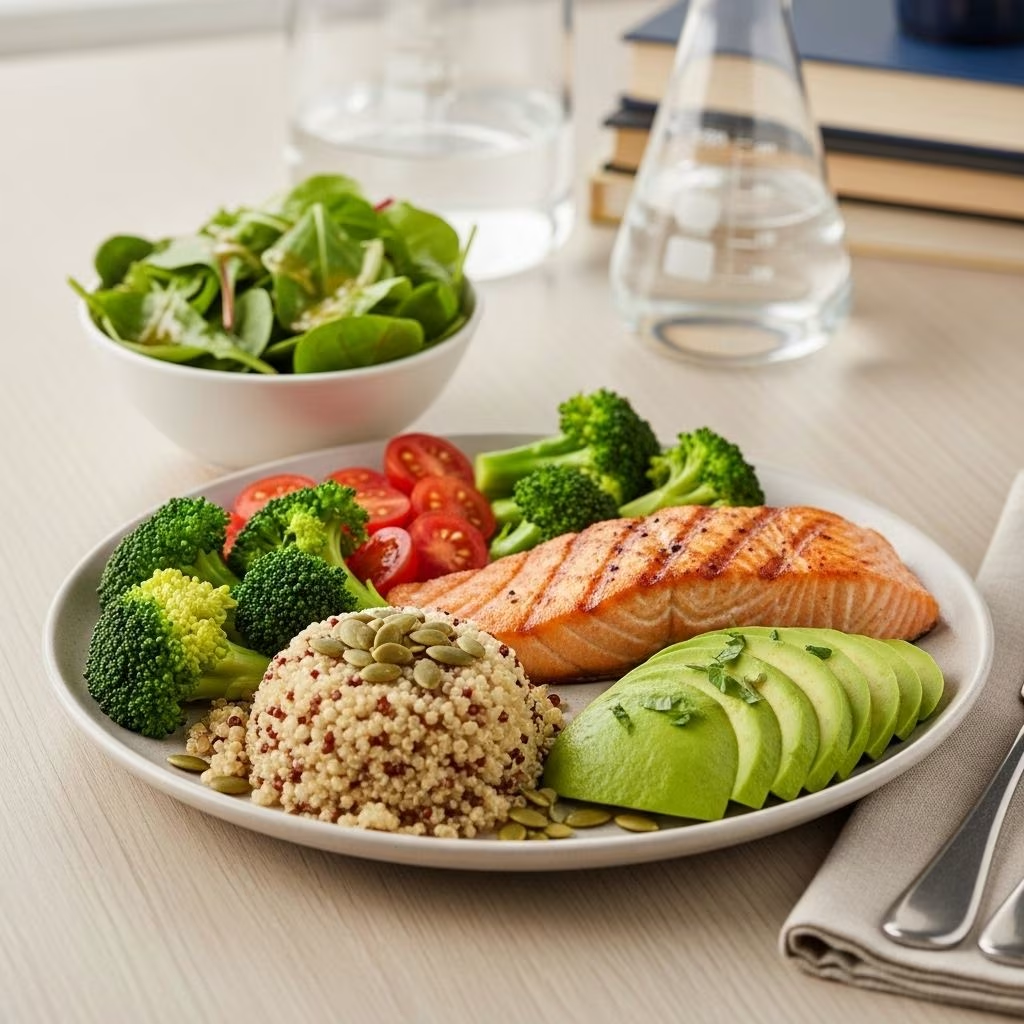
What Is the Satiating Diet?
The satiating diet is an evidence-based eating plan developed to promote weight loss and general health without strict restrictions or extreme measures. Instead of focusing on calorie counting, eliminating whole food groups, or adhering to rigid schedules, this approach encourages consuming real, nutrient-dense foods that promote fullness—helping people feel satisfied after meals while supporting healthy weight management.
First outlined by researchers at Université Laval in Quebec, Canada, the satiating diet aims to balance macronutrients for optimal satiety and includes foods high in protein, fiber, and healthy fats. It draws inspiration from the Mediterranean diet, emphasizing whole foods, vegetables, fruits, and lean proteins, while facilitating mindfulness of the body’s natural appetite signals.
Main Principles of the Satiating Diet
- Promote satiety through nutrient-dense foods, reducing cravings and overeating.
- Focus on flexibility—no food is strictly off-limits; instead, prioritize filling choices.
- Emphasize protein, fiber, and healthy fats for long-lasting fullness.
- Encourage mindful eating by tuning into hunger and satiety cues.
- Discourage highly processed foods that trigger cravings and rapid energy spikes.
Understanding Satiety and Its Role in Weight Loss
Satiety refers to the feeling of fullness and satisfaction after eating, which inhibits hunger and reduces the urge to keep eating. The concept plays a pivotal role in weight management: foods that deliver longer-lasting satiety help control calorie intake naturally, reducing the risk of overeating.
Unlike many restrictive diets that can leave you hungry and prone to give up, the satiating diet aims to help you eat better while enjoying meals. By combining higher protein, fiber-rich, and lower energy density foods, you can achieve both immediate and lasting fullness, according to scientific research.
Satiety vs. Satiation: Key Differences
| Term | Definition | Role in Eating |
|---|---|---|
| Satiation | The feeling of fullness during a meal | Signals when to stop eating in one sitting |
| Satiety | The inhibition of hunger after eating | Determines how long before you feel hungry again |
How the Satiating Diet Works
The satiating diet prioritizes what you can enjoy rather than focusing on what you must avoid. By building meals around whole foods—especially those proven to reduce appetite and extend satiety—you are less likely to feel deprived, making healthy choices easier and more sustainable in the long run.
Daily Recommendations
- 4 servings of vegetables (whole, non-processed)
- 4 servings of whole fruit
- 5 servings of whole grains (with at least 4 g fiber per serving)
- 4 servings of lean protein (spread across meals and snacks)
- 1 healthy snack daily
- One legume-based meal per week
- Regular use of spicy peppers (chili, red peppers) to boost fullness and mindfulness
Macronutrient Breakdown
| Macronutrient | Percentage of Daily Calories |
|---|---|
| Carbohydrates | 45–50% |
| Fat | 30–35% |
| Protein | 20–25% |
The diet also recommends a minimum of 25 grams of fiber daily.
Comparison: Satiating Diet vs. Other Popular Diets
| Feature | Satiating Diet | Mediterranean Diet | Keto Diet |
|---|---|---|---|
| Carbohydrate Intake | 45–50% | Moderate | Very Low (<10%) |
| Fat Intake | 30–35% | Moderate (mostly healthy fats) | High (75–80%) |
| Protein Intake | 20–25% | Moderate | Moderate |
| Food Restrictions | Flexible, no banned foods | Few, encourages variety | Strict, limits carbs |
| Main Goal | Fullness, weight management | Heart health, longevity | Ketosis, rapid weight loss |
Best Foods for Satiety
The satiating diet prioritizes foods that are both highly nutritious and proven to curb hunger. Key food groups include:
- Lean proteins (fish, poultry, eggs, lean meats)
- Whole grains (quinoa, brown rice, whole wheat)
- High-fiber foods (legumes, beans, lentils, oats)
- Vegetables (leafy greens, broccoli, peppers, carrots, tomatoes)
- Fruits (apples, berries, oranges, bananas)
- Healthy fats (nuts, seeds, avocados, olive oil, fish oils)
- Dairy (especially yogurt)
- Spicy foods (chili peppers, hot spices)
These foods offer high nutrient density, fiber, and protein—all associated with prolonged satiety, better appetite regulation, and reduced calorie intake.
Health Benefits of the Satiating Diet
- Improved overall nutrition by emphasizing whole, minimally processed foods aligned with public health guidelines.
- Enhanced fullness and satisfaction, helping naturally regulate portions and curb frequent snacking.
- Sustainable weight loss: People are less likely to abandon the plan due to hunger or deprivation.
- Balanced approach: No foods are strictly forbidden, making it easier to adopt and maintain for life.
- Better blood sugar and metabolism: The focus on fiber and healthy fats can support more stable blood glucose levels.
- Potential reductions in unhealthy cravings by avoiding processed foods high in sugar and unhealthy fats.
Potential Risks and Considerations
- Lack of calorie control: The satiating diet doesn’t set calorie limits, which may be challenging for individuals struggling with portion control.
- Personalization needed: Not all individuals respond equally to satiety signals; some may need additional guidance on portions or caloric intake.
- Possible adjustment period: Those used to restrictive eating may take time to adapt to this flexible approach.
- Effectiveness may vary: Like any diet, results depend on individual adherence and unique metabolic needs.
Satiating Diet Food List & Sample Meal Plan
Below is a representative sample of foods and a day’s meal plan that fits within the satiating diet framework:
Foods to Include
- Fish, poultry, eggs, lean beef
- Plain yogurt and fermented dairy
- Lentils, beans, chickpeas
- Brown rice, oats, barley
- Sweet potatoes, carrots, leafy greens
- Fresh fruit (e.g., apples, berries, oranges)
- Avocado, nuts, seeds, olive oil
- Chili peppers, cayenne, paprika
Sample Meal Plan
- Breakfast: Greek yogurt parfait with berries, seeds, and oats
- Lunch: Grilled salmon salad with leafy greens, chickpeas, avocado, and spicy dressing
- Snack: Sliced vegetables with hummus
- Dinner: Stir-fried chicken with brown rice, peppers, broccoli, and extra chili
- Dessert (optional): Mixed fruit bowl
Tips for Getting Started with the Satiating Diet
- Prioritize whole, minimally processed foods at every meal.
- Balance your plate—aim for lean protein, plenty of vegetables, whole grains, and healthy fats.
- Experiment with spices: Add chili or hot peppers for extra satiety and flavor.
- Be mindful of hunger cues; eat until comfortably full but not stuffed.
- Plan for variety: Mix different vegetables, grains, and proteins across your meals each week.
Frequently Asked Questions (FAQs)
Q: How does the satiating diet differ from traditional calorie-based diets?
A: Traditional diets focus on calorie restriction, often leading to hunger and eventual relapse. The satiating diet prioritizes foods that naturally promote fullness, so you consume fewer calories without feeling deprived.
Q: Can the satiating diet work for vegetarians and vegans?
A: Yes. The diet encourages legumes, beans, whole grains, nuts, seeds, and vegetables, which all support satiety—even without animal products.
Q: Is calorie counting required?
A: No, but mindful portion control is still important—especially for those who struggle with larger serving sizes. The diet’s structure helps naturally regulate portions.
Q: What are the most satiating foods?
A: Protein-rich foods (fish, chicken, eggs), high-fiber foods (whole grains, legumes, veggies), and healthy fats (nuts, seeds, avocado) top the list.
Q: How quickly can I expect to see results?
A: Results vary by individual and depend on overall lifestyle, but many find the diet easier to sustain than calorie-restrictive plans, leading to gradual, steady improvements.
Key Takeaways
- The satiating diet is a flexible, sustainable approach to weight loss and wellness, leveraging science-based strategies for satiety.
- By prioritizing high-protein, high-fiber, nutrient-dense foods, you can feel fuller, reduce cravings, and support healthy weight management without deprivation.
- Mindful eating—tuning into internal satiety signals—is central to the diet’s success.
- The plan is adaptable to vegetarian, vegan, and omnivorous lifestyles.
References
- https://www.bewellbyak.com/writings/foods-for-satiety-satiating-8fwlh
- https://www.goodhousekeeping.com/health/diet-nutrition/a27325569/satiating-diet/
- https://www.dietdoctor.com/satiety
- https://pmc.ncbi.nlm.nih.gov/articles/PMC9549911/
- https://www.cambridge.org/core/journals/nutrition-research-reviews/article/potential-benefits-of-satiety-to-the-consumer-scientific-considerations/F01921A772BDEDD94BF4B0FBD216B020
- https://www.humnutrition.com/blog/satiating-diet/
- https://macrofactorapp.com/satiety-and-satiation-tips/
- https://pmc.ncbi.nlm.nih.gov/articles/PMC4258944/


