


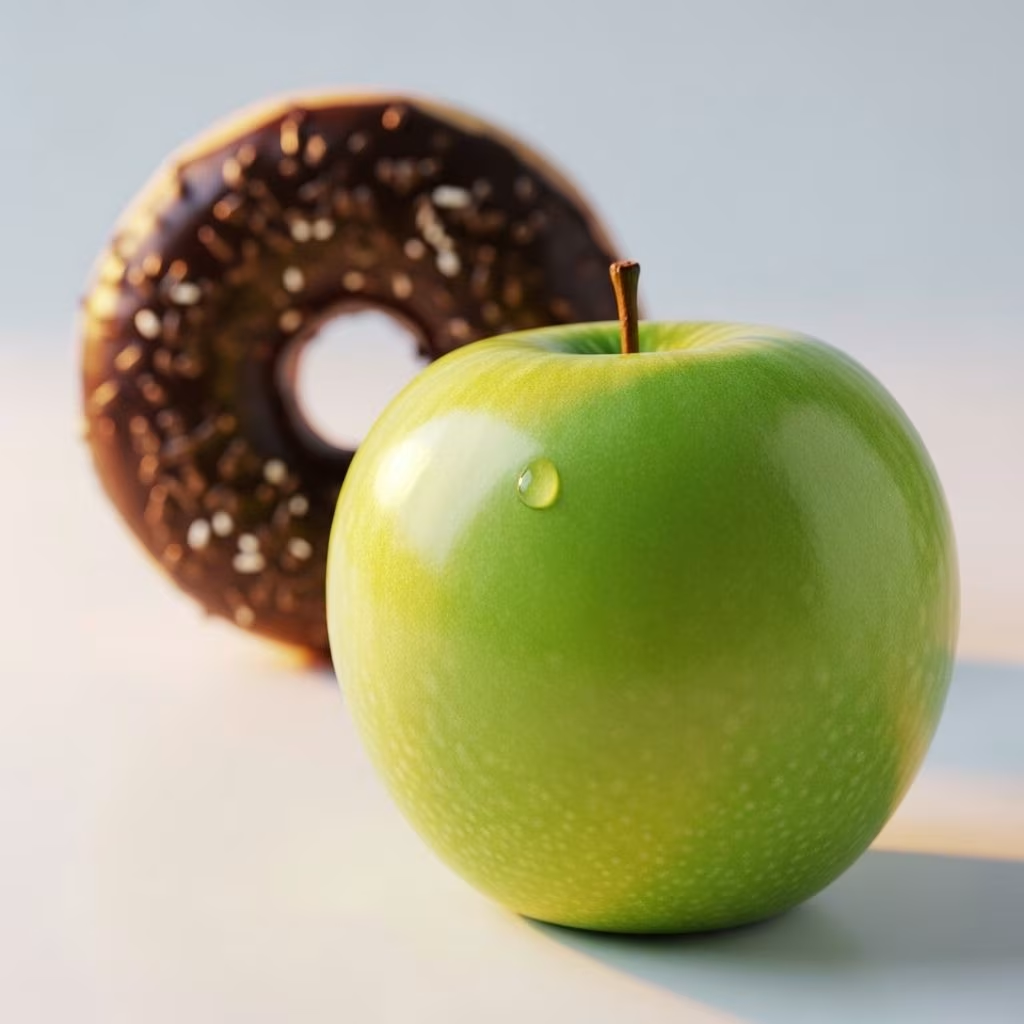
Weight Loss and Food Cravings: Proven Strategies to Outsmart Your Urges
Food cravings can feel overwhelming, sabotaging even the most determined efforts to lose weight and eat healthier. Whether your weakness is chocolate, pizza, or potato chips, understanding the science and psychology behind cravings is the first step to regaining control. This comprehensive guide reveals why cravings arise and presents proven solutions drawn from nutrition experts, psychological research, and real-life success stories.
Understanding Why We Crave Certain Foods
The battle against cravings begins with awareness. Cravings aren’t just hunger; they’re intense desires for specific foods, often unhealthy ones. The triggers are both physical—such as restrictive dieting, hormonal shifts, or lack of sleep—and psychological, rooted in stress, emotions, and habit.
- Physical deprivation (e.g., cutting calories or food groups) lowers satiety hormones, making cravings worse.
- Sleep deprivation modifies hunger hormones, boosting appetite and cravings for high-carb foods.
- Habitual cues like routines and environments activate the brain’s reward centers when repeatedly paired with food.
How Cravings Can Sabotage Weight Loss Efforts
Food cravings can undermine weight loss by encouraging overeating or binge eating, especially when trying to follow overly strict diets. Research shows that those who restrict their intake of certain foods often end up consuming more calories later, sometimes even gaining weight.
- Strict dieting lowers leptin (the satiety hormone) and increases ghrelin (the hunger hormone).
- Trying to satisfy cravings with “healthy swaps” can backfire, leading to overconsumption of snacks seeking the same reward.
- Mental forbidden foods can become obsessions, resulting in binge episodes.
Lift Bans—Safely: The Smart Moderation Approach
Experts recommend a more balanced, flexible strategy: satisfy cravings in moderation instead of strict bans. Denying yourself rarely works. Instead, plan mindful treats in controlled portions.
- Share a dessert with friends rather than ordering your own.
- Opt for a single slice of pizza instead of a whole pie.
- The key is portion control and genuinely enjoying the food you crave—without guilt.
Don’t “Eat Around” Cravings: Swapping low-cal imitators for what you really want often results in more calories. Eat a mindful portion of the actual craving food, then move on.
Checking Your Hunger: Top Questions to Ask Yourself
Before giving in to a craving, pause and consider:
- Have I been eating less than usual? Ultra-low-calorie diets or banning food groups can trigger major cravings and backfire, leading to overeating when restrictions lift.
- Am I getting enough sleep? Studies show that sleep loss lowers leptin and increases ghrelin, setting you up for cravings.
- Am I a creature of habit? Certain routines—like snacking during a show—create strong associations between activities and foods.
Address Restricted Eating
If you’ve been dieting excessively, lift bans safely and plan for controlled indulgences. Women asked to restrict carbs for three days reported stronger cravings and ate 44% more calories from carbs once restrictions ended.
- Restrained eaters tend to be heavier than those with flexible eating habits.
- Making foods “forbidden” promotes obsession and bingeing.
Fix Your Sleep Hygiene
Lost sleep doesn’t just make you tired—it disrupts your hunger signals and increases cravings for starches and sweets.
- Few sleepless nights can decrease leptin by 18% and boost ghrelin by 30%.
- Cravings for cookies and bread may jump by 45% after sleep loss.
- Solution: Prioritize sleep, and use caffeine as a temporary crutch if needed (but not as a substitute for rest).
Break Unhealthy Food Habits
Habits are entrenched through environmental cues and automatic behaviors. Interrupting these patterns helps weaken associations and control cravings.
- Change your environment: Watch TV away from the kitchen.
- Use the “Stop Technique”: When a craving hits, mentally say “Stop!” and picture your healthiest self.
- Shift attention: Distract yourself with a non-food-related visual, like typing an email or viewing family photos.
Simple Psychological Tricks to Cut Cravings Fast
Distraction Methods
New research shows that simple, physical distractions can significantly reduce cravings. Here are top techniques:
- Forehead Tapping: Tap your forehead with your finger for 30 seconds. This engages the visual cortex and interrupts food imagery that drives cravings.
- Focus Eyes Elsewhere: Stare at a blank wall or a photo. This visual distraction breaks the craving cycle.
- Tap Other Body Parts: Tapping your ears or feet is also effective—anything to redirect your attention.
- Play Block Games: Scientific studies even show apps like Tetris can block cravings by occupying mental imagery space.
These techniques work for more than just obese participants; they help anyone struggling with cravings to change their focus.
Using Media and Mindfulness to Reduce Cravings
- Watching a funny video or clip releases serotonin and dopamine—the “happy hormones”—which can reduce appetite and emotional eating.
- Practicing mindfulness and forgiveness decreases anxiety-driven eating cues.
- Engaging in loving-kindness actions, such as helping others or giving compliments, also produces feel-good hormones that curb emotional cravings.
Table: Major Causes and Solutions for Food Cravings
| Cause | Impact on Cravings | Solution |
|---|---|---|
| Restrictive Dieting | Increases fixation on banned foods, possible binge eating | Practice mindful moderation; don’t ban favorite foods |
| Sleep Deprivation | Alters appetite hormones, intense cravings for carbs/sweets | Prioritize sleep; use measured caffeine for short-term alertness |
| Habitual Cues (TV, events) | Automatic eating tied to environment/routine | Change location, use distraction techniques |
| Emotional Distress | Triggers emotional eating, seeking comfort foods | Cultivate kindness and forgiveness; use stress-reduction tactics |
Practical Tips to Outsmart Cravings
- Snack, then Shop: Eating a healthy snack—like an apple—before grocery shopping steers purchases toward produce and away from junk food.
- Don’t Waste Your Willpower: According to research, willpower wanes throughout the day. Make food decisions early and minimize stressful situations to save self-control for real challenges.
- Expose Yourself to Sunlight: Brief exposure to sunlight reduces stress and may curb emotional hunger.
- Accept Setbacks: Occasional slip-ups are part of healthy dieting. Practice self-compassion and avoid guilt-driven binge cycles.
Shift Your Perspective for Sustainable Success
Long-term weight loss is more about changing your relationship with food than rigid restriction. Success comes from understanding your triggers, being kind to yourself, and applying psychological strategies and mindfulness.
- View cravings as normal signals, not failures.
- Plan for occasional treats.
- Focus on what you can enjoy and appreciate in healthy eating—not just what you “shouldn’t” have.
- Use supportive visualizations and distractions to keep cravings in check.
Frequently Asked Questions (FAQ)
Q: Why do I crave junk food when I’m dieting?
A: Restrictive diets lower satiety hormones and increase hunger signals. Making foods off-limits creates psychological obsessions, making cravings stronger and more likely to lead to overeating.
Q: What’s the fastest way to curb a craving?
A: Distraction techniques—such as tapping your forehead, staring at a non-food picture, or playing a block game—redirect attention from the craving and reduce its intensity.
Q: Is it okay to indulge cravings sometimes?
A: Yes. Research supports occasional, controlled indulgence rather than banning favorites. Mindful moderation helps you feel satisfied and prevent later binges.
Q: How does lack of sleep influence cravings?
A: Sleep deprivation alters appetite-regulating hormones and increases cravings for starchy, caloric foods. Prioritize restorative sleep for better control.
Q: Are there emotional remedies for cravings?
A: Practicing forgiveness, kindness, and stress-reduction helps lower emotional eating. Engage in positive interactions and focus on self-compassion.
Expert-Recommended Mindset Shifts for Food Freedom
- Be Flexible: Allow yourself the occasional treat; rigid bans backfire.
- Plan Ahead: Visualize healthy outcomes, prepare healthy snacks, and anticipate trigger situations.
- Break Associations: Change up routines that cue cravings, and build new rewarding habits unrelated to food.
- Cultivate Kindness: Forgive yourself for lapses, practice self-care, and build positive support networks.
- Use Behavioral Tricks: Tap your forehead, distract your mind, or take a brisk walk to reset your cravings and focus.
Summary Table: Craving Triggers and Actions
| Trigger | Action |
|---|---|
| Diet restrictions | Lift bans, practice moderation |
| Lack of sleep | Improve sleep hygiene, use temporary caffeine |
| Habitual eating cues | Change environment, use “Stop” and visual distraction methods |
| Emotional stress | Self-kindness, forgiveness, laughter therapy |
Takeaway: Your New Toolkit for Lasting Change
Food cravings are a normal part of life, but with the right knowledge and toolkit—combining flexible eating, psychological strategies, distraction methods, and self-compassion—you can manage them successfully. Stop fighting your cravings and start outsmarting them.
Quick Reference: 10 Ways To Outsmart Food Cravings
- Eat a healthy snack before shopping.
- Don’t ban favorite foods; allow controlled indulgence.
- Practice portion control.
- Use forehead tapping and visual distractions.
- Prioritize sleep for better hunger regulation.
- Change environments that cue eating.
- Forgive yourself and practice kindness.
- Watch funny clips, engage in laughter therapy.
- Avoid draining your willpower on minor decisions.
- Plan for challenges and have healthy alternatives ready.
With these approaches, you can break the cycle of cravings, reclaim your health, and build permanent habits for weight loss success.
References
- https://www.prevention.com/weight-loss/a20466650/how-to-stop-food-cravings-and-overeating/
- https://www.prevention.com/weight-loss/a20474557/how-to-reduce-food-cravings-with-your-finger/
- https://www.prevention.com/weight-loss/g20512093/12-surprisingly-effective-ways-to-halt-your-hunger/
- https://www.prevention.com/weight-loss/g20498713/lose-weight-without-trying/
- https://www.prevention.com/weight-loss/a20507172/hunger-or-a-craving/
- https://www.prevention.com/food-nutrition/healthy-eating/a65664887/ultra-processed-foods-weight-loss-gut-health-study/
- https://www.prevention.com/weight-loss/a20459649/why-youre-always-hungry/
- https://www.prevention.com/health/g20432227/food-cravings-and-illness/
- https://www.prevention.com/weight-loss/a20439714/how-to-stop-sugar-cravings/


