


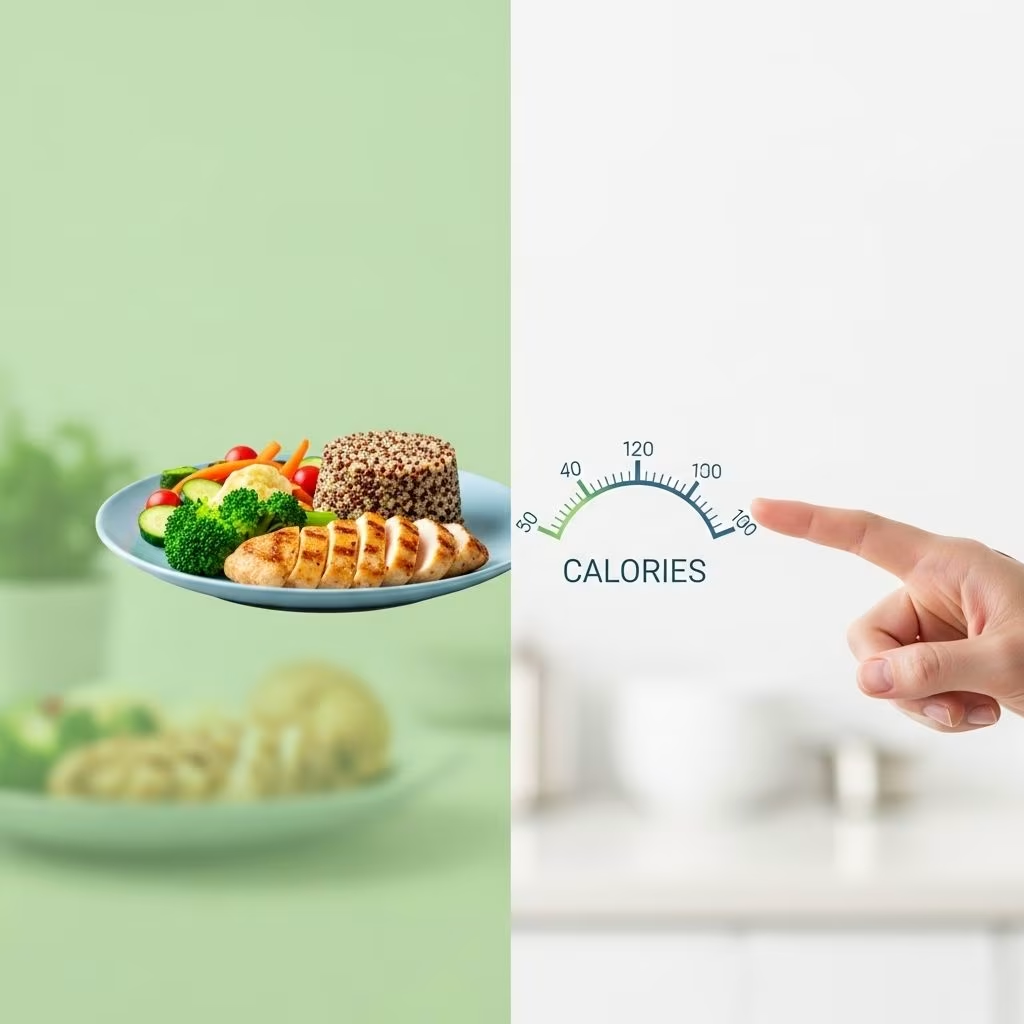
Understanding your caloric needs is a critical first step to losing weight safely and effectively. Yet, for many people, this remains a confusing subject influenced by misinformation and ever-changing trends. This expert-backed guide demystifies how calories fuel your body, how many you truly need to lose weight, and the healthiest ways to achieve your weight loss goals.
Why Knowing Your Calorie Needs Matters
Many people underestimate or overestimate how many calories they need each day. Research has found that up to 85% of adults have no idea how many calories they should consume to maintain (or lose) weight. Without this knowledge, it’s easy to inadvertently eat more than you realize, stalling your progress or leading to unnecessary restriction.
Calories provide the energy your body needs to function—whether you’re running, working, or even just breathing. When you consistently eat more calories than you burn, you store the excess as body fat. Conversely, eating fewer calories than you expend forces your body to tap into its fat stores—leading to weight loss.
How Many Calories Do You Need?
Calorie needs vary widely from person to person. Factors such as age, sex, weight, height, body composition, and activity level all play a role. While generic calorie calculators can offer ballpark figures, individual needs often require more nuanced consideration.
| Gender/Age | Sedentary | Moderately Active | Active |
|---|---|---|---|
| Women (19–30) | 1,800–2,000 | 2,000–2,200 | 2,400 |
| Women (31–50) | 1,800 | 2,000 | 2,200 |
| Women (51+) | 1,600 | 1,800 | 2,000–2,200 |
| Men (19–30) | 2,400 | 2,600–2,800 | 3,000 |
| Men (31–50) | 2,200 | 2,400–2,600 | 2,800–3,000 |
| Men (51+) | 2,000 | 2,200–2,400 | 2,400–2,800 |
Source: U.S. Department of Agriculture (USDA) Dietary Guidelines for Americans
Keep in mind that special conditions—such as pregnancy, breastfeeding, certain medical conditions, or highly active lifestyles—may require adjustments beyond the above guidelines.
Creating a Calorie Deficit for Weight Loss
Weight loss happens when you consume fewer calories than your body uses. This is called a “calorie deficit.” For most people, aiming for a deficit of 500 to 750 calories a day results in a safe weight loss rate of about 1 to 1.5 pounds per week. This pace helps preserve muscle, supports healthy metabolism, and is less likely to backfire over time.
- One pound of body fat equals roughly 3,500 calories.
- A daily deficit of 500 calories creates approximately one pound of weight loss per week.
- Very low calorie diets (below 1,200 calories/day for women or 1,500 for men) can be unsafe and should only be attempted under medical supervision.
The Case for 400-Calorie Meals
One proven approach is the 400 Calorie Fix method—plan most of your meals to deliver about 400 calories each. This quantity allows enough flexibility for variety, proper nutrition, and satiety while still enabling a calorie deficit, especially when paired with moderate snacks and physical activity.
- Three 400-calorie meals plus one or two small snacks typically keeps most adults within a healthy calorie range for weight loss.
- This portion-conscious approach also improves your ability to estimate calories visually—a practical long-term skill.
- Meals around 400 calories can include generous amounts of vegetables, lean protein, healthy fats, and complex carbs, making them both balanced and filling.
How to Figure Out Your Starting Point
Finding your optimal calorie target includes:
- Calculating your Basal Metabolic Rate (BMR): The number of calories your body needs to function at rest. Most online calculators can provide a rough estimate based on your age, sex, weight, and height.
- Factoring in your activity level: The more active you are, the more calories you need for both exercise and daily movement.
- Reducing your intake: Aim for a moderate, sustainable caloric reduction. Too large a deficit can lead to muscle loss, lethargy, or nutritional deficiencies.
Example Calculator:
- Woman, age 35, 5’5”, 160 pounds, lightly active: around 2,000 calories to maintain, 1,500 to lose weight.
- Man, age 40, 5’10”, 200 pounds, moderately active: around 2,600 calories to maintain, 2,100 to lose weight.
As you lose weight, your calorie needs will decrease. Re-evaluate every 10 to 15 pounds lost or as your activity levels change.
The Quality of Calories Matters
While quantity is crucial, the source of your calories significantly impacts your health, satiety, and success on your plan:
- Choose foods high in fiber and water content (like fruits, vegetables, legumes, and whole grains) to help you feel fuller with fewer calories.
- Incorporate lean proteins (poultry, fish, tofu, low-fat dairy, beans) to maintain muscle mass during weight loss.
- Favor whole over processed foods: minimally processed foods are more satisfying, provide better nutrition, and are associated with more sustainable weight loss. Studies show minimally processed diets lead to greater fat loss and fewer cravings compared to ultra-processed diets—even when calories are matched.
- Eat healthy fats (olive oil, avocado, nuts in moderation) to support overall health and satisfaction.
- Avoid excess added sugars, sugary drinks, fried foods, and refined grains. These tend to be calorie-dense but nutritionally poor, making it easier to overshoot your calorie target.
Common Calorie Pitfalls to Avoid
- Liquid calories: Sodas, fruit juices, sweetened teas, and coffee drinks are significant hidden sources of sugar and calories. Choose water, herbal teas, or black coffee instead.
- Mindless eating: Eating while distracted (watching TV, scrolling on your phone) can lead you to overeat because you’re not paying attention to hunger and fullness cues.
- Supersized portions: Restaurant portions are often double (or more) what you need, making it easy to eat hundreds of extra calories without realizing it.
- Sneaky snacks: Small handfuls of nuts, chips, or candies add up quickly—track or pre-portion snacks to stay in control.
- Cooking oils and dressings: These can add a lot of calories if you’re not measuring. Use minimal amounts and opt for lower-calorie dressings.
Education and mindful eating can dramatically reduce your risk of these common missteps.
Top Strategies for Sustainable Calorie Control
- Prioritize vegetables: Fill half your plate with nonstarchy veggies—they’re low in calories but high in fiber, vitamins, and minerals.
- Use smaller plates and bowls: Visual cues can influence how much you eat. Smaller dishes encourage moderate portions and trick your brain into feeling satisfied.
- Plan and prep meals in advance: Having healthy, appropriately portioned options on hand helps prevent impulsive, high-calorie choices.
- Read labels: Pay close attention to serving sizes and total calories per package, not just per serving.
- Eat mindfully: Focus on your meal, eating slowly and savoring each bite. This allows time for satiety signals to reach your brain and helps prevent overeating.
- Stay hydrated: Sometimes we mistake thirst for hunger. Drink water throughout the day and before meals to reduce unnecessary snacking.
Fad Diets vs. Realistic Calorie Approaches
Many popular diet trends promise rapid weight loss, but they may be unsustainable or nutritionally unbalanced. Instead, evidence supports losing weight at a slow and steady rate by:
- Maintaining a modest calorie deficit
- Choosing nutrient-dense, whole foods
- Pairing dietary changes with regular physical activity
Quick fixes and restriction-focused fad diets can lead to frustration, muscle loss, and rapid regain of lost pounds. Consistency beats intensity over the long haul.
Should You Count Calories?
Calorie counting isn’t mandatory, but it’s a useful tool for many people, especially in the beginning. It can raise awareness of portion sizes, eating patterns, and high-calorie foods that may otherwise go unnoticed. However, if tracking becomes stressful, try alternative methods such as visual estimations (using your hand as a guide) or the 400-calorie meal strategy for a less rigid but still effective approach.
How Exercise Fits In
Although nutrition is the primary driver of weight loss, exercise plays an important supporting role. Physical activity:
- Burns additional calories, increasing your daily calorie deficit
- Helps preserve muscle mass while losing weight
- Boosts mental health and overall well-being
- Reduces the risk of weight regain after loss
The American guidelines recommend at least 150 minutes per week of moderate-intensity exercise or 75 minutes of vigorous activity. Even short bouts, such as brisk walks or climbing stairs, add up throughout your week and are effective for health and weight loss.
Sample 400-Calorie Meals
- Breakfast: Oatmeal with berries and a sprinkle of nuts
- Lunch: Grilled chicken and spinach salad with veggies and light vinaigrette
- Dinner: Baked salmon, quinoa, and steamed broccoli
- Snack: Low-fat Greek yogurt with a handful of fresh fruit
Portion control, balance, and variety help keep you satisfied and on track.
Who Should Avoid Aggressive Calorie Restriction?
- People under 18
- Pregnant or breastfeeding women
- Individuals with a history of eating disorders
- Those under doctor’s care for chronic illness
If you’re not sure what’s right for you, consult your doctor or a registered dietitian.
Frequently Asked Questions About Calories and Weight Loss
How can I estimate calories without tracking everything?
Practice visual portion control, use smaller plates, and stick to meal templates like the 400-calorie meal formula. Over time, you’ll gain intuition for calorie counts.
Is losing weight only about calories in vs. calories out?
Calories are essential, but hormonal, metabolic, and behavioral factors play a role too. Focus on whole, nutritious foods, adequate sleep, and stress management for the best results.
How quickly can I expect to see results?
Most experts recommend aiming for 1–2 pounds of weight loss per week for sustainable results. Rapid loss increases the risk of muscle loss and weight regain.
Can all calories be treated the same?
No. Calories from nutrient-dense foods (fruits, veggies, lean protein, whole grains) offer more health benefits and satiety compared to the same calories from sugary drinks or processed snacks.
What if my weight loss stalls?
Plateaus are normal. Re-check your portions, activity, and calorie needs as you lose weight. Small adjustments and patience are key.
Key Takeaways
- Understanding your calorie needs is crucial for weight loss, but food quality, habits, and lifestyle factors matter just as much as the numbers.
- Aim for a sustainable calorie deficit of 500–750 calories/day for steady, healthy results.
- Focus on minimally processed, high-fiber foods, lean protein, and healthy fats to stay satisfied and nourished as you lose weight.
- Watching portions, avoiding liquid calories, and eating mindfully are practical tools to keep your calorie intake on target without feeling deprived.
- Pairing dietary changes with regular physical activity maximizes results and overall health.
Losing weight doesn’t require drastic diets or deprivation—just informed, consistent, and practical steps to match your calorie intake to your goals, tailored to your unique needs and preferences.
References
- https://www.prevention.com/weight-loss/a20456360/400-calorie-meals-how-to-get-started/
- https://www.prevention.com/weight-loss/diets/a60578947/how-to-lose-weight-fast-safely/
- https://www.prevention.com/weight-loss/g24805401/fat-burning-foods/
- https://www.prevention.com/weight-loss/a30188568/lose-weight-without-exercise-0/
- https://www.prevention.com/food-nutrition/healthy-eating/a65664887/ultra-processed-foods-weight-loss-gut-health-study/
- https://www.prevention.com/weight-loss/
- https://www.prevention.com
- https://www.prevention.com/weight-loss/diets/a63174975/best-diets-for-weight-loss-2025/
- https://www.prevention.com/weight-loss/a20465042/lose-weight-over-40/
- https://www.prevention.com/weight-loss/a36065492/rethinking-body-weight/


