


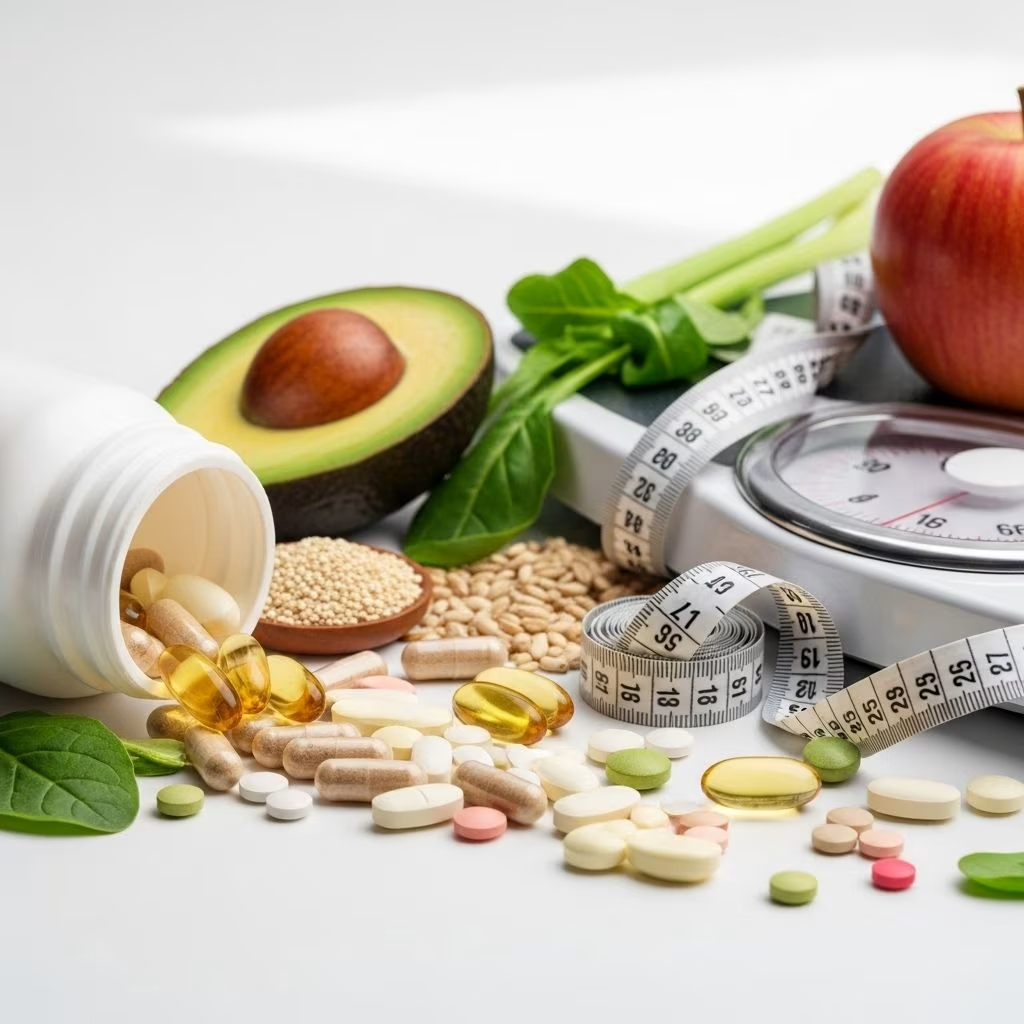
When diet and exercise aren’t enough, many people turn to weight loss pills for help. But with shelves lined with over-the-counter supplements, social media promoting miracle drugs, and prescription options rapidly evolving, it can be confusing—and sometimes dangerous to know what really works. This comprehensive guide explores everything you need to know about weight loss pills, from the science behind FDA-approved medications to the truth about supplements and expert advice on what you should consider before taking any pill.
Understanding Weight Loss Pills: The Basics
Weight loss medications are designed to help people struggling to lose weight by targeting appetite, absorption of fat, or metabolism. They can be divided into three main categories:
- Prescription weight loss medications: Approved by the FDA, these are intended for people with a BMI above a certain threshold or weight-related health conditions.
- Over-the-counter (OTC) weight loss pills: Widely sold without a prescription, these supplements are often unregulated and vary in safety and effectiveness.
- Herbal or natural supplements: Promoted for weight loss but typically lacking rigorous evidence or oversight.
Let’s examine how each of these categories works and what you should consider before trying any of them.
How Prescription Weight Loss Pills Work
FDA-approved prescription weight loss medications are recommended for people with obesity (BMI ≥ 30) or those who are overweight (BMI ≥ 27) with additional weight-related health risks, such as hypertension or diabetes. These drugs usually work by:
- Suppressing appetite
- Reducing absorption of fat
- Increasing feelings of satiety
Common FDA-approved prescription weight loss medications include:
| Drug Name (Brand) | How It Works | Form | Typical Use | Average Weight Loss |
|---|---|---|---|---|
| Semaglutide (Wegovy, Ozempic) | GLP-1 receptor agonist; suppresses appetite, increases satiety | Injection | Weekly | Up to 14.9% |
| Tirzepatide (Zepbound, Mounjaro) | Dual GIP/GLP-1 agonist; stronger suppression of appetite | Injection | Weekly | Up to 22.5% |
| Liraglutide (Saxenda) | GLP-1 receptor agonist; appetite control | Injection | Daily | Up to 8% |
| Phentermine-topiramate (Qsymia) | Appetite suppressant + anticonvulsant | Capsule | Daily | 7–11% |
| Naltrexone-bupropion (Contrave) | Opioid antagonist + antidepressant; appetite, cravings | Tablet | Daily | 5–9% |
| Orlistat (Xenical, Alli – OTC version) | Blocks fat absorption in gut | Capsule | 3x daily | ~5–7% |
| Setmelanotide (Imcivree) | Melanocortin-4 receptor agonist (specific genetic obesity) | Injection | Daily | Varies (certain rare disorders) |
| Hydrogel (Plenity – FDA device, not drug) | Creates fullness in stomach | Capsule | Twice daily | ~6% |
How Effective Are Prescription Weight Loss Pills?
Recent advances have brought breakthrough effectiveness in medication-assisted weight loss. For example, semaglutide (Wegovy) produced an average loss of nearly 15% body weight, and tirzepatide (Zepbound) resulted in up to 22.5%, outpacing many older medications and approaching the results of bariatric surgery for certain patients.
Who Should Consider Prescription Medications?
- Adults with a BMI of 30 or higher
- Adults with a BMI of 27 or higher and at least one weight-related health condition (e.g., type 2 diabetes, hypertension)
- Those who have not succeeded with diet and exercise alone
These drugs are not for everyone. People must be evaluated for medication-specific risks and should only use FDA-approved weight loss prescriptions under medical supervision.
Emerging and Experimental Medications
The next generation of obesity medications could be even more potent. Retatrutide, an experimental drug from Eli Lilly, has demonstrated weight reductions up to 24% in clinical trials, raising hopes for even more effective interventions. However, it’s still under investigation and not available outside clinical studies.
What About Over-the-Counter Weight Loss Pills?
Most pills and supplements sold without a prescription—including those touted as herbal pills, “natural options,” or “fat burners”—are not FDA-approved for weight loss. This means their safety, efficacy, and quality standards are not regulated.
- Common OTC ingredients include caffeine, green tea extract, garcinia cambogia, raspberry ketones, and bitter orange. The evidence supporting these for meaningful, sustained weight loss is extremely weak.
- Risks: Many OTC pills may contain hidden pharmaceutical drugs, are prone to contamination, and can cause serious side effects—including elevated blood pressure, liver damage, or heart issues.
- Orlistat (Alli): The only OTC medication with FDA approval for weight loss. It has modest efficacy by blocking fat absorption but can cause digestive side effects.
Do Herbal and Natural Supplements Really Work?
Despite heavy marketing, herbal and natural weight loss supplements lack high-quality scientific evidence and are not monitored for safety by the FDA.
- Green tea extract, garcinia cambogia, chromium picolinate, and other compounds have shown little to no meaningful benefit for long-term weight loss in clinical research.
- High doses of these products can be toxic to the liver or heart.
- Many online or imported supplements are not what they claim to be and may contain undisclosed substances that can be harmful.
Bottom line: Approach supplements with skepticism, and talk to a healthcare provider before trying anything not prescribed.
Peptides for Weight Loss: Hype or Hope?
Peptides such as GLP-1 agonists (semaglutide, liraglutide, tirzepatide)—originally developed for diabetes—have recently become the cornerstone of prescription weight loss therapy. These peptides work by mimicking hormones that regulate appetite and satiety, often leading to significant calorie reduction and sustained weight loss.
Some clinics and online platforms market compounded peptides or off-brand injections. These are not FDA sanctioned, may differ in dosage or purity, and could carry real safety risks. Only FDA-approved peptides prescribed by a licensed physician should be considered for legitimate weight loss treatment.
Common Side Effects of Weight Loss Medications and Supplements
Side effects differ depending on the mechanism of action but frequently include:
- Nausea, vomiting, diarrhea, constipation (especially common with GLP-1 agonists)
- Headaches and increased heart rate (notably with stimulants like phentermine)
- Insomnia
- Digestive disturbances (orlistat can cause oily stool and flatulence)
- Serious risks, such as heart valve damage (as seen with now-withdrawn drugs)
Importantly, weight loss supplements may have unpredictable interactions and have in some cases led to emergency hospital visits due to organ toxicity or contamination. Always consult with a healthcare professional before starting a weight loss medication or supplement.
The Role of Lifestyle: Why Pills Alone Aren’t Enough
All experts agree: even the most effective weight loss medication cannot replace lifestyle modification. Prescription drugs, medical devices, or supplements work best as an adjunct to:
- Calorie-controlled, nutritious diet
- Regular physical activity
- Behavioral support, coaching, or therapy
Without sustained changes in these areas, most people regain lost weight after stopping medications—or never achieve optimal results even while taking them.
Weight Loss Pills Withdrawn for Safety Reasons
Many weight loss medications have been taken off the market after post-approval surveys found unacceptable risks. Notable examples include:
- Fenfluramine/phentermine (Fen-Phen): Associated with heart valve damage; withdrawn in the late 1990s.
- Meridia (sibutramine): Withdrawn due to increased risk of heart attack and stroke.
- Lorcaserin (Belviq): Removed over cancer risk concerns.
This history underscores why self-medicating, supplement use, or using imported/unregulated options can be particularly dangerous.
What to Consider Before Taking Any Weight Loss Pill
Before trying any medication or supplement for weight loss, ask yourself and your healthcare provider the following questions:
- Is my BMI above 30, or 27 with other medical risks?
- Have I tried evidence-based diet and exercise approaches for at least six months?
- Do I understand the potential side effects and risks of this medication or supplement?
- Will I receive medical monitoring while taking it?
- Do I have realistic expectations (5–15% body weight loss)?
- Is this medication FDA-approved for weight loss?
Never take weight loss pills obtained from foreign websites, gyms, or non-medical sources. The risks are often far greater than any potential benefits.
Frequently Asked Questions (FAQs) About Weight Loss Pills
Are weight loss pills safe?
FDA-approved weight loss medications with medical supervision are generally considered safe for appropriate candidates. OTC and supplement pills carry significant risks, especially without proper oversight or if ingredients are hidden or unlisted.
What’s the most effective prescription weight loss drug?
Currently, tirzepatide (Zepbound) and semaglutide (Wegovy) offer the greatest average weight loss in clinical trials, with reductions between 15% and 22% of starting weight.
Do you regain weight after stopping weight loss medication?
Sadly, weight regain is common once any weight-loss medication or supplement is stopped unless sustainable lifestyle changes are maintained.
Can you take weight loss pills if you’re not obese?
Prescription weight loss medications are indicated for those with medical need (higher BMI or weight-related health conditions). Using powerful medications or supplements to lose “vanity pounds” can be unsafe and is not recommended.
Are all weight loss pills addictive?
Most modern FDA-approved drugs are not considered addictive, but some stimulant-based options (like phentermine) carry risk for dependence with mismanagement. Always seek medical advice.
Key Takeaways
- FDA-approved prescription weight loss medications can be effective and safe—but must be used under careful medical supervision.
- Over-the-counter and herbal supplements for weight loss are largely unproven and riskier; most people should avoid them.
- All weight loss pills work best as part of a healthy, long-term lifestyle plan—not as a replacement for good nutrition and physical activity.
If you’re considering prescription medications or supplements for weight loss, seek the guidance of a board-certified healthcare provider or an obesity medicine specialist to tailor a plan that protects your health and meets your goals.
References
- https://obesitymedicine.org/blog/weight-loss-medications/
- https://www.prevention.com/weight-loss/a44359639/retatrutide-eli-lilly-weight-loss-drug/
- https://www.prevention.com/weight-loss/a46858654/peptides-for-weight-loss/
- https://www.prevention.com/weight-loss/a29669855/best-weight-loss-pills/
- https://www.prevention.com/weight-loss/a20431862/these-5-weight-loss-drugs-really-work-but-heres-what-else-you-need-to-know/
- https://www.prevention.com/weight-loss/diets/a20429843/weight-loss-diet-pills/
- https://www.prevention.com/weight-loss/
- https://magazine.ucsf.edu/weight-loss-drugs-too-good-to-be-true
- https://www.prevention.com/weight-loss/a65888760/turmeric-curcumin-helps-weight-loss-study/
- https://www.prevention.com/weight-loss/a20451059/the-dangers-of-garcinia-cambogia-diet-pills/


