


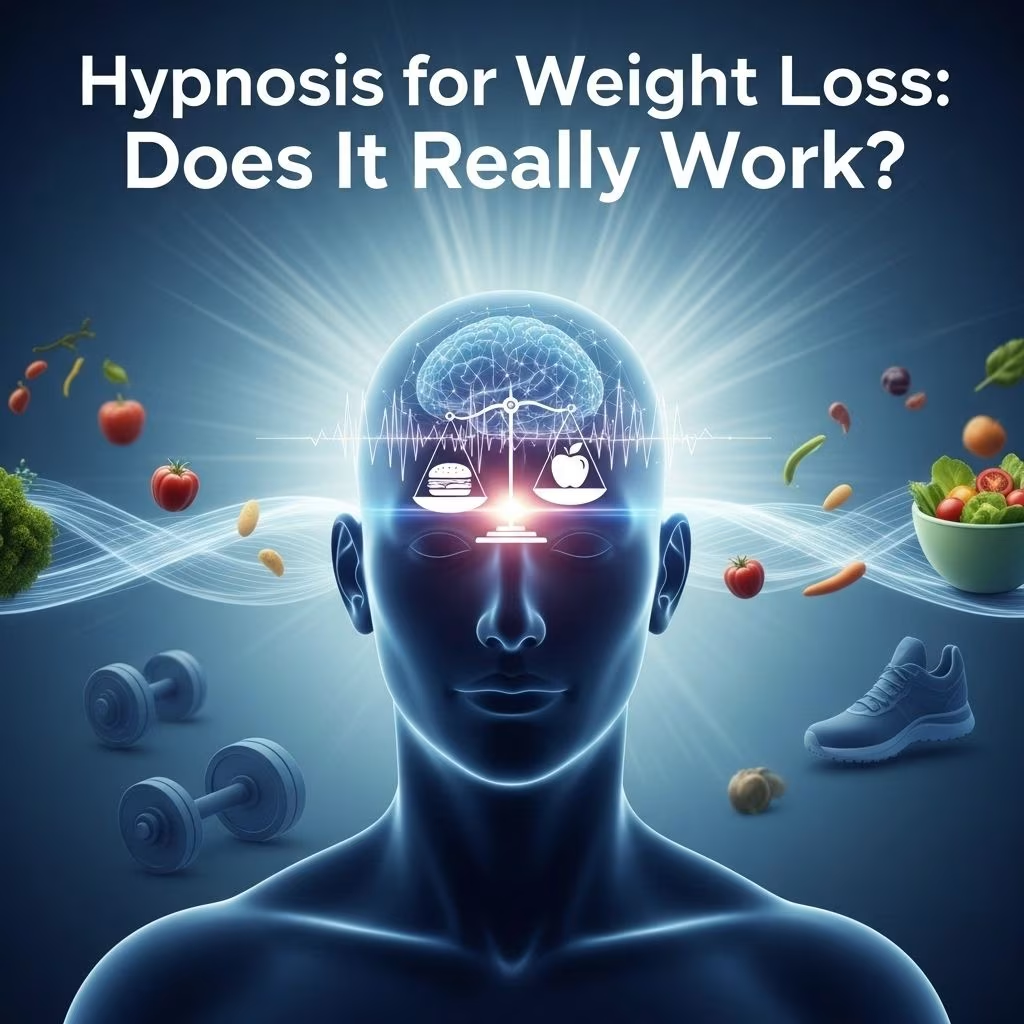
Hypnosis for Weight Loss: Science or Hype?
Hypnosis is widely recognized for its role in entertainment, but it’s also used as a therapeutic technique for various challenges—including weight loss. With many weight loss solutions on the market, claims about hypnosis helping people shed pounds naturally raise questions about its effectiveness and scientific basis. Can hypnotherapy truly rewire your mind to help you lose weight, or is it simply an intriguing myth?
What Is Hypnosis, and How Does It Work?
Hypnosis is a focused state of consciousness that increases suggestibility and concentration. In therapeutic settings, trained hypnotherapists use relaxation techniques, guided imagery, and verbal cues to help clients access their subconscious minds. During hypnosis, the participant is not unconscious or under someone else’s control; rather, they are highly aware, but more open to changing entrenched habits or behaviors through suggestion.
The hypothesis in the context of weight loss is simple: by addressing subconscious patterns related to overeating, poor body image, or emotional eating, individuals may form healthier habits—complementing, not replacing, diet and exercise routines.
What Happens During a Hypnotherapy Session?
Here’s what you can expect if you decide to try hypnotherapy for weight loss:
- Intake & Assessment: The hypnotherapist discusses your weight loss history, goals, and challenges to create a personalized approach.
- Induction: Using calming speech or guided relaxation, the practitioner helps you reach a deeply relaxed, yet highly alert mental state.
- Suggestion: The therapist introduces targeted suggestions aimed at addressing specific behavior patterns—such as reducing cravings, eating more mindfully, or increasing motivation to exercise.
- Awakening: You are gently guided back to full awareness, usually feeling calm and focused.
- Integration: Some hypnotherapists provide recordings or exercises to reinforce the suggestions in daily life.
Sessions typically last 45 to 60 minutes and may occur weekly or biweekly for several weeks or months, depending on individual needs.
What Does the Research Say?
Scientists have been exploring the potential of hypnosis in weight management for decades, often with mixed results:
- Clinical Studies: Research published in peer-reviewed journals shows that including hypnotherapy alongside dietary advice can result in slightly more weight lost, with effects often persisting beyond three months. One controlled trial demonstrated that, while all participants (receiving hypnotherapy or dietary advice alone) lost 2-3% of their body weight in three months, only those receiving stress-reduction hypnotherapy maintained a significant loss at 18 months.
- Biological Mechanisms: A recent study found that obese patients who underwent 10 weeks of hypnotherapy experienced not only BMI reduction but also beneficial shifts in hormones involved in appetite regulation, such as decreased leptin and increased adiponectin and irisin levels—suggesting a deeper biological effect.
- Self-Hypnosis: Other evidence is less robust. For example, a study using audio self-hypnosis over three weeks found no significant benefit in weight loss compared to a placebo control, indicating that not all hypnosis-based interventions are equally effective or that more time may be needed.
Overall, the consensus from experts and reputable health sources is that hypnosis may offer modest additional benefits for weight loss when used in combination with lifestyle changes such as dietary modification, increased activity, and behavioral counseling.
Does Hypnosis for Weight Loss Really Work?
The answer, according to the research, is nuanced. Hypnosis is not a magic cure that will melt pounds away without effort. However, it may work by:
- Supporting healthier habits by making people more receptive to positive behavioral suggestions.
- Reducing stress and emotional eating triggers, which are common pitfalls in dieting.
- Improving commitment to diet and exercise plans.
Some trials have shown additional weight loss when hypnosis is used with established behavioral interventions, although the magnitude is generally small. The effect appears to be most enduring when hypnotherapy is tailored to address stress or underlying emotional causes of overeating.
What Does a Hypnotherapist Do For Weight Loss?
Certified hypnotherapists often utilize several approaches in weight loss sessions, including:
- Direct suggestion: Encouraging the client to develop aversions to unhealthy foods and preferences for nutritious options.
- Guided imagery: Helping the client visualize themselves at a healthy weight, participating in active lifestyles or feeling confident in their body.
- Behavioral reinforcement: Using affirmations to encourage consistent healthy actions, like mindful eating or regular exercise.
- Stress management: Addressing psychological triggers for bingeing, emotional eating, or late-night snacking.
Therapists may also provide self-hypnosis exercises for clients to practice at home, helping to reinforce positive suggestions and promote accountability.
Who Should Consider Hypnotherapy for Weight Loss?
Hypnosis is generally most effective for individuals who are:
- Open-minded and willing to engage in guided visualization and suggestion.
- Searching for support in changing persistent unhealthy habits.
- Using hypnotherapy as an adjunct—rather than the primary tool—for weight management.
- In good mental health and not seeking hypnosis as a substitute for medical or psychiatric care.
Possible Risks and Downsides of Weight Loss Hypnosis
Weight loss hypnosis is considered safe for most people when delivered by a qualified, ethical therapist. However, there are a few caveats to note:
- Effectiveness is variable: Not everyone is equally susceptible to hypnosis. Some studies suggest only 10–15% of people are highly hypnotizable.
- Not a standalone solution: Significant, lasting weight loss requires healthy lifestyle modifications.
- Potential for exploitation: As with all unregulated professions, beware of unqualified practitioners or exaggerated claims of miraculous results.
- Underlying issues: Those with certain psychiatric concerns (like psychosis) or trauma history should use caution and seek therapists with relevant expertise.
Benefits of Hypnotherapy for Weight Loss
- Non-invasive and drug-free—there are no medications or surgeries involved.
- Holistic approach—addresses psychological as well as behavioral components of eating.
- Potential to reduce unwanted eating patterns and encourage healthier choices.
- May improve motivation and lower stress-related eating.
- Minimal risks and side effects when guided by a qualified professional.
What to Look for in a Hypnotherapist
For the safest and most effective experience, consider the following tips when selecting a hypnotherapist:
- Check for certification from recognized professional associations (like the American Society of Clinical Hypnosis).
- Seek a practitioner with strong experience in behavioral change and weight management.
- Confirm their background in mental health, psychology, or counseling for added assurance.
- Avoid anyone promising rapid or guaranteed weight loss—be cautious of exaggerated claims.
- Ask about their approach and the structure, frequency, and estimated length of the program.
What to Expect: Session Structure and Cost
| Aspect | Typical Details |
|---|---|
| Session Length | 45-60 minutes |
| Program Duration | Several weeks to months |
| Cost per Session | $75-$200 (varies by provider and location) |
| Modalities | In-person, online (telehealth), or audio self-hypnosis |
| Other Inclusions | Personalized scripts, follow-up exercises, self-hypnosis guidance |
Frequently Asked Questions (FAQs)
Q: Can hypnosis make you lose weight without diet or exercise?
A: No. While hypnosis can support behavioral changes that promote weight loss, sustainable results still require healthy eating and regular physical activity.
Q: How many sessions are needed for weight loss?
A: Programs typically range from 4 to 12 sessions. Outcomes vary based on individual needs, goals, and ongoing support between sessions.
Q: Is self-hypnosis effective for weight loss?
A: Evidence for self-hypnosis (via audio recordings) is limited; studies suggest benefits are minor or inconsistent compared to guided hypnotherapy, but some people find value in regular use.
Q: Are there any side effects?
A: Side effects are uncommon; some people may feel temporary drowsiness, headache, or emotional release after sessions. Hypnosis is not recommended for individuals with severe psychiatric disorders without medical supervision.
Q: Where can I find a qualified hypnotherapist?
A: Search directories of reputable professional organizations (such as the American Society of Clinical Hypnosis) or check with local health practitioners for referrals.
Summary: Is Hypnosis Worth Trying for Weight Loss?
Hypnosis may offer mild to moderate benefits for weight loss—mainly by empowering individuals to adopt healthier behaviors, build confidence in their weight management journey, and decrease reliance on emotional eating. It is most likely to be effective as part of a comprehensive plan involving diet, exercise, and behavioral counseling. Consult your healthcare provider before starting any new weight loss intervention, and look for hypnotherapists with appropriate qualifications and a realistic outlook.


