


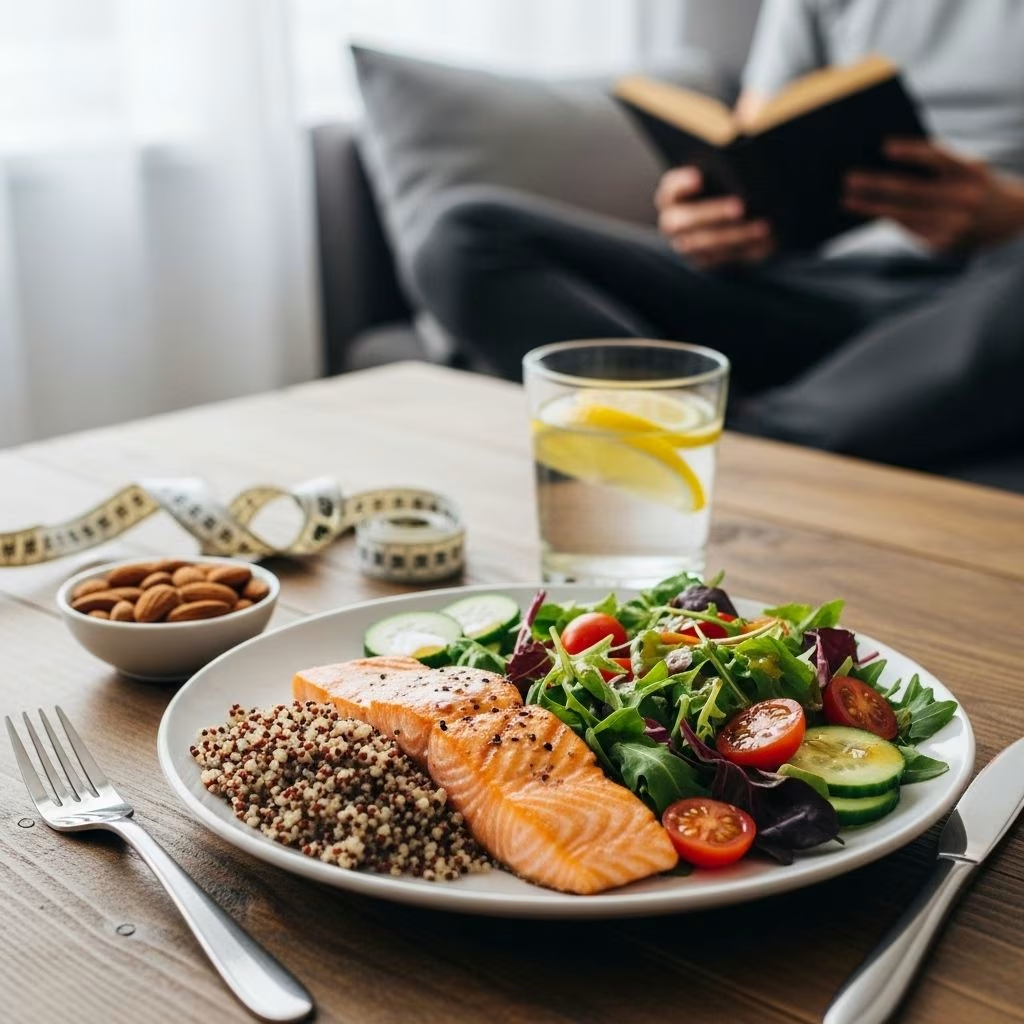
Weight loss is often pictured as a constant cycle of cardio and resistance training, but for many people, movement may not be a daily option. Whether it’s due to a busy lifestyle, physical limitations, or personal preference, you can achieve your weight loss goals without a dedicated exercise routine. Experts agree: the most powerful tool for changing your weight is not found in the gym, but on your plate and in your daily habits. Read on to discover 15 research-backed strategies to lose weight without exercising—plus expert answers to your most common questions.
Understanding Weight Loss Without Exercise
At its core, weight loss comes down to a simple equation: consume fewer calories than you burn. While exercise certainly burns calories, dietary choices play an even more significant role. As Dr. Spencer Nadolsky, D.O., an obesity specialist, explains, “Nutrition, including both what and how much we eat, is by far the most important aspect for losing weight.” Portion control, food quality, and healthy routines can result in meaningful, sustainable fat loss—even with minimal movement.
Meet the Experts
- Dr. Spencer Nadolsky, D.O. – Obesity and lipid specialist physician, founder at Vineyard.
- Jessica Cording, R.D. – Dietitian, author of The Little Book of Game Changers.
- Keri Gans, R.D. – Dietitian, author of The Small Change Diet.
- Karen Ansel, M.S., R.D.N. – Dietitian, author of Healing Superfoods for Anti-Aging: Stay Younger, Live Longer.
- Alex Evink, R.D. – Owner and founder at Moderately Messy R.D.
- Lisa Moskovitz, R.D. – CEO and founder at NY Nutrition Group.
15 Science-Backed Ways to Lose Weight Without Exercise
1. Review and Reduce Your Portions
Using smaller plates and measuring servings can prevent overeating. Visual cues like using your clenched fist for carbs (about 1 cup), palm for protein (about 4 oz), and 2 tablespoons for healthy fats help you maintain balance at every meal. In restaurants, consider sharing a dish or immediately boxing half to avoid excess calories.
2. Don’t Skip Meals
Skipping meals tends to increase hunger and can trigger mindless snacking or overeating later in the day. Allowing yourself three balanced meals helps maintain steady blood sugar and promotes satiety, making it less likely you’ll overconsume.
3. Add More Fiber to Your Diet
High-fiber foods such as vegetables, beans, and whole grains keep you fuller for longer and slow digestion, aiding appetite control. Make an effort to include fiber at every meal—think leafy greens, lentils, or chia seeds stirred into yogurt.
4. Hydrate Before and Between Meals
Drinking water aids digestion, improves energy, and can help blunt hunger. Aim to drink a glass before meals, as people sometimes mistake thirst for hunger. Flavored seltzers or herbal teas can add variety if you have trouble hitting your hydration goals.
5. Prioritize Protein
Protein takes longer to digest than carbs or fat, which means meals with lean meats, fish, eggs, tofu, or Greek yogurt keep you full for hours. Protein also helps preserve lean muscle mass during weight loss.
6. Eat Mindfully and Slow Down
Slowing down allows your brain time to register fullness, helping you naturally feel satisfied with less. Try putting down your fork between bites, or setting a timer for at least 20 minutes per meal. Practicing mindfulness around eating—such as really savoring flavors and checking in on hunger—can also help reduce impulsive overeating.
7. Keep a Food Diary
Consistently tracking what and when you eat increases awareness of portion sizes, snacks, and emotional triggers. Whether it’s a smartphone app, a photo journal, or an old-fashioned notebook, recording meals helps prevent unnoticed calorie creep.
8. Reduce Sugar and Empty Calories
Sugar-sweetened beverages, pastries, and processed snacks pack a calorie punch but do little to fill you up. Replacing soda and high-sugar treats with sparkling water, fruit, or nuts is an easy way to cut significant calories without feeling deprived.
9. Prepare Your Own Meals
Cooking at home allows you to control ingredients, portion sizes, and cooking methods. Meals made at home are often lower in hidden calories from sauces and oils. Try planning simple, whole-food recipes for lunches and dinners each week.
10. Make Healthy Swaps
- Swap white bread for whole grain.
- Try Greek yogurt in place of sour cream.
- Choose roasted veggies over fries.
- Replace creamy dressings with vinaigrettes.
Small, consistent changes can cut calories over time while still allowing you to enjoy the flavors you love.
11. Eat More Vegetables
Vegetables are high in nutrients and fiber but low in calories, making them ideal for weight loss. Fill half your plate with non-starchy vegetables (such as broccoli, carrots, or peppers) at each meal to boost fullness and overall nutrition.
12. Watch Out for Liquid Calories
Beverages like juice, alcohol, and specialty coffees can add hundreds of extra calories per day. Opt for water, black coffee, or unsweetened tea when possible. If you choose to drink, set a reasonable limit and stick to it.
13. Don’t Eat Out of Boredom
It’s common to turn to snacking when stressed, tired, or bored. Learn to distinguish real hunger from emotional triggers by pausing before you eat—ask yourself if you’re truly hungry or just seeking comfort or distraction. Finding alternative outlets, such as walking, reading, or talking to a friend, can help reduce emotional eating.
14. Get Enough Sleep
Not sleeping enough disrupts hormones that control hunger and satiety (ghrelin and leptin), making it easier to overeat. Aim for 7 to 9 hours of quality sleep each night by maintaining a consistent sleep schedule and creating a restful bedtime routine.
15. Create an Environment for Success
- Keep tempting snacks out of sight or out of the house.
- Stock your fridge with pre-chopped vegetables and fruit.
- Prepare healthy stovetop meals so nutritious choices are easy and accessible.
Your surroundings have a big impact on your food choices. Set yourself up for success by making nutritious habits the default, not the exception.
How Much Weight Can You Lose Without Exercise?
The scale’s movement always depends on the energy balance: calories in versus calories out. According to Dr. Spencer Nadolsky, “a general rule of thumb is that one can safely lose up to 1% of their body weight per week without exercising.” If you weigh 200 pounds, for instance, you could expect to lose about 2 pounds per week at the beginning of your journey without the risks of crash dieting.
However, steady, consistent habits work best. Rapid weight loss can increase the chances of muscle loss or nutritional deficiency. Remember, every individual’s body is unique, and a pace that works for one may not work for another.
Can You Lose 20 Pounds in a Month Without Exercise?
While weight loss medications are more common than ever and may allow for quicker results, relying on drugs alone (without healthy meal planning) can result in muscle loss and regaining weight when medications stop. Experts stress that losing as much as 20 pounds in a month typically requires extreme and potentially unsafe measures. Focus instead on steady changes and building healthier habits that support long-term well-being.
FAQ: Your Most Common Questions About Losing Weight Without Exercise
Q: Is it really possible to lose weight just by changing my eating habits?
A: Yes, most experts agree that diet is the most significant factor in weight loss. Evidence supports that creating a caloric deficit through effective meal planning, portion control, mindful eating, and improved food choices can result in substantial weight loss without formal exercise.
Q: Which habit should I start with first?
A: Start with the habit you find easiest to incorporate, such as swapping in more vegetables or keeping a food diary. Small changes build confidence and can motivate further healthy behaviors.
Q: Will I lose muscle if I don’t exercise?
A: Some muscle loss is inevitable with weight reduction, especially if you lose weight quickly or restrict protein intake. Prioritizing protein and including activities of daily living (such as carrying groceries or cleaning) can help minimize muscle loss. For optimal results, add some form of resistance training if medically possible.
Q: Are there risks to losing weight without exercise?
A: Rapid or extreme caloric restriction can slow metabolism, lead to nutritional deficiencies, and increase the chances of regaining the weight. Always aim for balanced meals and avoid drastic approaches. Consulting a registered dietitian can help customize a safe, effective plan for your needs.
Q: Is exercise necessary for health if my main goal is weight loss?
A: Even if weight loss can occur without exercise, regular movement benefits cardiovascular health, mood, energy, and sleep. If structured exercise isn’t possible, focus on including more daily movement like walking, stretching, or standing breaks to enhance overall well-being.
Quick Reference Table: Weight Loss Without Exercise
| Strategy | Benefit | How to Implement |
|---|---|---|
| Portion Control | Reduces calorie intake | Use smaller plates, measure food |
| Don’t Skip Meals | Prevents overeating | Eat three balanced meals daily |
| Increase Fiber | Boosts satiety | Add vegetables, beans, whole grains |
| Drink Water | Controls appetite | Hydrate before meals |
| Prioritize Protein | Maintains muscle, fullness | Include lean protein at each meal |
| Keep Food Diary | Promotes awareness | Track meals and snacks daily |
| Reduce Sugar | Cuts empty calories | Limit processed snacks, sweet drinks |
| Cook at Home | Control ingredients/portions | Plan simple recipes |
| Healthy Swaps | Lowers calorie content | Choose whole grain, low-fat alternatives |
| Eat More Veggies | Fills you up, adds nutrients | Half your plate non-starchy veg |
| Avoid Liquid Calories | Prevents unnecessary calories | Opt for water or unsweetened beverages |
| Emotional Eating | Prevents unnecessary snacking | Pause and assess hunger |
| Sleep Well | Regulates hunger hormones | Aim for 7–9 hours nightly |
| Environment Setup | Encourages healthy choices | Limit junk food, prep healthy snacks |
Final Thoughts
While exercise provides extensive health benefits, long-term weight loss is primarily a matter of what—and how much—you eat. You can achieve significant and lasting results by strategically adjusting your daily habits, from portion control and fiber intake to mindful eating and sleep. Start with one or two changes today, and watch the results add up over time.
References
- https://www.prevention.com/weight-loss/a30188568/lose-weight-without-exercise-0/
- https://pmc.ncbi.nlm.nih.gov/articles/PMC5556592/
- https://www.prevention.com/weight-loss/a20474357/weight-loss-80-percent-diet-and-20-percent-exercise/
- https://www.prevention.com/weight-loss/a20439221/lose-weight-without-diet-or-exercise/
- https://www.prevention.com/weight-loss/diets/a60578947/how-to-lose-weight-fast-safely/
- https://www.prevention.com/weight-loss/g20498713/lose-weight-without-trying/
- https://www.prevention.com/weight-loss/a20449893/little-changes-that-add-up-to-big-weight-loss/
- https://www.prevention.com/weight-loss/a20430746/weight-loss-success-stories/
- https://www.prevention.com/weight-loss/
- https://www.prevention.com/weight-loss/a20497754/exercising-for-weight-loss/


