


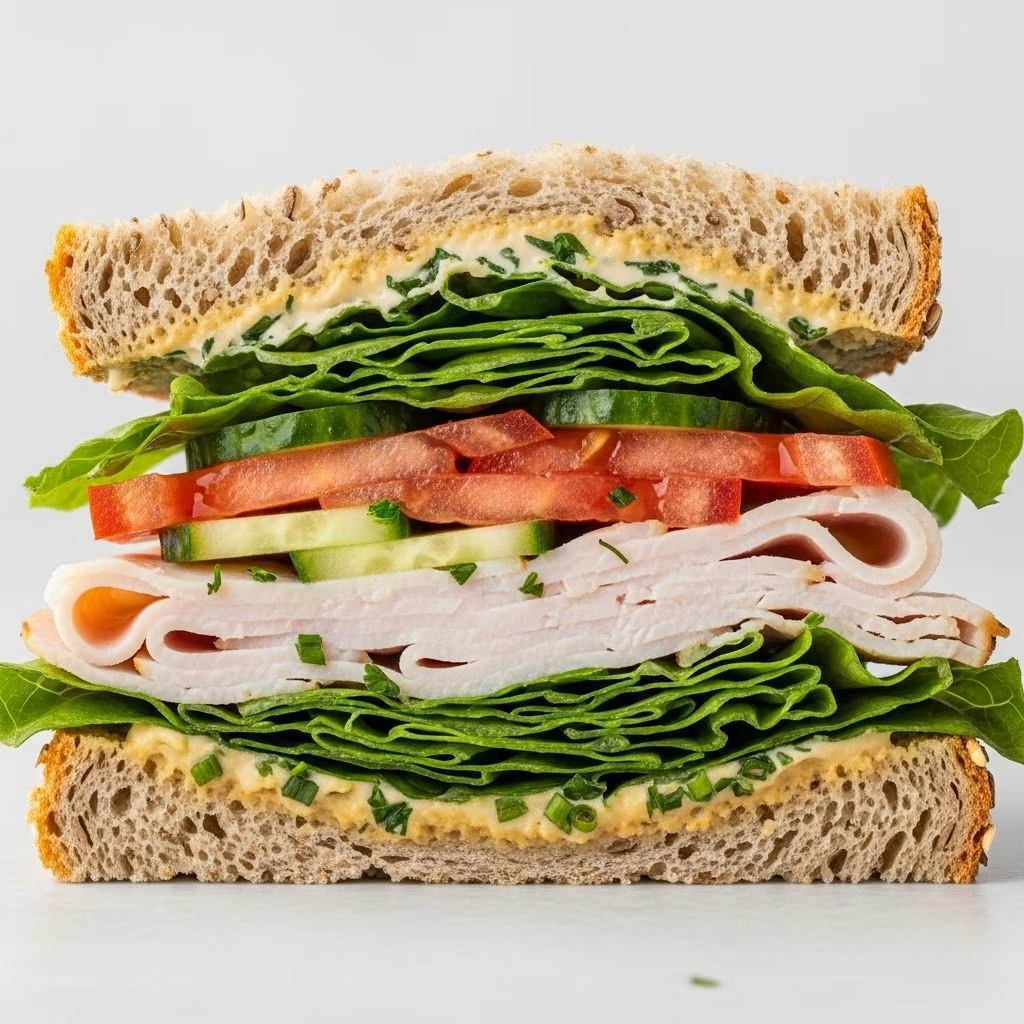
Sandwiches are a lunchbox classic, but hidden calories can quickly add up if you’re not careful. If you’re aiming to lose weight or maintain a healthy diet, making smart sandwich swaps is one of the easiest ways to cut back without sacrificing flavor or satisfaction. Here is a detailed look at 11 science-backed strategies to reduce calories from your lunchtime sandwich and tips on building your healthiest, most energizing sandwich yet.
Why Every Calorie Counts at Lunch
Lunch can either set you up for afternoon success—or leave you sluggish and on the path to overeating later in the day. Many sandwiches pack 500+ calories, thanks to bread, high-fat spreads, cheese, and processed meats. By trimming just a few hundred calories from lunch, you can make a big impact on your daily intake and long-term wellness.
1. Switch to Lower Calorie Bread or Go Open-Faced
Bread isn’t just a carrier—it can be a calorie bomb. Traditional white or artisan breads often contain 150-200 calories per slice. To cut calories:
- Try thin-sliced whole grain bread—these often have 40-60 calories per slice, but deliver hearty texture and fiber.
- Opt for a whole wheat English muffin or sandwich thin—each typically contains 100-120 calories.
- Go open-faced: Use just one slice of bread and pile high with healthy toppings, eliminating at least 70-100 calories instantly.
- Swap in leafy greens such as romaine, collard, or swiss chard as wraps instead of bread for a major calorie cut plus a big nutrition boost.
Pro tip: Toasting your bread enhances flavor, letting you use less.
2. Load Up on Low-Calorie, High-Volume Vegetables
One of the easiest ways to feel full without extra calories is to add volume with veggies. Pile on ingredients like lettuce, cucumber, tomatoes, shredded carrots, spinach, sprouts, and roasted bell peppers.
- These ingredients are low in calories (most under 25 calories per serving) but add fiber, crunch, and satisfaction.
- Swap out half your usual meat or cheese with extra veggies to reduce calories by over 100 per sandwich.
- Roast or grill vegetables for added flavor without the calories or fat of extra condiments.
3. Rethink Your Spread: Use Healthier, Lighter Condiments
Mayonnaise is a classic sandwich spread, but it packs about 90 calories per tablespoon! Instead, try these flavor boosters:
- Mustard: Most varieties (including yellow and Dijon) have 10 calories or less per tablespoon.
- Hummus: Swap for mayo—hummus contains protein and fiber, usually at about 25 calories per tablespoon.
- Avocado: Mashed avocado adds creaminess and healthy fat. Use just 1-2 tablespoons for about 40 calories.
- Fat-free Greek yogurt: Combine with herbs for a low-calorie, tangy alternative to mayonnaise-based spreads.
- Salsa or hot sauce: Pile on fresh salsa or a splash of hot sauce for minimal calories and maximum zest.
Tip: Always measure out your condiments—it’s easy to spoon on more than one serving without realizing it.
4. Downsize (or Skip) the Cheese
Cheese is another sandwich staple that can double your calorie intake. A single slice can range from 70-120 calories. Here’s how to cut back:
- Use a single, thin slice or try reduced-fat cheese (often 40-60 calories per slice).
- Substitute strong-flavored cheeses like sharp cheddar, feta, or goat cheese—you can use less and still enjoy bold taste.
- Go cheese-free, and instead pile on flavorful veggies or add a tangy spread for moisture and taste.
5. Choose Lean and Low-Sodium Proteins
Processed deli meats can be high in both calories and sodium. Instead:
- Opt for turkey, chicken breast, or lean roast beef—these provide protein with fewer calories and less fat than salami, bologna, or ham.
- Go plant-based: Try mashed chickpeas, grilled tofu or tempeh, or bean spreads for a filling vegetarian or vegan sandwich.
- Portion control: The recommended serving size is 2-3 ounces. Overloading with meat can add hundreds of calories.
- Skip fried cutlets in favor of grilled or roasted versions to save both calories and unhealthy fats.
6. Avoid Calorie Traps: Skip Bacon, Fried Toppings, and Creamy Extras
Crispy bacon, fried onions, creamy slaws, and extra oils or butter sound delicious—but even small additions quickly load up your sandwich:
- Just two slices of cooked bacon can add 80-100 calories and 6-8 grams of fat.
- Creamy coleslaw or potato salad can pile on 150-200 calories per scoop.
- Butter or oil-brushed breads add 30-50 calories per side.
- Pickles, hot peppers, and fresh herbs offer big flavor for virtually no calories.
Choose fresh, flavorful ingredients and spices to keep your sandwich interesting without calorie-laden extras.
7. Practice Portion Awareness: Eat Mindfully
Eating slowly and recognizing when you’re full can make a significant difference in your calorie intake:
- Put down your sandwich or fork between bites to chew thoroughly and savor flavors.
- Eat without distractions like screens or work—this mindful approach can help you feel satisfied sooner, cutting 100-300 calories or more per meal according to studies.
- Consider serving your sandwich with a side salad or fruit to create a more leisurely eating experience.
8. Limit High-Calorie Side Dishes and Drinks
Chips, fries, and sugary drinks are common sandwich sides, but each can add 100-300 calories. Instead:
- Choose water, unsweetened iced tea, or seltzer to stay hydrated and cut sugar.
- Pair your sandwich with fresh fruit, carrot sticks, or a small cup of vegetable soup for filling nutrition minus the calories.
- If you crave crunch, try roasted chickpeas or lightly salted popcorn as a high-fiber side.
9. Make Your Sandwich at Home Whenever Possible
Restaurant and deli sandwiches often contain oversized portions and hidden calorie sources like extra mayo and oily grilled breads. Preparing your own sandwich lets you:
- Control the quality and quantities of every ingredient.
- Measure spreads and toppings precisely.
- Customize to your calorie and taste preferences.
People who cook most of their meals at home generally consume fewer calories and more nutrients.
10. Try Creative, Low-Calorie Sandwich Alternatives
If you’re looking to shake up your lunch routine while slashing calories, these alternatives can transform your sandwich:
- Stuff a whole wheat pita with grilled veggies, lean protein, and crisp greens.
- Wrap fillings in large lettuce leaves for a satisfying crunch and virtually zero calories from the wrap.
- Use thin rice cakes or even roasted sweet potato slices as the “bread” for fun, flavor, and savings.
- Breakfast sandwiches on light English muffins with egg whites and veggies can be filling and low in calories.
11. Watch Your Serving Size: The Magic of Smaller Portions
Sometimes the simplest way to cut calories is to eat a bit less:
- Panini presses and sandwich grills can flatten sandwiches, making them seem more substantial while using less bread and filling.
- Cutting your sandwich in half or quarters can help you slow down and better recognize fullness.
- If you’re not very hungry, make a “mini” sandwich or split a full one with a friend.
Table: Simple Sandwich Swaps to Save 100+ Calories
| High-Calorie Ingredient | Low-Calorie Swap | Calories Saved |
|---|---|---|
| Two slices white bread | One slice whole wheat or lettuce wrap | 70-150 |
| Two tablespoons mayonnaise | Mustard or hummus | 150 |
| Two slices Swiss cheese | One slice sharp cheddar or skip entirely | 60-110 |
| Bacon (2 slices) | Grilled onions or roasted peppers | 80-100 |
| Deli salami (3 oz) | Turkey breast (3 oz) | 90-120 |
| Mayonnaise-based slaw | Crunchy cabbage & vinegar | 50-150 |
Best Low-Calorie Sandwich Combos
- Turkey, spinach, tomato, and mustard on thin-sliced whole wheat bread
- Grilled vegetable and hummus wrap in romaine leaves
- Egg salad made with Greek yogurt, loaded with chopped celery and radish on an English muffin
- Tuna salad with chickpeas and light vinaigrette in a pita pocket
All of these options provide ample protein, fiber, and flavor with calories typically in the 300-400 range.
Frequently Asked Questions (FAQs)
Q: Can I still enjoy my favorite sandwich and lose weight?
A: Absolutely! By making small tweaks to bread, spreads, fillings, and portion sizes, you can continue to enjoy the flavors you love within your calorie goals.
Q: What is the lowest calorie bread for sandwiches?
A: Many brands now offer thin-sliced multigrain bread, sandwich thins, and sprouted grain breads that contain 40-60 calories per slice—much lower than traditional loaves.
Q: How much protein should a healthy lunch sandwich provide?
A: Aim for at least 15-20 grams of protein from lean meats, eggs, dairy, or plant-based sources to stay full and satisfied throughout the afternoon.
Q: Should I avoid sandwiches entirely when trying to lose weight?
A: Not at all. Sandwiches can fit well in a weight loss or healthy eating plan—just be mindful of high-calorie extras, choose whole ingredients, and keep portions moderate.
Q: How can I make my sandwich more filling without adding calories?
A: Pair your sandwich with high-water, high-fiber veggies, and add a side of fruit or salad. This increases meal volume for greater fullness with minimal calories.
Final Tips for Satisfying, Low-Calorie Sandwiches
- Use strong-flavored ingredients in moderation to maximize satisfaction (think spicy mustard, pickled onions, or smoked turkey).
- Toast or grill your bread for extra flavor without added calories.
- Keep an eye on serving sizes, measure spreads and fillings, and enjoy your sandwich slowly.
- Experiment with different vegetables, herbs, and seasonings each week to keep lunch exciting and nutritious.
With a little planning and creativity, you can trim hundreds of calories from your lunchtime sandwich and still look forward to every bite!
References
- https://www.prevention.com/weight-loss/g20508490/20-ways-to-cut-500-calories-a-day/
- https://www.prevention.com/weight-loss/diets/g20480971/400-calorie-sandwiches-0/
- https://www.cdc.gov/diabetes-prevention/media/pdfs/legacy/Participant-Module-7_Burn_More_Calories_Than_You_Take_In.pdf
- https://www.prevention.com/weight-loss/g20435433/100-ways-to-cut-100-calories/
- https://www.prevention.com/author/210048/jenny-sugar-fitsugar/
- https://www.prevention.com/food-nutrition/g20428211/25-ridiculously-low-calorie-foods/
- https://www.prevention.com/weight-loss/a20439339/weight-loss-for-healthy-eaters/


