


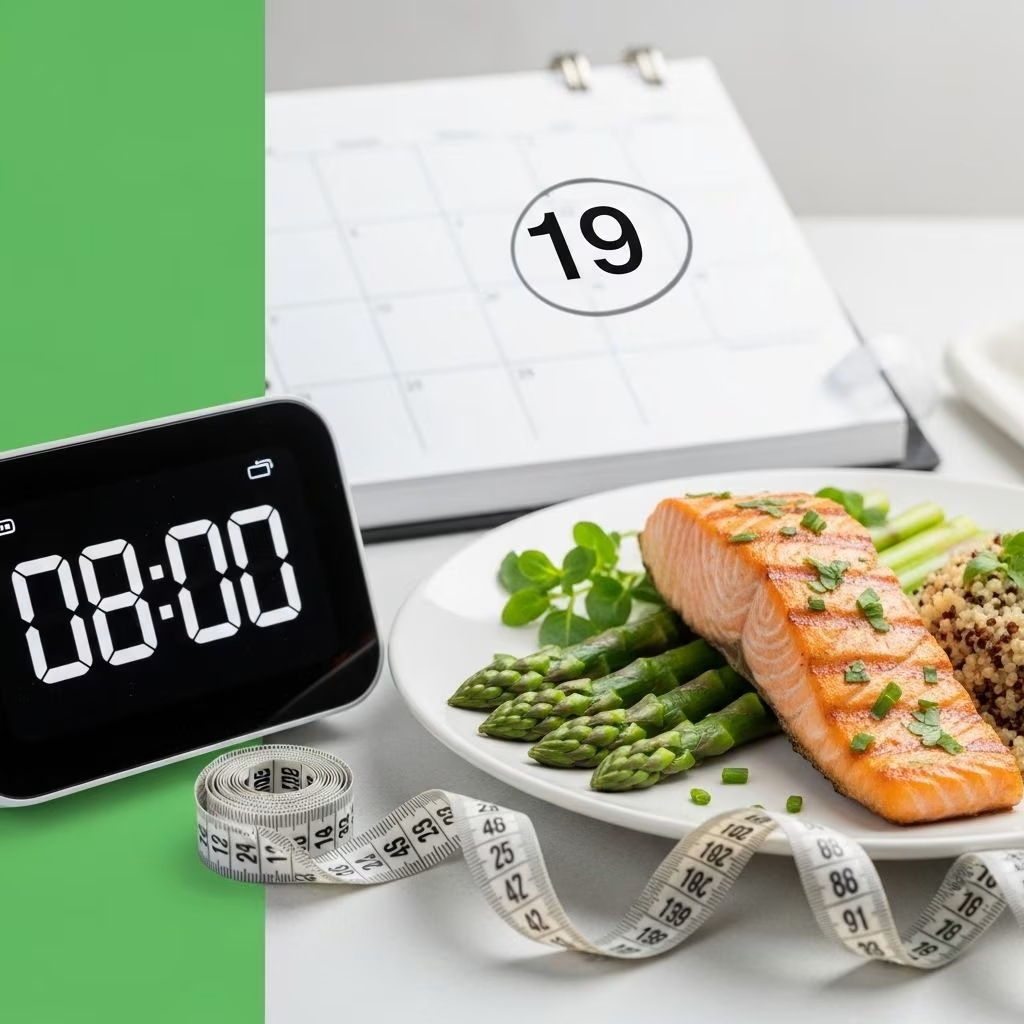
Kickstart Your Health: The 19-Day Intermittent Fasting Plan
If you’re seeking a reboot for your eating habits, increased energy, and sustainable weight loss, the 19-Day Intermittent Fasting Weight Loss Plan offers a practical, science-based approach. Developed with input from experts like Jorge Cruise, this plan blends intermittent fasting (time-restricted eating) with smart nutritional principles to help you shed pounds and feel your best.
This comprehensive guide will walk you through the essentials of intermittent fasting, meal planning strategies, foods to eat and avoid, and everything you need to make your 19-day journey a success.
What is the 19-Day Intermittent Fasting Plan?
The core strategy of this plan is intermittent fasting, specifically time-restricted eating. This means you eat and drink only within a specific window of time each day. The recommended approach is an eight-hour eating window followed by 16 hours of fasting. This system is designed to help your body develop a new, healthier rhythm and to yield results within a manageable time frame.
- Blue Zone: The 8-hour period in which you eat.
- Red Zone: The 16-hour period in which you fast (only water, coffee, or tea).
Why a 19-Day Plan?
Nineteen days is considered the perfect time span to solidify a new habit and see early results. Sticking with this plan consistently—every day, including weekends—allows your body to adapt to the new eating schedule and makes it easier to find meals you enjoy while reinforcing that you truly can do this.
It’s not just about short-term results. The goal is to help your body adjust and set the stage for lasting healthy routines.
How It Works: The Blue and Red Zones
Your day is divided into two distinct periods:
- Blue Zone (Eating Window): During this 8-hour period, you can eat balanced meals. Experts suggest making this window start in the morning when your body is more insulin-sensitive. Prioritize consuming most of your calories before 2 p.m. for optimal results.
- Red Zone (Fasting Window): This is your 16-hour fasting period, much of which overlaps with your sleep. During this time, stick to water, plain coffee, or unsweetened tea. This window gives your body the uninterrupted time it needs to burn stored fat for energy.
Fasting Cheat Tips
- Black coffee and tea are allowed during the fasting zone, but skip sweeteners and cream.
- Drinking plenty of water helps reduce hunger pangs and supports metabolism.
Designing Your 19-Day Eating Plan
There’s no magic shake or meal that guarantees success, but eating mindfully and making nutritious choices within your Blue Zone is crucial for both satisfaction and fat loss. Calorie counting is not necessary—instead, focus on building plates that combine healthy fats, carbohydrates, and proteins to keep you energized and full.
How to Fill Your Plate: The 50/30/20 Rule
- 50% Healthy Fats: Avocado, olive oil, nuts, seeds
- 30% Carbohydrates: Vegetables and whole grains
- 20% Protein: Chicken, fish, eggs, legumes
These proportions ensure a balanced intake that supports fat loss, muscle maintenance, and even energy levels throughout the day.
Sample Meal Ideas
- Greek salad with grilled chicken and olive oil dressing
- Portobello mushroom pizza with tomato, spinach, and mozzarella
- Cashew chicken stir-fry with assorted vegetables
- Oatmeal topped with walnuts and berries (if your eating window starts with breakfast)
Hydration is Key
It’s easy to get dehydrated when you limit your eating hours, so aim to drink water consistently throughout the day. Keep a water bottle handy or set reminders to sip regularly.
Foods to Avoid During Your 19-Day Journey
While you’re only eating eight hours a day, take care to avoid foods that can sabotage your efforts, such as:
- Refined sugars: Sodas, candies, pastries
- Highly processed carbohydrates: White bread, chips, sugary cereals
- Foods high in saturated fats: Fried foods, certain processed meats, excessive pastries
Filling up on nutrient-dense, whole foods during your eating window will help stave off hunger and make the fasting period far more manageable.
Frequently Asked Questions (FAQs)
Q: Will I be hungry all the time?
A: It’s normal to feel some hunger during the first few days while your body adjusts. Choosing meals rich in protein, healthy fats, and fiber during your eating window helps reduce hunger during the fasting hours.
Q: Can I exercise during the 19-day plan?
A: Yes! Light to moderate exercise—like walking, yoga, or basic strength training—can be incorporated. Listen to your body, especially in the first week as you adjust to fasting.
Q: What drinks are okay in the Red Zone?
A: Stick to water, black coffee, and unsweetened tea. Avoid any drinks that contain calories or sugar to maintain the benefits of your fasting period.
Q: Do I need to count calories?
A: No. The focus is on mindful, nutritious eating within your 8-hour window, not on strict calorie counting.
Q: Is this plan safe for everyone?
A: Intermittent fasting may not be suitable for those who are pregnant, breastfeeding, have a history of disordered eating, or certain medical conditions. Always consult a healthcare provider before starting any new dietary regimen.
Practical Strategies for Success
- Plan your meals: Prepping what you’ll eat ahead of time helps you make better choices and avoid last-minute temptations.
- Stick to your eating window: Consistency is key. Keep the same 8-hour window every day for best results.
- Get quality sleep: Adequate rest supports weight loss and helps regulate hunger hormones.
- Monitor your hydration: Dehydration can mimic hunger, so stay hydrated during both fasting and eating windows.
- Be patient: Sustainable weight loss is a gradual process. Celebrate small milestones along the way.
Common Mistakes to Avoid
- Breaking your fast with high-sugar treats or junk foods
- Overeating during the eating window to “compensate” for fasting — focus on balance instead
- Starting with too narrow an eating window; 8 hours is a good starting point for most people
- Ignoring your body’s hunger and fullness cues
- Skipping hydration
After the 19 Days: Maintaining Your Progress
The key to lasting weight loss is sustaining your new habits beyond the initial 19 days. Here’s how to continue your healthy momentum:
- Stick with time-restricted eating or adapt your eating window to fit your lifestyle
- Continue to favor whole, nutrient-dense foods
- Make exercise a regular part of your routine (even just a daily walk or basic resistance training)
- Allow room for flexibility and variety to avoid boredom
Sample Intermittent Fasting Day
| Time | Activity |
|---|---|
| 7:00 AM | Wake up, start fasting period. Drink water, coffee, or tea if desired. |
| 10:00 AM | End fasting — first meal (ex: Greek yogurt with walnuts and berries) |
| 1:00 PM | Midday meal (ex: Grilled salmon with quinoa and green salad) |
| 5:30 PM | Final meal in the eating window (ex: Portobello mushroom pizza and roasted veggies) |
| 6:00 PM | Eating window ends, begin overnight fast |
| Throughout | Hydrate with water, herbal teas; moderate exercise as desired |
Expert Guidance: Words from Jorge Cruise
Jorge Cruise, creator of the Cruise Control method and expert in sustainable weight loss, encourages focusing not on deprivation but on smart, satisfying choices. Key messages include:
- It’s not about perfection, but persistence.
- Make each meal count—fill your plate with color, nutrients, and foods that keep you satisfied longer.
- Don’t sabotage your success with high-sugar, high-calorie, nutrient-poor snacks.
Conclusion: Embracing Sustainable Change
The 19-Day Intermittent Fasting Weight Loss Plan is designed to help you form better habits, discover satisfying meals, and start seeing results in under three weeks. With a focus on nutrient-rich foods, hydration, and a defined eating window, this plan paves the way for achievable and lasting weight loss. Always consult a healthcare provider before making significant changes to your diet, especially if you have underlying health conditions. Remember: the true measure of success is not just numbers on a scale, but how empowered, energized, and healthy you feel.
More Frequently Asked Questions (FAQs)
Q: What if I miss my eating window one day?
A: Don’t stress over an occasional slip. Return to your usual schedule the next day. Consistency over time is what matters most.
Q: Can I drink flavored water during fasting?
A: If the flavorings are zero-calorie and don’t contain sugar or artificial sweeteners known to spike insulin, it’s generally fine. Stick mostly to plain water for best results.
Q: Is coffee allowed during the fasting period?
A: Yes, black coffee is allowed. Avoid adding sugar, milk, or creamer while fasting.
Q: How soon will I see results?
A: Many people report initial weight loss and increased energy within the 19-day span. Results vary based on adherence, starting point, and individual factors.
References
- https://www.prevention.com/weight-loss/diets/a30159654/19-day-weight-loss-plan/
- https://www.prevention.com/weight-loss/g20506618/weight-loss-maintenance/
- https://pmc.ncbi.nlm.nih.gov/articles/PMC5764193/
- https://www.who.int/news-room/fact-sheets/detail/healthy-diet
- https://www.healthline.com/nutrition/intermittent-fasting-and-weight-loss


