


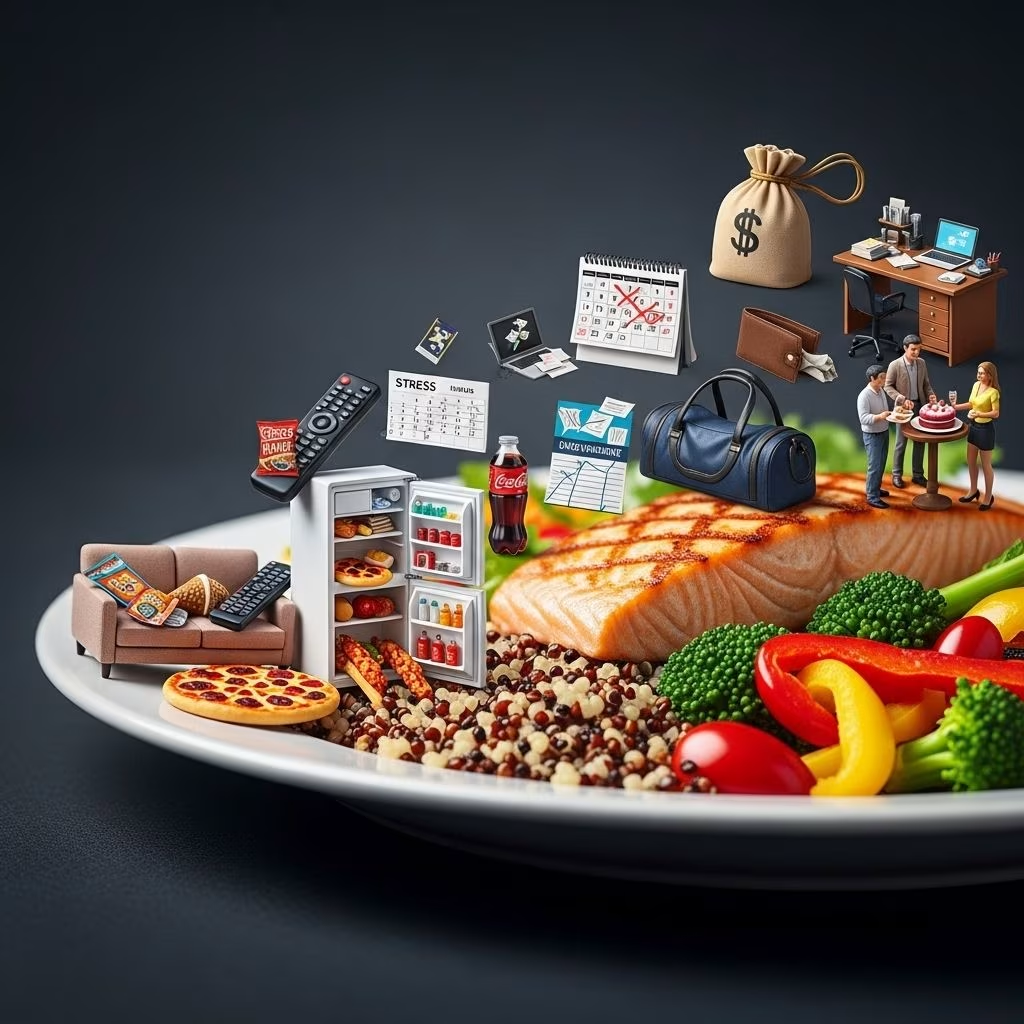
Losing weight and sustaining healthy habits is rarely a matter of willpower alone. Everyday life is filled with practical, emotional, and social roadblocks that can derail even the most dedicated dieters. Whether it’s stress eating at work, social gatherings overflowing with tempting treats, or simply experiencing a midday energy slump, these obstacles can feel overwhelming. Fortunately, with insight and preparation, you can address these hurdles and establish patterns that support your well-being for the long term. Below are fourteen of the most prevalent diet obstacles and science-backed solutions for overcoming them.
1. Emotional Eating: When Feelings Drive Food Choices
For many, food becomes a comfort during stress, boredom, loneliness, or frustration. Emotional eating is one of the most common challenges faced by those trying to lose weight. The act of eating may momentarily soothe difficult emotions, but often leads to guilt and, over time, weight regain.
- Recognize triggers: Keep a food and mood diary to spot patterns between emotions and eating habits.
- Build alternative coping strategies: Try exercise, journaling, or calling a friend to process emotions without turning to food.
- Practice mindful eating: Slow down, savor each bite, and check in with your hunger cues before reaching for a snack.
2. Social Pressures and Difficult Environments
Social gatherings, family routines, and workplace settings can often undermine nutrition goals. Birthday celebrations, holiday parties, and even well-intentioned friends can make it hard to stick to a diet plan.
- Communicate your goals: Let close friends and family know about your intentions so they can support you.
- Plan ahead: Bring healthy options to gatherings or scan restaurant menus for nutritious choices before arriving.
- Learn polite refusal: Develop gentle but assertive ways to decline food offers that don’t fit your plan.
3. Lack of Time for Meal Preparation
Rushed mornings, unpredictable work hours, and demanding family schedules often make it tempting to skip meals or grab convenience foods. Lack of time is a leading cause of poor dietary choices.
- Meal prep in advance: Set aside one or two blocks of time per week to prepare healthy meals and snacks for days ahead.
- Embrace batch cooking: Make large portions of healthy dishes; freeze individual servings for busy days.
- Stock quick, nutritious staples: Keep fresh fruit, cut vegetables, yogurt, and lean proteins in easy reach.
4. All-or-Nothing Thinking
One indulgent meal or missed workout can lead to a defeatist attitude–”I blew it, so why try?” This type of thinking derails healthy progress and leads to cycles of deprivation and overindulgence.
- Adopt a flexible mindset: See setbacks as learning opportunities, not failures.
- Focus on progress, not perfection: Celebrate healthy choices and let go of occasional slip-ups.
- Set realistic goals: Small, sustainable changes accumulate over time.
5. Underestimating Portion Sizes
Portion distortion is rampant, and larger servings–whether at home or when dining out–can derail weight loss efforts. Consuming more than needed, even of healthy foods, quickly adds up in calories.
- Measure your food: Use kitchen scales, measuring cups, and visual references (like the size of your palm) to gauge proper portions.
- Read food labels: Pay attention to suggested serving sizes and calories per portion.
- Eat mindfully: Serve meals on smaller plates and avoid distractions while eating.
6. Skipping Meals or Going Too Long Without Eating
While some intermittent fasting plans can be beneficial, skipping meals or waiting too long between eating can lead to excessive hunger and overeating later. This often sets off a “feast or famine” cycle.
- Eat consistently: Plan for balanced meals at regular intervals to avoid blood sugar crashes and intense cravings.
- Have emergency snacks: Keep healthy, portion-controlled options on hand (nuts, yogurt, fruit) for times when meals are delayed.
- Listen to your body: Learn your genuine hunger cues versus emotional or boredom-induced urges.
7. Unrealistic Expectations and Quick Fixes
Expecting rapid weight loss or setting overly ambitious goals can result in disappointment and loss of motivation. Sustainable weight loss is gradual and requires patience.
- Set attainable targets: Aim for losing 1-2 pounds per week, which is medically recognized as healthy and sustainable.
- Track non-scale victories: Celebrate progress such as increased energy, better sleep, or improved fitness, not just pounds lost.
- Focus on lifelong habits: Commit to gradual changes you can maintain, instead of temporary “diets.”
8. Emotional and Reward-Based Eating
Using food as a reward after stressful days or for celebrating success can reinforce unhelpful eating patterns. Often, this means turning to high-calorie, low-nutrient foods instead of nourishing options.
- Find non-food rewards: Treat yourself to a movie, new workout gear, or time with friends for milestones achieved.
- Redefine how you celebrate: Center gatherings around activities that don’t involve eating, like hikes, games, or shared hobbies.
- Be kind to yourself: Acknowledge efforts and progress, not just outcomes.
9. Inadequate Protein Intake
Protein is a key nutrient for satiety and preserving muscle during weight loss. Skimping on protein can leave you hungry, increase cravings, and potentially slow your metabolic rate as you lose lean body mass.
- Include protein in every meal: Incorporate lean meats, eggs, fish, legumes, dairy or plant-based alternatives.
- Try new sources: Consider Greek yogurt, cottage cheese, tofu, edamame, or protein-enhanced grains.
- Monitor intake: Most adults benefit from 15-25 grams of protein at each main meal.
10. Neglecting Fiber Intake
Low-fiber diets can hinder feelings of fullness and negatively impact digestion. Fiber-rich foods take longer to digest, support gut health, and promote stable blood sugar.
- Add whole grains, beans, fruits, and vegetables: Gradually increase fiber to reduce bloating and improve comfort.
- Stay hydrated: Drink water throughout the day, especially as fiber increases.
- Choose high-viscosity fibers: Foods like oats, barley, flaxseeds, and apples may be most effective for satiety.
11. Not Managing Social Events and Eating Out
Restaurants and social occasions often feature large portions and rich foods. Navigating these situations requires both planning and assertiveness.
- Preview menus: Look for grilled, baked, or steamed menu options and vegetables as sides.
- Control portions: Share entrees, request half-portions, or box half your meal before eating.
- Establish boundaries: Enjoy small tastings of indulgent foods without eating to excess.
12. Lack of Motivation and Consistency
Weight loss is rarely linear; motivation naturally ebbs and flows. Life’s unpredictability can derail routines and sap your resolve.
- Connect to your why: Identify meaningful reasons for your goals, such as improved energy, family, or health markers.
- Build routines: Structure meals and movement around daily patterns so they become second nature.
- Enlist support: Share goals with friends, a support group, or a nutrition professional for added accountability.
13. Nutrient Deficiencies and Medical Conditions
Sometimes, struggles with weight loss connect to underlying medical issues or deficiencies (such as low iron, vitamin B12, or thyroid disorders). If you’re following a healthy plan but seeing no progress, it may be time to investigate further.
- Consult a healthcare provider: Rule out or treat medical conditions that could impede weight loss.
- Address deficiencies: Test for and correct nutrient shortages under professional supervision.
- Personalize your plan: Tailor nutrition and activity strategies to accommodate physical limitations if necessary.
14. Lack of Sleep and High Stress Levels
Poor sleep and chronic stress disrupt appetite hormones, making it harder to lose or manage weight. Fatigue often leads to cravings for quick-energy, high-calorie foods while stress can sabotage self-control.
- Prioritize quality sleep: Aim for at least 7-8 hours per night, maintaining a consistent sleep schedule.
- Practice stress management: Incorporate relaxation techniques such as deep breathing, meditation, or light walks.
- Monitor mood and habits: Address emotional triggers for overeating through therapy, mindfulness, or support networks.
Table: Key Obstacles and Practical Strategies
| Obstacle | Practical Strategy |
|---|---|
| Emotional Eating | Practice mindfulness, journal emotions, seek alternatives to food. |
| Social Pressure | Communicate goals, bring healthy options, practice polite refusal. |
| Lack of Time | Meal prep, use healthy quick foods, batch cook. |
| All-or-Nothing Mindset | Embrace flexibility, focus on progress, set realistic goals. |
| Portion Distortion | Measure food, read labels, downsize plateware. |
| Skipping Meals | Eat regularly, keep healthy snacks, listen to hunger cues. |
| Unrealistic Goals | Set attainable losses, celebrate non-scale victories. |
| Reward-Based Eating | Find alternate rewards, celebrate with non-food activities. |
| Low Protein | Include protein in meals, explore new sources. |
| Low Fiber | Add whole grains, fruits, veggies, and beans. |
| Social Events Eating | Preview menus, control portions, set boundaries. |
| Low Motivation | Connect with purpose, build routines, join support groups. |
| Nutrition Deficiency | Consult professionals, correct deficiencies. |
| Sleep/Stress | Prioritize sleep, practice relaxation. |
Frequently Asked Questions (FAQs)
Q: How do I resist social pressure to eat unhealthy foods?
A: Politely decline, explain your goals, or offer to bring a healthy dish. Practice saying “no thank you” and have a response ready for common social scenarios.
Q: What are some quick, healthy snacks for busy days?
A: Consider nuts, Greek yogurt, cottage cheese, fruit, boiled eggs, or whole grain crackers. These are portable, satisfying, and nutrient-dense.
Q: Why does stress make me crave junk food?
A: Stress triggers hormones such as cortisol, which can increase cravings for high-calorie, high-sugar foods that temporarily soothe but ultimately undermine weight loss.
Q: What should I do if I have stopped losing weight despite following my plan?
A: Re-evaluate your calorie and nutrient intake, check for hidden sources of calories, review sleep quality and stress, and consult a professional to rule out underlying medical conditions.
Conclusion: Progress Over Perfection
Overcoming diet obstacles is not about perfection but about persistence, adaptability, and self-compassion. Identifying your unique roadblocks and applying tailored strategies makes long-term weight management possible. With patience and preparation, you can develop habits that stick, paving the way for a healthier, more confident you.
References
- https://www.healthline.com/nutrition/weight-loss-mistakes
- https://pmc.ncbi.nlm.nih.gov/articles/PMC10729542/
- https://aksnutrition.com/obstacles-to-weight-loss/
- https://odammedicalgroup.com/blog/understanding-weight-loss-common-barriers-and-effective-motivators/
- https://www.mdanderson.org/cancerwise/5-barriers-to-diet-change-and-how-to-overcome-them.h00-159778023.html
- https://www.mayoclinic.org/healthy-lifestyle/weight-loss/in-depth/weight-loss/art-20047752
- https://www.ncbi.nlm.nih.gov/books/NBK221839/
- https://www.cdc.gov/healthy-weight-growth/losing-weight/index.html
- https://www.health.harvard.edu/topics/diet-and-weight-loss


