


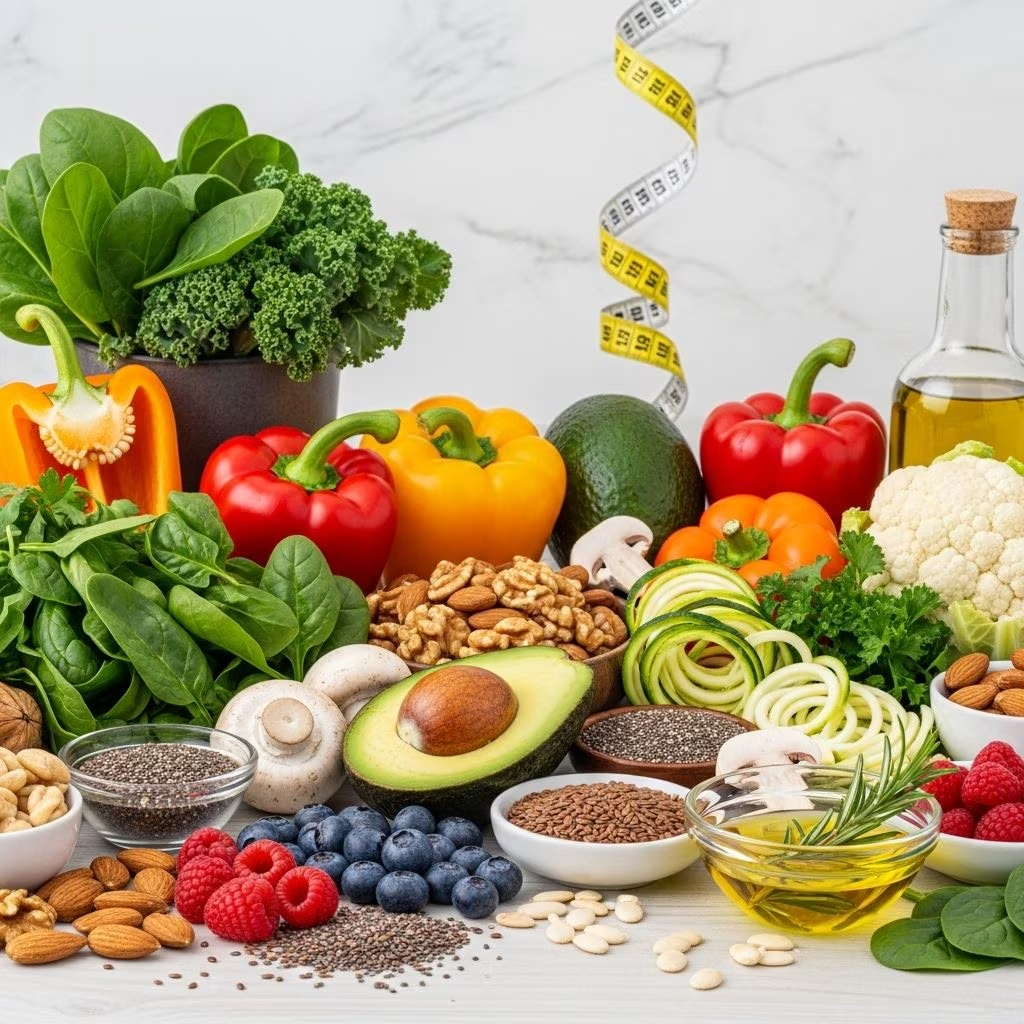
Keto 2.0: The Flexible, Plant-Focused Evolution of Low-Carb Eating
The ketogenic diet has long been a popular choice for weight loss by encouraging a high-fat, low-carb approach. However, concerns about restricted food choices, low nutrient diversity, and high saturated fat content led experts to develop an evolved version: Keto 2.0. This modern approach aims to deliver keto’s famed benefits while supporting overall health, variety, and sustainability for the long haul. Here’s everything you need to know about this next-generation, flexible form of keto.
What Is Keto 2.0?
Keto 2.0 is an updated, gentler take on the original ketogenic diet. While traditional keto centers around high-fat, moderate-protein, and ultra-low-carb eating—with a heavy reliance on animal foods—Keto 2.0 brings in important changes designed to boost heart health and long-term sustainability. It lowers animal fat intake, incorporates more plant-based fats and proteins, and widens the menu to include more vegetables, fruits, and some complex carbs.
Key aspects of Keto 2.0 include:
- Emphasizing plant-based fats (avocado, olive oil, nuts, seeds)
- Shifting away from red meat, processed meat, and high-fat dairy
- Incorporating more fish, shellfish, and lean proteins
- Increased intake of non-starchy vegetables and select fruits
- Allowing more complex carbs, such as beans, legumes, and whole grains, in moderation
- Greater focus on fiber, micronutrients, and variety
How Did Keto 2.0 Emerge?
As interest in the ketogenic diet surged, researchers, practitioners, and followers observed some drawbacks: restrictive food choices, high intake of saturated animal fats, low fiber, and difficulty maintaining the plan over time. Cardiologists in particular raised concerns about the long-term cardiovascular effects of a diet high in red meat and saturated fat. Keto 2.0 evolved to tackle these limitations by making the diet more inclusive of a broader range of nutritious foods and focusing on plant-driven ingredients for both fat and protein. Its roots borrow elements from the anti-inflammatory, heart-healthy Mediterranean diet.
The Core Keto and Keto 2.0 Differences
| Aspect | Traditional Keto | Keto 2.0 |
|---|---|---|
| Carbohydrates | 5–10% of calories (very low) | 15–20% of calories (still low, more flexible) |
| Fats | 70–80% of calories (mostly animal fats) | 50–60% of calories (mostly plant-based fats) |
| Protein | 10–20% of calories (moderate, mostly animal) | 20–30% of calories (lean proteins and more plant-based) |
| Main Fat Sources | Butter, cream, cheese, fatty meats | Avocado, olive oil, nuts, seeds, fatty fish |
| Carbs Allowed | Very limited (green vegetables, some berries) | Greater range (berries, some legumes, high-fiber grains in moderation) |
| Diet Focus | Strict ketosis, rapid weight loss | Balanced nutrition, sustainability |
Macronutrient Breakdown Example (Keto 2.0)
- Fat: About 50–60% of daily calories, with priority on unsaturated (plant-based) fats
- Protein: 20–30%, emphasizing fish, seafood, lean poultry, plant proteins, eggs
- Carbohydrates: 15–20%, from fiber-rich non-starchy vegetables, select fruits, and small portions of legumes or whole grains
The Allowed and Avoided Foods on Keto 2.0
One of the big draws of Keto 2.0 is its improved variety and flexibility. Here’s how foods fall in the new plan:
Foods to Embrace
- Leafy greens: spinach, kale, arugula, romaine
- Cruciferous vegetables: broccoli, cauliflower, Brussels sprouts
- Other low-carb veggies: zucchini, eggplant, peppers, asparagus
- Fatty fish: salmon, sardines, mackerel, trout (rich in omega-3s)
- Shellfish: shrimp, crab, mussels
- Lean poultry: chicken breast, turkey
- Eggs
- Avocados
- Nuts and seeds: almonds, walnuts, chia, flaxseed, pumpkin seeds
- Plant oils: extra virgin olive oil, avocado oil
- Small servings of legumes: black beans, chickpeas, lentils
- Whole grains (limited): oats, quinoa, barley, bulgur
- Berries and select fruit: strawberries, blueberries, raspberries, apples (in moderation)
Foods to Limit or Avoid
- Red meat (especially processed): beef, pork, lamb, sausages
- High-fat dairy: cheese, butter, cream
- Refined vegetable oils: soybean oil, canola, corn oil
- Starchy vegetables: potatoes, yams, corn
- Refined grains and breads
- Added sugars: soft drinks, candy, pastries
- Most processed and packaged foods
Why Is Keto 2.0 Seen as Healthier?
Nutrition experts agree that Keto 2.0 addresses several health concerns associated with traditional keto:
- Heart health: By lowering saturated animal fats and boosting unsaturated plant fats, Keto 2.0 improves cholesterol and reduces risk of cardiovascular disease.
- Metabolic health: Both forms of keto support blood sugar control, but Keto 2.0’s nutrient diversity can also help with sustained weight management and improved insulin sensitivity.
- Improved digestion and satiety: Increased fiber from plant-based foods helps you feel full, promotes gut health, and reduces risk of digestive issues.
- Anti-inflammatory benefits: Omega-3 rich fish and plant foods lower inflammation, benefiting joint, brain, and heart health.
- Greater nutrient intake: More fruits, vegetables, and whole foods bring a spectrum of vitamins, minerals, antioxidants, and phytonutrients.
- Easier adherence: With more variety and flexibility, people are more likely to sustain Keto 2.0 long term.
Comparing Keto 2.0 to the Mediterranean Diet
Many experts describe Keto 2.0 as a hybrid between a low-carb and Mediterranean diet. While both emphasize healthy fats, lean proteins, and lots of plant foods, Mediterranean diets are more inclusive of whole grains and allow for moderate alcohol. Keto 2.0 maintains a lower carb threshold, but is otherwise similar and shares an emphasis on cardiovascular health, anti-inflammatory fats, and high antioxidant foods.
The Science and Benefits of Keto 2.0
Research on ketogenic-style diets continues to show:
- Effective fat burning: Lower carb intake turns the body towards ketone-based fuel, leading to weight loss and more controlled appetite.
- Metabolic health improvements: Reduced carbohydrate load helps stabilize blood sugar, improve insulin resistance, and support type 2 diabetes management.
- Lower inflammation: Plant-based fats and omega-3s are well-documented anti-inflammatories, aiding in the management of chronic conditions.
- Flexible, sustainable nutrition: Broader macronutrient targets and a range of whole foods make it easier to follow, lessening side effects and enhancing social flexibility.
- Milder side effects: The more generous carb allowance and fiber content reduce keto flu, constipation, and fatigue that many face in classic keto.
Potential Downsides and Considerations
Despite its improvements, Keto 2.0 is not for everyone. Consider these points before diving in:
- Adjustment phase: Even with more carbs, shifting to fat-based metabolism can be challenging for some, leading to temporary tiredness or digestive changes.
- Less rapid ketosis: You may enter a less intense state of ketosis due to higher carb intake, which could result in slower (but often more sustainable) weight loss.
- Still restrictive for some: People used to high-carb foods or who rely heavily on grains may still find Keto 2.0 challenging to stick with.
- Special populations: Those with certain health conditions (e.g., kidney disease, pregnant women) or with very high energy needs should consult a doctor or dietitian before adopting major dietary change.
Sample Keto 2.0 Meal Plan
Here is what a day on Keto 2.0 could look like:
- Breakfast: Greek yogurt with chia seeds, walnuts, and blueberries
- Lunch: Salmon salad with mixed greens, avocado, cherry tomatoes, peppers, and olive oil vinaigrette
- Snack: Celery with almond butter and a small apple
- Dinner: Grilled chicken breast with roasted Brussels sprouts and a side of quinoa
- Dessert: Sliced strawberries with a dollop of coconut cream
Who Should Try Keto 2.0?
- Those seeking sustained, healthy weight loss
- People wanting to improve heart health with plant-based fats
- Dieters who struggled with the strictness or side effects of classic keto
- Those interested in a lower-carb Mediterranean-style plan
However, always discuss major dietary changes with a qualified healthcare provider, especially if you have underlying health conditions or are pregnant or lactating.
Frequently Asked Questions (FAQs) About Keto 2.0
Q: How does Keto 2.0 differ from traditional keto?
A: Keto 2.0 includes more plant-based foods, healthy fats, lean proteins, and higher fiber, while relaxing strict carb restrictions. It prioritizes overall nutrition, making it easier to maintain and less likely to cause side effects found in original keto.
Q: Can you achieve ketosis on Keto 2.0?
A: You may enter a mild state of ketosis due to the lower–but not ultra-low–carb intake, especially if you remain active. However, the primary goal is balanced nutrition, not strict or deep ketosis.
Q: What does a typical Keto 2.0 meal contain?
A: Meals center on leafy greens, colorful vegetables, avocados, nuts, seeds, lean fish or poultry, and small portions of legumes or high-fiber grains, with olive oil or avocado oil as the main added fats.
Q: Is Keto 2.0 suitable for vegetarians or vegans?
A: Yes. The focus on plant-based fats and proteins, as well as the inclusion of legumes and whole plants, makes it adaptable to vegetarian or mostly plant-based lifestyles. Strict vegans should supplement vitamin B12 and monitor protein intake.
Q: Are there any risks to Keto 2.0?
A: For most healthy adults, risks are low. However, those with chronic kidney disease, certain metabolic conditions, or those who are pregnant should seek medical advice before drastically reducing carbs and increasing fats.
Final Thoughts: Keto 2.0’s Lasting Appeal
Keto 2.0 represents the natural evolution of low-carb diets: it combines weight loss efficacy with nutrient density, sustainable eating patterns, and a much friendlier approach for long-term health. Whether you are looking to lose weight, improve metabolic markers, or simply enjoy a more varied take on keto, Keto 2.0 offers flexibility and proven benefits suited to modern lifestyles.
References
- https://www.prevention.com/weight-loss/diets/a30196446/keto-2-0-diet/
- https://www.aspect-health.com/blog/modified-keto-diet-a-flexible-take-on-an-effective-fat-burning-eating
- https://perfectketo.com/keto-2-0/
- https://www.jamestrice.com/new-blog/2020/1/14/keto-20-has-arrived-amp-it-makes-the-diet-way-more-accessible
- https://www.nm.org/healthbeat/healthy-tips/nutrition/pros-and-cons-of-ketogenic-diet
- https://pmc.ncbi.nlm.nih.gov/articles/PMC7480775/
- https://ketogenic.com/the-different-types-of-keto-diets-explained/


