


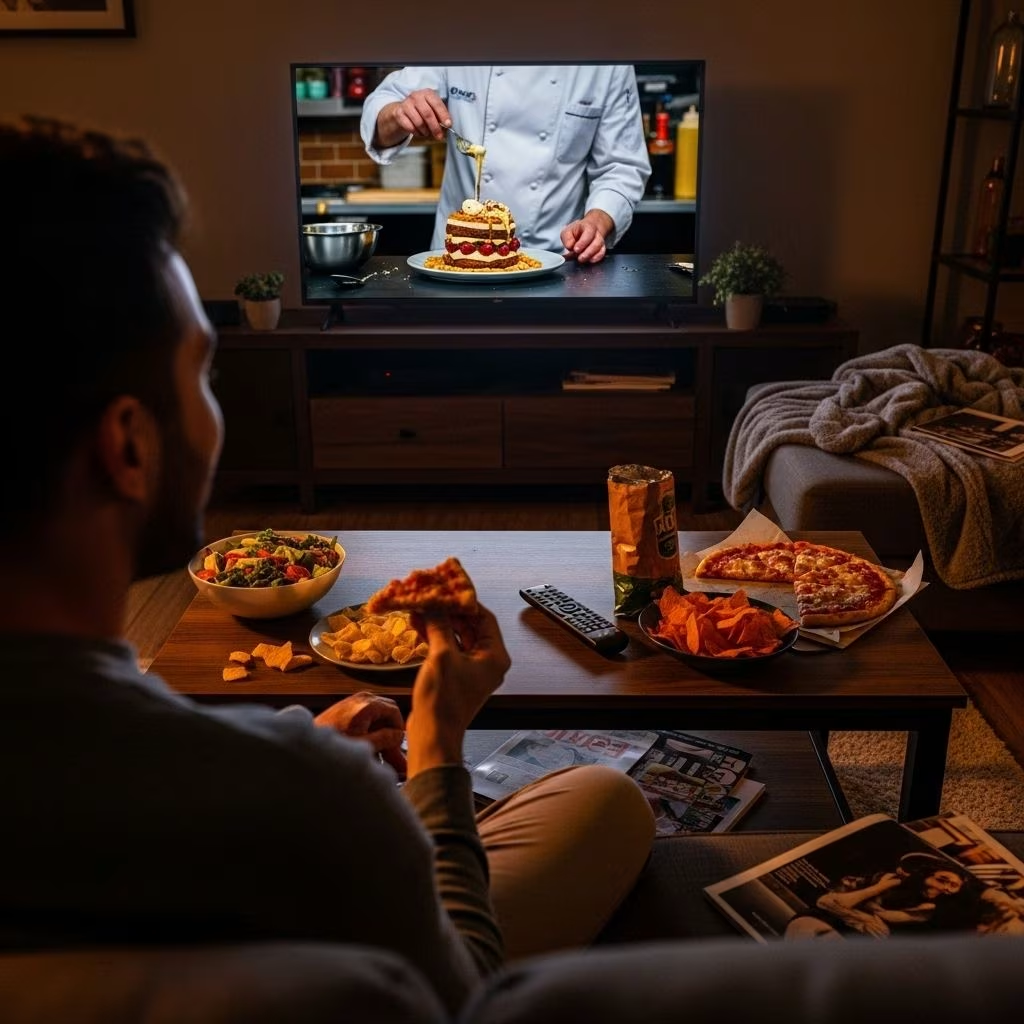
If you’re committed to a healthier lifestyle but also love tuning in to popular cooking competitions like Chopped, you might unknowingly be making your weight loss journey more difficult. While culinary shows serve up dazzling plates and creative cooking inspiration, evidence suggests these televised temptations can make it much harder to lose weight and stick to healthy habits.
Cooking Shows: Mouthwatering Entertainment or Sabotage?
Television cooking competitions are designed to entertain, excite, and—most of all—stimulate your appetite. The fast editing, dramatic music, and glamorized shots of decadent dishes are intended to keep you engaged, but they also do something else: they can awaken cravings and subtly encourage you to eat—even when you’re not hungry.
- Visual triggers: Mouthwatering close-ups make unhealthy foods more desirable.
- Social cues: Seeing judges and contestants indulging in rich foods can normalize overeating.
- Aromas by association: Even though you can’t smell what’s cooking, your brain can fill in the blanks, making you salivate and crave similar foods.
It’s not simply about willpower—exposure to tempting food can activate your brain’s reward centers, particularly if you’re already feeling deprived by a restrictive diet.
The Science: How Food TV Stirs Up Cravings
Numerous studies show that the mere sight of appetizing food—especially high-fat and high-sugar options—increases both immediate cravings and the likelihood of eating indiscriminately. Mirror neuron theory explains part of this: watching someone eat can prime your body to want (or expect) the same reward.
- Research published in Appetite found participants who viewed cooking shows were more likely to snack afterwards, choosing higher calorie foods than those who didn’t watch.
- Exposure to food-related media strongly correlates with increased hunger hormones and salivation, even if viewers have just eaten.
This environmental effect is known as external food cue reactivity, and it can override your internal hunger signals, leading to unnecessary snacking and even binge-eating episodes—undermining your calorie deficit and your weight loss efforts.
Chopped and Its Allure: Why The Show Is So Irresistible
Chopped, with its high-stakes clock and dramatic reveals, is a standout among food competition shows. As judges dissect innovative, calorie-laden concoctions, and contestants race to whip up visually stunning dishes from mystery ingredients, viewers become engrossed not only in the drama, but in the food itself.
- Epic portions: Chopped often showcases “bigger is better” when it comes to food, promoting oversized entrees and generous desserts.
- Constant novelty: Wild ingredient combinations make food seem even more exciting and indulgent.
- Emotional narratives: Contestants share stories that make viewers feel more attached to the outcome—and, ultimately, the comfort food on display.
This is entertainment, but for dieters, it’s also real-time temptation. The show’s successful formula relies heavily on making you want to taste what you’re seeing—despite knowing it may not align with your nutritional goals.
When Temptation Takes Over: Real-Life Struggles
Numerous viewers have shared that after watching food competition shows at night, they find themselves searching for snacks—even if they were full before the show started. This phenomenon isn’t just anecdotal:
- Sight-driven cravings can lead to impulsive eating or ‘second dinners,’ making calorie tracking more difficult.
- Late-night snacking after food shows tends to involve processed, high-calorie comfort foods, not the vegetables and proteins needed for weight loss.
- Repeated exposure can numb your resolve, creating a cycle of cravings and guilt that may sabotage your progress.
Testimonial Highlight
One viewer confessed, “After watching an entire marathon of Chopped, I raided the pantry not for fruit but for chips and leftover cake. It took days to get back to my routine.”
The Psychology: How Food Shows Hijack Your Brain
Scientists note that food shows manipulate powerful psychological cues:
- Eating vicariously: You ‘taste’ the food in your imagination, prompting real physiological responses—from pleasure to salivation.
- Triggering nostalgia: Comfort foods on TV can evoke positive memories, leading to emotional eating.
- Cognitive priming: Your brain starts planning what you’ll eat next, often fixating on foods similar to those you’ve seen.
Staying Mindful: Can You Still Enjoy Food TV While Losing Weight?
The short answer is yes—but it requires awareness and planning. Here are actionable strategies to help manage cravings and stay on track with your goals, even if you don’t want to give up your favorite culinary competitions:
- Time-shift your viewing: Avoid watching cooking shows right before meals or late at night, when willpower is lower.
- Pre-empt cravings: Prepare a healthy, satisfying snack before turning on the TV so you’re not prompted to binge on junk food.
- Practice mindful eating: If you must snack, do it deliberately—focus on taste and portion, and eat only what you’ve planned.
- Get inspired, not derailed: Use the show’s creativity as a nudge to try new healthy recipes, rather than imitate their indulgent dishes.
- Create visual distance: Watch food shows away from the kitchen to reduce the likelihood of impulsive eating.
Success Stories: Real People, Real Strategies
Consider Maneet Chauhan, celebrity chef and prominent Chopped judge, who lost 46 pounds while remaining firmly embedded in the culinary world. Her approach included:
- Balanced eating and portion control
- Regular physical activity, including yoga
- Emphasizing wholesome ingredients over calorie-dense foods
- Learning to enjoy delicious food in moderation, without guilt
Maneet’s transformation is a testament to sustainability and discipline, proving it’s possible to have a passion for food and still make progress toward health goals.
Table: Cooking Shows and Their Impact on Eating Behavior
| Show Type | Main Temptation | Effect on Viewers |
|---|---|---|
| Competition (e.g., Chopped) | Rapid-fire display of decadent meals | Sudden cravings, celebratory snacking |
| Instructional | Step-by-step with tastings | May trigger planning to cook/eat similar dishes |
| Travel/Food Documentary | Exotic, sensory-rich dishes | FOMO, curiosity-driven taste adventures |
Alternate Forms of Inspiration
- Follow nutrition-focused chefs who spotlight simple, wholesome recipes for weight management.
- Shift from passive watching to active cooking: try a new healthy dish each week based on something you saw on TV.
- Use food shows to educate yourself about ingredients and techniques without recreating indulgent recipes unchanged.
When Cooking Shows Help—not Hinder—Healthy Goals
Not all food TV is counterproductive. Some nutritious cooking shows and celebrity chefs provide practical tips for healthier versions of classic favorites. There’s growing momentum in the food entertainment industry for programs centered on balanced cooking, meal prep, and mindful eating. Seek out this content for both inspiration and practical strategies.
Look For These Signs of Health-Promoting Cooking Shows:
- Recipes emphasize vegetables, lean proteins, and whole grains
- Judges praise flavorful simplicity over excess
- Presenters discuss portion sizes or healthy swaps
Frequently Asked Questions (FAQs)
Q: Can watching cooking shows cause weight gain?
A: Watching tempting food content can unconsciously increase cravings and encourage overeating, especially if you’re already dieting or feeling deprived from calorie restriction. However, awareness and mindful strategies can mitigate this effect.
Q: Are all cooking shows bad for weight loss?
A: Not all shows trigger unhealthy habits. Programs focusing on nutritious cooking and healthy lifestyles can reinforce positive choices. The impact depends on your susceptibility and viewing habits.
Q: What’s the best time to watch food competitions if I’m trying to lose weight?
A: Avoid watching late at night or when you’re feeling emotionally vulnerable. Watching after a meal, with a healthy snack in hand, can lessen the urge to overeat.
Q: Can food shows inspire healthier cooking?
A: Yes! Use creative cooking competitions as a springboard for exploring new healthy recipes and ingredients. Take inspiration from healthy chef-jurors who reinvent recipes for lighter fare.
Q: How did Maneet Chauhan lose weight despite being immersed in food every day?
A: By emphasizing portion control, mindful eating, regular physical activity, and creating healthier versions of traditional dishes, Maneet lost 46 pounds while remaining active in the culinary world.
Key Takeaways for Weight Loss Enthusiasts
- Acknowledge the power of visual and emotional food cues from cooking shows.
- Strategically plan your viewing to minimize temptation.
- Turn food inspiration into opportunities for healthier eating, not setbacks.
- Embrace balance: you can appreciate the artistry and excitement of culinary competitions while keeping your weight loss journey on track.
By being mindful about consumption—of both TV and food—you can savor your favorite shows without letting them sabotage your goals. Your weight loss journey is ultimately about healthy choices, not avoiding all the things you love.
References
- https://www.richlandmd.com/cosmetic/maneet-chauhan-weight-loss-how-the-celebrity-chef-made-her-health-a-priority/
- https://appvoices.org/questions/swift-and-simple-maneet-chauhans-2fd7b6-extraordinary-fat-to-transformation-method/
- https://www.youtube.com/watch?v=iuupEL5P-Ho
- https://chopped.fandom.com/wiki/Cook_Your_Butt_Off!


