


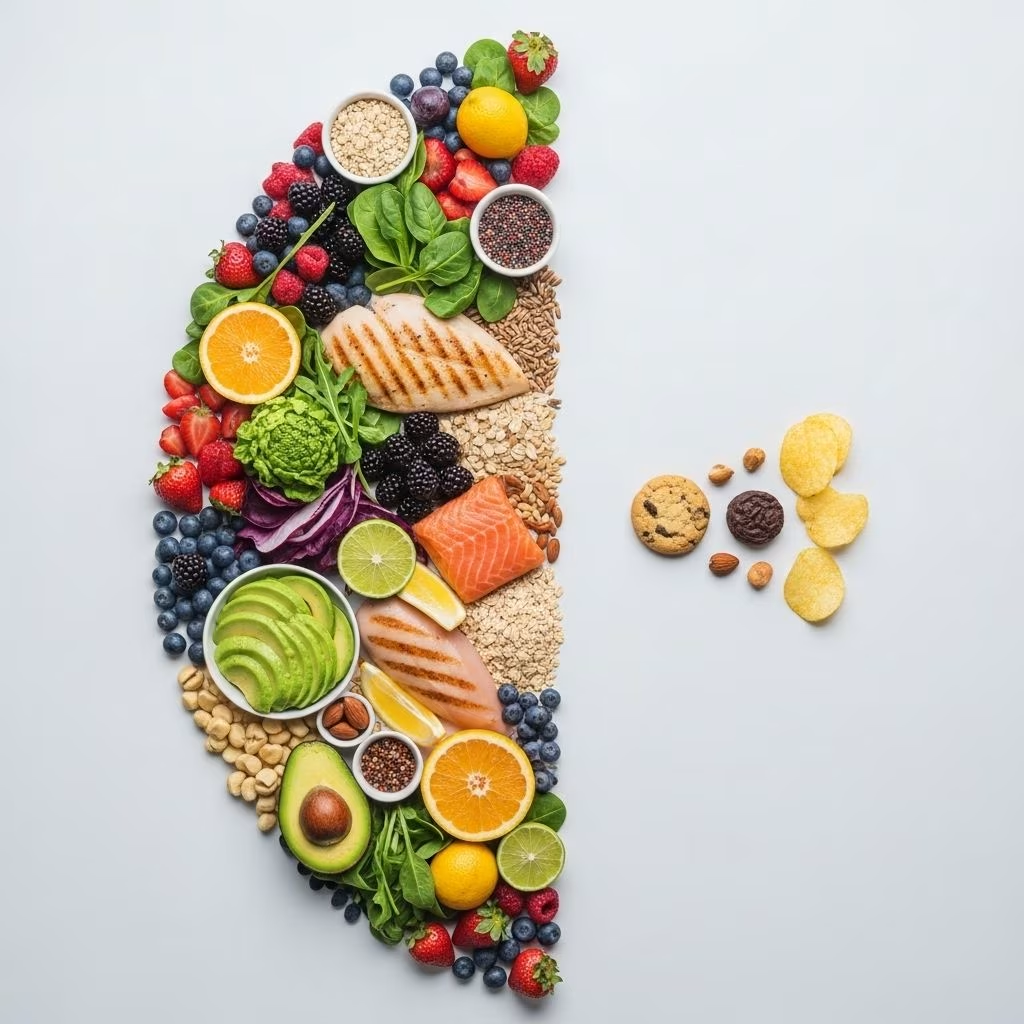
How Your Food Choices Shape Weight Loss: Insights & Strategies
When it comes to sustainable weight loss, what you eat is just as important as how much you eat. Recent research emphasizes that dietary fiber, the degree of food processing, and behavioral strategies play key roles in not only shedding pounds but maintaining a healthy body and mind for life. This comprehensive guide draws on scientific studies and expert opinions to help you make better food choices, understand the mechanisms behind weight loss, and take actionable steps toward your goals.
Contents
- Why Weight Loss Often Fails
- The Power of Dietary Fiber in Weight Loss
- Ultra-Processed Foods: How They Undermine Your Success
- Choosing Minimally Processed Foods
- Practical Strategies for Real Results
- Diet Plan Component Comparison Table
- Frequently Asked Questions (FAQs)
Why Weight Loss Often Fails
Nearly half of U.S. adults attempt to lose weight each year, but only about one in five succeed in losing at least 10% of their initial body weight. Key reasons for unsuccessful attempts include:
- Poor dietary adherence: Many people struggle to stick with calorie-restricted programs long-term.
- Physiological compensatory mechanisms: The body naturally resists weight loss through increased hunger and slowed metabolism.
- Unsustainable restrictions: Extreme diets that cut entire food groups often result in insufficient nutrient intake and low satisfaction.
Effective weight-loss strategies should focus on methods that are both nutritionally sound and psychologically sustainable, emphasizing gradual lifestyle changes over drastic short-term modifications.
The Power of Dietary Fiber in Weight Loss and Adherence
Among various dietary approaches, higher fiber intake stands out as a predictor of successful weight loss and dietary adherence. Fiber-rich foods—such as whole grains, vegetables, fruits, nuts, and seeds—provide multiple benefits:
- Promote feelings of fullness, helping regulate appetite.
- Lower the energy density of your meals, making it easier to consume fewer calories naturally.
- Support healthy gut function and improve digestion.
In a landmark clinical trial, adults following energy-restricted diets with adequate fiber lost more weight and were likelier to stick to their meal plans, regardless of the macronutrient composition (protein, fat, carbs) as long as they remained within recommended ranges. The key takeaway: fiber intake independently drives weight loss success, beyond simply cutting calories.
How Fiber Facilitates Weight Loss
- Slows digestion, leading to prolonged satiety.
- Reduces energy absorption by binding with some dietary fats.
- Improves metabolic markers, including cholesterol and blood sugar levels.
Ultra-Processed Foods: How They Undermine Your Success
Modern diets are increasingly dominated by ultra-processed foods, characterized by high levels of added sugar, refined grains, unhealthy fats, and artificial additives. Even with similar calories and macro profiles on paper, the way foods are processed dramatically influences your body’s response:
- Ultra-processed diets lead to half as much weight loss (average 1%) compared to minimally processed diets (average 2%) in just eight weeks.
- Participants eating predominantly ultra-processed foods experienced more cravings, digestive problems, and fatigue.
- Minimally processed diets yielded healthier fat loss, improved satiety, and greater control around eating.
How Ultra-Processed Foods Impact Overall Health
- Increase risk of cardiovascular disease, type 2 diabetes, and depression, even when weight remains stable.
- Promote inflammation and disrupt gut health.
- Override natural hunger cues, leading to long-term patterns of overeating.
Ultra-processed foods actively work against weight loss—not just by being less nutritious, but by impairing metabolic health and appetite regulation.
Choosing Minimally Processed Foods
Whole foods—such as fresh vegetables, lean proteins, whole grains—help regulate hunger hormones and encourage mindful eating. These foods are:
- Higher in protein and fiber, which slow digestion and increase satiety.
- Lower in added sugars and unhealthy fats.
- Associated with improved blood sugar, cholesterol, and triglyceride levels over time.
For sustainable results, focus on building meals around minimally processed foods that keep you satisfied, energized, and motivated.
Practical Strategies for Real Results
Here’s how you can use the latest research to guide your weight loss journey:
- Boost fiber intake: Add more vegetables, fruits, legumes, and whole grains to every meal.
- Prioritize whole, minimally processed foods: Choose options with the shortest ingredient list and least packaging.
- Don’t fear healthy fats and protein: These aid muscle maintenance and blood sugar control.
- Monitor energy density: Fill your plate with low-energy-density foods like leafy greens, tomatoes, and beans.
- Consistency over perfection: Build habits that feel sustainable, avoiding extreme restriction.
- Physical activity matters: Aim for 90 minutes of moderate exercise per week for both health and weight regulation.
Diet Plan Component Comparison
| Diet Type | Macros (Fat/Protein) | Fiber (grams) | Weight Loss Success | Adherence |
|---|---|---|---|---|
| Low-Fat, Average-Protein | 20% fat, 15% protein | ≥20g/day | Effective with high fiber | Improved with fiber |
| Low-Fat, High-Protein | 20% fat, 25% protein | ≥20g/day | Effective with high fiber | Improved with fiber |
| High-Fat, Average-Protein | 40% fat, 15% protein | ≥20g/day | Effective when fiber is included | Improved with fiber |
| High-Fat, High-Protein | 40% fat, 25% protein | ≥20g/day | Effective with high fiber | Improved with fiber |
All diet variations were most successful when at least 20g/day of fiber was maintained and saturated fat intake was below 8% of total calories.
Frequently Asked Questions (FAQs)
Q: Does the type of diet matter for weight loss?
A: Within recommended macronutrient ranges, the specific balance of protein and fat does not matter as much as achieving calorie deficit and high fiber intake.
Q: What is the recommended minimum fiber intake for weight loss?
A: A target of at least 20 grams of fiber per day helps promote satiety and adherence.
Q: Why do ultra-processed foods hinder weight loss?
A: Ultra-processed foods disrupt natural satiety mechanisms, promote cravings, and are linked to metabolic disturbances—even when calorie and nutrient totals appear similar.
Q: Is whole food always better than processed food for health?
A: Yes, minimally processed foods generally support better weight loss, metabolic health, and reduce the risk of chronic diseases.
Q: What should I do if I struggle to stick to a new eating plan?
A: Focus on small, gradual changes such as adding one extra vegetable per meal, switching refined grains for whole grains, and using simple cooking methods rather than highly processed convenience foods. Also, seek support through professional counseling or group sessions.
Q: Can I lose weight by changing my diet alone?
A: Diet is the cornerstone of weight loss, but combining dietary changes with regular physical activity yields the best results for both body composition and long-term success.
Extra Tips for Staying Motivated
- Track progress not just by weight, but by energy levels, mood, and digestive comfort.
- Celebrate small wins, like increasing fiber intake or swapping processed snacks for fresh fruit.
- Remember that lasting change is about progress—not perfection.
- Seek out recipes that highlight minimally processed, fiber-rich foods.
Takeaway
For optimal weight loss and health, go beyond calorie counting: choose fiber-rich, minimally processed foods that fill you up and nourish your body. Pay attention to how food makes you feel, build habits you enjoy, and focus on consistency. Health is a marathon, not a sprint—and the right food choices fuel your journey every step of the way.
References
- https://pmc.ncbi.nlm.nih.gov/articles/PMC6768815/
- https://www.prevention.com/food-nutrition/healthy-eating/a65664887/ultra-processed-foods-weight-loss-gut-health-study/
- https://www.prevention.com/weight-loss/
- https://www.prevention.com
- https://www.prevention.com/weight-loss/g24805401/fat-burning-foods/
- https://www.prevention.com/weight-loss/g20441544/losing-weight-without-trying/
- https://pmc.ncbi.nlm.nih.gov/articles/PMC7539343/
- https://www.prevention.com/weight-loss/a20445219/diet-and-weight-loss-success-story-1/
- https://hsph.harvard.edu/news/adopting-a-healthy-diet-may-have-cardiometabolic-benefits-regardless-of-weight-loss/
- https://www.betterhealth.vic.gov.au/health/healthyliving/weight-loss-and-fad-diets


