


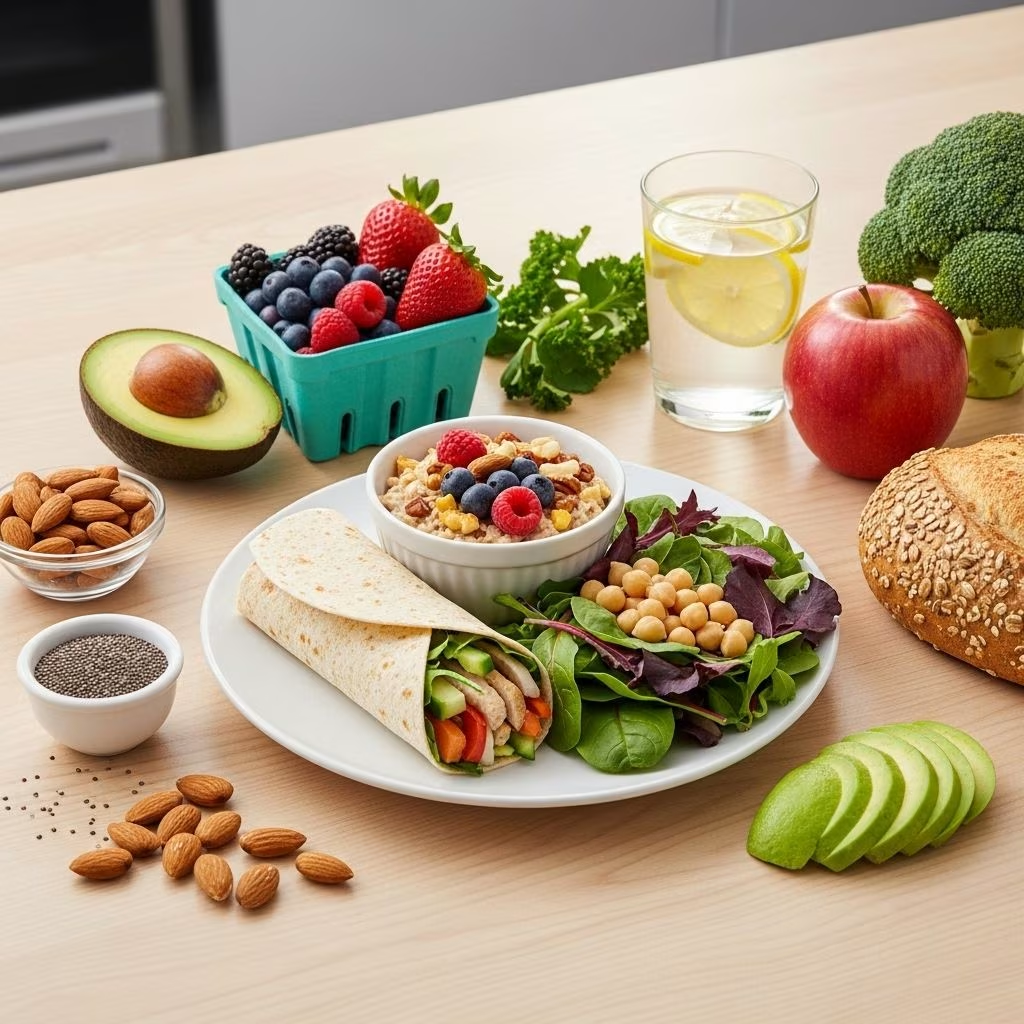
How Dietary Fiber Helps You Lose Weight: Science, Strategies, and Foods
Dietary fiber is increasingly recognized for its crucial role in supporting healthy weight loss and maintaining dietary goals. Far beyond its impact on digestion, fiber influences satiety, energy intake, metabolic health, and even long-term adherence to weight-control plans. This in-depth guide explains the connection between fiber and weight loss, outlines best sources, and provides actionable advice for integrating fiber-rich foods into your routine.
Why Fiber Is Fundamental for Weight Loss
Recent studies found that consuming more dietary fiber plays a much stronger role in protecting against obesity and supporting weight loss than simply following a low-fat diet. In a study of over 4,500 adults aged 20 to 59, women who ate more fiber were significantly less likely to be overweight or obese than those who ate less fiber. Fiber’s benefits arise from multiple mechanisms, including increased satiety, lower energy density, and improved digestive health.
- Satiety: Fiber-rich foods create a feeling of fullness, helping control hunger and reducing overall calorie intake.
- Energy Density: Diets high in fiber tend to have lower calorie content per gram, helping induce a calorie deficit without excessive hunger.
- Dietary Adherence: Individuals with higher fiber intakes are more likely to stick with their diets over time, a crucial predictor of successful weight loss.
The Evidence: What Research Says About Fiber and Weight Loss
Multiple studies have established the powerful association between a higher fiber intake and reduced body weight. In controlled interventions, increases in dietary fiber predicted more substantial and sustained weight loss, regardless of macronutrient composition. Women appear to benefit more clearly than men, likely due in part to differences in dietary habits and sample size.
- Key Study Highlights:
- A 6-month clinical trial found fiber intake was the strongest dietary predictor of weight loss for adults following calorie-restricted diets.
- In an employer-based dietary program, participants who increased their fiber from fruits, vegetables, whole grains, beans, and nuts lost more weight and reported greater energy and confidence in maintaining their diet.
- Women who regularly consumed fiber-rich foods were less likely to be overweight; men benefited less, likely because only 5% consumed adequate fiber.
| Study | Population | Key Result |
|---|---|---|
| CSFII Survey (Prevention.com) | 4,539 adults (ages 20–59) | Women with higher fiber intake were less likely to be obese or overweight. |
| Clinical Weight Loss Trial | Adults with overweight/obesity | Higher fiber intake predicted more weight loss and better dietary adherence. |
| Full Plate Living Program | 4,477 workplace participants | Higher daily servings of fiber-rich foods correlated with greater fat loss. |
How Fiber Promotes Satiety and Supports Calorie Control
The ability of dietary fiber to promote fullness—or satiety—is one of the primary ways it supports weight management. Numerous studies confirm that viscous fibers, such as those found in oats and beans, are especially potent in slowing digestion, boosting satiety, and suppressing appetite for subsequent meals.
- Viscous fibers (e.g., β-glucan in oats) form gels in the stomach, delaying gastric emptying and reducing appetite.
- Fiber-rich diets reduce daily calorie intake naturally, without requiring strict calorie counting.
- The lower energy density of fiber-dense foods (such as fruits and vegetables) preserves a sense of abundance, making adherence easier.
Best Food Sources of Dietary Fiber for Weight Loss
Fiber content varies widely among foods, and not all high-fiber foods are created equal. For optimal weight loss benefits, choose foods that are naturally rich in fiber, especially those that offer added nutritional value.
- Whole Grains: Brown rice, barley, oats, oat bran, quinoa
- Legumes: Beans, lentils, chickpeas, split peas
- Fruits: Apples, pears, berries, oranges, bananas
- Vegetables: Carrots, broccoli, sweet potatoes, artichokes
Adding a variety of these sources to your daily diet is key. For example, oatmeal for breakfast, a bean and veggie salad at lunch, and roasted vegetables for dinner are simple ways to boost fiber intake and support weight loss goals.
Comparing Fiber Types: Soluble vs. Insoluble
| Type | Key Benefits | Best Sources |
|---|---|---|
| Soluble Fiber | Slows digestion, improves satiety, lowers cholesterol | Oats, beans, apples, citrus fruits |
| Insoluble Fiber | Promotes regularity, supports gut health | Whole wheat, bran, carrots, lentils |
How Much Fiber Do You Need?
Many adults, especially men, consume too little fiber. The recommended daily intake is:
- Women: 25 grams per day
- Men: 38 grams per day
Yet, average intake often falls short (less than 15 grams per day for many adults). Increasing servings of fruits, vegetables, whole grains, and legumes is the most effective strategy. Introduce fiber gradually to avoid digestive discomfort, and be sure to stay hydrated.
Practical Strategies to Boost Fiber for Weight Loss
- Start your day with whole grains. Replace refined cereal or bread with oatmeal or whole wheat toast.
- Add beans or lentils to soups, salads, or mains.
- Choose whole fruit over fruit juice.
- Snack smart: Try carrots, apples, or a small portion of nuts.
- Double your vegetable intake at lunch and dinner.
Common Mistakes When Increasing Dietary Fiber
- Adding too much fiber too quickly can cause bloating and discomfort—increase slowly.
- Not balancing fiber with adequate fluid intake may worsen constipation.
- Relying on fiber supplements instead of whole foods may miss other crucial nutrients.
Fiber vs. Other Diet Strategies: What Works Best?
While reducing fat intake can be useful, research shows that focusing on increasing fiber may be a more practical and sustainable way to control weight. In long-term studies, calorie-controlled diets that emphasize fiber-rich foods have better adherence rates; people feel more satisfied without feeling deprived, leading to greater long-term success.
| Feature | High-Fiber Diet | Low-Fat Diet |
|---|---|---|
| Satiety | High | Moderate |
| Dietary Adherence | Higher | Lower |
| Long-Term Success | Better | Less consistent |
Frequently Asked Questions (FAQs)
Q: How fast will I lose weight by increasing dietary fiber?
A: The speed of weight loss depends on individual metabolism and other lifestyle factors. Studies suggest that most people start to see improvements in satiety and gradual fat loss within weeks of consistently boosting fiber intake.
Q: Can I eat too much fiber?
A: Excessive fiber (often from supplements) can lead to digestive discomfort, bloating, and interfere with nutrient absorption. Stick to recommended levels, increase gradually, and prioritize whole foods.
Q: Which is better for weight loss: soluble or insoluble fiber?
A: Both types play helpful roles. Soluble fiber is more effective at boosting satiety, while insoluble fiber aids regularity. For optimal results, eat a variety of plant foods to cover both types.
Q: Do men gain the same weight-loss benefits from high-fiber diets?
A: Evidence suggests that benefits may be less pronounced for men, likely because few consume enough fiber. Encouraging adequate intake is essential for everyone.
Q: What are the best high-fiber foods for beginners?
A: Start with oatmeal, apples, carrots, beans, and brown rice. Gradually add more fruits, vegetables, and legumes for sustained fiber intake and variety.
Actionable Steps to Start Today
- Assess your current fiber intake and identify easy swaps—such as switching from white to whole grain bread.
- Experiment with one new high-fiber recipe each week.
- Keep hydrated as you raise fiber levels.
- Track your satiety and energy levels to see real-world benefits.
Key Takeaways
- Boosting dietary fiber is one of the simplest, safest, and most effective evidence-backed strategies for weight loss and overall health.
- Women who consume more fiber strongly reduce their risk of overweight and obesity.
- Whole foods—fruits, vegetables, legumes, and grains—are far better than supplements for long-term success.
- Rising daily fiber intake improves satiety, energy, digestive health, and adherence to healthy eating plans.
References
- https://pmc.ncbi.nlm.nih.gov/articles/PMC6768815/
- https://www.prevention.com/weight-loss/a20450432/weight-loss-and-dietary-fiber/
- https://pmc.ncbi.nlm.nih.gov/articles/PMC10150096/
- https://www.prevention.com/weight-loss/a33382312/fiber-for-weight-loss/
- https://www.prevention.com/food-nutrition/a20516445/high-fiber-diet-plan/
- https://www.prevention.com/weight-loss/
- https://www.prevention.com/weight-loss/a20428279/weight-loss-fat-and-fiber/
- https://www.mayoclinic.org/healthy-lifestyle/nutrition-and-healthy-eating/in-depth/fiber/art-20043983
- https://www.prevention.com/food-nutrition/healthy-eating/a65664887/ultra-processed-foods-weight-loss-gut-health-study/


