


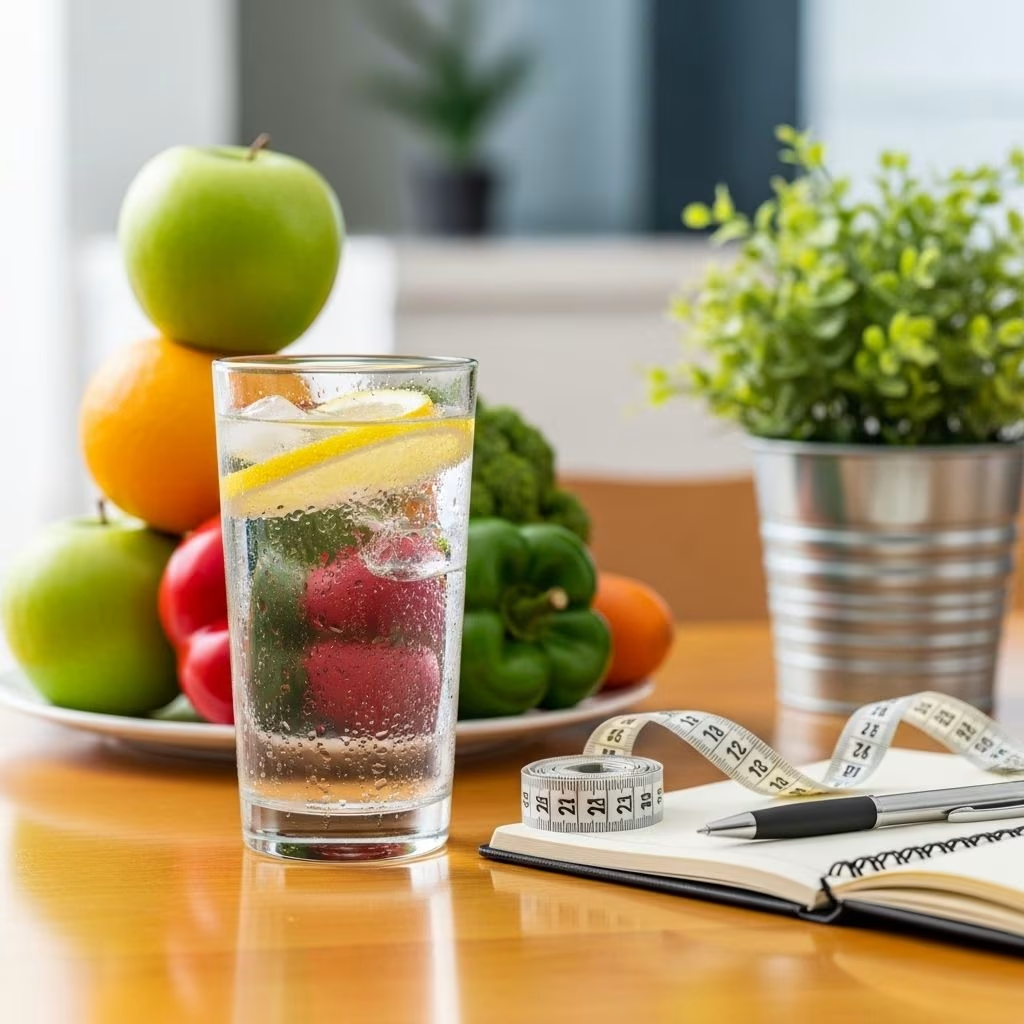
Water—nature’s simplest beverage—has long been considered a cornerstone of healthy living. But does drinking more water really help with weight loss? Recent studies and expert insights suggest that while hydration isn’t a magic weight loss elixir, it plays an essential, multifaceted role in sustainable weight management. This comprehensive article demystifies the science, highlights practical strategies, and dispels myths to help you harness the power of water on your weight loss journey.
Why Water Is Crucial for Weight Loss
Water is the most underrated nutrient when it comes to shedding pounds. Its effects go far beyond simply quenching thirst—it touches every aspect of weight regulation, from appetite to metabolism and even workout performance. Calories in versus calories out remains essential for weight loss, but how much water you drink greatly influences the side of the equation you’re on.
- Drinking water can curb overeating by helping you distinguish between true hunger and thirst.
- It enhances metabolic rate through a process known as diet-induced thermogenesis.
- Hydration is key to physical performance—dehydration can hinder workouts and fat burn efficiency.
- Swapping sugary drinks for water directly reduces calorie intake, supporting weight control long-term.
How Does Water Support Weight Loss? The Evidence
The relationship between hydration and weight involves several scientifically proven mechanisms:
1. Water Enhances Calorie Burn
Every time you consume water, your body expends energy to process it—a phenomenon known as diet-induced thermogenesis. For example, a study published in the Journal of Endocrinology & Metabolism found that drinking around 16 ounces of water temporarily increased participants’ metabolic rate by up to 30%. This means that drinking 1.5 liters more water daily could boost calorie burn by approximately 200 calories a day.
2. Water Helps You Read Hunger Cues
Many sensations we interpret as hunger—including low energy, a rumbling stomach, or even light-headedness—are often early signs of dehydration. Experts recommend drinking water when you first feel hungry to help determine whether your body truly needs food. A notable study from the University of Oxford found that obese adults who drank about 16 ounces of water half an hour before meals ate fewer calories and lost more weight—an average of 2.6 pounds more—than those who did not.
3. Water Powers Your Workouts
Dehydration—even as little as a 2% body weight loss—can impair exercise performance, which is linked to reduced fat loss. The American Council on Exercise suggests active women should aim for 2.7 liters (91 ounces) of water per day. For optimal workout performance and recovery:
- Drink 16 ounces of water before starting a workout.
- Drink at least 8 ounces every 30 minutes during activity.
- Weigh yourself before and after workouts; a loss of over 2% indicates inadequate hydration.
4. Water Cuts Liquid Calorie Intake
Replacing high-calorie beverages with water can directly lead to weight loss. One cup of soda swapped for the same amount of water can slow weight gain by nearly a pound over four years. A large-scale review from the International Journal of Obesity noted that each additional cup of water daily was linked to a 0.3-pound weight loss over a similar period. Coffee, tea, and diet beverages correlated with less weight gain, while juice and whole milk went in the opposite direction.
How Much Water Should You Drink?
While you’ve likely heard the 8×8 rule (eight 8-ounce glasses), hydration needs are truly individual and can vary based on:
- Physical activity levels
- Climate and humidity
- Body size and age
- Health status or pregnancy
Current expert advice is to drink when you feel thirsty. Your body has sophisticated feedback systems to maintain fluid balance. Thirst is a reliable indicator for most healthy adults.
Does Sparkling Water Work for Weight Loss?
Sparkling water’s weight loss effects are often overstated. A recent study in BMJ Nutrition, Prevention & Health found that while the carbon dioxide in fizzy water can slightly boost blood alkalinity and glucose metabolism, this effect is too small to make a meaningful difference on its own. Still, sparkling water can help some people feel fuller and reduce intake of sugary sodas—but beware, the bubbles might trigger mild hunger in some by raising the “hunger hormone” ghrelin.
| Type | Potential Benefit | Potential Drawback |
|---|---|---|
| Still (Plain) Water | Neutral on hunger hormones, no calories, hydrates efficiently | No flavor unless infused; some find it boring |
| Sparkling Water | May increase fullness if used to replace sugary drinks | Bubbles may increase hunger in some; no direct effect on weight loss |
Smart Strategies to Drink More Water
If water isn’t your favorite drink, making it a habit can be a challenge. Here are some tips to boost your daily intake without added sugars:
- Add natural flavor: Infuse water with slices of lemon, lime, cucumber, berries, or mint.
- Use apps to track hydration, like Waterlogged or Water Drink Reminder.
- Replace just one daily sugary drink with water for a manageable start.
- Pair water with every meal, especially before eating to curb calorie intake.
- Opt for seltzer or sparkling water as a soda alternative.
Common Myths About Drinking Water for Weight Loss
- Myth: Water is a “miracle” solution for weight loss.
Fact: Water supports weight loss when combined with healthy habits—no single beverage melts pounds away. - Myth: You need eight glasses a day, no matter what.
Fact: Thirst varies by individual, activity, and environment—follow your body’s cues. - Myth: Diet sodas are as effective as water.
Fact: While swapping sugary sodas for diet can help, studies on their impact are mixed. Water remains the healthiest zero-calorie choice. - Myth: Sparkling water has unique fat-burning powers.
Fact: Current evidence shows no significant difference in weight loss versus plain water.
FAQs: Drinking Water & Weight Loss
Q: Can I drink too much water when trying to lose weight?
A: While rare, overhydration can be dangerous, leading to low sodium levels (hyponatremia). Drink enough to quench thirst, and adjust for activity or temperature, but avoid excessive consumption.
Q: Does warm or cold water make a difference for weight loss?
A: The impact is negligible. Cold water may cause your body to expend slightly more energy to heat it, but the effect on weight loss is so minor it’s not worth focusing on. Drink water at the temperature you enjoy most; consistency matters more.
Q: What’s the best way to flavor my water without adding sugar?
A: Fresh fruits (lemon, lime, berries), cucumber slices, and herbs (mint, basil) are all excellent sugar-free options. Experiment with different combinations to keep things interesting.
Q: Is it better to space out water intake or drink large amounts at once?
A: Sipping water throughout the day is best for absorption and appetite control. Gulping large amounts quickly can overwhelm your system and is less effective for hydration.
Q: Can sparkling water cause weight gain?
A: Plain sparkling water does not contain calories and won’t cause weight gain. However, some flavored varieties may contain added sugars—always check the label.
Expert Tips for Using Water as a Weight Loss Ally
- Drink water before each meal to temper initial hunger and curb portions.
- Use a reusable water bottle to keep hydration top-of-mind wherever you go.
- Monitor your urine color: Pale yellow is generally a sign of adequate hydration.
- If you’re active or live in a warm climate, increase your intake as needed.
- Set reminders if you tend to forget—most people underestimate their fluid needs.
Final Thoughts: Water Is a Tool, Not a Quick Fix
Drinking water supports weight loss by boosting metabolism, tempering appetite, improving workout efficiency, and reducing liquid calories. However, it works best as part of a larger healthy lifestyle that includes balanced nutrition and regular movement. Instead of obsessing over ounces, focus on responding to thirst, making smart beverage choices, and staying consistent. Ultimately, water is a powerful, accessible ally on your journey to lasting wellness.
References
- https://www.prevention.com/weight-loss/a20461957/how-drinking-water-can-help-you-lose-weight/
- https://www.prevention.com/weight-loss/g20515243/drinking-water-helps-weight-loss/
- https://www.prevention.com/weight-loss/a63511315/sparkling-water-weight-loss/
- https://www.prevention.com/weight-loss/a20430763/drinking-water-to-lose-weight/
- https://www.prevention.com/weight-loss/a30188568/lose-weight-without-exercise-0/
- https://www.prevention.com/weight-loss/diets/a20465878/flat-belly-diet-and-sassy-water/
- https://www.prevention.com/food-nutrition/a65631260/lemon-water-every-day/
- https://www.prevention.com/weight-loss/a63656450/drinking-elderberry-juice-weight-loss-study/
- https://www.prevention.com/weight-loss/diets/a20718413/apple-cider-vinegar-for-weight-loss/


