


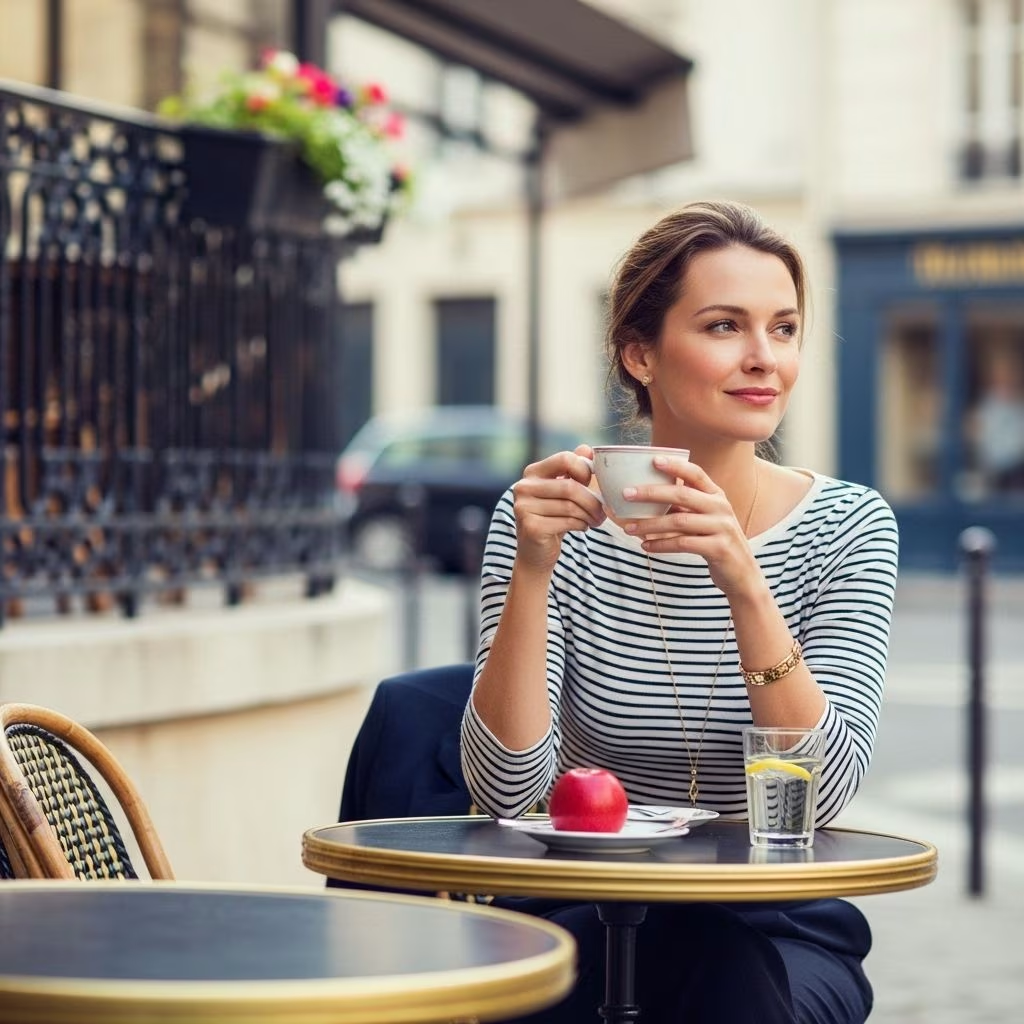
French women are often admired worldwide for their ability to maintain slim figures while enjoying foods that seem decadent and rich by other cultures’ standards. While this phenomenon might appear mysterious, it is rooted in a lifestyle and food culture that balances pleasure and restraint, quality and moderation, without resorting to deprivation or fad dieting. Understanding how French women remain slim can offer valuable insights for anyone seeking a healthier, more sustainable relationship with food and weight.
The French Philosophy Towards Eating
At the heart of French dining habits is the philosophy that eating should be a pleasure, not a source of guilt. This approach underscores several core attitudes and routines:
- Mindful enjoyment: Meals are experiences to be savored, not rushed. Each bite is enjoyed, and eating is rarely a mindless act.
- No forbidden foods: Rather than cutting out foods deemed “unhealthy,” French women focus on how and how much they eat, not just what they eat.
- Emphasis on balance: Rich meals are compensated with lighter food choices at subsequent meals, naturally regulating intake without strict rules.
Balanced Pleasures: Enjoying Food Without Overeating
Contrary to the common portrayal of French cuisine as heavy, French women do not shy away from butter, cheese, pastries, and wine. Instead, they practice moderation with a deep sense of enjoyment.
- Small portions: The focus is on quality over quantity. Rich foods are enjoyed in smaller, satisfying servings rather than in excess.
- No guilt: Indulgences are anticipated and appreciated, which helps avoid cycles of restriction and overeating.
- 80/20 Rule: Many French women follow an unofficial version of the 80/20 philosophy—eating healthfully most of the time and allowing space for treats.
Mastering Portion Control Without Effort
Portion size is a subtle but powerful tool in the French method of maintaining a healthy weight. Several customs reinforce mindful portioning:
- Using smaller plates: Smaller tableware creates the impression of a full plate without excess food, naturally keeping servings in check.
- No seconds: Meals are typically served in predetermined portions, and second helpings are rare.
- No eating from packages: Food is always served on dishes, encouraging attentiveness to amount and presentation.
Tip: Storing leftovers in single-serving portions makes it easy to maintain portion size for future meals.
Mindful Eating Habits and Meal Structure
The structure and social rituals of French meals encourage slower, more deliberate eating, allowing time for satiety signals to kick in and prevent overeating.
- Allowing 20 minutes between courses: This gap allows the brain to register fullness, reducing the risk of eating too much.
- Three meals a day: French women seldom snack, instead enjoying robust meals at breakfast, lunch, and dinner with several hours in between.
- No eating on the go: Food is rarely consumed while standing, driving, or walking. Instead, meals are deliberate breaks in the day.
No Snacking: Key to French Slimness
One of the most striking differences in French eating habits is the near absence of snacking. While snacks are growing more common among children, the norm remains three balanced meals per day, with nothing in between.
- Four-hour rule: At least four hours are left between meals, supported by satisfying meals that reduce hunger between eating occasions.
- If needed, choose well: When snacking is unavoidable, French women opt for fresh fruit or a small, nutrient-dense bite, not processed treats.
Drinking Habits: Water With Every Meal
Unlike cultures where soda or sweetened beverages accompany food, French women prioritize water—with a small pour of wine reserved for enjoyment, not hydration.
- Water is the primary drink at meals: A large glass of water accompanies every meal, supporting digestion and satiety.
- Alcohol in moderation: Wine is sipped slowly, often just a small glass per meal.
- Minimal soda and sweetened drinks: Sugary drinks are rare, helping avoid hidden calories.
No Calorie Counting or Obsessive Dieting
Unlike many Western approaches to weight management, French women do not meticulously count calories or focus on numbers.
- Intuitive eating: Food choices are governed by hunger, satisfaction, and how the body feels, rather than tracking.
- No daily weighing: The fit of clothing serves as a more trusted measure than the scale. Many women go months without weighing themselves.
Physical Activity: Naturally Integrated Movement
Formal gym routines are less emphasized in France than incidental movement throughout the day. Activity is a seamless part of daily life in French cities and towns.
- Walking and cycling: French women walk everywhere—running errands, climbing stairs, and navigating public transportation all keep them moving.
- Quiet exercise: Casual swimming, gardening, and cycling are preferred, with less focus on intense gym workouts.
- Routine physical movement: Living in walkable communities and using public transit ensures daily activity.
| Activity | How It’s Integrated |
|---|---|
| Walking | Commuting, errands, leisure |
| Cycling | Local transportation, recreation |
| Stairs | More common than elevators/escalators |
| Swimming | Leisure activity on weekends/vacation |
Eating Real, Fresh, and Whole Foods
French women generally avoid processed foods and instead emphasize natural, whole ingredients:
- Local markets: Frequent visits to neighborhood markets ensure freshness and seasonality.
- Full-fat is welcome: Rather than low-fat or diet products, French women believe in the satiating power of full-fat cheese, butter, and yogurt, which makes smaller portions feel satisfying.
- Minimal processed foods: Homemade meals, unprocessed meats, and fresh produce dominate the diet.
Cooking and Savoring Food
Home cooking is a valued part of French culture. Preparing food from scratch allows control over ingredients and encourages mindful enjoyment.
- Classic ingredients: Dishes are cooked with a few high-quality staples—real butter, olive oil, fresh herbs, and simple spices.
- Simple, beautiful presentation: Meals are made appealing, even when modest, reinforcing satisfaction from the experience.
Respecting Digestion and Rituals
Digestive comfort is a priority. Certain customs—such as never drinking coffee or hot drinks with cheese—persist out of a belief that they facilitate proper digestion.
- Meal sequence ritual: Cheese is eaten before dessert (and coffee), never with hot drinks, which is believed to support healthier digestion.
Shopping Habits: Small, Frequent, and Local
Instead of weekly supermarket stock-ups, French women typically buy food daily or every few days, keeping refrigerators small and food fresh.
- Bakeries, butchers, and markets: These small specialty stores are neighborhood fixtures and encourage daily shopping for the freshest ingredients.
- Buying local: Food comes from nearby producers, promoting a seasonal, high-quality approach to eating.
Attitudes Toward Hunger and Fullness
Hunger is not viewed as a negative state to avoid at all costs; rather, it’s a signal that it’s time to eat. Similarly, excessive fullness is actively avoided.
- Eating until satisfied, not stuffed: French women stop when they feel comfortable—not when plates are empty or overfull.
- Ignoring the clock: If not hungry at meal times, it’s acceptable to eat a smaller meal or delay eating slightly.
Mindset: Confidence Over Restriction
The core mindset is self-assurance—trusting the body’s instincts and avoiding restrictive patterns that breed anxiety and rebellion. The result is a relaxed, pleasurable, and ultimately more successful approach to staying slim.
- No diet labels: French women don’t follow trendy diets or label themselves. The emphasis is on lifestyle, routine, and pleasure without guilt.
Frequently Asked Questions (FAQs)
Q: Do French women ever diet or count calories?
A: French women rarely count calories. They rely on intuitive eating, balancing richer meals with lighter ones, and focusing on how their clothes fit rather than the scale.
Q: Is wine a regular part of the French diet?
A: Yes, but only in moderation. A small glass with dinner is common, and it’s sipped slowly alongside food.
Q: Are snacks ever allowed?
A: Snacking is generally avoided. However, occasional small snacks, usually fruit, are enjoyed if truly needed—especially for children after school.
Q: What about exercise—are French women gym-goers?
A: Most physical activity is integrated into daily life. Walking, cycling, and outdoor activities are favored over gym sessions.
Q: How do French women handle special occasions with rich foods?
A: On special occasions, enjoying rich foods is embraced. The following meals may be lighter to maintain balance over time.
French Slimness Secrets at a Glance
- Eat slowly, savoring every bite
- Keep portions modest
- Choose whole, minimally processed foods
- Avoid snacking and sugary drinks
- Integrate movement into daily routines
- Listen to hunger and fullness cues
- Prioritize pleasure and routine over restriction
By observing these habits, French women achieve a healthy lifestyle that supports a slim figure—the results of generations of culture, not the outcome of a quick-fix diet. Anyone can apply elements of these time-tested behaviors for more mindful eating, greater satisfaction, and natural weight management.
References
- https://thegoodlifefrance.com/how-do-french-women-stay-slim/
- https://bodynetwork.com/weight-loss-french-girl-diet-secrets/
- https://leoncechenal.com/how-french-women-stay-slim/
- https://www.youtube.com/watch?v=CJ96pUiuEQM
- https://www.jessicaseigel.com/articles/inhaling-their-food-the-real-french-secret-to-staying-slim
- https://www.youtube.com/watch?v=YC0I0jqFa8o
- https://www.webmd.com/diet/features/french-womens-diet-secret-yogurt
- https://frenchwomendontgetfat.com/the-secrets-of-the-french-women-lifestyle/


