


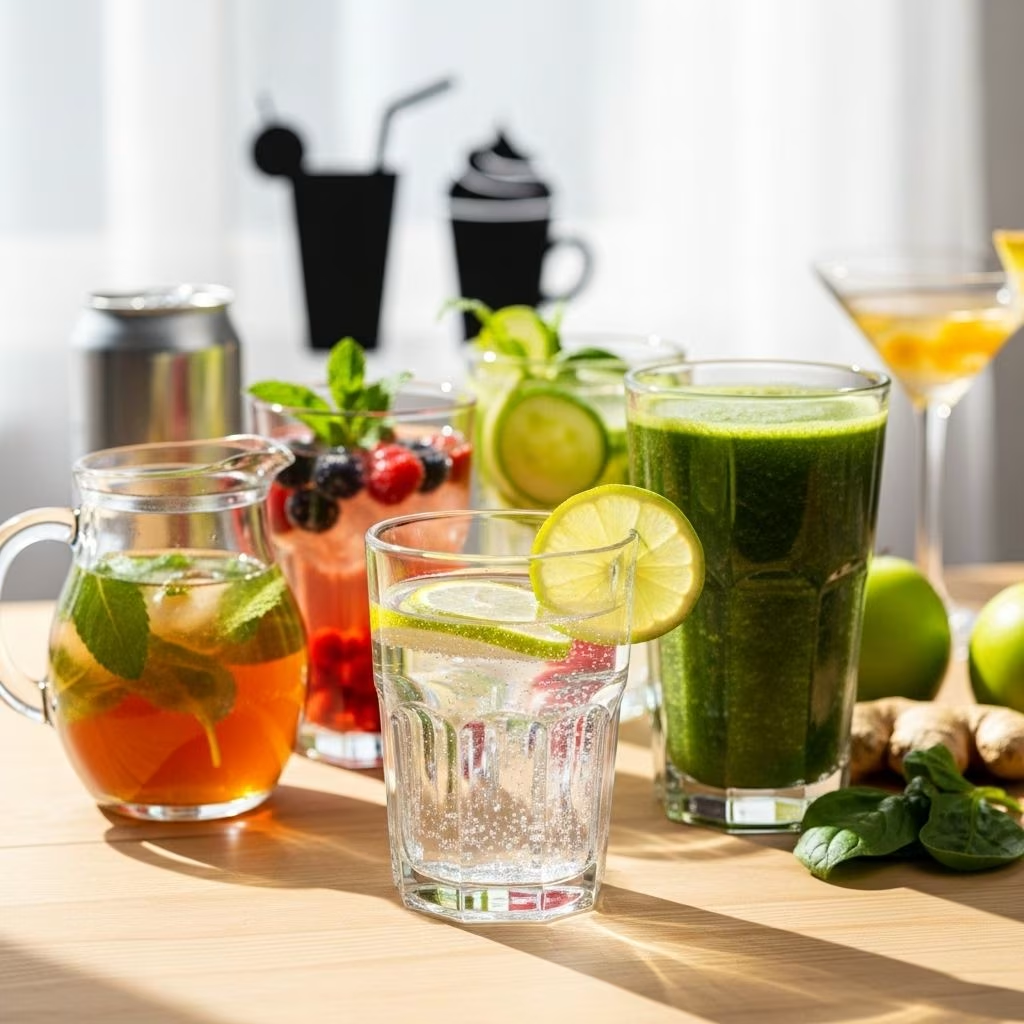
Cutting Calories from Drinks: A Smart Start to Weight Loss
If you’ve been tracking your food but not seeing the weight-loss results you expect, your beverages might be the hidden culprit. Every sip—whether it’s a sugary latte, soda, smoothie, or after-work cocktail—can add stealth calories to your daily intake. Unlike the calories you eat in solid food, calories from drinks often do not trigger your body’s sense of fullness, making it easy to consume hundreds of extra calories without realizing it.
Why Drink Choices Matter for Weight Loss
Many people focus on food when aiming to lose weight, but studies show that 10 to 20% of daily calories come from what you drink. That’s a hefty portion, and most of these calories sneak in from sugar-sweetened beverages. According to dietary researchers, sweetened drinks like soda, energy drinks, sports drinks, and large coffee beverages are the single largest source of added sugars in the American diet.
- High-calorie drinks don’t satisfy hunger the way solid foods do, making it easy to overconsume.
- Liquid calories impact vitamin and mineral intake—those who drink lots of sugary beverages are more likely to fall short on key nutrients, especially calcium and folate.
- Eliminating one 16-ounce soda daily can save 200 calories, potentially leading to 20 pounds of weight loss in a year, all else being equal.
How Liquid Calories Add Up Fast
Think about your daily beverage habits. It is surprisingly easy to blow past your calorie goals:
- Caffe latte at breakfast: ~150–250 calories (depending on size and milk type)
- Can of soda at lunch: ~150 calories
- Fruit smoothie as a snack: ~250 calories
Add it up and you could consume an extra 550 calories a day—before even counting your meals. Because your body doesn’t register liquid calories for fullness, you tend to eat just as much food, on top of your drinks.
Spotting Hidden Calories in Common Drinks
| Drink | Average Calories (per serving) | Key Concerns |
|---|---|---|
| Soda (12 oz can) | ~150 | High sugar, no nutrients |
| Fruit juice (8 oz) | ~115 | Natural sugar, little fiber |
| Sweetened iced tea (16 oz) | ~180 | Hidden sweeteners |
| Caffe latte (16 oz, whole milk) | ~220 | Milk sugar and fat |
| Alcoholic cocktails (8 oz) | ~200 | Alcohol plus mixers |
| Protein smoothie (12 oz, store-bought) | ~200–300 | Varies by ingredients |
| Energy drink (16 oz) | ~220 | High caffeine & sugar |
Note: Calories can vary greatly depending on brand, preparation, and added ingredients.
The Science: Liquid vs. Solid Calories
When you eat solid food, your digestive system and brain work together through complex signals, resulting in the sense of fullness or satiety. In contrast, when you drink calories, these signals tend to be weaker or even absent. Multiple studies have demonstrated that people who consume liquid calories often do not eat less food later, leading to higher total intake for the day.
It’s partly because drinks pass through your stomach faster, don’t require chewing, and don’t create the same stretch and satisfaction as a meal. This helps explain why even “healthy” drinks like 100% fruit juice or calorie-rich coffee drinks can undermine your weight-loss efforts if not consumed mindfully.
Simple Swaps: Lower-Calorie Drink Alternatives
Cutting back on high-calorie beverages is one of the fastest, easiest ways to cut your calorie intake without feeling deprived. Use these tips and swaps to get more from what you drink, while supporting your overall health:
- Water — Calorie-free and essential for every body function. Add a slice of lemon, cucumber, or a few berries for natural flavor.
- Unsweetened tea — Black, green, white, or herbal teas can be enjoyed hot or cold, plain or with a splash of milk for minimal calories.
- Coffee (black or with skim milk) — Skip the whipped topping, sweetened syrups, and cream.
- Sparkling water — Combine with a squeeze of citrus for a festive, zero-calorie soft drink substitute.
- Low-fat milk or unsweetened plant milks — Good for calcium, vitamin D, and protein, with far fewer calories than whole milk or sweetened versions.
- Low-sodium vegetable juice — Provides antioxidants and some fiber, with less sugar than fruit juices.
Alcohol and Weight Loss: Making Smarter Choices
Alcohol is another common source of hidden calories. Some cocktails can have as many calories as a dessert, thanks to added sugars in mixers. If you enjoy drinking alcohol, moderation and informed choices can help you avoid sabotaging your progress.
Low-Calorie Alcoholic Drinks
- Light beer: About 100–110 calories per 12-ounce serving. Choose lighter-hued beers for fewer calories.
- Dry wines: Both white and rosé wines typically provide 110–120 calories per 5-ounce glass if you opt for drier, less sweet versions.
- Spirits (vodka, gin, rum, whiskey): About 97 calories per 1.5-ounce shot, but the mixer makes all the difference. Use club soda, seltzer, or diet tonic for fewer calories.
Ingredients to Avoid in Alcoholic Drinks
- Simple syrup and added sugars
- Fruit juices and sweetened soda
- Pre-made or bottled cocktail mixes
- High-fat add-ins like heavy cream
Nutrition experts agree: you don’t have to eliminate alcohol entirely to lose weight, but you do need to be intentional about what and how much you drink. A good rule of thumb is to keep alcoholic drinks occasional, sip slowly, and alternate with water or other calorie-free beverages.
Are There Any Good Calories in Drinks?
Not all drinks are diet disasters. Some provide valuable nutrients—but portion control is still important. Here’s what to keep in mind:
- Milk and fortified plant milks — Important sources of calcium, vitamin D, and protein, especially for those who don’t get enough from food. Stick with low-fat or unsweetened options and keep servings moderate (8 ounces).
- 100% fruit juice — Contains vitamins and antioxidants, but also a lot of natural sugar. Treat as an occasional treat and opt for a small glass (4 ounces) at most.
- Vegetable juices — Low in sugar, high in vitamins, but watch the sodium content. Mix with water to dilute saltiness and avoid overconsumption.
Practical Strategies to Cut Liquid Calories
Making lasting changes to your drink habits can feel daunting at first, but small, sustainable steps add up. Here are effective, research-backed strategies to help you cut those unnecessary drink calories:
- Keep water within arm’s reach — Carry a reusable water bottle and refill throughout the day.
- Limit sugar-sweetened beverages to special occasions — Consider them treats, not everyday essentials.
- Use smaller glasses — Just as with meals, portion size matters with drinks. A smaller glass makes a standard portion feel special.
- DIY your favorites — Make iced tea, lemonade, or coffee at home so you can control the amount of sweetener and avoid processed additives.
- Rethink sparkling drinks — Choose seltzer or sparkling water over soda, and add a splash of juice for flavor if needed.
- Check nutrition labels — Hidden sugars lurk even in seemingly healthy “energy” or “vitamin” drinks.
- Gradually reduce sweetness — If you love super-sweet coffee or tea, slowly reduce the sugar or flavored syrup until your palate adjusts.
Long-Term Benefits: Beyond the Scale
Cutting back on liquid calories not only supports healthy weight loss but can also:
- Reduce your risk of type 2 diabetes, metabolic syndrome, and cardiovascular disease.
- Lower your overall sugar and caffeine intake, easing energy crashes and improving sleep quality.
- Improve hydration, since many high-calorie drinks can actually contribute to dehydration (through high sugar or caffeine levels).
- Enhance your nutrient intake, since you’ll likely replace sweet drinks with water, tea, or nutrient-rich options.
Frequently Asked Questions (FAQs)
Q: If I only change my drinks, can I really lose weight?
A: Yes, for many people, cutting out sugary beverages and replacing them with water and other low-calorie options can lead to significant weight loss, sometimes up to 20 pounds a year, even if no other dietary changes are made.
Q: Are diet sodas good alternatives?
A: Diet sodas have fewer or no calories and may help with weight loss in the short term, but some studies suggest that they could increase cravings for sweet foods in the long run. Water, unsweetened tea, or sparkling water are healthier daily choices.
Q: Is fruit juice healthier than soda?
A: 100% fruit juice provides some vitamins and antioxidants, but it’s almost as calorie-dense as soda and has little fiber. Small, occasional servings are ok, but water and whole fruit are better options for hydration and nutrition.
Q: Can I drink alcohol and still lose weight?
A: You don’t have to give up alcohol entirely, but the calories add up quickly. Choose light beers, dry wines, or spirits with calorie-free mixers, and limit servings to 1–2 a few times weekly.
Q: What about smoothies?
A: Homemade smoothies with fruit, vegetables, and unsweetened yogurt or plant milk can be nutritious, but many store-bought versions are loaded with hidden sugars and calories. Watch your portion size and skip added sugar for the healthiest blend.
Q: How can I make drinking plain water more enjoyable?
A: Add slices of citrus, cucumber, fresh herbs, or berries to your water for natural flavor without extra calories.
Summary Table: Calorie Comparison of Popular Drinks
| Drink Type | Calories (per serving) | Best For | Things to Watch |
|---|---|---|---|
| Water | 0 | Hydration | None |
| Unsweetened tea/coffee | 0–5 | Hydration, antioxidants | Skip sweeteners and cream |
| Diet soda | 0–5 | Occasional substitute | Chemical sweeteners |
| Milk (1% or skim) | 90–110 | Calcium, Vitamin D, Protein | Portion control |
| Fruit juice | 110–150 | Vitamins, taste | High natural sugars, no fiber |
| Soda/energy drink | 150–200 | None | High sugar, empty calories |
| Smoothie (store-bought) | 200–350 | Quick snack | Hidden sugar & portion size |
| Cocktail | 100–300+ | Special occasions | Mixers, extra sugar |
Decreasing your liquid calorie intake is a simple yet powerful way to support your weight loss—and boost your energy, mood, and overall health. Make small, sustainable swaps today and watch the results add up over time.
References
- https://www.prevention.com/weight-loss/a20452814/weight-loss-program-drinks-calories/
- https://www.prevention.com/weight-loss/a20451522/weight-loss-drinks-and-calories/
- https://www.prevention.com/weight-loss/g23473697/lowest-calorie-alcohol/
- https://www.prevention.com/weight-loss/a20456360/400-calorie-meals-how-to-get-started/
- https://www.prevention.com/weight-loss/a20465664/calories-food-and-drinks/
- https://www.prevention.com/food-nutrition/
- https://www.prevention.com/weight-loss/a20427993/drinks/
- https://www.prevention.com/weight-loss/g20432475/15-ways-to-cut-hundreds-of-empty-calories-a-day/
- https://www.prevention.com/food-nutrition/healthy-eating/a65664887/ultra-processed-foods-weight-loss-gut-health-study/
- https://www.prevention.com/weight-loss/a20441412/9-ways-to-save-calories-at-happy-hour/


