


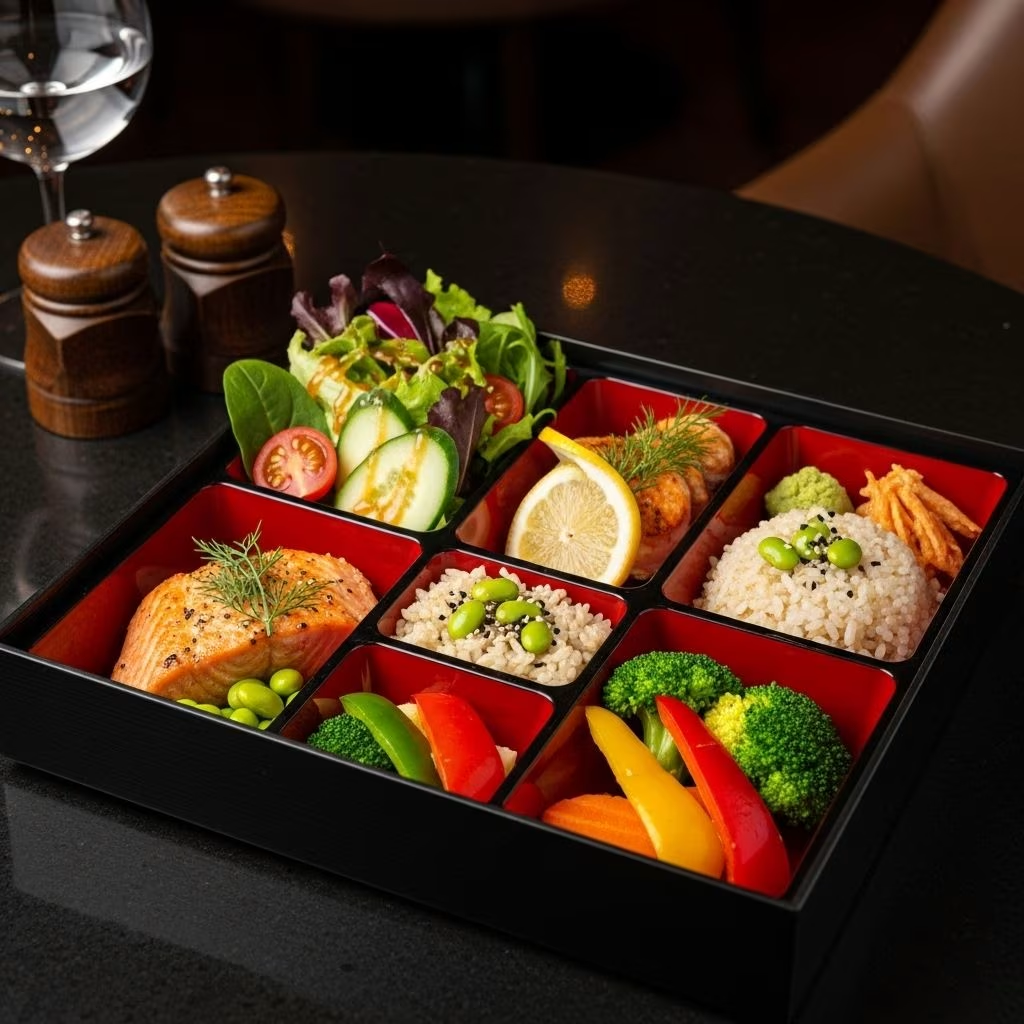
Healthy Eating Tips for Dining Out: Smart Choices for Every Restaurant Visit
Dining out shouldn’t mean sacrificing your commitment to health. With nearly a quarter of meals eaten outside the home, learning to navigate restaurants with confidence is essential to maintaining a nutritious lifestyle. From planning ahead and decoding menu language to controlling portions and making informed substitutions, this comprehensive guide draws on expert recommendations to help you enjoy every meal out while supporting your health goals.
Introduction
The increasing frequency of meals eaten out—whether at restaurants, fast food chains, or casual cafes—can be a challenge for anyone committed to healthy eating. Large portions, tempting menu items, and social occasions often drive us to eat mindlessly or indulge beyond our plans. Yet, dining out can absolutely be part of a healthy, balanced lifestyle with the right strategies and mindset. This guide offers practical, research-backed solutions for making the healthiest choices possible while enjoying meals away from home.
Healthy Eating Begins Before You Arrive
Making nutritious choices when you dine out starts well before you walk into a restaurant. Planning and preparation minimize impulses and unhealthy decisions.
- Eat a healthy snack before you go: Consuming a small snack—like a piece of low-fat cheese, a handful of nuts, or whole wheat crackers—reduces hunger and helps you avoid overeating once seated with the menu in front of you.
- Avoid arriving on an empty stomach: Hunger can lead to poor decision making and faster, less mindful eating.
- Don’t start drinks on an empty stomach: Alcoholic beverages, especially as aperitifs, can sharpen your appetite and lead to heavier eating. Begin with sparkling water or a diet beverage to pace yourself.
- Preview the menu online: Researching options beforehand enables you to identify healthier choices and plan ahead, reducing the likelihood of impulsive high-calorie orders.
Making Smart Choices at the Restaurant
Navigating the restaurant environment requires awareness of hidden calories, preparation methods, and portion sizes. These tactics foreground health without sacrificing enjoyment:
- Delay the bread basket: If bread is irresistible, request it with the main meal rather than as a pre-meal nibble. This prevents mindless eating while waiting for your order.
- Choose baked, grilled, or steamed preparations: Foods cooked with minimal added fats—such as baked, grilled, roasted, poached, or steamed entries—tend to be lower in calories and saturated fat compared to fried or creamy alternatives.
- Savor slowly: Eating slowly helps you recognize fullness, enjoy flavors, and prevent overeating. It takes roughly 20 minutes for satiety signals to reach your brain.
- Ask questions if unsure: Don’t hesitate to inquire about preparation methods or request modifications. Most establishments accommodate healthy preferences.
Menu Decoding Strategies
Menus are often filled with tempting language designed to entice diners. Learning to swiftly decode menu jargon helps you avoid hidden sources of calories, sodium, and saturated fat. Here are quick ways to identify the healthiest options:
- Look for preparation buzzwords: Words like grilled, broiled, baked, poached, roasted, or steamed signal healthier cooking methods with minimal added fat.
- Be wary of high-fat descriptions: Dishes marked as fried, breaded, smothered, creamy, buttered, rich often contain unhealthy fats and unnecessary calories.
- Seek out fruits and vegetables: Choose menu items that prominently feature vegetables (stir-fries, salads, veggie wraps, kabobs) and fruits (as sides or desserts).
- Review nutrition information: Many restaurants now post calories and nutrition facts online or on the menu. Use these to make informed decisions, prioritizing lower-calorie, lower-sodium, and lower-saturated fat options.
Portion Control and Sharing
“Supersized” portions have become the norm at many restaurants, contributing to excessive intake of calories, sodium, sugar, and saturated fat. Effective portion management is key:
- Share entrées: Split your dish with a friend, or ask for a half-portion if available. Many restaurants offer “small plates” or “half-size” menu items.
- Serve half your plate to-go: Request a container at the start of your meal and immediately set aside half for later.
- Fill up on veggies: Start with a salad or veggie appetizer. Not only does this ensure you consume nutrients, but it also helps you feel satisfied sooner.
- Skip appetizers of unnecessary calories: Opt for a broth-based soup, fruit cup, or side salad instead of fried starters.
Customizing Your Order
Customizing your meal can transform a potentially unhealthy choice into a balanced, nourishing dish. Here’s what you can do:
- Request sauce and dressings on the side: Creamy sauces and gravies are high in fat and calories. Request them separately so you control how much you eat.
- Substitute healthy sides: Swap fries, chips, or creamy potato dishes for steamed veggies, side salads, or fresh fruit.
- Ask for less oil or cheese: Many kitchens will accommodate requests to use less or omit butter, oil, or cheese in preparation.
- Opt for whole grains: If available, choose whole-grain breads, pastas, or rice instead of their refined counterparts.
- Request proteins grilled or roasted: Proteins cooked with dry heat or minimal added fat are less calorie-dense and often tastier.
Healthy Sides & Substitutions
Side dishes are often underestimated sources of excess calories and sodium. Making smart swaps adds nutrients and reduces empty calories:
- Choose vegetable sides: Substitute fries, chips, or creamy potato dishes for steamed, grilled, or roasted vegetables or a side salad.
- Order broth-based soups: Cream-based soups are higher in fat; a tomato or vegetable-based soup is lighter and just as satisfying.
- Opt for fruit: Fresh, baked, or grilled fruit is a wholesome side or dessert alternative to pastries or ice cream.
- Look for legume-based options: Beans, lentils, and chickpeas add fiber and protein to the meal without excess fat.
Navigating Desserts & Beverages
Sweet treats and drinks can quickly add hundreds—or even thousands—of calories to your meal. Learn how to indulge wisely:
- Share desserts: If you crave something sweet, split a dessert with others at your table to keep portions small while still enjoying a sample.
- Choose fruit-based desserts: Berries, peaches, or baked apples are flavorful, low-calorie alternatives to rich cakes and pastries.
- Limit sweet beverages: Sodas, sweetened teas, and alcohol can double your meal’s calorie count. Choose sparkling water, plain tea, or black coffee instead; avoid endless refills.
- Pace alcohol consumption: Enjoy a glass of wine or cocktail only with the main meal, not before, to minimize hunger-driven ordering.
Quick Reference Table: Healthier Dining Alternatives
| Common Menu Item | Healthier Alternative | Benefit |
|---|---|---|
| Fried chicken or fish | Grilled or baked chicken/fish | Less fat, lower calories |
| Cream-based soup | Broth-based vegetable soup | Lower saturated fat |
| Fries or chips | Steamed veggies or side salad | More nutrients, less sodium |
| Pasta with creamy sauce | Marinara sauce | Lower calories, less saturated fat |
| Cake or pastry for dessert | Fresh fruit bowl | Vitamins, fiber, fewer calories |
| Regular soda or sweet tea | Sparkling water or unsweetened tea | No added sugar |
Frequently Asked Questions
Q: How can I avoid overeating when dining out?
A: Eat a small snack beforehand, order a salad or veggies to start, share large entrees, and ask for half to be boxed for later.
Q: What menu words should I look for to identify healthy dishes?
A: Search for grilled, roasted, steamed, baked, broiled, and poached.
Q: Are sauces and dressings always unhealthy?
A: Not always, but creamy or buttery sauces are usually very high in saturated fat, calories, and sodium. Opt for tomato or vegetable-based sauces and request all toppings on the side for better control.
Q: Is it possible to stick to my weight loss goals at restaurants?
A: Absolutely. Planning ahead, asking for modifications, splitting dishes, and being mindful about beverages and desserts make it possible to dine out without compromising your goals.
Q: What’s the best strategy for a healthy meal if I’m in a rush?
A: Choose grab-and-go outlets with clear nutrition facts, opt for veggie-packed salads or wraps, skip sugary drinks, and favor water or unsweetened tea.
Enjoying Healthy Eating When Dining Out
Making healthy choices when dining out becomes easier with practice—and does not require avoiding restaurants altogether. Armed with these tips, you can balance nutrition and satisfaction, so you enjoy restaurant meals without guilt or setbacks. Remember, proactive planning, portion mindfulness, and smart modifications are your keys to long-term wellness in any dining setting.
References
- https://www.prevention.com/weight-loss/a20451598/healthy-eating-tips-for-dining-out/
- https://www.myplate.gov/tip-sheet/dine-out-take-out
- https://www.health.harvard.edu/staying-healthy/restaurant-survival-strategies
- https://networkhealth.com/grow-in-the-know/2019/01/tips-for-eating-out
- https://www.heart.org/en/healthy-living/healthy-eating/eat-smart/nutrition-basics/dining-out-doesnt-mean-ditch-your-diet
- https://www.teladochealth.com/library/article/tips-for-eating-healthy-when-dining-out
- https://www.cdc.gov/restaurant-food-safety/communication-resources/tips-for-dining-out.html
- https://diabetes.org/food-nutrition/eating-healthy/tips-eating-healthy-on-go
- https://batonrougeclinic.com/news-education/7-tips-for-eating-healthy-when-dining-out/


