


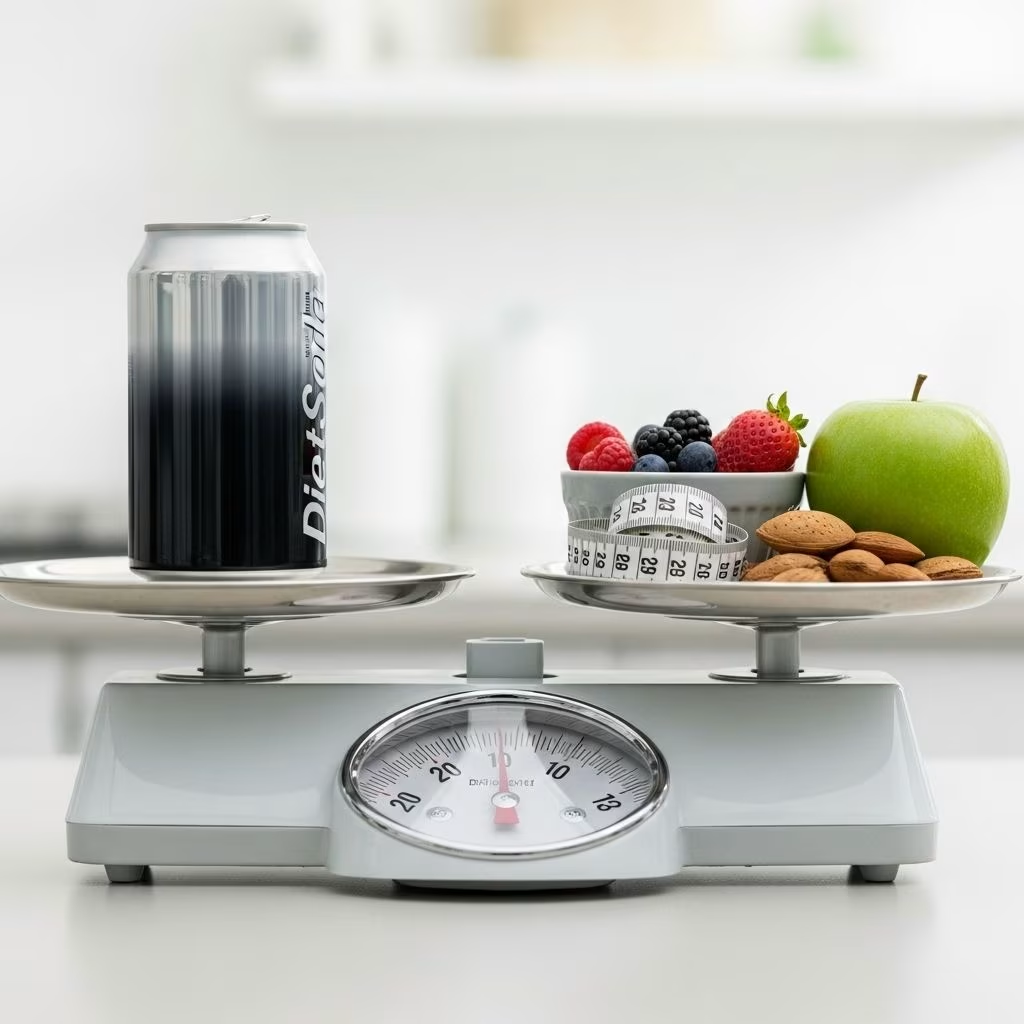
Diet Soda and Weight Loss: Fact, Fiction, and Hidden Risks
Diet soda—marketed as a zero-calorie alternative to regular soft drinks—has long been seen as a guilt-free indulgence for people trying to lose weight. With slick advertisements and widespread misconceptions, millions turn to diet beverages hoping for easier weight management. But what is the real impact of diet soda on your weight goals, appetite, body composition, and long-term health?
The Promise and Popularity of Diet Soda
Diet sodas offer a sugar-free, calorie-free alternative to regular soft drinks. For those aiming to shed pounds, the draw is obvious:
- No sugar, no calories: Diet sodas contain artificial sweeteners, replacing sugar without adding calories.
- Convenience: Widely available and packaged as a weight-friendly beverage.
- Marketing claims: Promoted as a tool for weight management and appetite control.
In fact, over 40% of adults in the United States report using nonnutritive sweeteners (NNSs) like those found in diet sodas to help satisfy sweet cravings without the perceived negatives of sugar consumption.
What Do Scientific Studies Say About Diet Soda and Weight Loss?
The scientific community remains divided on the potential value—or danger—of diet sodas in weight management. Consider three major research perspectives:
Controlled Weight Loss Trials: Diet Soda vs. Water
One recent study compared two groups of overweight participants enrolled in a behavioral weight loss program:
- Diet Soda Group: Consumed at least 24 ounces of diet drinks daily (could also drink water).
- Water Group: Consumed at least 24 ounces of water daily, abstaining from diet beverages.
Both groups received identical support on portion control, self-monitoring, and activity. After 12 weeks:
- Diet Soda Group: Lost an average of 13 pounds.
- Water Group: Lost an average of 9 pounds.
The difference, though modest, was statistically significant. Researchers theorized that greater hunger in the water group may have contributed, and that established diet soda drinkers found it more challenging to switch to water-only.
Funding and Bias Concerns
It’s important to note that this study was funded by the American Beverage Association, and authors had financial relationships with industry. This may influence interpretation and raises questions about long-term effects.
Other Studies: Increased Appetite and Food Intake
A large study from USC’s Keck School of Medicine investigated artificial sweeteners, particularly sucralose (common in diet sodas), and found:
- Diet sodas may increase cravings and appetite, especially in women and obese individuals.
- Artificial sweeteners triggered brain activity linked to food cravings.
- They also decreased hormones that signal fullness, potentially leading users to eat more.
These findings challenge the idea that diet sodas “satisfy” appetite without risk, suggesting some may paradoxically undermine weight loss efforts.
Long-Term Observational Studies: Diet Soda and Waist Circumference
Looking beyond short-term trials, research has examined diet soda use and its relationship with body composition:
- A long-term study followed older adults (65+) and measured changes in waist circumference over a decade.
- Daily diet soda users saw their waists expand nearly four times more than non-users—an average gain of 3.16 inches versus 0.80 inches among non-users.
- The association held even after adjusting for physical activity, initial weight, diabetes status, and smoking.
This striking dose-response relationship highlights increased risk of abdominal (central) obesity—a key driver of metabolic disease and heightened health risks.
| Diet Soda Use | Waist Increase (inches, approx.) | Trend Over Decade |
|---|---|---|
| Non-users | 0.80 | Lowest |
| Occasional users | 1.83 | Medium |
| Daily users | 3.16 | Highest (4x non-users) |
Artificial Sweeteners: Appetite, Cravings, and Hunger
People often select diet soda for its “zero-calorie” promise, aiming to outwit their body’s cravings. But how do artificial sweeteners like sucralose, aspartame, and saccharin actually interact with appetite signals?
- Chemical sweeteners may trick the brain into expecting calories that never arrive, leading to increased desire for real food.
- Some studies reveal increased activation in brain regions linked to reward and motivation when subjects consume NNSs.
- For some, this can blunt feelings of fullness and increase hunger soon after consumption.
- Research suggests these effects can be more pronounced in women and those with obesity.
- Behavioral adaptation may occur, as the body learns to expect sweet flavors, resulting in cravings and overconsumption of other foods.
This raises the possibility that diet drinks may operate more like appetite stimulants than suppressants—especially for those most at risk of weight gain.
Diet Soda and Abdominal Obesity
Abdominal fat, sometimes called visceral fat, is tightly linked to risk for diabetes, heart disease, and certain cancers. The evidence connecting diet soda consumption to increases in waist circumference is especially alarming for older adults:
- Dose-response effect: The more frequently diet soda is consumed, the greater the abdominal weight gain observed over time.
- High-risk populations: Those already overweight or obese experienced the largest increases, doubling the effect compared to normal-weight individuals.
- Health consequences: Central obesity taxes metabolic health even if overall body weight is not increasing rapidly.
Researchers speculate the mechanism may involve altered gut microbiota, insulin responses, or behavioral compensation (eating more afterward due to perceived calorie savings).
Potential Risks and Hidden Pitfalls of Diet Soda
While diet sodas avoid the high sugar content of regular soft drinks, they present their own risks:
- Cardiometabolic risk: Chronic consumption of artificial sweeteners is associated in some studies with increased risk for diabetes, cardiovascular disease, and even some cancers.
- Behavioral concerns: People can fall into the trap of overcompensating with extra food, neutralizing the calorie “benefit” of diet soda.
- Gut health: Artificial sweeteners may alter gut bacteria, which could have downstream effects on metabolism and weight regulation.
- Long-term unknowns: Many studies are short-term or rely on self-reported data; the chronic effects of lifelong diet soda use remain uncertain.
Most experts agree: the absence of calories doesn’t automatically equal safety—or success—for weight loss goals.
Smarter Drink Choices for Weight Loss
Given the mixed evidence and potential risks, what are better beverage choices for those focused on weight loss?
- Water: The gold standard for hydration; supports satiety, metabolism, and is calorie-free without artificial chemicals.
- Sparkling water: Carbonated water with natural flavors is a better alternative—skip those with added sugars or chemicals.
- Unsweetened teas: Brewed green, black, or herbal teas can provide flavor and beneficial antioxidants without sugar or sweeteners.
- Infused water: Add fresh fruit, herbs, or spices to plain water for subtle flavor without extra calories.
Experts recommend limiting both sugar-sweetened and artificially sweetened beverages, opting instead for natural hydration and flavorful, low-calorie alternatives.
Frequently Asked Questions (FAQs)
Q: Is diet soda better than regular soda for weight loss?
A: Diet soda is lower in calories and sugar than regular soda, which may help reduce overall calorie intake. However, research suggests diet sodas can increase cravings and, in some cases, may contribute to weight gain over time compared to water or unsweetened beverages.
Q: Can diet soda help me feel full?
A: Some studies indicate that diet sodas, through artificial sweeteners, can decrease hormones that signal fullness, making it harder to feel satisfied and potentially increasing hunger.
Q: Does switching from diet soda to water make weight loss easier?
A: Evidence is mixed. In one controlled study, people consuming diet soda lost slightly more weight short-term, but those forced to switch from diet soda to water reported greater hunger. The behavioral challenge of switching may influence results.
Q: Are there health risks associated with long-term diet soda consumption?
A: Long-term studies show increased risk of abdominal obesity—which is linked to diabetes, heart disease, and certain cancers—among habitual diet soda users, particularly older adults and the obese.
Q: What drinks do experts recommend for safe weight loss?
A: Water, unsweetened teas, and natural flavor-infused sparkling water are considered safest for hydration and appetite control—free of sugar and artificial sweeteners.
Key Takeaways
- Diet soda may offer modest short-term weight loss when compared to regular sodas, but does not outperform water for long-term health.
- Artificial sweeteners can increase cravings and undermine appetite regulation, particularly for women and obese individuals.
- Frequent diet soda consumption is associated with significant increases in abdominal obesity over time.
- The healthiest beverage choices are water, unsweetened tea, and natural sparkling water—free of both sugar and artificial sweeteners.
References
- https://www.aicr.org/news/water-diet-soda-and-weight-loss/
- https://timesofindia.indiatimes.com/life-style/health-fitness/health-news/drinking-diet-soda-heres-how-it-sabotages-weight-loss/articleshow/122069261.cms
- https://pmc.ncbi.nlm.nih.gov/articles/PMC4498394/
- https://www.health.harvard.edu/blog/zero-weight-loss-from-zero-calorie-drinks-say-it-aint-so-2021032222204
- https://pmc.ncbi.nlm.nih.gov/articles/PMC4744961/
- https://ifh.rutgers.edu/highlight/modern-myths-of-aging-is-diet-soda-harmless/
- https://www.denverhealthmedicalplan.org/blog/diet-soda-hindering-your-weight-loss
- https://www.nature.com/articles/s41366-023-01393-3
- https://keck.usc.edu/news/looking-to-lose-weight-diet-drinks-might-not-be-the-sweet-spot-according-to-new-usc-study/
- https://www.uclahealth.org/news/article/observational-studies-shed-light-on-diet-soda-consumption


