


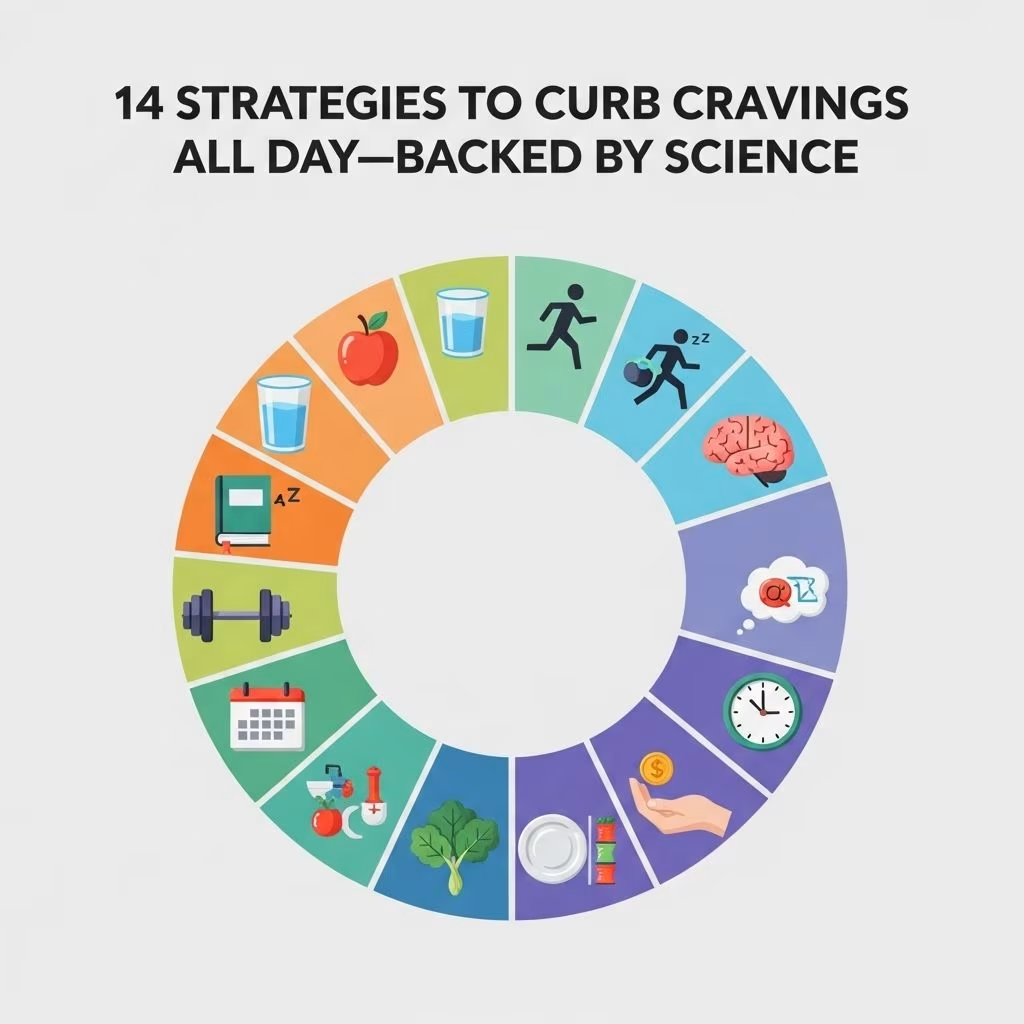
Food cravings are strong, often insistent urges to consume specific foods, usually those high in sugar, salt, or fat. These cravings can sabotage even the most diligent weight-loss efforts, leaving many feeling frustrated, guilty, or confused. Fortunately, scientific research and expert advice provide a range of effective strategies for quelling cravings throughout the day—without relying solely on willpower. This guide presents 14 evidence-based methods, from nutritional tweaks to simple behavioral shifts, to help you regain control and build healthier habits for the long term.
Why Do We Experience Cravings?
Many factors influence food cravings, including physiological hunger, emotional states, habitual behaviors, lack of sleep, and even our environment. Understanding these triggers is crucial to successfully managing them. Multiple studies reveal that cravings often stem from emotional needs, hormonal fluctuations, stress, and environmental cues—rather than genuine physical hunger.
1. Embrace Mindful Eating
Mindful eating means paying attention to what, why, and how you eat—slowing down and being present with your food. This approach helps you distinguish between true hunger and cravings triggered by emotions or routines.
- Eat without distractions (no TV or phone).
- Focus on the taste, texture, and aroma of your food.
- Pause and ask yourself if you’re really hungry before reaching for a snack.
2. Don’t “Eat Around” Your Craving
Trying to appease a craving with a low-calorie imitation snack often backfires, as your brain’s memory center remains unsatisfied. Instead, acknowledge the craving and address it directly. If you do indulge, opt for a smaller portion, savor it, and move on.
Tip: If you know a craving is emotional, try a healthy distraction first (like going for a short walk). If the urge persists, allow yourself a small, mindful portion rather than grazing endlessly on “healthy” alternatives that ultimately don’t satisfy.
3. Surf the Urge: Ride Out the Craving Wave
Cravings naturally pass like waves: they build, crescendo, and fade. Waiting just 10–20 minutes often diminishes the intensity. During this time, “surf the urge” by observing your feelings and engaging in a non-food activity.
- Set a timer for 15 minutes when a craving strikes and focus on something else: read a book, organize your desk, or phone a friend.
- Notice how the urge changes over time and remind yourself it will subside.
4. Identify Your Emotional Triggers
Many people mistake emotions like boredom, anxiety, or loneliness as signals for hunger. Pinpoint the underlying feeling behind the craving. Completing the sentence: “I feel _ because of _” can help clarify the emotion, so you can address it directly.
- If you’re stressed, channel nervous energy into a workout.
- If you’re lonely, connect with a friend or engage in a group activity.
5. Optimize Your Sleep
Lack of sleep disrupts appetite hormones, lowering leptin (which signals fullness) and rising ghrelin (which stimulates hunger), boosting overall appetite—especially for high-carb, high-fat foods. According to research, even a few nights of poor sleep can dramatically increase cravings.
- Aim for 7–9 hours of quality sleep each night to support appetite regulation.
- If you’re tired but need a pick-me-up, a small amount of caffeine can help in the short-term, but improving sleep is the long-term solution.
6. Portion Control: Have Your Treat—But Limit the Size
If you do indulge, control your environment and portions to prevent excess. Place a small serving of the craved food on a plate and put the rest away. This simple act reduces the chance of mindless overeating while still allowing you to enjoy the treat.
7. Break Food-Environment Associations
Many cravings are triggered by environmental cues and routines (like eating popcorn while watching TV). The brain forms powerful associations, making breaking these habits challenging but essential for lasting change.
- Change your environment: Watch TV in a room far from the kitchen or snacks.
- If an image of the food pops into your mind, mentally say “stop” and visualize yourself enjoying a healthy, vibrant life. Repeat as needed—this rewiring process truly works over time.
8. Distract with Hands-On Activities
Cravings often pass when you’re absorbed in another activity. Keeping your hands and mind busy helps short-circuit urges.
- Ideas: Draw, journal, do puzzles, clean, garden, or call a friend.
- Physical activities like brushing your teeth or taking a bath signal an end to eating and curb further temptation.
9. Eat Enough Protein and Healthy Fats
Protein and healthy fats are more satiating than simple carbohydrates, keeping you fuller for longer and reducing the urge to snack. Incorporating these nutrients at every meal helps stabilize blood sugar and blunt cravings.
- Good sources: Lean meats, eggs, beans, tofu, Greek yogurt, nuts, and seeds.
- Opt for natural, unprocessed fats like olive oil, avocado, and nuts.
10. Drink Water Before Meals
Thirst is often misinterpreted as hunger. Drinking a glass of water before meals or snacks helps distinguish true hunger from simple thirst, and can reduce the amount you eat. Starting your meal with a broth-based soup or a salad can also help control appetite.
11. Eat High-Fiber Foods
Fiber slows digestion and prolongs feelings of fullness, making it less likely for cravings to occur soon after a meal. Consuming a diet rich in whole grains, legumes, fruits, vegetables, and seeds can aid appetite management.
- Top fiber sources: Oats, beans, lentils, apples, avocados, almonds, chia seeds, leafy greens.
- Strive for at least 25–30 grams of fiber per day from food, not supplements.
12. Exercise Before Eating
Physical activity temporarily reduces appetite for many individuals by influencing hunger-regulating hormones. A brisk walk or workout before a meal can help you make healthier food choices and avoid overeating.
13. Try Science-Backed Natural Appetite Suppressants
- Green Tea or Yerba Maté: Some research suggests these teas can modestly blunt appetite and support fat metabolism.
- Dark Chocolate: Eating a small amount (70% cocoa or higher) may decrease cravings compared to milk chocolate. Savor a square slowly for satisfaction.
- Ginger: Consuming ginger as a tea or in meals has shown to increase satiety and reduce overall food intake in some studies.
Always consult with a healthcare provider before adding new supplements or herbs, especially if you have health conditions or take medications.
14. Build a Craving Survival Kit
Prepare for predictable moments of weakness by having a plan in place.
- Stock up on healthy snacks: Air-popped popcorn, fruit, nuts, Greek yogurt, veggie sticks, or single-portion nut butter.
- Keep distractions handy: Playlists, puzzles, books, podcasts, and phone numbers of supportive friends.
- Practice your “stop” visualization and substitute food thoughts with positive, non-food-related images or memories.
Table: Fast Craving-Busting Strategies According to Situation
| Situation | Best Quick Fix |
|---|---|
| Boredom | Engage in a hobby or phone a friend |
| Stress | Take a brisk walk or do stretching |
| Nighttime TV watching | Move to a different room; brush your teeth |
| Tiredness | Drink water and take a short walk |
| Craving sweet after meal | Savor a square of dark chocolate slowly |
Frequently Asked Questions (FAQs)
Q: Why do I crave junk food, especially at night?
A: Nighttime cravings often result from habit, emotional fatigue, or skipping meals earlier in the day. Make sure your meals are balanced with enough protein, healthy fats, and fiber, and address emotional needs with non-food coping strategies.
Q: Do food cravings mean my body needs specific nutrients?
A: Most cravings are not signals for nutritional deficiency. Emotional and environmental triggers typically drive cravings for high-sugar or high-salt foods, not true nutrient gaps.
Q: Are there long-term ways to reduce cravings?
A: Consistently eating balanced, nutrient-rich meals, addressing emotional triggers, improving sleep, reducing exposure to tempting cues, and building mindful habits are all proven to lessen cravings over time.
Q: Is it better to give in to cravings or ignore them?
A: Ignoring cravings completely can backfire, leading to overeating later. A better approach is mindful indulgence: have a small portion, savor it, and move on. If the craving is emotionally driven, try addressing the underlying feeling before reaching for food.
Final Tips: Be Kind to Yourself
Curbing cravings is a gradual process that requires patience, self-awareness, and flexibility—not perfection. Occasional indulgences are part of a balanced approach. Focus on progress, not all-or-nothing thinking, and celebrate small wins on your journey to better health.
References
- https://www.prevention.com/weight-loss/a20466650/how-to-stop-food-cravings-and-overeating/
- https://www.medicalnewstoday.com/articles/320625
- https://www.prevention.com/weight-loss/g20508005/7-ways-to-control-cravings/
- https://www.prevention.com/weight-loss/a20447209/the-link-between-diet-and-cravings/
- https://www.prevention.com/weight-loss/a20450931/quell-cravings-all-day/
- https://www.prevention.com/food-nutrition/a64590822/how-to-stop-sugar-cravings-fast/
- https://www.prevention.com/weight-loss/a20467632/how-to-beat-cravings-for-weight-loss/
- https://www.prevention.com/weight-loss/a20445219/diet-and-weight-loss-success-story-1/
- https://www.prevention.com/food-nutrition/a20510926/curb-your-sugar-cravings/
- https://www.prevention.com/weight-loss/a20439714/how-to-stop-sugar-cravings/


